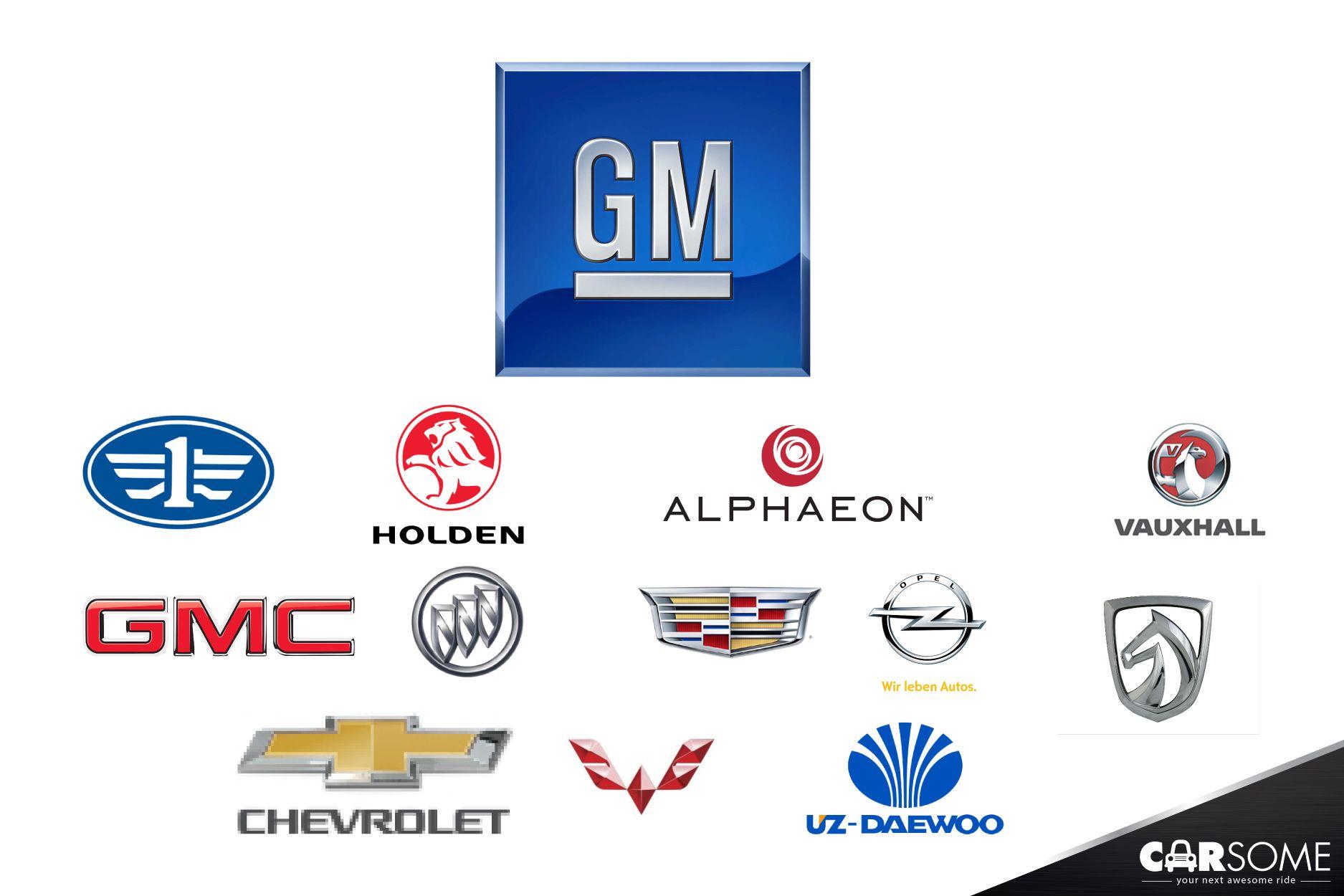
General Motors Brand Architecture: A Guide to the GM Portfolio
General Motors (GM) operates as a diversified global automotive manufacturer, maintaining a portfolio of distinct vehicle brands that target specific market segments, price points, and consumer demographics. In 2026, the company contin...
General Motors (GM) operates as a diversified global automotive manufacturer, maintaining a portfolio of distinct vehicle brands that target specific market segments, price points, and consumer demographics. In 2026, the company continues to manage four primary core brands in the North American market—Chevrolet, Buick, GMC, and Cadillac—each serving a unique functional and aesthetic purpose within the broader corporate ecosystem.
Contents
Understanding the GM brand hierarchy is essential for consumers, fleet managers, and automotive enthusiasts who wish to navigate the manufacturer’s offerings. By segmenting their brands, GM differentiates between mainstream mass-market transportation, professional-grade utility, premium comfort, and luxury performance. This strategic separation allows the corporation to maximize market coverage while sharing underlying engineering, platforms, and supply chain infrastructure.
Core Pillars of the General Motors Brand Portfolio
The identity of a General Motors vehicle is rooted in the specific brand under which it is marketed. While these vehicles often share chassis, powertrains, and technological systems, they are engineered to provide different ownership experiences.
Chevrolet: The Mass-Market Standard
Chevrolet serves as the "volume" brand for General Motors. It is designed to be accessible to the widest range of consumers, offering a diverse lineup that spans subcompact cars, full-size trucks, high-performance sports cars, and an expanding range of electric vehicles (EVs). Chevrolet is positioned as the utilitarian backbone of the company, focusing on value-driven reliability and the integration of modern standard technology.
GMC: Professional-Grade Utility
GMC occupies a distinct space as a "premium-utility" brand. Unlike Chevrolet, which focuses on broad consumer segments, GMC concentrates exclusively on SUVs, crossovers, and trucks. The brand distinguishes itself through its "Denali" sub-brand, which acts as a halo for luxury-level appointments within the truck and SUV categories. GMC is often marketed to professionals who require rugged capability combined with a higher degree of interior refinement and exterior styling cues than typically found in entry-level segments.
Buick: The Accessible Premium Experience
Buick functions as the bridge between mass-market offerings and the higher-tier luxury space. Historically recognized for prioritizing quiet cabins, comfort-oriented suspension tuning, and understated elegance, Buick has transitioned into an SUV-only brand in North America. It caters to a demographic that appreciates upscale features and a sophisticated design language without the price premium typically associated with top-tier luxury marques.
Cadillac: The Global Luxury Flagship
Cadillac remains the apex brand for General Motors, representing the company’s push into the global luxury and high-performance markets. Cadillac vehicles emphasize advanced engineering, cutting-edge infotainment interfaces, premium materials, and, increasingly, industry-leading electric vehicle performance. The brand competes directly with established European and Asian luxury imports by focusing on distinct American design philosophy and the implementation of advanced autonomous-driving assistance systems.
Comparative Overview of GM Brands
To better understand how these brands differ in their market positioning and intended use, the following table summarizes their primary characteristics as of 2026.
| Brand | Primary Market Segment | Key Focus Areas | Typical Demographic |
|---|---|---|---|
| Chevrolet | Mass-Market | Value, Performance, EVs | Broad/General |
| GMC | Premium Utility | Capability, Luxury Touches | Professional/Active |
| Buick | Entry-Level Premium | Comfort, Quietness, SUV-focus | Suburban Professionals |
| Cadillac | High-End Luxury | Tech, Status, Performance | High Net-Worth/Tech-focused |
Engineering Synergy: How GM Manages Multiple Brands
The primary business benefit of GM maintaining several car brands is the ability to leverage a shared architecture, commonly referred to as "platform sharing." Under this strategy, multiple vehicles across different brands are built upon the same fundamental chassis or electric battery architecture.
Platform and Component Sharing
For example, the Ultium battery platform, which underpins the majority of GM’s 2026 electric vehicle lineup, is designed to be scalable. Engineers can use this single modular architecture to build anything from a compact crossover for Chevrolet to a high-performance SUV for Cadillac. This significantly reduces manufacturing costs and development time, as the high-cost research and development (R&D) spent on the battery chemistry and electrical architecture is amortized across millions of units rather than a single vehicle model.
Differentiation Through Design and Feature Sets
While the underlying "hard points" (the structural foundations of the vehicle) are shared, GM utilizes "top-hat" engineering to differentiate the brands. This means the exterior sheet metal, interior dashboard design, seat materials, and digital user interfaces are customized to suit the specific target audience of the brand. A Cadillac user will interact with a completely different infotainment experience and interior environment than a Chevrolet user, even if the software backend and chassis dynamics are fundamentally related.
Strategic Evolution and Brand Consolidation
The current brand structure is the result of years of corporate consolidation. Historically, General Motors maintained a much wider portfolio, including brands like Pontiac, Saturn, Oldsmobile, and Hummer (which transitioned from a standalone brand to a sub-brand under GMC).
By narrowing the portfolio to the current core four in North America, GM has been able to improve the quality of service provided at dealerships and streamline the marketing spend. This focus allows for better alignment of dealer incentives, localized service training, and a clearer message for the consumer. When a customer walks into a dealership, the separation between brands helps prevent "cannibalization," where vehicles from the same manufacturer compete for the same buyer.
Practical Considerations for Consumers
For individuals looking to purchase a vehicle within the GM ecosystem, the choice often comes down to the desired trade-off between price, prestige, and utility.
- Budget Assessment: Chevrolet generally offers the lowest entry price points and is the most suitable for consumers prioritizing cost-effectiveness.
- Feature Requirements: If you require specific towing capacity and off-road capability, GMC is often the primary choice. If your priority is luxury appointments and advanced driving technology, Cadillac is the designated path.
- Maintenance and Support: Because all four brands operate under the umbrella of General Motors, they often share service diagnostic tools and parts distribution networks. While some specialized Cadillac service centers may have specific requirements, the core mechanical components are often serviced similarly across the GM network, which can simplify long-term vehicle maintenance.
Frequently Asked Questions
Are GM engines the same across all their brands?
Not necessarily, but they are often derived from the same engine families. While a Chevrolet and a Cadillac may both use a GM small-block engine architecture, the Cadillac variant may include higher-end materials, different tuning for horsepower output, and additional sound-dampening components to suit the brand's performance or comfort goals.
Can I get my GMC vehicle serviced at a Cadillac dealership?
It depends on the individual franchise. Many dealerships are "multi-branded," meaning they sell and service multiple GM brands under one roof. However, some standalone luxury dealerships may not have the capacity or specialized equipment for heavy-duty truck maintenance. Always verify with your local service department before scheduling.
Why does GM keep so many brands instead of just one?
Maintaining multiple brands allows GM to target different customer psychographics without diluting the brand image. If a customer desires a luxury experience, they are less likely to buy a brand that is also known for selling budget-friendly, entry-level economy cars. Distinct brands provide a consistent identity for the owner.
Do GM brands share the same infotainment software?
Most modern GM vehicles utilize a shared software stack, often powered by Android Automotive integration. While the user interface and the size of the screen may differ—with Cadillac offering more advanced graphic capabilities and screen configurations—the underlying operating system is often common across the brands to ensure connectivity and serviceability.
Is one GM brand more reliable than another?
Reliability is generally tied to the specific model and the platform it uses rather than the brand name alone. Because many vehicles across different brands share the same engines and transmissions, their mechanical reliability profiles are often quite similar. Differences usually arise in the complexity of the added features and interior luxury components.
Next Steps for Prospective Owners
If you are currently evaluating a purchase, the most effective next step is to use the official General Motors brand websites to compare technical specifications side-by-side. Focus on the platform architecture mentioned in the vehicle brochure to see if the two models you are comparing share the same engine or chassis. By test-driving vehicles from different brands within the same segment—such as a Chevrolet Equinox and a Buick Envision—you will gain a tangible sense of how GM uses trim, materials, and tuning to differentiate the experience for the driver. Consult your local dealer to discuss specific inventory availability and to experience the different customer service standards each brand maintains.
Image Gallery