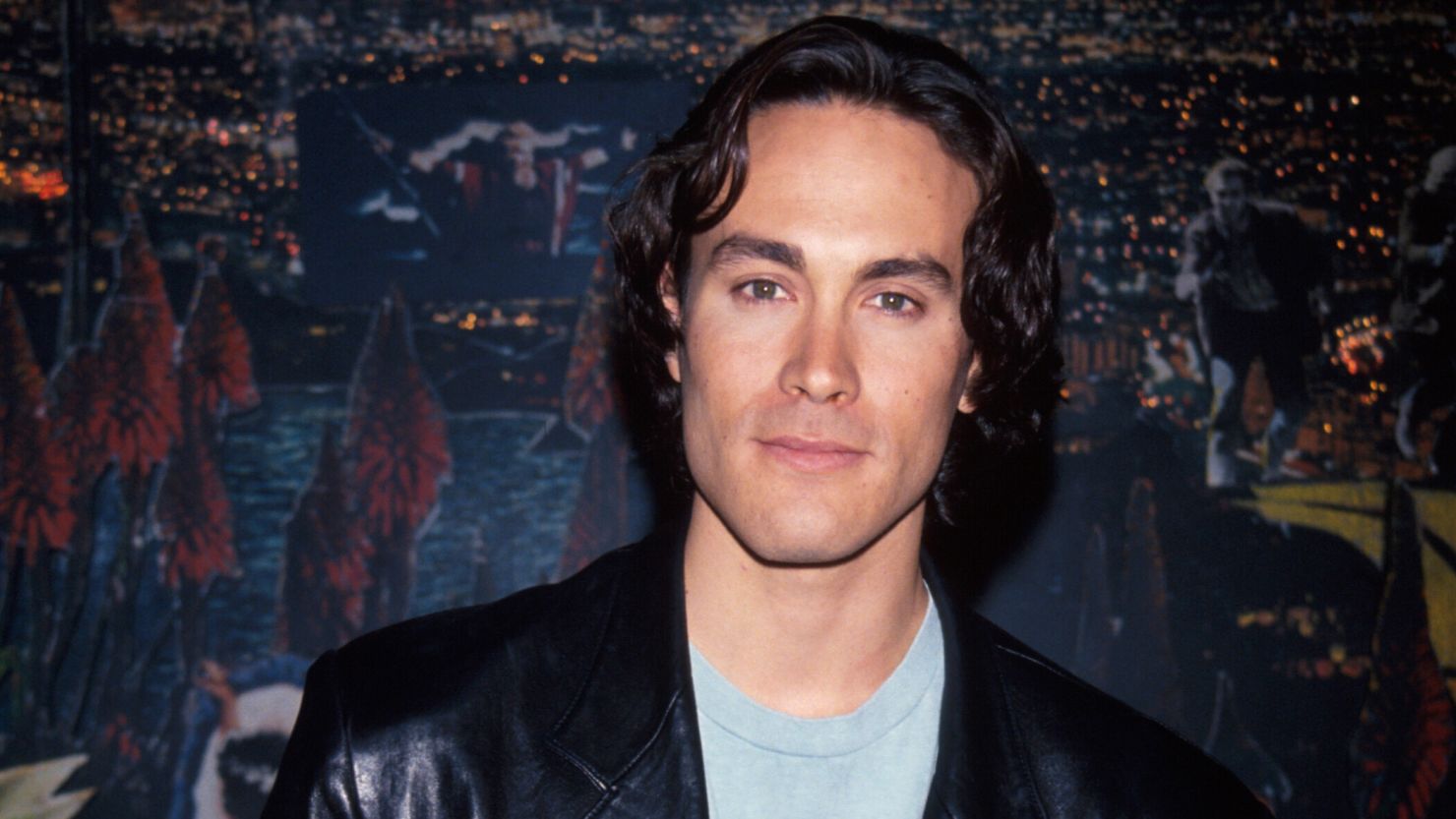
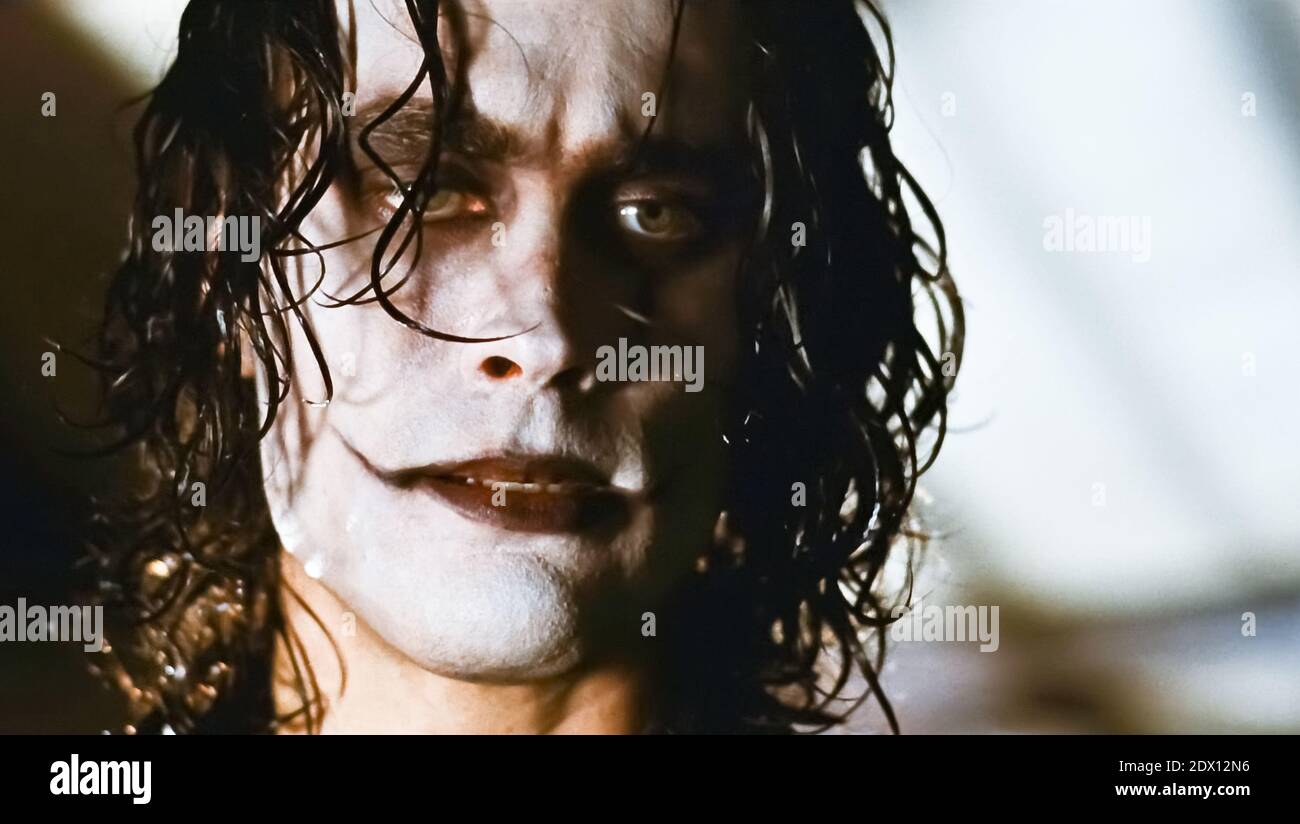
The Death of Brandon Lee on the Set of The Crow: Cause, Investigation, and Safety Reforms
Actor Brandon Lee died on March 31, 1993, at the age of 28, after sustaining a fatal gunshot wound during the filming of The Crow in Wilmington, North Carolina. The tragedy occurred when a prop revolver, improperly prepared by the crew...
Actor Brandon Lee died on March 31, 1993, at the age of 28, after sustaining a fatal gunshot wound during the filming of The Crow in Wilmington, North Carolina. The tragedy occurred when a prop revolver, improperly prepared by the crew, fired a lodged bullet fragment propelled by a blank cartridge.
Contents
The death of Brandon Lee remains one of the most significant safety watershed moments in modern film production history. Understanding how a sequence of protocol breaches turned a routine movie prop into a lethal weapon requires examining the mechanical timeline of the accident, the official law enforcement investigation, the legal fallout, and the systemic reforms enacted across Hollywood sets to prevent similar incidents.
Technical Cause of Death: The Mechanical Failure of the Prop Gun
The fatal incident involving Brandon Lee was caused by a combination of improvised prop preparation, inadequate firearm inspection, and a phenomenon known as a squib load. To understand how the accident occurred, it is essential to distinguish between live ammunition, dummy rounds, and blank cartridges as used in motion picture production.
AMMUNITION TYPES ON FILM SETS
| Type | Gunpowder (Propellant) | Primer (Igniter) | Projectile (Bullet) |
|---|---|---|---|
| Live Ammunition | Yes | Yes | Yes |
| Dummy Round | No | No (or Inert) | Yes |
| Blank Cartridge | Yes | Yes | No |
The Preparation of Improvised Dummy Rounds
During scenes filmed weeks prior to the accident, the camera was required to shoot a close-up of a .44 Magnum revolver being loaded. To make the weapon look realistic from the front, the visual presence of real bullet tips was necessary inside the cylinder. Standard practice requires purchasing inert "dummy rounds" from professional prop suppliers. These factory-manufactured dummies contain no gunpowder and no active primer caps.
Due to tight production schedules and budget constraints on the set of The Crow, crew members improvised dummy rounds using live .44 Magnum cartridges. The crew pulled the bullet tips out of live rounds, emptied the gunpowder propellant, and reseated the lead bullets back into the casing. However, the crew failed to safely discharge or remove the explosive live primer caps situated at the base of the cartridges.
The Creation of the Squib Load
During the close-up scene, one of these modified dummy rounds was loaded into the revolver and the trigger was pulled. Although there was no gunpowder inside the cartridge, the live primer cap had enough force to detonate. The ignition generated just enough pressure to push the lead bullet tip out of the brass casing and into the gun barrel, where it became tightly lodged.
This stuck projectile is technically known in ballistics as a squib load. Because the sound of the primer igniting was relatively quiet compared to full blank charges, and because no dedicated armorer was present to inspect the firearm immediately after the scene, the obstruction inside the barrel went completely unnoticed.
The Fatal Shot
On March 31, 1993, the production prepared to film a scene where Lee’s character, Eric Draven, walks through a door carrying a grocery bag and is shot by a antagonist played by actor Michael Massee. For this scene, the same .44 Magnum revolver was retrieved. The improvised dummy rounds were removed, and the gun was loaded with blank cartridges.
Blank cartridges contain active gunpowder and live primers to create a realistic flash and loud detonation, but they are sealed with paper or plastic wadding instead of a metal bullet. When Massee pulled the trigger from a distance of approximately 12 to 15 feet, the blank cartridge ignited the gunpowder. The expanding gas generated by the blank charge blasted through the barrel, pushing the lead bullet fragment previously lodged during the squib load out of the muzzle with kinetic energy equivalent to that of a live round.
The projectile struck Brandon Lee in the abdomen, severing his internal iliac artery. Lee collapsed immediately. The crew initially believed he was continuing to act out the scene until he failed to stand after the scene was cut. Paramedics transported Lee to New Hanover Regional Medical Center in Wilmington, where surgeons operated on him for over six hours. Despite extensive transfusions and surgical intervention, Brandon Lee was pronounced dead at 1:04 PM on March 31, 1993.
Investigation, Autopsy, and Legal Outcomes
The investigation following the shooting involved local law enforcement, state prosecutors, and workplace safety regulators to determine criminal liability, mechanical causation, and regulatory negligence.
INVESTIGATION AND LEGAL DECISION TIMELINE
| Date | Event / Finding |
|---|---|
| March 31, 1993 | Incident occurs; Wilmington Police Department begins inquiry. |
| April 1, 1993 | Autopsy confirms fatal injury caused by .44 caliber bullet tip. |
| September 1993 | District Attorney announces no criminal charges will be filed. |
| October 1993 | Civil lawsuit filed by Linda Lee Cadwell against producers. |
| Late 1993 | Civil suit settled out of court for undisclosed terms. |
| 1993–1994 | OSHA fines production for severe safety protocol failures. |
The Law Enforcement and DA Investigation
The Wilmington Police Department and North Carolina State Bureau of Investigation (SBI) conducted an exhaustive forensic inquiry into the shooting. Investigators seized the weapon, remaining ammunition, and camera footage from the take.
District Attorney Jerry Spivey reviewed the SBI findings to determine whether criminal charges—such as involuntary manslaughter—were warranted against any member of the cast or crew. In September 1993, DA Spivey announced that while gross negligence was clear throughout the production chain, there was no evidence of criminal intent or willful malice. Consequently, no criminal charges were brought against Michael Massee, the prop master, or the production management.
Autopsy and Medical Examiner Findings
The North Carolina Office of the Chief Medical Examiner conducted the autopsy. The report confirmed that Lee died from severe internal hemorrhaging and hypovolemic shock resulting from a bullet wound to the lower abdomen. Forensic examination of the retrieved projectile confirmed it was a .44 caliber lead bullet tip identical to the ones used in the improvised dummy rounds.
Civil Litigation and OSHA Penalties
In October 1993, Brandon Lee's mother, Linda Lee Cadwell, filed a civil lawsuit against the film's production entity, Crowvision, along with several producers and crew members, alleging wrongful death through systemic negligence. The lawsuit detailed how the production rushed shooting schedules, dismissed essential safety personnel to cut costs, and failed to follow basic firearm safety standards. The lawsuit was settled out of court later that year under confidential terms.
The Occupational Safety and Health Administration (OSHA) also conducted a federal workplace safety review of the set. OSHA fined the production company $84,000 (later reduced upon appeal) for violations including:
- Failing to maintain proper firearm safety management on set.
- Inadequate training of personnel handling dangerous props.
- Absence of a certified armorer during scenes involving active blank discharges.
The Completion and Legacy of The Crow
Following Lee's death, director Alex Proyas and the film's producers halted production to evaluate whether the project should be abandoned. At the time of the accident, the majority of Lee's scenes had already been filmed, leaving only eight days of principal photography remaining.
Narrative Re-writes and Body Doubles
With the support of Linda Lee Cadwell and Lee’s fiancée, Eliza Hutton, the production chose to finish the film as a tribute to the late actor. Scriptwriters rewrote unfinished scenes to omit Lee’s character where possible or adjust the narrative framing.
To complete the remaining critical scenes, the production utilized two primary techniques:
- Stunt Doubles: Stunt performer Chad Stahelski (who later directed the John Wick franchise) stood in as a body double for Lee. Stahelski wore character makeup and was filmed primarily from behind, in shadows, or in wide shots.
- Early Digital Effects: Visual effects studio Dream Quest Images performed pioneering digital compositing. They isolated footage of Brandon Lee from unused takes, adjusted lighting and perspective, and digitally composited his face onto Stahelski’s body for a key scene where Eric Draven enters his apartment.
The Crow was released in theaters on May 13, 1994. Critical response was widely positive, praising Lee's performance and the film's gothic atmosphere. The movie achieved commercial success, grossing over $50 million domestically against a $23 million budget.
Film Set Firearm Safety Protocols: 1993 vs. Modern Industry Standards
The death of Brandon Lee exposed severe loopholes in how firearms were managed on movie sets. Prior to 1993, guidelines were often treated as optional suggestions rather than mandatory regulatory rules. Following the accident, the film industry reformed its safety standards through the Contract Services Administration Trust Fund (CSATF) Safety Bulletins, enforced jointly by SAG-AFTRA and IATSE.
INDUSTRY SAFETY PROTOCOL COMPARISON
| Protocol Category | 1993 Set Standards (Pre-Accident) | Modern Industry Standards |
|---|---|---|
| Armorer Presence | Optional; dismissed early to save overtime costs. | Mandatory on set at all times when weapons are present. |
| Ammunition Handling | Allowed crew to modify live rounds into dummy bullets. | Strict ban on live ammunition; only factory dummies permitted. |
| Barrel Inspection Routine | Infrequent; no documented log requirement before firing. | Mandatory physical inspection and barrel checking before load. |
| Distance and Line of Sight | Actors shot directly at each other at close range. | Angles offset; clear separation zones and protective shields. |
| Personnel Authorization | Unclear delegation between prop master and assistants. | Only certified Property Master or Armorer may touch weapons. |
Key Mandatory Reforms Enacted After 1993
- Absolute Ban on Live Ammunition: Live ammunition is strictly prohibited on any motion picture or television set under any circumstances. Dummy rounds must be commercially produced, visually identifiable as inert (often containing metallic beads inside to rattle when shaken), and verified by the armorer.
- Dedicated Armorer Authority: An armorer or licensed gun safety coordinator must be present whenever a firearm—functional, deactivated, or blank-firing—is handled. The armorer has unilateral authority to stop filming if safety protocols are violated.
- Mandatory Visual Inspections: Before any firearm is handed to an actor, the armorer must clear the chamber, look through the barrel with a flashlight or mirror to check for obstructions, and demonstrate to the actor and assistant director that the barrel is clear.
- Safety Distances and Shielding: When firing blank cartridges, actors must not aim directly at another individual unless minimum safety distances are maintained and shatterproof polycarbonate (Plexiglas) shields protect crew members behind the camera line.
- Shift Toward Digital Effects and Non-Firing Replicas: The tragedy accelerated the film industry's move toward using airsoft guns, solid rubber replicas, and post-production computer-generated imagery (CGI) muzzle flashes to eliminate physical risk entirely.
Despite these established protocols, compliance failures can still lead to tragic consequences, as seen in the 2021 fatal shooting of cinematographer Halyna Hutchins on the set of Rust. That incident re-ignited industry-wide debates regarding the complete elimination of functional firearms in entertainment, reinforcing the critical lessons established by the Brandon Lee tragedy.
Frequently Asked Questions
Was anyone charged with a crime in Brandon Lee's death?
No criminal charges were filed. Following a thorough investigation by the North Carolina State Bureau of Investigation and the local District Attorney’s office, officials ruled that the incident was a tragic accident caused by systemic negligence rather than intentional foul play or criminal intent.
Did the actor who fired the gun face legal consequences?
Michael Massee, the actor who pulled the trigger during the scene, was cleared of any criminal responsibility by law enforcement. The investigation established that Massee had no knowledge of weapon mechanics, was handed the prop gun by crew members who assured him it was safe, and acted entirely according to script directions.
Why were live rounds used to make dummy cartridges on set?
The production ran short on time and lacked commercially manufactured dummy rounds for a close-up scene. To save time and money, crew members modified real .44 Magnum cartridges by pulling out the lead bullets, emptying the gunpowder, and putting the bullets back in. However, they failed to properly deactivate the explosive primer caps, leading directly to the squib load.
How was The Crow completed after Brandon Lee died?
Director Alex Proyas completed the film using a combination of script rewrites, stunt double Chad Stahelski performing in low-light conditions, and early digital compositing techniques. Unused close-up footage of Lee from earlier takes was digitally merged onto Stahelski’s body for key scenes.
Was the footage of Brandon Lee's death included in the film?
No. The camera footage capturing the moment of the fatal shot was seized immediately by law enforcement as evidence for the investigation. After the investigation concluded, the footage was destroyed unviewed by the public as part of the legal settlement reached with Lee's family.
Key Safety Guidelines for Firearm Handling in Media Production
For production teams, stage managers, and content creators working with theatrical props or blank-firing weapons, strict adherence to established industry safety bulletins is mandatory.
- Consult Official Safety Bulletins: Always follow guidelines outlined in CSATF Industry Safety Bulletin #1 (Firearms) regarding the storage, handling, and inspection of prop weapons.
- Hire Certified Armorers: Never delegate firearm handling to general prop assistants or performers. Only certified armorers should retain control of weapons between takes.
- Conduct Open Barrel Checks: Require physical and visual inspection of every gun barrel in front of the actor and assistant director prior to every take involving blank ammunition.
- Prioritize Synthetic Alternatives: Utilize non-firing replica weapons, rubber cast models, or CGI visual effects whenever close-up firing shots are not explicitly required by narrative constraints.
Image Gallery