Undercover Car Technology and Operations: The 2026 Comprehensive Guide to Stealth Law Enforcement Vehicles
An undercover car is a vehicle utilized by law enforcement or intelligence agencies that is specifically designed to be indistinguishable from a standard civilian vehicle. Unlike unmarked cars, which often retain tell-tale signs like h...
An undercover car is a vehicle utilized by law enforcement or intelligence agencies that is specifically designed to be indistinguishable from a standard civilian vehicle. Unlike unmarked cars, which often retain tell-tale signs like heavy-duty wheels or visible spotlights, true undercover vehicles are frequently seized civilian assets or stock models with zero external police indicators, used primarily for long-term surveillance and deep-cover operations.
Contents
In the 2026 landscape of public safety, the definition of an undercover car has expanded to include high-tech electric vehicles (EVs) and sophisticated digital masking. Understanding the distinction between various covert vehicle classes is essential for fleet managers, tactical officers, and automotive researchers. While "unmarked" and "undercover" are often used interchangeably in casual conversation, they represent two distinct tiers of tactical deployment and vehicle preparation.
Defining the 2026 Covert Vehicle Hierarchy
To analyze the undercover car, one must first categorize it within the broader spectrum of police vehicle modifications. In 2026, law enforcement agencies (LEAs) utilize a three-tier system for non-patrol vehicles. This classification ensures that the right level of stealth is applied to the specific mission profile, whether it is traffic enforcement, fugitive recovery, or deep-state narcotics investigations.
Tier One: The Unmarked Patrol Vehicle
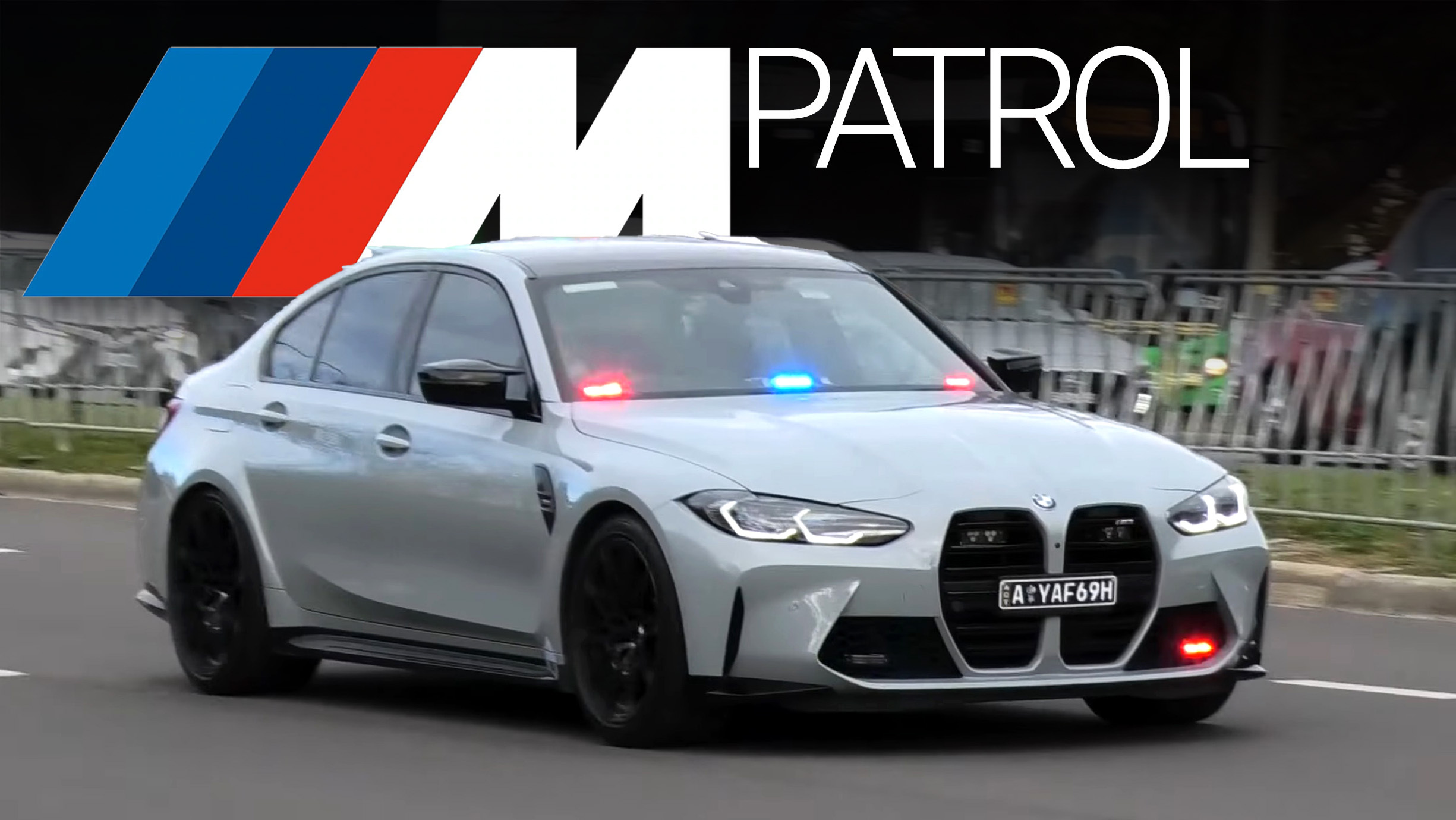
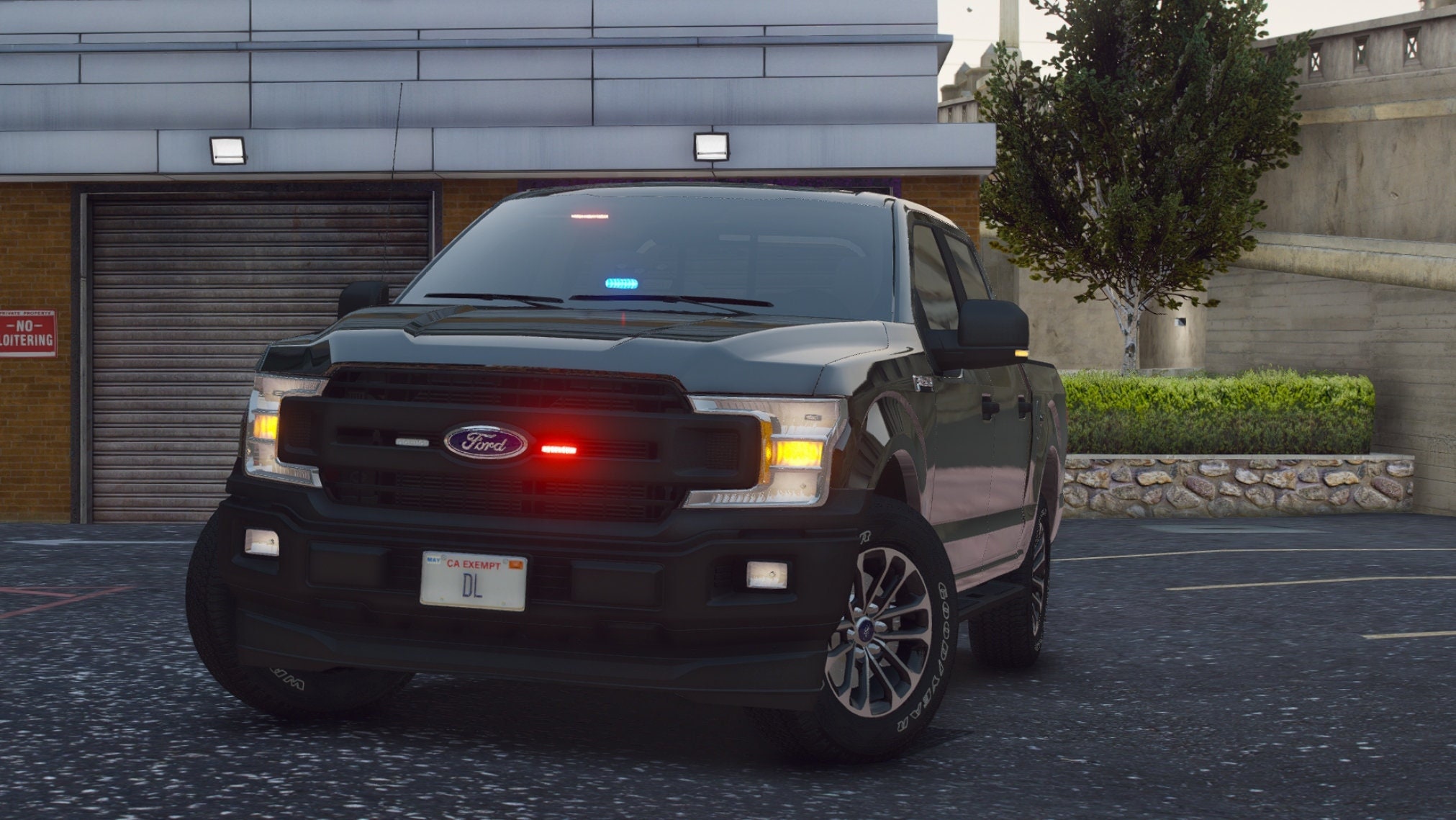
These vehicles are typically standard-issue police interceptors, such as the Ford Police Interceptor Utility or the Chevrolet Tahoe PPV, but without the traditional door decals or roof-mounted lightbars. They often retain "government plates," heavy-duty black steel rims, and visible push-bumpers. Their primary role is traffic enforcement and rapid response where a low profile is preferred but total anonymity is not required.
Tier Two: The Stealth or Ghost Vehicle
Ghost vehicles occupy the middle ground. They feature "ghost graphics"—reflective decals that match the paint color of the car. These are invisible during the day but become highly reflective when hit by direct light at night. While more covert than a standard patrol unit, they are still easily identified as law enforcement vehicles upon close inspection of the interior or rear deck lighting.
Tier Three: The True Undercover Car
This is the pinnacle of covert operations. A true undercover car is often a vehicle that was previously used by a civilian. It might be a ten-year-old sedan, a luxury SUV, or even a commercial work van. In 2026, many agencies utilize seized vehicles from asset forfeiture programs to ensure the "street pedigree" of the vehicle is authentic. These cars possess civilian license plates, no visible police equipment, and often contain "clutter" (such as child seats or gym bags) to complete the illusion.
Technical Specifications and 2026 Equipment Standards
The technology integrated into undercover cars in 2026 has reached a level of miniaturization that makes detection nearly impossible for the untrained eye. Integration no longer requires bulky consoles or visible antennas; instead, modern undercover units utilize the vehicle’s existing CAN bus and infotainment systems to manage police-specific functions.
Advanced Lighting and Signal Systems
Traditional strobe lights have been replaced by ultra-thin, high-intensity Micro-LEDs. These are embedded behind the vehicle's factory plastic lenses or hidden within the gap between the window glass and the interior trim.
- Nano-LED Grille Integration: Lights are mounted deep within the radiator honeycomb, invisible until activated.
- Chameleon Light Housing: LED modules that mimic the color of the vehicle’s indicator lenses when powered off.
- Adaptive Dimming: For 2026 models, lighting systems automatically adjust their intensity based on ambient street lighting to prevent "blinding" the officer’s own dashcam or thermal sensors during night operations.
Secure Communication and Data
The hallmark of a 2026 undercover car is its connectivity. With the nationwide rollout of 6G-lite and hardened 5G networks for first responders, undercover vehicles act as mobile nodes.
- Integrated Shark-Fin Antennas: Agencies now use multi-band antennas that look identical to the factory satellite radio or GPS fins found on consumer cars.
- Stealth Dashboards: The police radio and siren controllers are often hidden within the glove box or integrated into the vehicle’s OEM touchscreen via custom software overlays, eliminating the need for a center console stack.
- Thermal and Night Vision: Hidden FLIR (Forward Looking Infrared) cameras are often mounted behind the front emblem, providing the driver with a heads-up display (HUD) of suspects in total darkness without using headlights.
2026 Comparison: Patrol vs. Unmarked vs. Undercover Models
The following table outlines the key differences in specifications and deployment for vehicles currently in use across North American and European law enforcement fleets.
| Feature | Standard Patrol Car | Unmarked Interceptor | True Undercover Car |
|---|---|---|---|
| Visible Markings | Full Vinyl Wrap/Decals | None or "Ghost" Graphics | None (Civilian Paint) |
| Wheels/Tires | Steel Rims w/ Chrome Hubs | Steel Rims or Pursuit Alloys | Factory Civilian Alloys |
| License Plates | Permanent Municipal/Gov | Municipal or "Confidential" | Standard Civilian Plates |
| Lightbar | External Roof Mount | Internal Windshield/Deck | Micro-LED (Hidden) |
| Siren System | External 100W Speaker | Behind Grille Speaker | Compact Low-Frequency Siren |
| Interior Tech | Visible Laptop Mount | Low-Profile Tablet Mount | Integrated OEM Screen |
| Primary Use | Deterrence/Emergency | Traffic/Interdiction | Surveillance/Intelligence |
| 2026 Trend | Hybrid Powertrains | Performance EVs | Diversified Civilian Models |
The Shift to Electric Vehicles in Undercover Fleets
As of 2026, the transition to Electric Vehicles (EVs) has revolutionized undercover operations. The inherent characteristics of EVs provide a natural advantage for surveillance that internal combustion engines (ICE) cannot match.
Silent Mobility and Idling
One of the greatest challenges for undercover surveillance has historically been the noise and heat signature of an idling engine. In 2026, undercover EVs like the Tesla Model 3 "Police Special," the Ford Mustang Mach-E, and the Rivian R1S allow officers to remain stationary for hours with the climate control and electronics running in near-total silence. This lack of an exhaust note and reduced thermal signature makes it much harder for suspects to detect a "staked-out" vehicle.
Performance Gains
Undercover cars often need to perform high-speed intercepts without the benefit of a pursuit-rated cooling system found in patrol cars. The instant torque provided by dual-motor EV setups allows undercover units to keep pace with high-performance civilian vehicles during a pursuit initiation before marked units can arrive to take over.
How to Identify an Undercover Car: 2026 Indicators
Despite the advancements in stealth technology, certain "tells" remain that can help distinguish a high-level undercover or unmarked vehicle from a standard civilian car. Law enforcement professionals must be aware of these indicators to maintain operational security (OPSEC).
- Window Tint Disparity: Many agencies tint the front side windows of undercover cars to the legal limit or slightly beyond to hide the officer’s identity and equipment. However, they often use high-grade ceramic tint that has a different hue than factory-privacy glass.
- Heavy-Duty Suspension Sag: Even with lightweight gear, the addition of ballistic door panels (standard in many 2026 units) and communications equipment can cause a vehicle to sit lower than a stock civilian model, or conversely, look "stiff" over bumps due to upgraded heavy-duty springs.
- Visible Interior Electronics: Upon close inspection, the presence of a dual-lens dash camera (one for the road, one for the cabin), or a small GPS/Radio puck on the dashboard can give away a vehicle's purpose.
- Tire Specifications: Most undercover cars are fitted with speed-rated tires (V or Z rated) that may not match the economy tires usually found on base-model civilian sedans.
Legal and Ethical Frameworks for Undercover Vehicle Use
The deployment of undercover cars is governed by strict departmental policies and state/federal laws. In 2026, several high-profile legal updates have refined how these vehicles can be used in the field.
Entrapment Concerns
The mere presence of an undercover car does not constitute entrapment. However, legal standards in 2026 emphasize that undercover officers must not use their vehicle's civilian appearance to incite a crime that the subject would not have otherwise committed. For example, "street racing stings" involving undercover performance cars are closely scrutinized to ensure the officer did not initiate the aggressive driving.
Identification Requirements
While an undercover car is designed to be hidden, most jurisdictions require officers to identify themselves immediately upon initiating a stop or enforcement action. This is why undercover cars are equipped with high-intensity "take-down" lights—to ensure the civilian knows they are being pulled over by legitimate law enforcement and not a masquerading civilian.
Operational Standard: The 2026 "Blue Light" Law
Many states have updated their vehicle codes to mandate that undercover vehicles must utilize a specific sequence of alternating red and blue lights when performing a traffic stop to distinguish them from volunteer fire or secondary response vehicles. This ensures public safety and reduces the risk of "impersonator" crimes.
Managing an Undercover Fleet: Maintenance and Lifecycle
Maintaining an undercover car requires a different strategy than a marked patrol unit. Because the goal is to blend in, the maintenance schedule must include "aesthetic upkeep" that marked cars ignore.
- De-Identification: When a vehicle is moved from the patrol fleet to the undercover fleet (or purchased used), all previous service records must be scrubbed of police-specific terminology to prevent discovery via vehicle history reports.
- Rotation: To prevent "burning" a vehicle (where local criminals recognize a specific car), agencies in 2026 use vehicle-sharing programs between neighboring counties to rotate their undercover assets every 6–12 months.
- Ballistic Protection: Modern undercover cars often utilize "drop-in" ballistic panels made of polyethylene fibers. These are lighter than steel and can be moved from one vehicle to another, preserving the "stock" look while providing Level III protection for the officers inside.
Frequently Asked Questions
Can I buy an undercover car at a police auction? Yes, but most vehicles sold at auction are "unmarked" units rather than true "undercover" cars. True undercover cars that were seized are often returned to the civilian market through standard wholesale channels or destroyed if they were involved in sensitive operations. If you buy an unmarked interceptor, it will likely have mounting holes in the interior and "plugged" holes on the roof or trunk from removed antennas.
Are undercover cars allowed to break speed limits? Undercover officers are generally bound by the same "Due Regard" laws as marked patrol units. While they can exceed speed limits during an active investigation or pursuit, they must do so without endangering public safety. In 2026, most undercover vehicles are equipped with telematics that log speed and location, providing a digital audit trail for department internal affairs.
How do undercover cars handle tolls and traffic cameras? Most agencies register their undercover plates in a "Confidential Plate Program." When the vehicle passes through an automated toll or a speed camera, the system recognizes the plate as law enforcement and routes the notification to the agency rather than issuing a public citation. This prevents the officer’s home address or department location from being exposed in public databases.
Do all undercover cars have "Government" or "Exempt" plates? No. In fact, most true undercover cars use standard-issue civilian plates. In some states, these are known as "undercover plates" which are valid in the DMV system but are registered to a front organization or a non-descript government alias to protect the identity of the operation.
What is the most common undercover car in 2026? The 2026 Ford Explorer (Civilian trim) and the Toyota Camry remain the most popular choices due to their sheer volume on the road. However, the Tesla Model Y has seen a 40% increase in undercover deployment for urban environments because it is the most common EV in America, making it the perfect "camouflage."
Future Outlook: AI and Autonomous Undercover Units
Looking beyond 2026, the next evolution of the undercover car involves autonomous surveillance. Experimental programs are currently testing "drone-tender" vehicles—undercover vans that act as mobile hangars for small, silent aerial drones. These vehicles can park in a neighborhood and launch surveillance assets without an officer ever needing to be present on-site, further reducing the risk of detection and increasing the efficiency of modern law enforcement.
For agencies looking to modernize their fleet, the focus remains on "Blending in through Diversity." A fleet consisting of only white SUVs is easy to spot; a fleet that includes various colors, models, and states of "cleanliness" is the hallmark of a professional undercover operation.
Image Gallery