Navigating Auto Insurance in Duncan, BC: A Comprehensive 2026 Guide
Finding the right auto insurance in Duncan, BC, involves navigating British Columbia’s unique hybrid system, where the Insurance Corporation of British Columbia (ICBC) provides mandatory basic coverage while private carriers compete fo...
Finding the right auto insurance in Duncan, BC, involves navigating British Columbia’s unique hybrid system, where the Insurance Corporation of British Columbia (ICBC) provides mandatory basic coverage while private carriers compete for optional extensions. Residents of the Cowichan Valley can optimize their premiums by leveraging local brokerage expertise and understanding territory-specific risk factors.
Contents
As we move through 2026, the landscape of vehicle protection in the Cowichan Valley continues to be shaped by the "Enhanced Care" model and an evolving digital-first renewal process. Whether you are a long-time resident of Duncan or a newcomer settling into the "City of Totems," understanding how your location, driving habits, and the provincial regulatory framework intersect is essential for securing both legal compliance and financial peace of mind.
This guide provides an in-depth analysis of the requirements, costs, and strategic choices available for auto insurance in Duncan, British Columbia.
The Foundation of BC Auto Insurance: The ICBC Framework
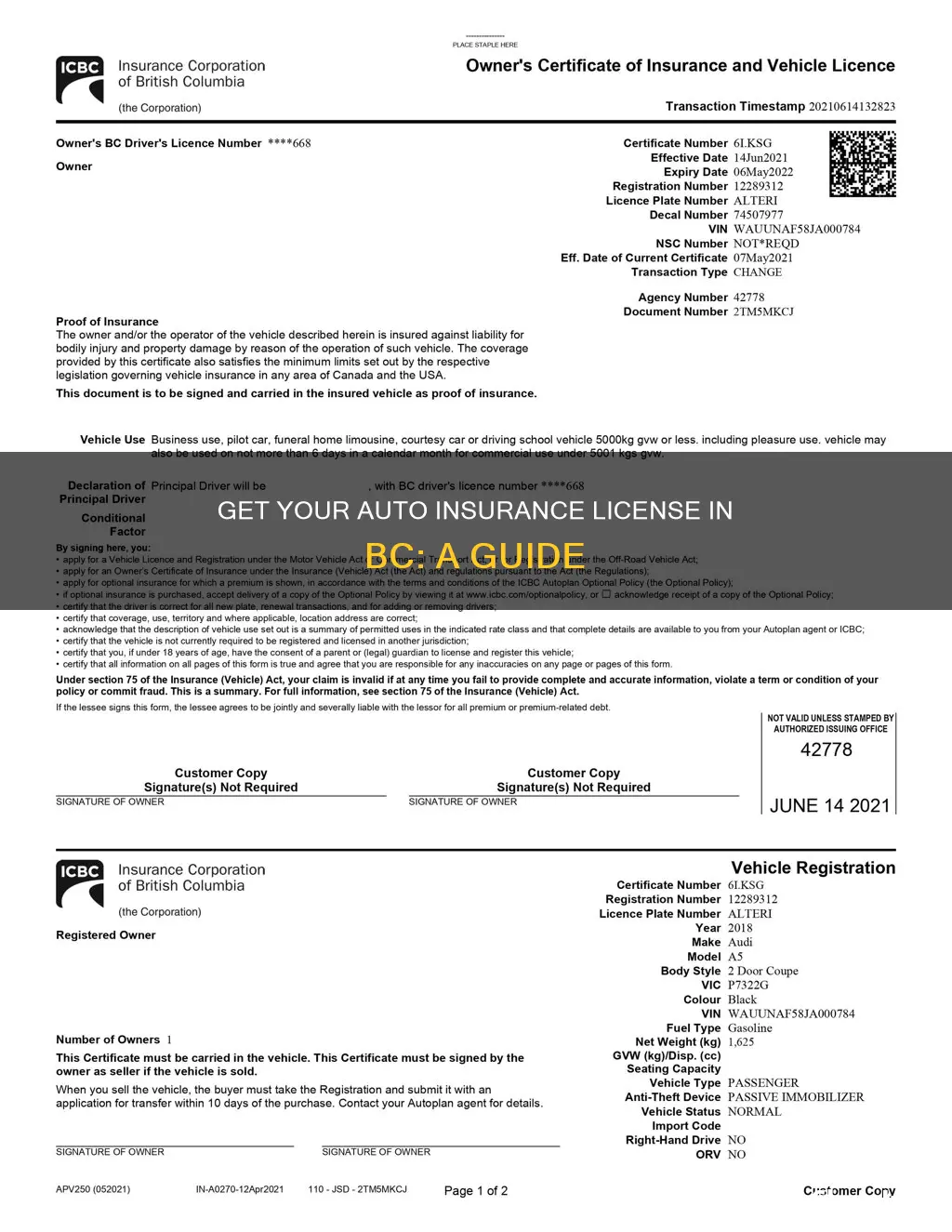
In British Columbia, the Insurance Corporation of British Columbia (ICBC) serves as the sole provider of mandatory basic insurance. This "Basic Autoplan" is the legal minimum required for any vehicle operated on public roads. In Duncan, as in the rest of the province, this system operates under a "no-fault" philosophy known as Enhanced Care.
Mandatory Basic Coverage
Every driver in Duncan must carry Basic Autoplan coverage, which currently includes several key components:
- Third-Party Liability: This covers you if you are responsible for an accident that causes property damage to others. As of 2026, the basic limit remains set at $200,000, though most Duncan drivers opt for much higher limits through optional insurance.
- Enhanced Accident Benefits: Under the no-fault model, these benefits provide medical care, rehabilitation, and wage loss replacement regardless of who caused the accident. This eliminates the need for most litigation between drivers.
- Underinsured Motorist Protection (UMP): This protects you if you are involved in an accident with a driver who does not have enough insurance to cover your claim.
- Inverse Liability Coverage: This covers you in specific jurisdictions where local laws might prevent you from claiming against a person who caused a crash.
The Enhanced Care model, which has been in place since 2021, focuses on providing comprehensive medical benefits. For Duncan residents, this means that even if a collision occurs on the narrow stretches of the Island Highway or during a rainy winter commute through the Cowichan Commons, access to physiotherapy, occupational therapy, and other recovery services is streamlined through ICBC.
Optional Insurance: Choosing Between ICBC and Private Carriers
While the basic coverage is mandatory and must be purchased through ICBC, Duncan residents have the freedom to shop around for "Optional Insurance." This is where the local market becomes competitive. Optional insurance includes extended third-party liability, collision, and comprehensive coverage.
ICBC Optional vs. Private Optional
Many local brokerages in Duncan, such as Westland Insurance, Hub International, and Island Savings Insurance, offer products from both ICBC and private insurers like Stratford, Family Insurance Solutions, or BCAA.
- Extended Third-Party Liability: Most drivers increase their liability to $2 million, $3 million, or even $5 million. This is particularly relevant for those who frequently commute to Victoria or Nanaimo, where the density of high-value vehicles is greater.
- Collision Coverage: This pays for repairs to your vehicle if you are at fault in a collision. In a no-fault system, your own collision coverage is what handles your vehicle's physical damage when you are responsible.
- Comprehensive Coverage: This protects against non-collision events such as theft, fire, vandalism, and—crucially for the Cowichan Valley—wildlife strikes. Duncan and the surrounding North Cowichan areas have high deer populations, making comprehensive coverage a high-priority item for local motorists.
- Specified Perils: A more limited version of comprehensive that covers only certain named risks.
| Feature | ICBC Optional | Private Private Carriers |
|---|---|---|
| Availability | Available to all BC drivers | Subject to company underwriting/eligibility |
| Pricing Strategy | Based on standardized province-wide metrics | Often use proprietary risk algorithms |
| Bundle Discounts | Multi-vehicle discounts may apply | May offer home+auto bundle discounts |
| Glass Coverage | Standard deductible options | Often lower deductibles or "free" chip repair |
| New Vehicle Protection | Replacement cost available for new cars | Competitive "gap" insurance equivalents |
| Roadside Plus | Includes theft deductible waiver, lock rekeying | Often includes more robust towing/roadside aid |
Factors Affecting Your Rates in Duncan
Insurance premiums in Duncan are not arbitrary; they are calculated based on a sophisticated "Driver Factor" introduced by ICBC and supplemented by private insurers' own data.
The Driver Factor
Your individual "Driver Factor" is a score that represents your risk on the road. A lower score (below 1.0) indicates a lower risk and results in lower premiums. This score follows the driver, not the vehicle, meaning your history in other provinces or even other countries (with verifiable records) can influence your Duncan rates.
Territory Rating (Territory D)
British Columbia is divided into rating territories. Duncan typically falls under Territory D (Vancouver Island - Other), which generally enjoys lower rates than Territory S (Greater Victoria) or Territory A (The Lower Mainland). Because the traffic density in the Cowichan Valley is lower than in major metropolitan hubs, residents often see a "geographic discount" reflected in their base rates.
Vehicle Use and Commuting
How you use your vehicle significantly impacts the cost.
- Pleasure Use: Defined as driving for errands and social activities, with a limited number of days permitted for commuting to work (usually up to 6 days per month).
- Commuting: If you drive from Duncan to a workplace in Langford or Nanaimo more than 6 days a month, you must declare this. The distance of the commute also matters; longer commutes attract higher premiums.
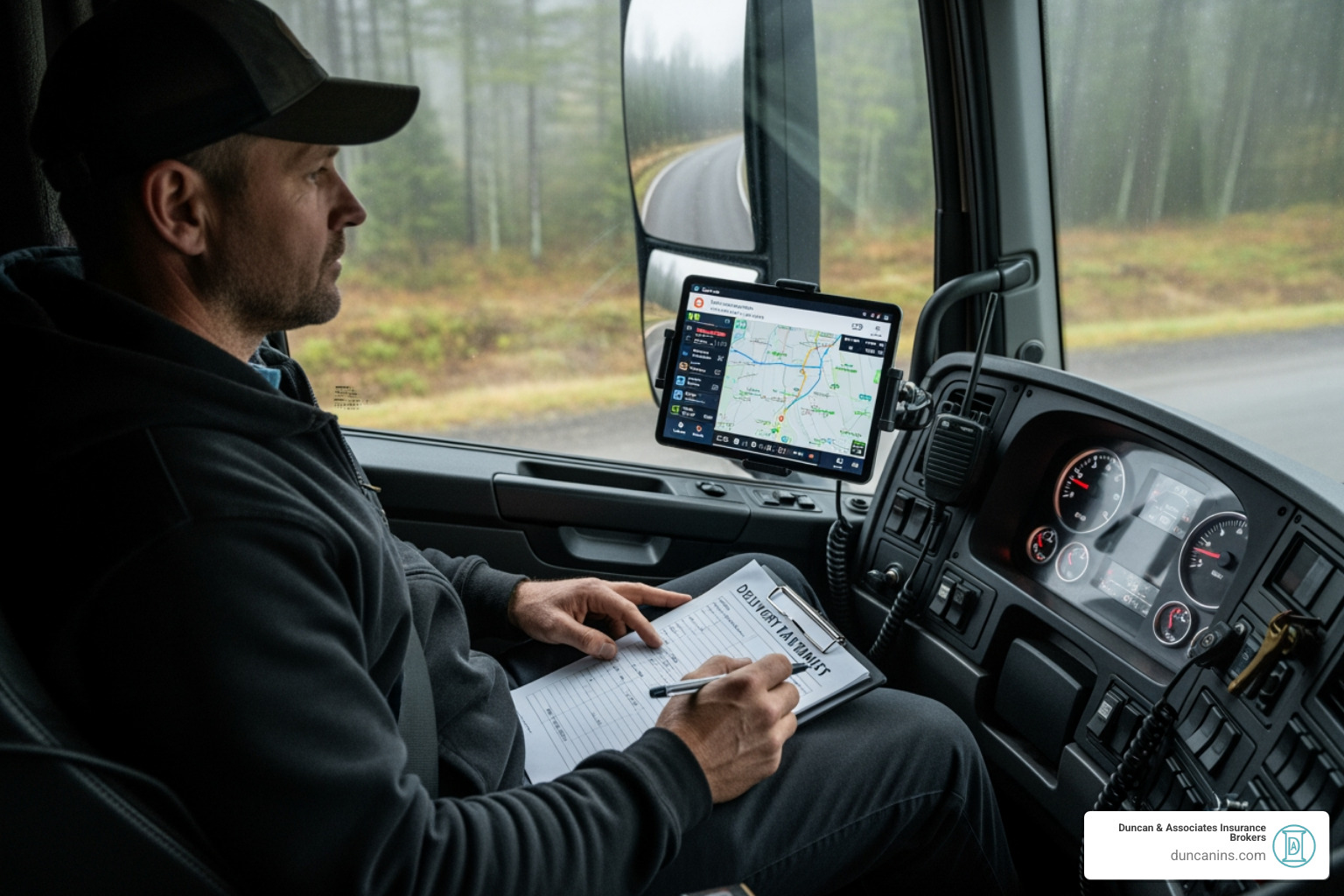
- Business Use: If the vehicle is used primarily for work (e.g., a real estate agent or a delivery driver), a business rate applies.
The Role of Duncan Insurance Brokers
Because the BC system is a hybrid, the role of a local broker is vital. In Duncan, insurance brokers act as intermediaries who can access the ICBC system while simultaneously quoting private options.
Why Use a Local Broker?
- Local Knowledge: Brokers in Duncan understand the specific risks of the region, such as the frequent fog in the Cowichan Flats or the specific winter tire requirements for the Malahat (Highway 1).
- Comparison Shopping: A broker can run your information through multiple private databases to see if you qualify for a lower rate than ICBC’s optional coverage.
- Claims Advocacy: While ICBC handles the claims process for basic insurance, a local broker can provide guidance and support if you need to navigate a complex claim involving private optional coverage.
- Digital and In-Person Hybrid: By 2026, most Duncan brokers offer online renewals for eligible ICBC policies, but they remain available for in-person consultations for complex changes or new vehicle registrations.
Notable Brokerages in Duncan
- Island Savings Insurance (First West): Deeply rooted in the local credit union system.
- Westland Insurance: Located in major shopping centers like Cowichan Commons.
- BCAA: Offers specialized rates for members and a dedicated service center in the region.
- Hub International: Known for handling both personal and commercial fleet insurance.
Saving Money on Auto Insurance in 2026
With the cost of living being a primary concern for many in the Cowichan Valley, finding ways to reduce insurance premiums is a priority.
Low-Mileage Discount
If you drive your vehicle less than 5,000 kilometers per year, you may be eligible for a significant discount from ICBC. This is particularly beneficial for retirees in Duncan or those who work from home and only use their vehicle for local trips to the Saturday Farmers’ Market or local grocery stores.
Advanced Safety Features
Vehicles equipped with factory-installed autonomous emergency braking (AEB) systems often qualify for discounts. In 2026, as these systems become standard on most newer vehicles, ensuring your broker has the correct VIN data is essential to capturing this saving.
Anti-Theft Incentives
While Duncan has a relatively lower vehicle theft rate than larger cities, installing an approved after-market anti-theft device or having a vehicle with a high-grade factory immobilizer can still yield small reductions in comprehensive premiums.
Seniors' Discount
Drivers aged 65 and older who use their vehicle for pleasure only can access specific rate reductions, provided there are no high-risk drivers listed on the policy.
Specialized Insurance Needs in the Cowichan Valley
Duncan is a hub for diverse lifestyles, which often requires more than just standard "commuter" insurance.
Recreational Vehicles and Trailers
With the proximity to Lake Cowichan and numerous campsites, many Duncan residents own RVs or travel trailers. These require specific riders. While ICBC provides basic liability, many residents prefer private specialty insurers for "Total Loss Replacement" or "Personal Effects" coverage within the trailer.
Classic and Collector Cars
The Cowichan Valley has a vibrant classic car community. If you own a vintage vehicle that is at least 25 years old and maintained in original condition, you may qualify for Collector Plates. These plates offer significantly lower premiums but come with strict usage restrictions (no commuting or business use).
Business and Commercial Fleets
For the many small businesses in Duncan—from tradespeople to boutique shops—commercial auto insurance is a necessity. This includes "Garage Policies" for repair shops and fleet ratings for businesses with five or more vehicles.
Frequently Asked Questions
Can I renew my Duncan auto insurance online?
Yes, as of 2026, most ICBC renewals can be completed online through the ICBC website or your local broker's portal, provided you do not have any major changes to your policy (such as changing the primary driver or adding a commercial use). However, optional insurance through private carriers may still require a brief digital signature process or a phone consultation with a broker.
Does my ICBC insurance cover me if I drive to the United States?
Yes, your ICBC Basic and Optional insurance extends to the United States. However, because US liability awards can be significantly higher than those in Canada, brokers in Duncan strongly recommend carrying at least $5 million in Third-Party Liability if you plan to drive across the border.
What happens if I hit a deer in North Cowichan?
Wildlife strikes are covered under the Comprehensive portion of your insurance. Because BC is a no-fault province for injuries, your medical needs are covered by Enhanced Care. The damage to your vehicle will be covered if you have Comprehensive coverage, subject to your chosen deductible. This type of claim generally does not affect your Driver Factor or your premium.
Is the "Malahat" considered a special risk for insurance?
While the Malahat (Highway 1) is a challenging stretch of road, ICBC and private insurers do not charge a specific "Malahat surcharge." However, your territory rating is based on where the vehicle is primarily parked at night. If you live in Duncan but commute over the Malahat to Victoria daily, you must declare "Commuting" use, which carries a higher rate than "Pleasure" use.
How do I switch from ICBC optional to private optional insurance?
You can make this switch at the time of your annual renewal. You will still pay ICBC for your Basic coverage, but your broker will issue a separate policy for your Collision and Comprehensive through a private company. Your broker will handle the paperwork to ensure there are no gaps in coverage.
Summary of Next Actions
To ensure you have the best possible auto insurance in Duncan for 2026, consider the following steps:
- Review Your Annual Mileage: If you've moved closer to work or started working from home, check if you fall under the 5,000 km threshold for the low-mileage discount.
- Compare Private Quotes: Before your next renewal, ask a Duncan-based broker to compare ICBC’s optional rates with at least two private carriers.
- Update Your Driver List: Ensure all household members who drive the car are listed. Under the current model, unlisted drivers who cause a crash can result in a "Unlisted Driver Accident Contribution" (a financial penalty).
- Confirm Your Usage: If your commute has changed—for example, if you are now commuting to Nanaimo instead of staying within Duncan—update your policy to avoid a potential claim denial.
For more information on provincial regulations and the Enhanced Care model, you can visit the official ICBC website or consult the British Columbia Financial Services Authority (BCFSA) for oversight details on private insurers.
Image Gallery