Can a Mattress Be Salvaged After Mold Remediation?
In most cases, a mattress cannot be safely salvaged after mold remediation due to its high porosity. While professional cleaning can address surface spores, mold often penetrates the deep internal foam and fiber layers where cleaners c...
In most cases, a mattress cannot be safely salvaged after mold remediation due to its high porosity. While professional cleaning can address surface spores, mold often penetrates the deep internal foam and fiber layers where cleaners cannot reach. Because of the significant health risks and the high probability of recurrence, disposal is the standard recommendation.
Contents
Mold growth in a home is a distressing event, and when it reaches personal items like furniture and bedding, the financial and emotional toll increases. If you have recently undergone professional mold remediation in your home, you may be wondering if your mattress—often one of the most expensive items in a bedroom—is worth saving. While the short answer is usually "no," understanding the technical reasons behind this recommendation can help you make an informed decision for your health and your wallet in 2026.
The Science of Porosity and Mattress Contamination
To understand why mattresses are rarely salvageable, one must first look at the physics of mold growth and the structural composition of modern bedding. Mattresses are classified as highly porous materials. Whether they are made of memory foam, poly-foam, latex, or contain traditional innersprings with cotton batting, they are designed with millions of microscopic air pockets to provide breathability and support.
When mold spores land on a mattress, they don't just sit on the surface. If moisture is present—whether from a flood, a leak, or high indoor humidity—the mold utilizes the organic components of the mattress (such as cotton, wool, or even the dust and skin cells trapped within the fibers) as a food source. The hyphae, or root-like structures of the mold, grow deep into the core of the mattress.
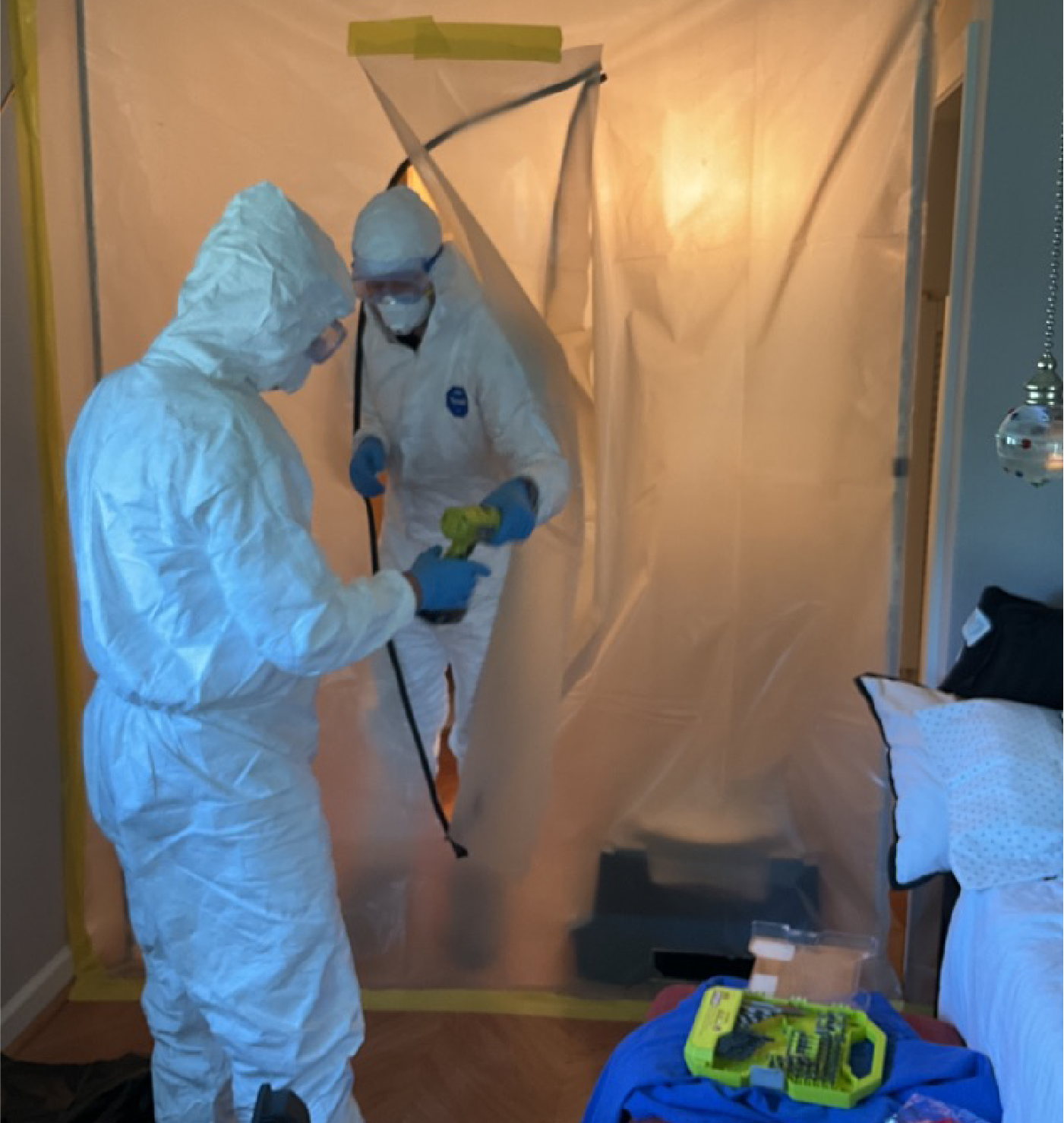
Professional remediation of a room involves HEPA vacuuming and air scrubbing to remove airborne spores, but these methods are largely ineffective for the internal layers of a mattress. Even if a professional uses antimicrobial sprays, these liquids typically only penetrate the top few millimeters of the fabric cover. The "heart" of the mattress remains a reservoir for dormant spores and mycotoxins, which can reactivate the moment humidity levels rise again.
IICRC S520 Standards for Porous Materials
The Institute of Inspection Cleaning and Restoration Certification (IICRC) publishes the S520, which is the gold standard for professional mold remediation. As of 2026, these standards remain firm regarding "Condition 3" (actual mold growth) on porous materials.
According to the IICRC S520, porous materials that have supported active mold growth should generally be removed and discarded. This is because "cleaning" these items often results in an incomplete removal of the microbial biomass. While hard surfaces like metal or glass can be effectively decontaminated, mattresses fall into the category of items where the cost and effort of "deep cleaning" rarely result in a truly sterile or safe product.
For homeowners, this means that even if a remediation company offers to "clean" the mattress, they are often performing a cosmetic service rather than a structural decontamination. If the mold was caused by "Category 3" water (sewage or groundwater), the IICRC mandates disposal due to the presence of pathogens that cannot be neutralized within foam structures.
Evaluating Salvageability: When is it Possible?
While the general rule is to discard, there are very specific, narrow circumstances where a mattress might be considered for salvaging. These exceptions require immediate action and professional assessment.
1. The Duration of Exposure
Mold needs approximately 24 to 48 hours of moisture to begin colonizing a surface. If a mattress was in a room with a mold problem but was never directly wet and the indoor humidity was kept low, it may only have settled spores on the surface (Condition 2). In this specific scenario, a thorough professional HEPA vacuuming of the exterior and a replacement of the removable cover might suffice.
2. Surface-Only Growth on Synthetic Covers
Some modern mattresses come with specialized, non-porous, medical-grade, or highly water-resistant covers. If the mold is strictly limited to a detachable, washable cover and has not penetrated the underlying foam, the core might be saved. However, this requires a "white-glove" inspection of the foam beneath the zipper to ensure no spotting or musty odors are present.
3. High-Value Specialty Items
In rare cases involving extremely expensive customized orthopedic mattresses, a specialized restoration company might attempt a "deep-soak" or "gas-phase" decontamination using hydroxyl generators or specialized ozone chambers. However, the chemicals used in these processes can sometimes break down the cellular structure of memory foam, leading to a loss of support and comfort, essentially ruining the mattress's primary function.
The Hidden Risks: Mycotoxins and MVOCs
The danger of a moldy mattress isn't just the visible fungi; it's the chemical byproducts. Mold produces Mycotoxins (toxic secondary metabolites) and Microbial Volatile Organic Compounds (MVOCs). These are the substances responsible for that "musty" smell.
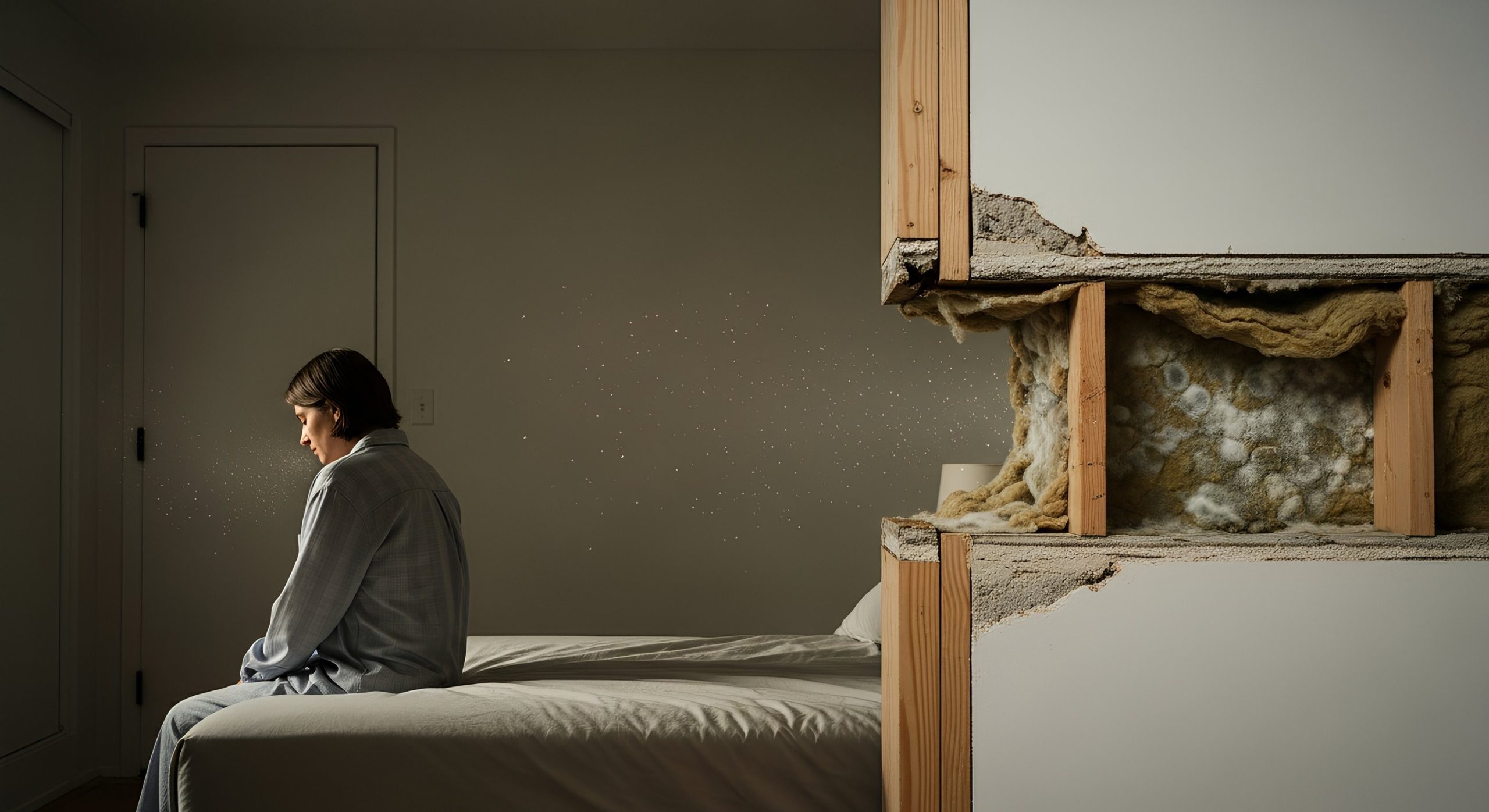
Even if you kill the mold, the mycotoxins can remain embedded in the mattress fibers. When you lay on the mattress, the "bellows effect"—the air pushed out of the mattress when you sit down—forces these toxins and dried spores directly into your breathing zone. For individuals with asthma, allergies, or Chronic Inflammatory Response Syndrome (CIRS), sleeping on a "remediated" mattress can lead to chronic respiratory issues, skin rashes, and sleep disturbances.
| Mattress Type | Porosity Level | Salvage Potential | Primary Risk Factor |
|---|---|---|---|
| Memory Foam | High | Extremely Low | Deep core spore entrapment and chemical degradation during cleaning. |
| Innerspring | Medium | Low to Moderate | Rusting of coils and mold growth in cotton/wool padding layers. |
| Latex | Medium-Low | Low | Microbial growth in the pin-core air channels; difficult to dry if wet. |
| Hybrid | High | Low | Multiple layers create "pockets" where moisture and spores hide. |
| Air Bed (e.g., Sleep Number) | Variable | Moderate (Parts only) | Outer fabric usually needs replacement; internal air bladders can often be cleaned. |
Professional Remediation vs. DIY Cleaning
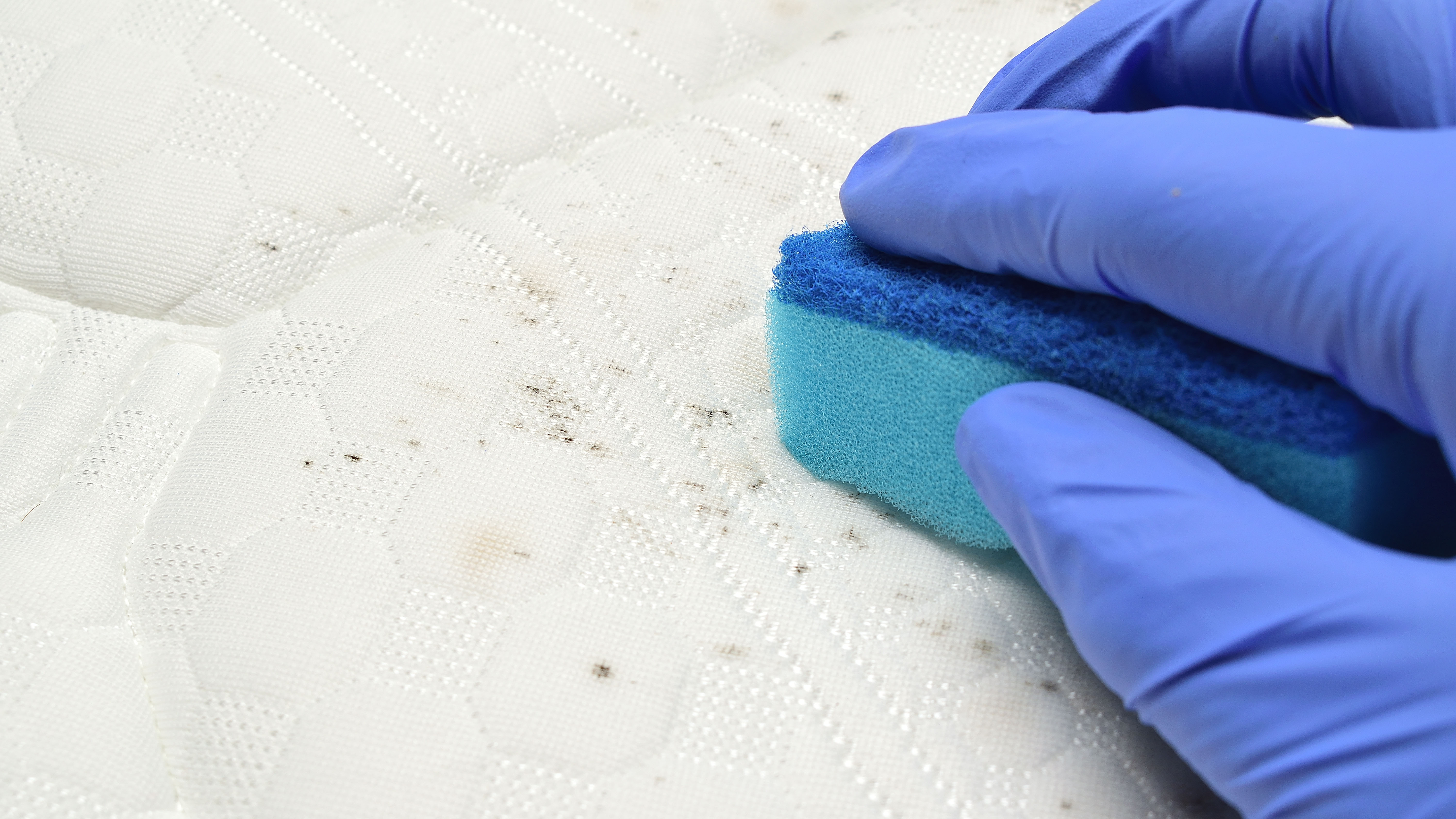
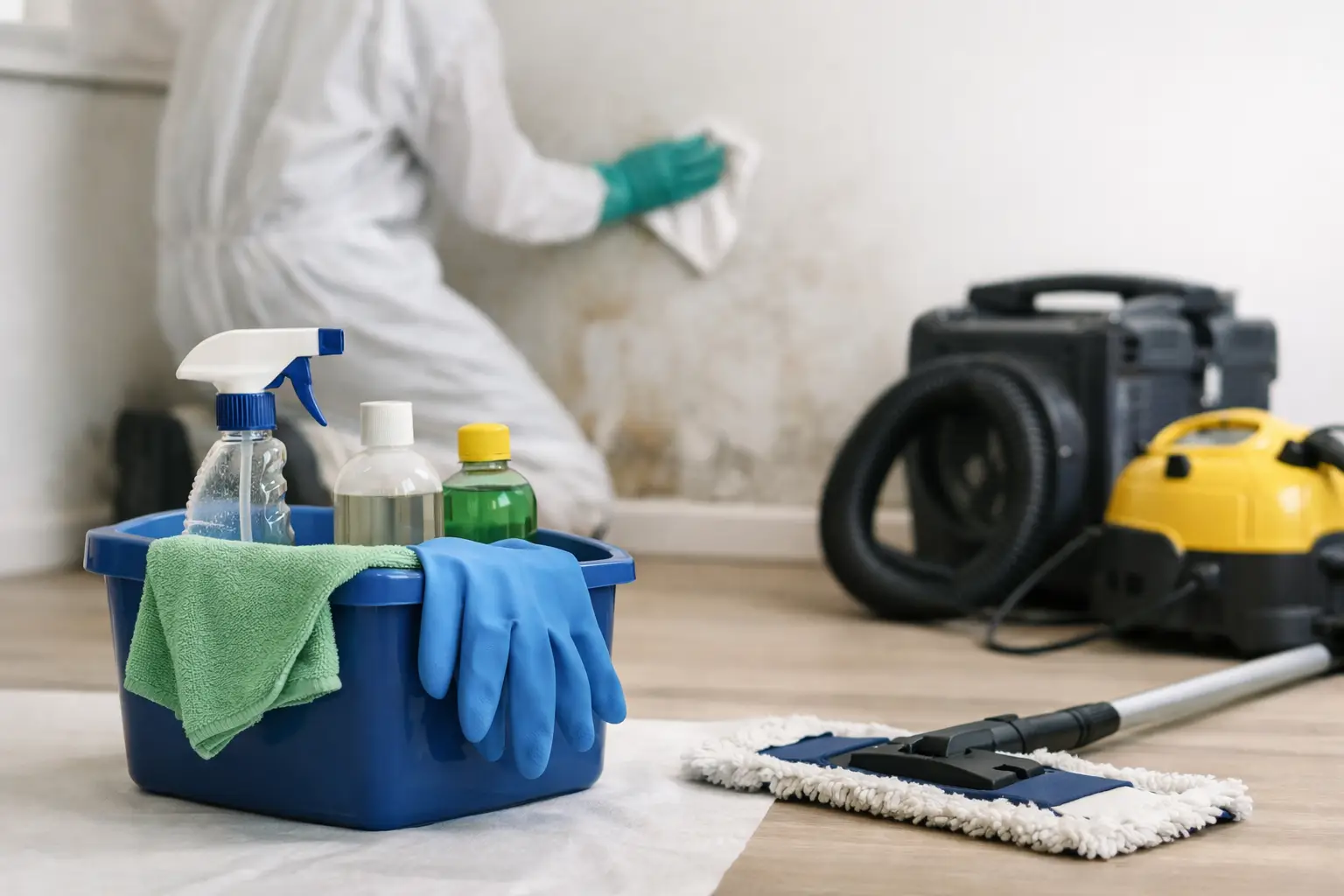
Many homeowners attempt to save money by using DIY solutions like vinegar, baking soda, or hydrogen peroxide. While these household chemicals can kill certain types of surface mold, they are fundamentally incapable of reaching the interior of a mattress.
Furthermore, adding more liquid to a mattress that already has a mold problem is often counterproductive. Mattresses are notoriously difficult to dry; if you saturate the top layers with a cleaning solution and fail to dry it completely within a few hours, you are simply providing a fresh water source for the remaining spores to thrive. Professional remediation equipment, such as industrial-grade dehumidifiers and centrifugal air movers, is necessary to dry a mattress, and the cost of renting or hiring this service often exceeds the value of a mid-range mattress.
The Financial Reality: Cleaning vs. Replacement
In 2026, the average cost of a high-quality queen-sized mattress ranges from $800 to $2,500. Conversely, professional restoration services for furniture can cost between $300 and $600 per item, with no guarantee of success.
From an insurance perspective, if your mold issue was caused by a covered peril (such as a sudden pipe burst), your homeowners' insurance policy may cover the "replacement cost" of the mattress. Adjusters are often more willing to pay for a new mattress than to risk the liability of a health claim resulting from an improperly cleaned one. Always check your policy's "Mold Limitation" or "Fungi, Wet or Dry Rot" endorsements.
Prevention After Remediation
If you decide to replace your mattress after a mold event, prevention is key to ensuring the new one stays safe.
- Use a Waterproof Protector: A high-quality, six-sided encasement prevents moisture, skin cells, and spores from entering the mattress core.
- Maintain Humidity Levels: Keep your bedroom humidity between 30% and 50%. Use a hygrometer to monitor this in 2026.
- Improve Airflow: Avoid pushing your bed directly against an exterior wall, which can create a "cold spot" where condensation and mold thrive.
- Use a Slatted Base: Ensure your mattress sits on a base that allows air to circulate underneath it, preventing moisture buildup from body heat.
FAQ
Can I use a mattress if the mold was in a different room?
Yes, but with caution. If your HVAC system was running during the mold event, spores could have been transported throughout the house. Have the mattress professionally HEPA-vacuumed and consider replacing the bedding and pillows. If you do not have respiratory sensitivities, the mattress is likely fine as long as the humidity in the bedroom remained low.
Will a UV light kill mold inside a mattress?
No. UV-C light is effective at killing mold on surfaces it can directly hit. However, UV rays cannot penetrate the fabric cover or the dense foam layers of a mattress. It is a surface treatment only and will not solve an internal mold problem.
Does steam cleaning a mattress kill mold?
Steam cleaning can kill mold spores with heat, but it also introduces significant moisture into the mattress. Without industrial drying equipment, steam cleaning often creates a better environment for mold to return. Most experts advise against steam cleaning a mattress that has had a mold infestation.
Is "black mold" on a mattress more dangerous than other types?
While Stachybotrys chartarum (often called black mold) is known for producing mycotoxins, many other types of mold like Aspergillus or Penicillium can also cause significant health issues. Regardless of the color, any mold growth on a mattress should be treated as a serious health hazard.
How do I know if the mold is "gone" from a mattress?
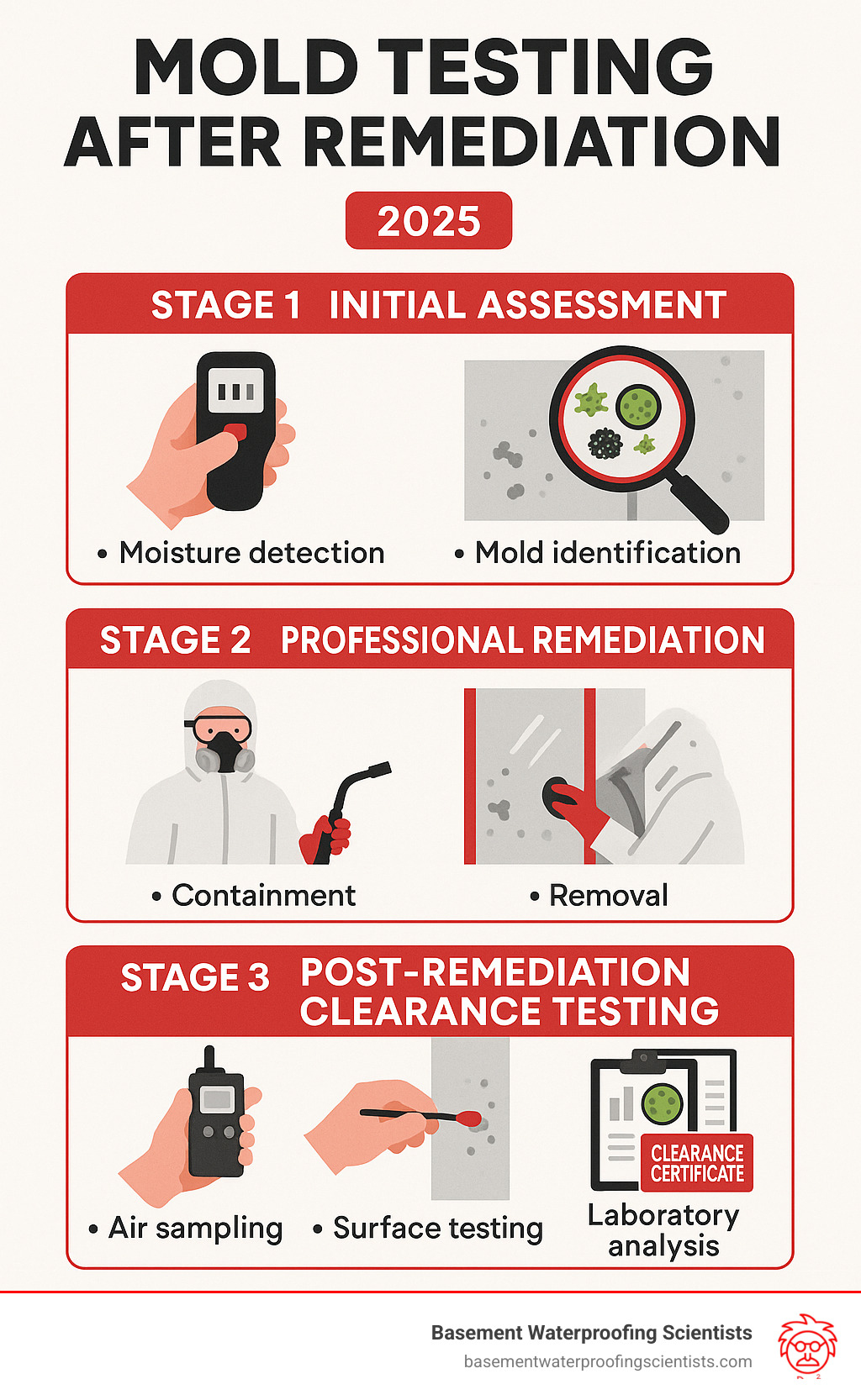
There is no definitive home test to prove a mattress is 100% mold-free internally. Professional "tape lift" or "air samples" can tell you what is on the surface or in the immediate air, but they cannot see inside the foam core. If the musty smell persists, the mold is still present and active.
Practical Recommendation
If you discover mold on your mattress or if it was present in a room undergoing heavy remediation, the safest and most cost-effective action is to dispose of the mattress. The structural complexity of mattresses makes them a "dead end" for effective cleaning. To protect your respiratory health and ensure the mold does not return to your newly remediated home, invest in a new mattress and protect it with a high-quality, waterproof, six-sided encasement. If you have a high-value specialty bed, consult an IICRC-certified restorer, but be prepared for a recommendation to replace rather than repair.
Image Gallery