Cost to Install Gutter Screens in the US: 2026 Cost Guide
In the United States, the average cost to install gutter screens ranges from $600 to $2,000 for a standard single-family home with 150 to 200 linear feet of gutters. Most homeowners pay roughly $4.50 to $12.00 per linear foot for mater...
In the United States, the average cost to install gutter screens ranges from $600 to $2,000 for a standard single-family home with 150 to 200 linear feet of gutters. Most homeowners pay roughly $4.50 to $12.00 per linear foot for materials and professional installation combined, depending on the screen material, roof height, and debris type.
Contents
National Average Gutter Screen Costs in 2026
Gutter screens—often referred to interchangeably with gutter guards or leaf filters—are designed to permit water entry into the channel while keeping out leaves, twigs, seed pods, and pine needles. The final cost of a gutter screen project depends primarily on the material quality, total linear footage, and installation complexity.
For standard residential installations:
- Low-End Cost Range (DIY Vinyl / Plastic): $150 – $400 total ($1.00 – $3.00 per linear foot, self-installed)
- Mid-Range Cost Range (Professional Aluminum Mesh): $650 – $1,400 total ($4.50 – $9.00 per linear foot installed)
- High-End Cost Range (Professional Micro-Mesh or Specialty Metals): $1,500 – $3,200+ total ($10.00 – $20.00+ per linear foot installed)
The typical American home features between 120 and 200 linear feet of rain gutters. Larger multi-story homes or complex architectural designs with multiple gables and valleys can require 250 to 400 linear feet or more, increasing overall project costs proportionally.
Cost Breakdown by Gutter Screen Material and Type
The physical material of the gutter screen is the most significant factor driving the cost of materials. Gutter screens are manufactured from various materials ranging from basic PVC plastic to heavy-duty stainless steel mesh.
| Gutter Screen Type | Description |
|---|---|
| Vinyl / Plastic Drop-In | Basic, economical, prone to UV degrade |
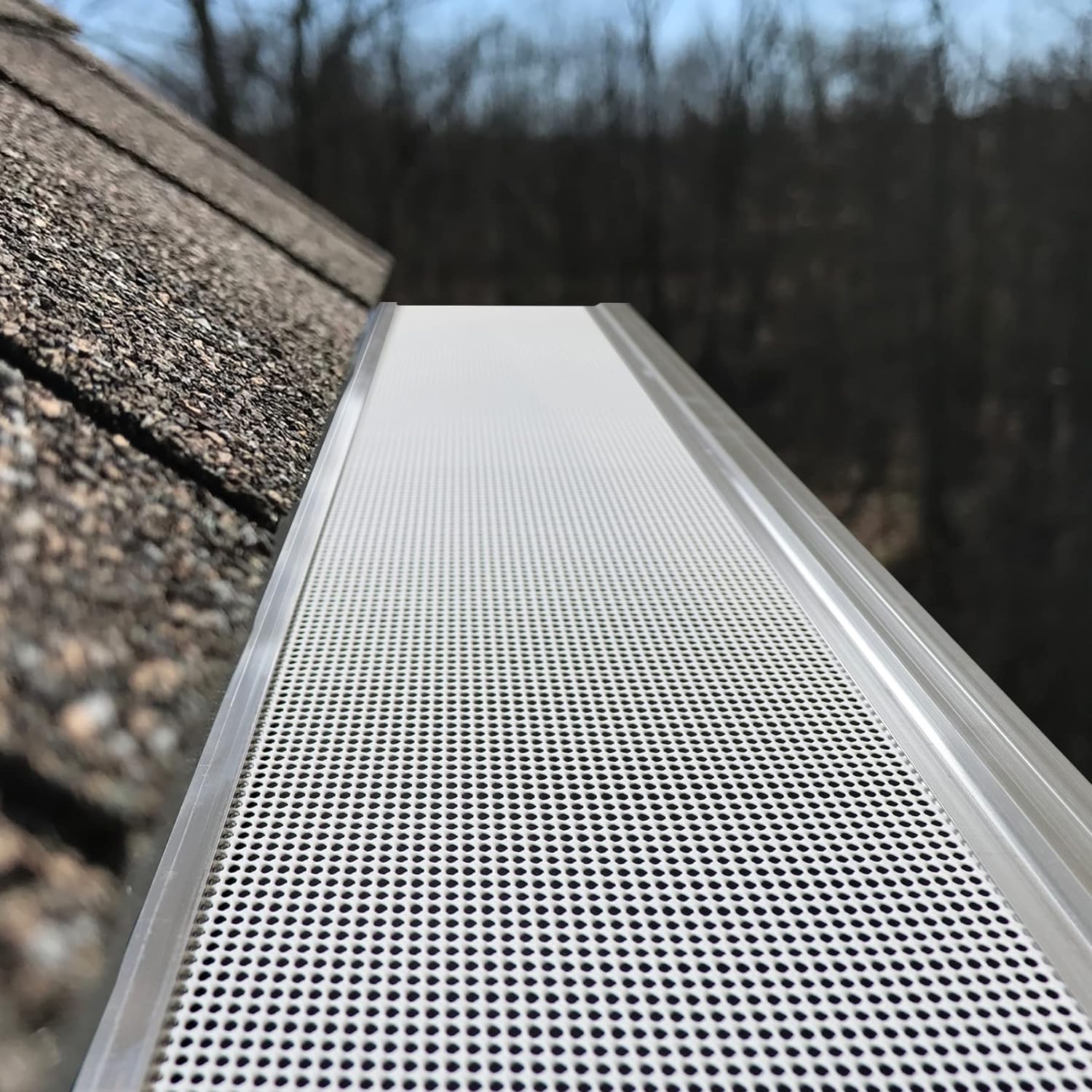
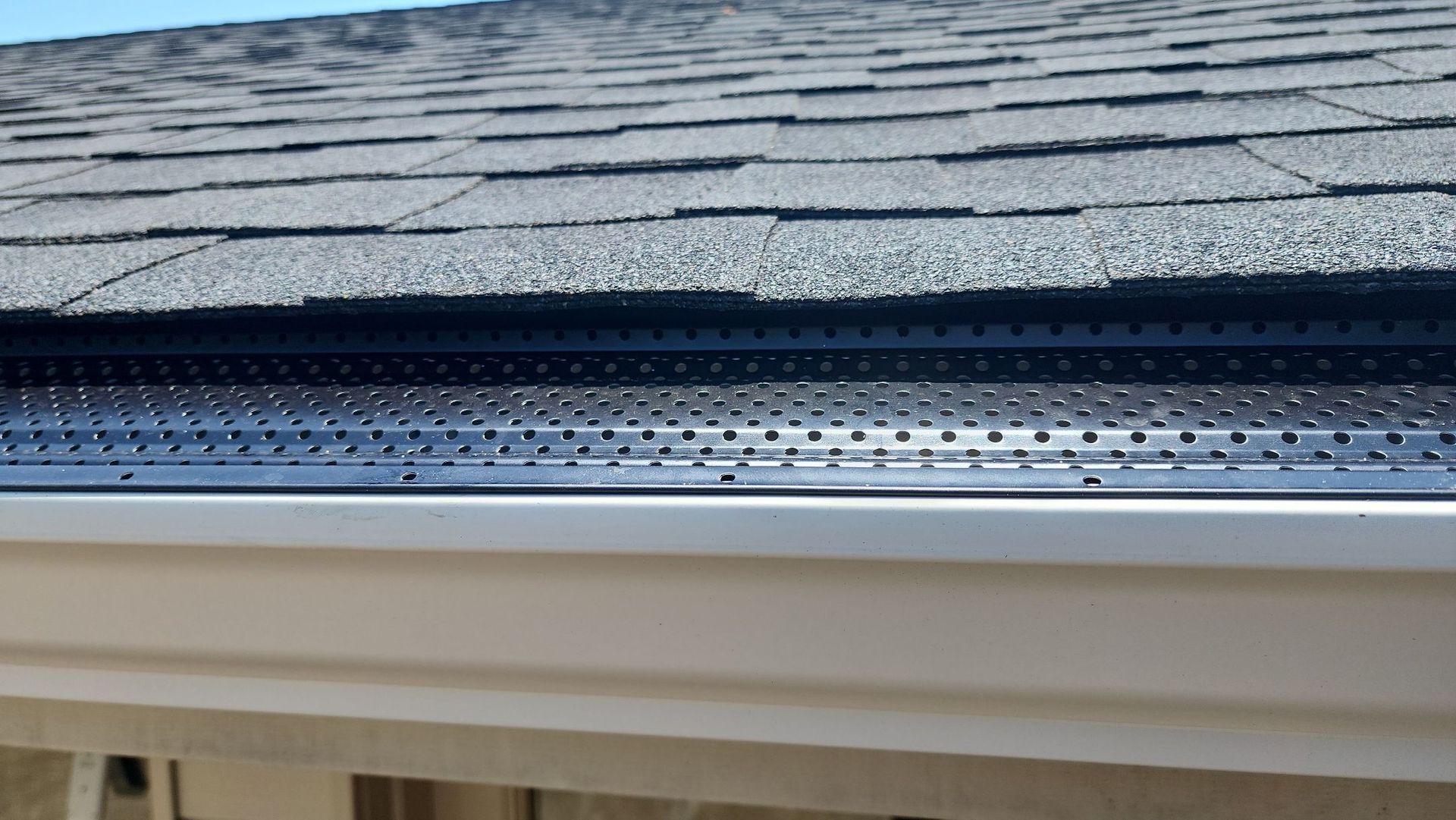
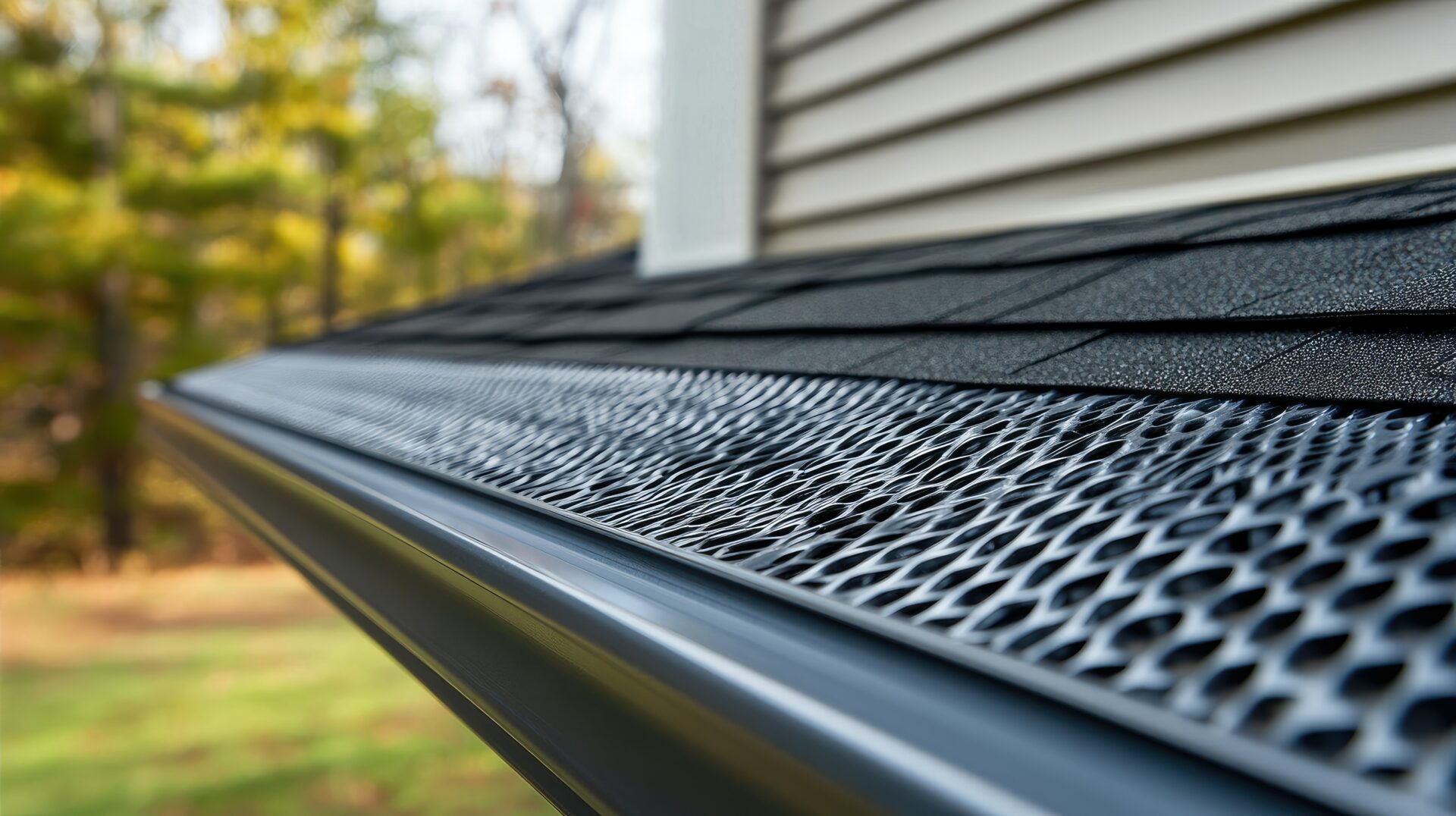
| Expanded Aluminum Mesh | Durable, rust-resistant, good for leaves |
| Stainless Steel Micro-Mesh | Best performance, traps small debris/grit |
| Copper & Architectural Metals | Premium aesthetic, long life, high cost |
1. Vinyl and PVC Plastic Screens
- Material Cost: $0.50 – $1.50 per linear foot
- Installed Cost: $3.00 – $5.50 per linear foot
- Lifespan: 3 – 7 years
Vinyl screens are the most affordable option on the market. They usually snap onto the front edge of the gutter and slide under the shingle line. While budget-friendly, vinyl can warp or become brittle when exposed to extreme summer heat or intense winter freezing cycles. They work well for large leaves but allow smaller pine needles and shingle granules to pass through.
2. Expanded Aluminum Mesh Screens
- Material Cost: $1.50 – $3.50 per linear foot
- Installed Cost: $4.50 – $9.00 per linear foot
- Lifespan: 10 – 15 years
Aluminum screen panels feature stamped or expanded metal patterns that clip or screw directly into the gutter system. Aluminum resists rust and handles heavy snow loads much better than plastic. These screens are effective against maple seeds, large oak leaves, and general storm debris.
3. Stainless Steel Micro-Mesh Screens
- Material Cost: $3.50 – $8.50 per linear foot
- Installed Cost: $8.00 – $18.00 per linear foot
- Lifespan: 15 – 25+ years
Stainless steel micro-mesh consists of an aluminum or stainless steel frame supporting a finely woven steel mesh screen (often rated down to 500 microns or smaller). This design prevents micro-debris, pine needles, roof shingle grit, and oak tassels from entering the gutter while maintaining high water flow rates. While more expensive upfront, micro-mesh requires less frequent manual maintenance.
4. Copper and Specialty Alloy Screens
- Material Cost: $6.00 – $14.00 per linear foot
- Installed Cost: $12.00 – $25.00+ per linear foot
- Lifespan: 30+ years
Designed to match high-end copper gutter installations, copper mesh screens will not corrode and develop a natural green patina over time. They are strictly customized or specialty products, priced at a premium for luxury homes or historic restorations.
Summary Comparison of Gutter Screen Costs
The table below outlines average costs across standard linear footage tiers for common residential properties in the United States.
| Screen Type | Material Cost (per linear ft.) | Installed Cost (per linear ft.) | 100 Linear Feet (Small Home) | 150 Linear Feet (Medium Home) | 200 Linear Feet (Large Home) | Key Advantages |
|---|---|---|---|---|---|---|
| Vinyl / Plastic Snap-In | $0.50 – $1.50 | $3.00 – $5.50 | $300 – $550 | $450 – $825 | $600 – $1,100 | Lowest cost, easy DIY installation |
| Expanded Aluminum | $1.50 – $3.50 | $4.50 – $9.00 | $450 – $900 | $675 – $1,350 | $900 – $1,800 | Rust-proof, mid-tier durability |
| Stainless Micro-Mesh | $3.50 – $8.50 | $8.00 – $18.00 | $800 – $1,800 | $1,200 – $2,700 | $1,600 – $3,600 | Blocks pine needles & shingle grit |
| Copper Mesh | $6.00 – $14.00 | $12.00 – $25.00+ | $1,200 – $2,500 | $1,800 – $3,750 | $2,400 – $5,000+ | Matches architectural copper systems |
Primary Factors Influencing Overall Installation Costs
Several structural and geographical factors influence the final cost of a gutter screen installation. Understanding these variables helps ensure accurate budgeting before soliciting professional bids.
1. Home Height and Accessibility
Labor costs increase when contractors must work on elevated surfaces.
- Single-Story Homes: Standard labor rates apply because installers can access gutters quickly using basic ladders.
- Two-Story Homes: Labor costs typically increase by 15% to 25% due to setup time, safety harnesses, and ladder placement constraints.
- Three-Story or Steep-Sloped Homes: Labor can increase by 30% to 50% because of additional safety requirements, staging setup, or specialized maneuvering around steep rooflines.
2. Roof Pitch and Complexity
Roof pitch (steepness) determines how water flows off the roof decking and into the gutter screen. Steep roofs (e.g., 8/12 pitch or greater) require specialized mounting techniques to prevent rainwater from cascading directly over the screen edge during heavy storms. Complex rooflines with multiple dormers, hips, and valleys demand extra cutting, fitting, and custom flashing, which increases labor time.
3. Existing Gutter Condition and Prep Work
Gutter screens cannot be installed effectively over damaged, sagging, or clogged gutters. Before attaching screens, contractors must inspect and prepare the baseline system:
- Gutter Cleaning: Pre-installation cleanouts add $100 to $250 if the gutters are full of debris.
- Re-pitching or Securing Gutters: Realigning sagging gutters or replacing loose hidden hangers costs $1.50 to $4.00 per linear foot.
- Gutter Replacement: If current gutters are severely rusted or cracked, replacing them completely costs $6 to $20 per linear foot prior to screen installation.
4. Regional Economic Variations
Contractor labor rates vary significantly across different regions in the US:
- Metropolitan & Coastal Areas (e.g., California, New York, Pacific Northwest): High labor rates mean installation costs lean toward the upper end of standard ranges ($8 to $18+ per linear foot installed).
- Midwest & Southern Regions: Lower prevailing labor costs often yield lower overall quotes ($4 to $10 per linear foot installed).
DIY vs. Professional Installation
Deciding whether to install gutter screens yourself or hire a professional comes down to budget, comfort with ladder safety, and the type of product chosen.
The DIY Approach
Purchasing plastic or basic aluminum mesh drop-in screens from home improvement stores costs roughly $100 to $400 for materials for a typical home.
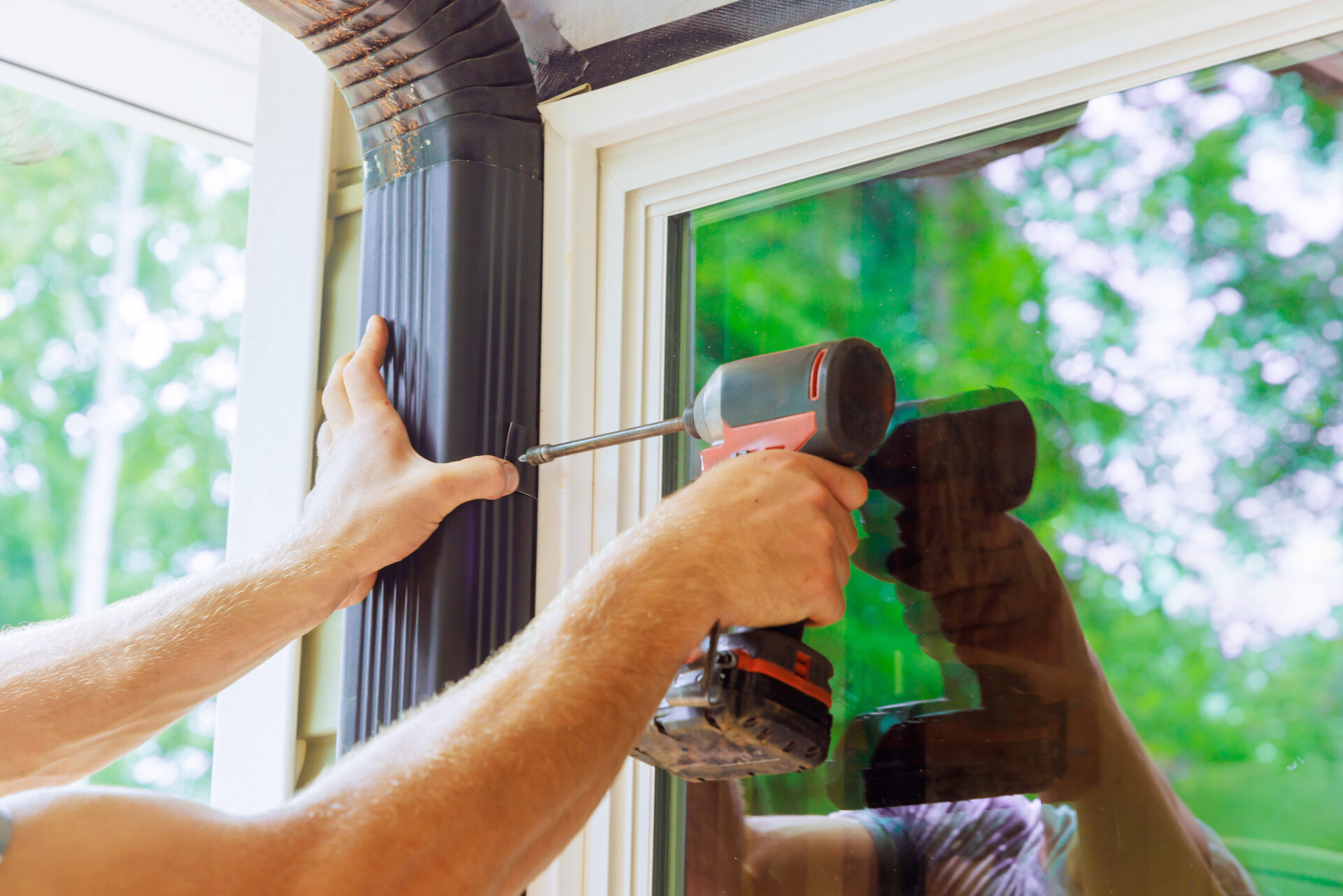
- Pros: Eliminates labor costs; straight snap-in or drop-in designs require simple hand tools like tin snips and work gloves.
- Cons: High risk of ladder-related falls; improper installation beneath asphalt shingles can void roof manufacturer warranties; DIY screens often lack long-term structural support.
Professional Installation
Hiring a licensed roofing or gutter contractor ensures proper pitch adjustment, secure fastening, and product longevity.
- Pros: Includes system inspection, professional alignment, and warranty protection; high-grade stainless micro-mesh systems often require factory-authorized installers; safer project completion.
- Cons: Higher upfront expense ($600 to $3,000+); potential for aggressive sales tactics from nationwide branded guard franchises.
Additional Costs and Considerations
When budgeting for a gutter screen project, account for these frequently overlooked costs:
- Downspout Protection: Installing strainers or splash blocks at downspout exits adds $10 to $35 per downspout.
- Fascia Board Repairs: Rotting wood behind the gutters must be repaired before installing screens; fascia board replacement costs $6 to $15 per linear foot.
- Heating Cables: In cold climates prone to ice dams, installing self-regulating heat tape beneath or alongside micro-mesh screens costs $12 to $25 per linear foot.
- Tree Trimming: Overhanging branches should be trimmed back to reduce debris fall; professional tree trimming adds $200 to $800 depending on tree size.
Choosing the Right Screen for Your Debris Type
Selecting the right screen material depends largely on the vegetation surrounding your home:
- Deciduous Trees (Oak, Maple, Birch): Standard expanded aluminum mesh works well. Leaf debris sits on top of the screen and typically blows away when dry.
- Coniferous Trees (Pine, Spruce, Fir): Pine needles easily slide through basic expanded mesh gaps. Stainless steel micro-mesh is recommended to keep slender needles out.
- Nearby Trees with Small Seeds (Pollen, Oak Tassels, Pods): Micro-mesh is necessary. Standard mesh screens will clog quickly, forcing water to spill over the gutter edge.
Frequently Asked Questions
Do gutter screens eliminate the need to clean gutters entirely?
No gutter guard system is 100% maintenance-free. While quality screens reduce gutter cleanings from twice a year to once every few years, fine silt, pollen, and roof shingle grit can eventually build up on top of or inside the mesh. Periodic brushing or light pressure rinsing off the top of the screens remains necessary.
Will installing gutter screens under shingles void my roof warranty?
It depends on the screen style and roof manufacturer. Guards that slide deep under the first row of asphalt shingles without proper attachment can lift shingles and violate installation guidelines from companies like GAF or Owens Corning. Choose fascia-mounted screens or Guards designed with thin edge-flanges that do not compromise the shingle seal.
How long do gutter screens typically last?
Plastic or vinyl screens typically last 3 to 7 years before brittle cracking occurs. Heavy-duty aluminum mesh panels last 10 to 15 years, while high-grade stainless steel micro-mesh systems routinely last 20 to 25 years or longer.
Are gutter screens effective against heavy winter snow and ice?
Expanded aluminum and stainless steel micro-mesh handles snow loads well, but heavy ice can melt and freeze over top of the screens, forming temporary icicles. In regions with severe freezing conditions, installing heating cables alongside gutter screens prevents ice dam formation.
Recommended Next Steps
- Measure Your Gutter System: Take precise measurements of your home's perimeter or count gutter sections to establish an accurate linear footage estimate.
- Assess Surrounding Trees: Determine whether your roof receives large deciduous leaves, fine pine needles, or heavy roof granule runoff to choose between expanded metal and micro-mesh.
- Inspect Existing Gutters: Check for rust, sagging spots, loose fasteners, and rotted fascia boards before requesting installation estimates.
- Obtain Multiple Quotes: Request written estimates from at least three licensed, insured gutter or roofing contractors, ensuring quotes detail whether gutter cleaning and pre-repairs are included.
Image Gallery