Understanding Atlanta Demographics: Is Atlanta Still a Majority Black City?
As of 2026, the City of Atlanta is no longer "majority Black" in strict mathematical terms, though it remains a plurality Black city. Recent data indicates the Black population comprises approximately 46% to 47% of the city’s residents...
As of 2026, the City of Atlanta is no longer "majority Black" in strict mathematical terms, though it remains a plurality Black city. Recent data indicates the Black population comprises approximately 46% to 47% of the city’s residents. While Black residents remain the largest single racial group, the city crossed the threshold below 50% shortly after the 2020 Census due to rapid urban development and shifting migration patterns.
Contents
The Historical Context of the "Black Mecca"
To understand why the question of Atlanta's majority status is so significant, one must look at the city's post-World War II trajectory. For decades, Atlanta has been globally recognized as the "Black Mecca," a title earned through its unique combination of political power, academic excellence, and economic opportunity for African Americans. This reputation was cemented in the 1970s when Maynard Jackson was elected as the city's first Black mayor in 1973, ushering in an era of minority-owned business participation in major city contracts, most notably the expansion of the Hartsfield-Jackson International Airport.
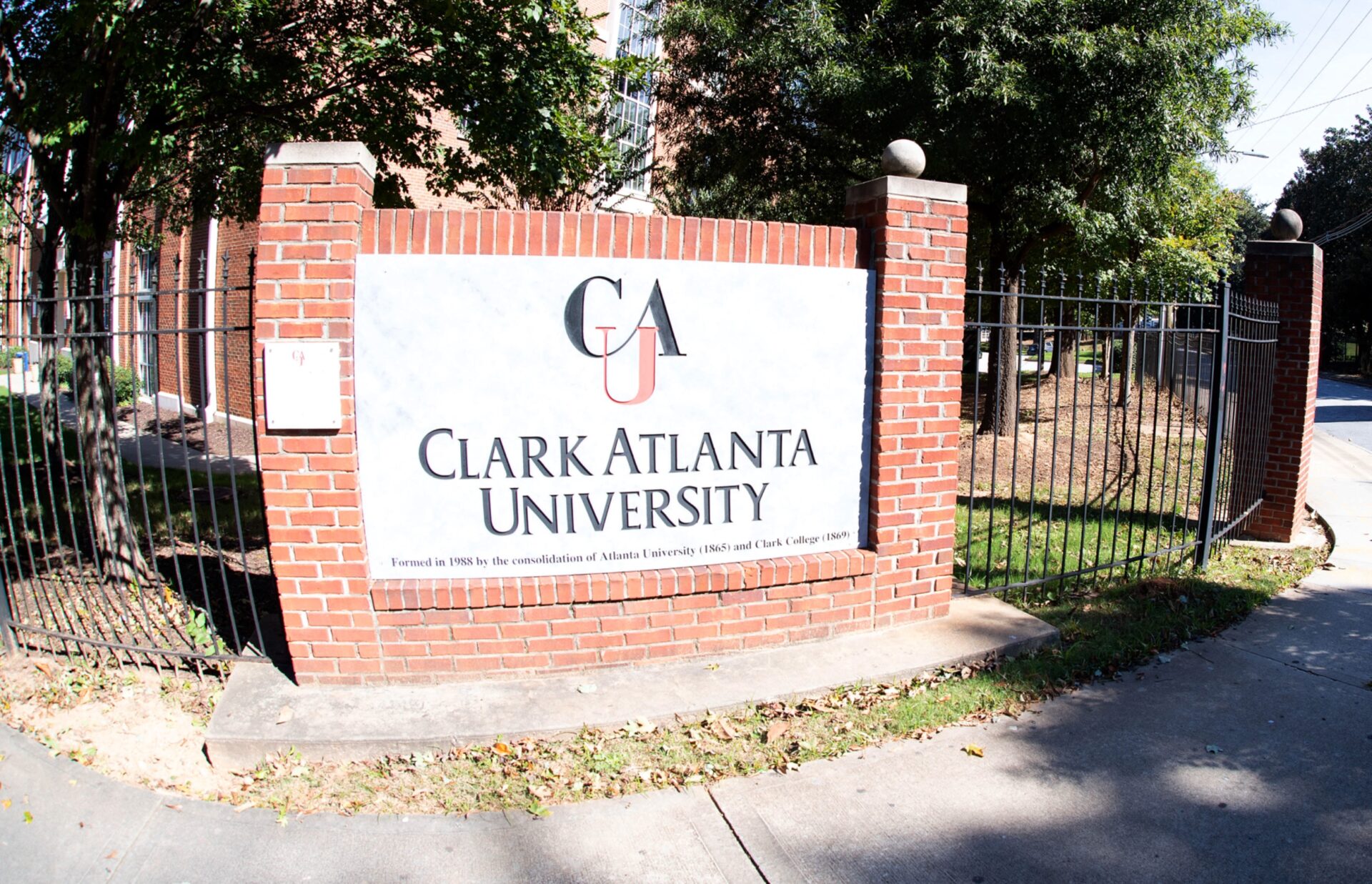
Throughout the late 20th century, the Black population in Atlanta grew significantly, peaking at around 67% in 1990. During this period, the city became a hub for the Black middle and upper classes, supported by the presence of the Atlanta University Center (AUC)—the largest consortium of Historically Black Colleges and Universities (HBCUs) in the world, including Morehouse College, Spelman College, and Clark Atlanta University.
However, the demographic landscape began to shift at the turn of the millennium. The 2000 Census marked a high point, but the subsequent decades saw a steady decline in the percentage of Black residents within the city limits, even as the total population of the city grew. This decline was not necessarily a reduction in the number of people, but rather a result of two simultaneous trends: the "Reverse Migration" to the suburbs and a significant influx of white and Hispanic residents moving back into the urban core.
Analyzing the 2020 Census and 2026 Projections
The 2020 U.S. Census was a watershed moment for Atlanta’s demographic profile. For the first time in over 50 years, the Black population fell below the 50% mark, officially recorded at approximately 49.8%. By 2026, current estimates from the Atlanta Regional Commission (ARC) and the American Community Survey (ACS) show this trend has continued, with the Black population hovering between 46% and 47%.
Meanwhile, the white population has grown to approximately 40% to 41%, and the Hispanic and Asian populations have seen the fastest proportional growth, though they remain smaller overall. This shift is part of a broader "re-urbanization" trend seen in many major American cities, where younger professionals and retirees move into downtown areas to be closer to jobs, transit, and amenities.
| Demographic Category | 1990 Census | 2010 Census | 2020 Census | 2026 Estimate |
|---|---|---|---|---|
| Black or African American | 67.1% | 54.0% | 49.8% | 46.5% |
| White (Non-Hispanic) | 31.0% | 36.3% | 38.9% | 40.8% |
| Hispanic or Latino | 1.9% | 5.2% | 6.0% | 7.5% |
| Asian | 0.9% | 3.1% | 5.0% | 5.8% |
| Other / Multi-racial | 1.0% | 1.4% | 3.3% | 4.4% |
Drivers of Demographic Change in Atlanta
The transition from a majority-Black city to a plurality-Black city is driven by complex socioeconomic factors. These are not merely passive shifts but are the result of specific policy decisions, market forces, and regional development strategies.
1. Gentrification and the "BeltLine Effect"
One of the most visible drivers of demographic change is the Atlanta BeltLine, a massive multi-use trail and transit project built on 22 miles of historic railroad corridors. While the project has revitalized many neglected areas, it has also spurred rapid gentrification. Property values in neighborhoods adjacent to the BeltLine, particularly on the Eastside and more recently the Westside, have skyrocketed.
According to research from the Federal Reserve Bank of Atlanta, the increase in housing costs has disproportionately affected long-term Black residents, many of whom were renters or low-income homeowners. As neighborhoods become "unaffordable," these residents are often forced to move further from the city center, while higher-income, often white, residents move in.
2. The Dismantling of Public Housing
In the lead-up to the 1996 Olympics and continuing through the early 2000s, Atlanta became the first major U.S. city to entirely dismantle its traditional public housing projects. Under the HOPE VI program, massive complexes like Techwood Homes and Perry Homes were replaced with mixed-income developments. While intended to de-concentrate poverty, the net result was a significant reduction in the total number of subsidized units available within the city limits, leading to the displacement of thousands of Black families to the surrounding counties.
3. "Black Flight" to the Suburbs
Demographic shifts in the city proper do not tell the whole story. The Atlanta metropolitan area remains one of the largest concentrations of Black residents in the United States. However, the population has shifted geographically. "Black Flight" refers to the movement of Black middle-class families from the city of Atlanta to suburbs such as South Fulton, DeKalb County, and Gwinnett County.
These suburban areas often offer newer housing, perceived better schools, and a lower cost of living while maintaining access to the city’s economic engine. Consequently, while the City of Atlanta is no longer majority Black, many of its surrounding municipalities and counties have become majority Black or increasingly diverse.
Socioeconomic and Political Implications
The loss of a numerical majority has profound implications for the city's identity and governance. For over half a century, the "Atlanta Way"—a collaborative approach between the Black political elite and the white business establishment—governed the city. As the electorate diversifies, this power dynamic is evolving.
Political Representation
Atlanta has had a Black mayor continuously since 1974. However, as the voting population becomes more racially balanced, political coalitions are shifting. Local elections now require candidates to appeal to a broader, more diverse constituency. This has led to debates over whether the "Black Mecca" can maintain its cultural heritage while embracing its new status as a multi-ethnic urban hub.
Cultural Preservation
The cultural "soul" of Atlanta is deeply rooted in Black history, from the Sweet Auburn District to the hip-hop industry that generates billions for the local economy. There are ongoing efforts by organizations like the National Center for Civil and Human Rights to preserve these legacies. However, as legacy businesses are replaced by national chains and high-rise luxury apartments, residents express concern that the city is losing the very characteristics that made it a global destination for Black culture.
The Regional Perspective: Metro Atlanta
It is vital to distinguish between the City of Atlanta (the 136-square-mile municipality) and the Atlanta Metropolitan Area (the 29-county region). The metro area has a population of over 6 million people and remains roughly 33% Black. Interestingly, the suburbs are diversifying at a faster rate than the city itself.
Counties like Gwinnett and Cobb, which were historically white conservative strongholds, have transformed into diverse, multi-ethnic hubs. DeKalb County continues to have one of the highest concentrations of affluent Black residents in the country. Therefore, while the city's "majority" status has faded, the region’s Black influence remains dominant and continues to grow in the peripheral counties.
Frequently Asked Questions (FAQ)
Which Atlanta suburbs are currently majority Black?
Several cities and areas in the southern and eastern metro regions remain majority Black. These include South Fulton, Stonecrest, Union City, and much of South DeKalb. These areas have become the new residential centers for Black families moving out of the city proper, offering a suburban lifestyle while maintaining cultural ties to Atlanta.
Is Atlanta still considered the "Black Mecca"?
Yes, but the definition is evolving. While the city is no longer majority Black by population, it remains a "Black Mecca" in terms of influence. Atlanta still leads the nation in Black-owned businesses per capita and serves as the primary hub for Black media, film production, and higher education through the AUC. The title now reflects the city's role as a center of power rather than just a numerical majority.
How has the white population changed in Atlanta recently?
Since the 2010s, the white population in Atlanta has grown both in total numbers and as a percentage of the population. This is largely attributed to "in-migration" of young professionals (Millennials and Gen Z) and the development of high-density housing in Midtown, Buckhead, and the Eastside. White residents now make up over 40% of the city’s population.
What impact does the movie industry have on these demographics?
The film and entertainment industry (often called "Y'allywood") has brought a surge of transient and permanent residents to the city. While this industry is diverse, it has contributed to the rising cost of living and the demand for luxury housing, which indirectly accelerates the gentrification that alters the city's racial makeup.
Are there majority Black neighborhoods left in the City of Atlanta?
Yes. While the city as a whole is not majority Black, specific areas remain so. Neighborhoods on the Westside (such as Vine City and English Avenue) and the Southside (such as Cascade and Lakewood) remain predominantly Black. However, these areas are also the current focus of intense redevelopment and investment.
Recommendation for Future Residents and Researchers
If you are evaluating Atlanta for residential or business purposes, it is essential to look beyond city-wide statistics. Atlanta is a "city of neighborhoods," and the demographic reality changes significantly from one block to the next.
For those interested in cultural preservation or community engagement, focus on the Southside and Westside neighborhoods where legacy residents are working to balance growth with equity. For researchers, data from the U.S. Census Bureau and the Atlanta Regional Commission provides the most accurate neighborhood-level insights. Understanding that Atlanta is now a plurality-diverse city is key to navigating its political, social, and economic landscape in 2026.
Image Gallery