Exploring the Timeless Isolation of Chappaquiddick Island
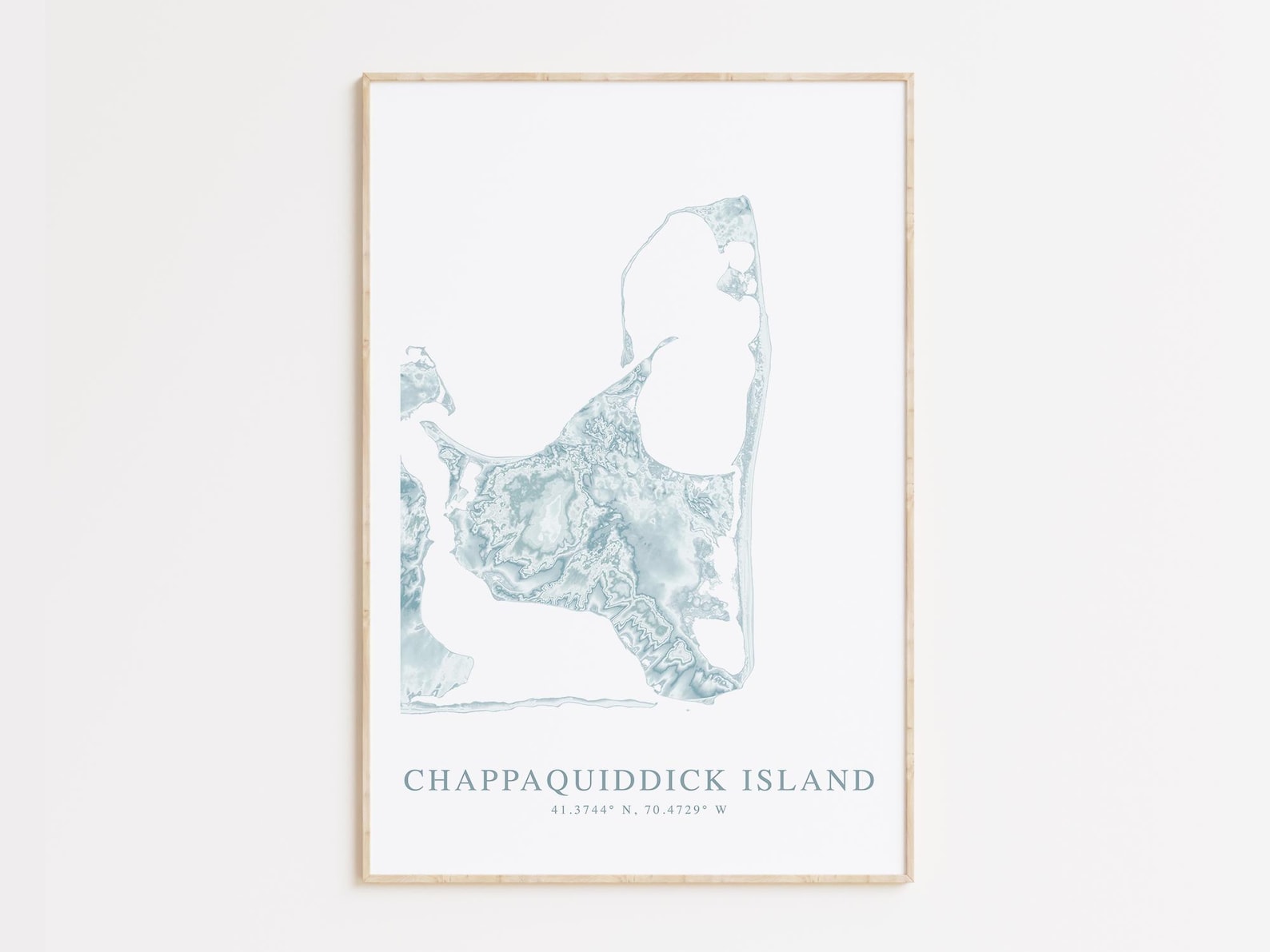
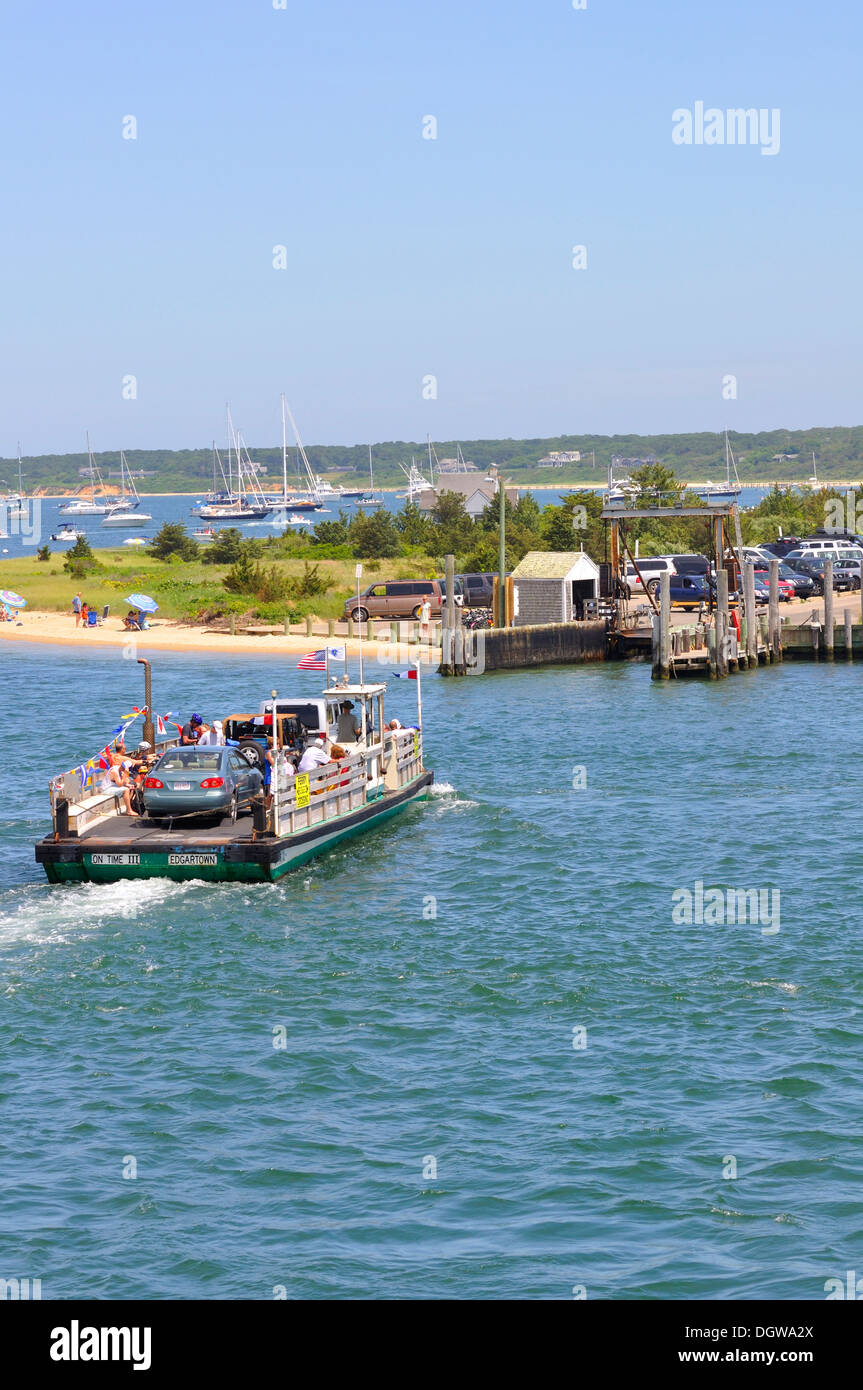
Chappaquiddick Island is unique for its "island-within-an-island" geography, accessible only by a three-car ferry from Edgartown, Martha’s Vineyard. Its character is defined by a lack of commercial development, over 1,000 acres of prot...
Chappaquiddick Island is unique for its "island-within-an-island" geography, accessible only by a three-car ferry from Edgartown, Martha’s Vineyard. Its character is defined by a lack of commercial development, over 1,000 acres of protected coastal ecosystems, and a transient physical connection to the mainland via a shifting sand spit.
Contents
Known colloquially by locals as "Chappy," this small landmass offers a stark contrast to the bustling, boutique-filled streets of Edgartown. While many visitors recognize the name through historical headlines, the actual experience of the island is one of profound silence, rugged natural beauty, and a way of life that prizes privacy and environmental stewardship over modern convenience.
The Chappy Ferry: A 527-Foot Gateway
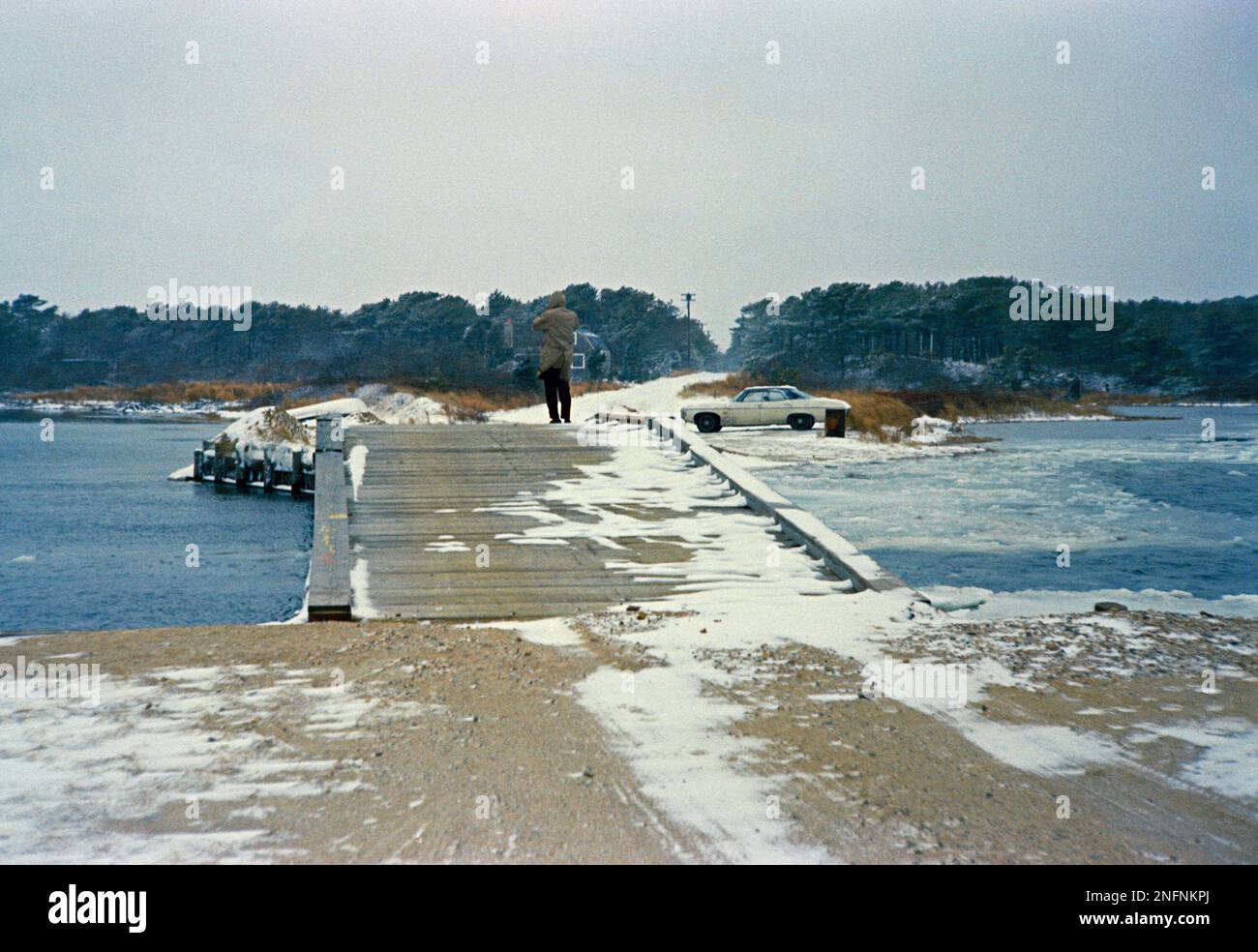
The most immediate factor contributing to Chappaquiddick’s uniqueness is its mode of access. Unlike most islands that require a significant sea voyage, Chappaquiddick is separated from Edgartown by only 527 feet of water. Despite this short distance, there is no bridge. The transit is managed by the On Time ferry, a legendary vessel that earned its name because it has no set schedule—therefore, it is never "late."
The ferry consists of two small boats, each capable of carrying only three vehicles at a time. This physical constraint acts as a natural filter for the island's population density. On a busy summer day in 2026, the wait for a vehicle to cross can exceed two hours, while pedestrians and cyclists can usually board immediately. This bottleneck is intentional; it preserves the island’s quietude by limiting the number of cars on the unpaved roads. The ferry operates as a lifeline, and the experience of standing on the deck for the brief, two-minute crossing serves as a psychological transition from the commercial energy of Martha’s Vineyard to the rural isolation of Chappy.
Geographic Fluidity: Island or Peninsula?
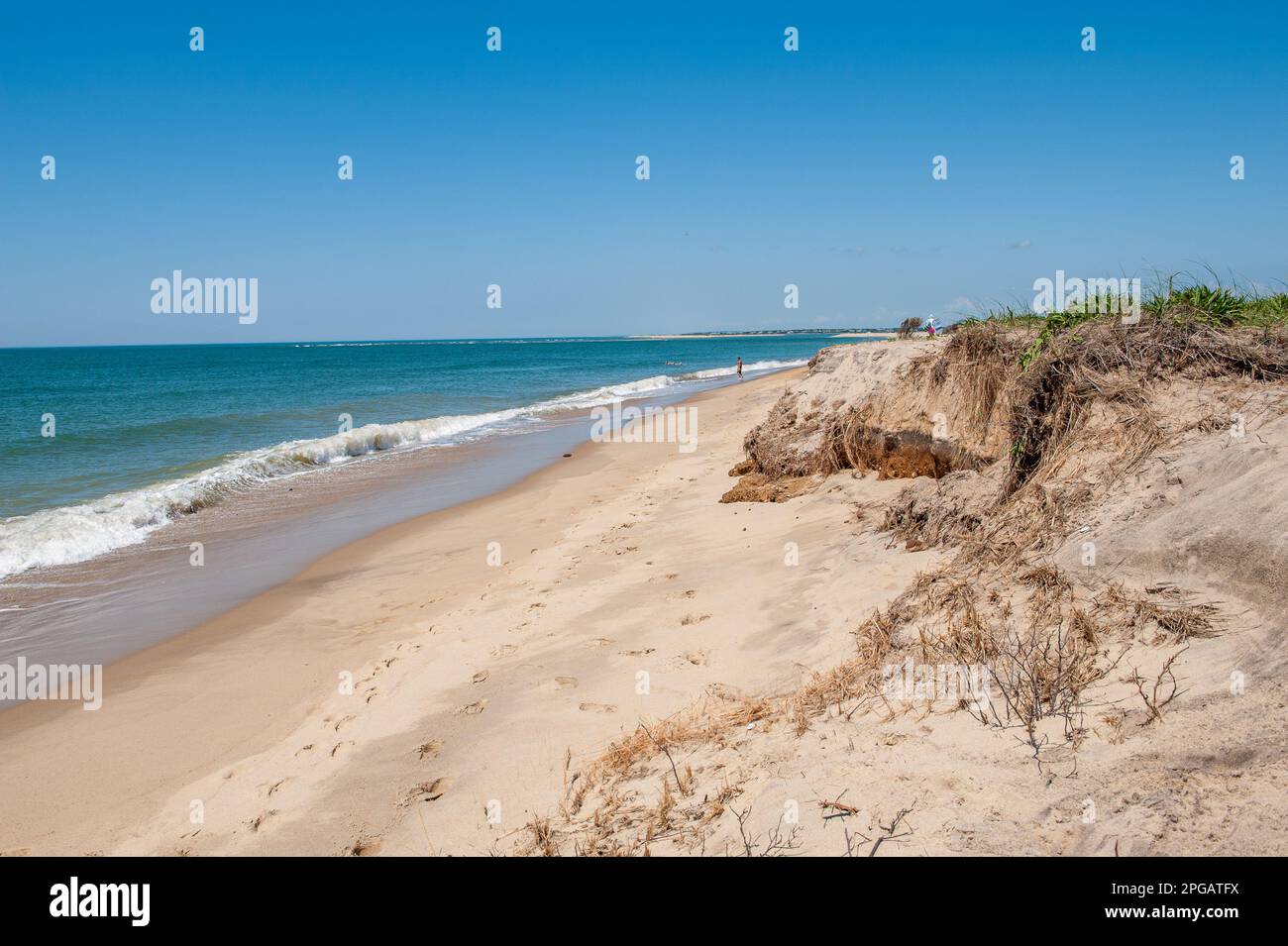
Geographically, Chappaquiddick is a study in coastal dynamics. While it is referred to as an island, it is periodically a peninsula. A narrow strip of sand known as Norton Point Beach connects Chappaquiddick to the main body of Martha’s Vineyard. However, this connection is fragile. Major storm events can cause a "breach," where the ocean cuts through the sand, turning Chappaquiddick back into a true island.
In recent decades, these breaches have significantly impacted the local ecology and navigation. When the breach is open, the interior waters of Katama Bay flush more thoroughly with the tides, benefiting the local oyster aquaculture. When the beach is closed, it allows for adventurous "oversand vehicle" (OSV) travel from Edgartown directly onto Chappaquiddick. In 2026, the status of Norton Point remains a central topic for the Town of Edgartown, as coastal management strategies must balance recreational access with the protection of nesting shorebirds. This constant state of geological flux makes the island a living laboratory for climate change and coastal erosion.
The Silence of the Interior: Infrastructure and Development
Once off the ferry, the shift in infrastructure is jarring. Chappaquiddick has very few paved roads. The main artery, Chappaquiddick Road, provides a strip of asphalt that eventually yields to a network of sand tracks and private gravel paths. There are no grocery stores, no gas stations, and no restaurants on the island. The only commercial entity is the seasonally operated Slip Away Farm, which provides local produce through a CSA model and a small farm stand.
This lack of development is a deliberate choice by the community. Residents rely on Edgartown for all essential services, meaning every gallon of milk and every liter of fuel must be ferried across the water. This logistical hurdle fosters a culture of self-sufficiency. Homes on Chappy are often tucked away behind dense thickets of scrub oak and pitch pine, designed to be invisible from the road. This privacy is what attracts a specific demographic—ranging from high-profile public figures to conservationists—who seek to disappear from the public eye.
Ecological Sanctuaries and The Trustees of Reservations
A massive portion of Chappaquiddick is protected from development, managed largely by The Trustees of Reservations. These managed lands provide some of the most unique coastal habitats in New England.
Mytoi Garden
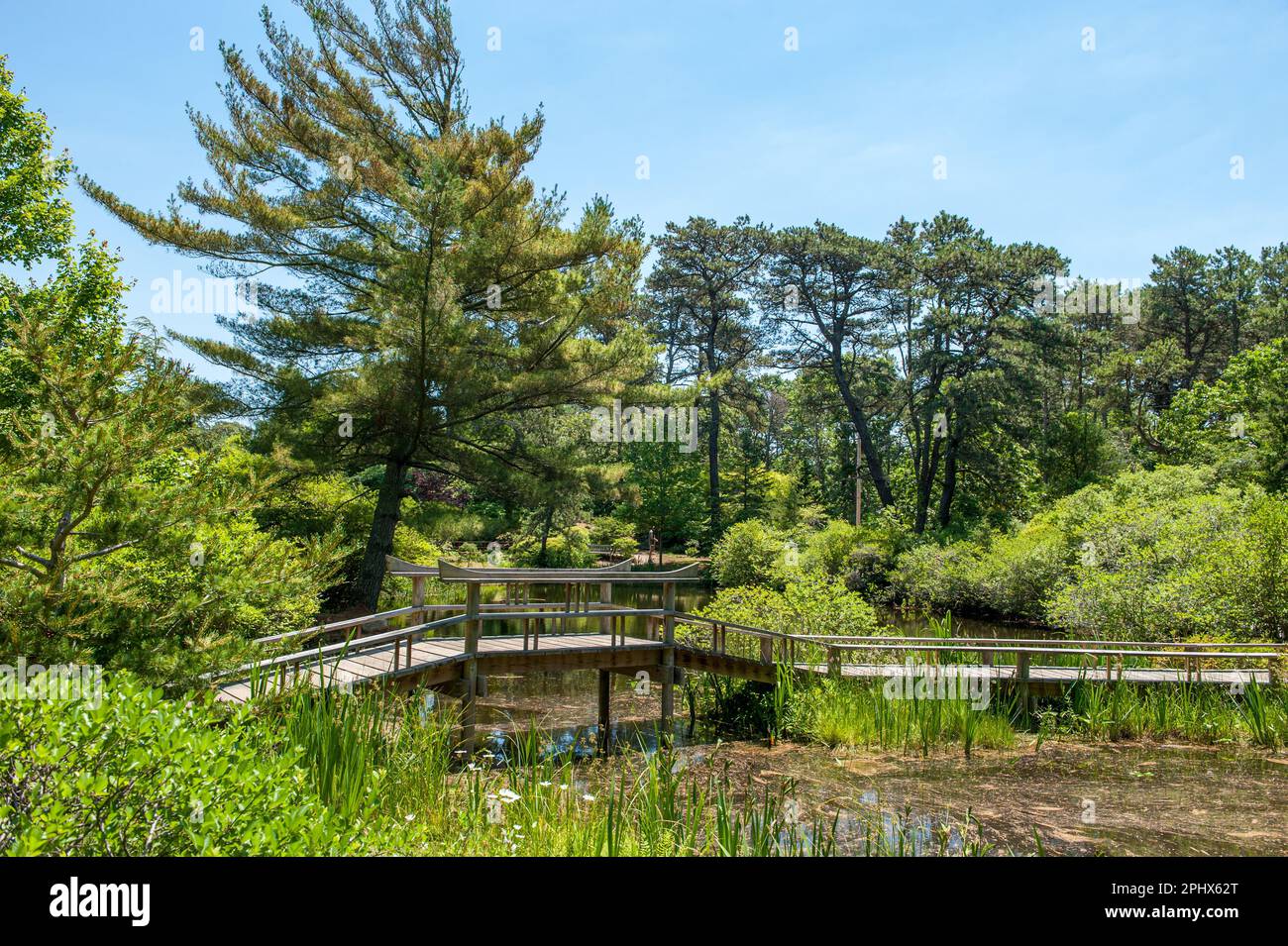
Hidden in the center of the island is Mytoi, a small but exquisitely maintained Japanese-style garden. The garden’s existence on a windswept Atlantic island is unexpected. It features a serene pond, a traditional footbridge, and a mix of native and exotic plants that thrive in the sheltered microclimate created by the surrounding pine forest. Mytoi offers a meditative space that feels worlds away from the salt-sprayed dunes just a mile to the east.
Wasque Reservation
On the southeastern corner of the island lies Wasque (pronounced "Way-skwee"). This area is world-renowned among surfcasters for its dramatic "rip"—a powerful current where the Atlantic Ocean meets the waters of Muskeget Channel. The erosion here is aggressive; the shoreline can move dozens of feet in a single season. The reservation is a primary nesting site for piping plovers and least terns, requiring strict management of human activity during the spring and summer months.
Cape Poge Wildlife Refuge
The northern tip of the island is occupied by the Cape Poge Wildlife Refuge. This 14-mile barrier beach is accessible primarily by four-wheel-drive vehicles with specific OSV permits. The refuge is home to the Cape Poge Lighthouse, a wooden structure that has been moved multiple times to escape the encroaching sea. The salt marshes and lagoons here are essential nurseries for shellfish and provide a hunting ground for ospreys, which can be seen nesting on platforms throughout the refuge.
| Feature | Chappaquiddick Island | Main Martha's Vineyard (Edgartown/Oak Bluffs) |
|---|---|---|
| Commercial Zoning | Virtually non-existent (1 farm stand) | High (Boutiques, restaurants, theaters) |
| Road Surfaces | Predominantly sand and gravel | Mostly paved highways and side streets |
| Primary Access | 3-car ferry (On Time) | Large steamship ferries and regional airport |
| Population Density | Very low, rural | High, especially in "Down-Island" towns |
| Atmosphere | Silent, wild, private | Vibrant, social, tourist-centric |
| Vehicle Needs | 4WD highly recommended for beach access | Standard vehicles sufficient |
The Cultural Identity of "Chappy"
The social fabric of Chappaquiddick is as distinct as its geography. There is a "year-rounder" population that maintains the island through the harsh, isolated winters. This small community is centered around the Chappaquiddick Community Center, which serves as the island’s town hall, gymnasium, and social hub. In 2026, the center remains the heart of the island, hosting everything from yoga classes and foreign film nights to crucial meetings regarding coastal resilience and land use.
There is a fierce pride in being a "Chappyite." This identity is built on an appreciation for the island's inconveniences. Residents view the ferry wait times and the lack of a grocery store as a fair price to pay for the absence of crowds and the presence of owls, hawks, and undisturbed night skies. While the 1969 incident involving Senator Ted Kennedy brought the island a lasting and sometimes unwanted notoriety, the local culture has largely moved beyond that era, focusing instead on the preservation of the island's natural character.
Navigation and OSV Requirements
For those planning to explore the unique outer reaches of Chappaquiddick in 2026, understanding the technical requirements for vehicle travel is essential. Driving on the sand at Cape Poge or Wasque is not a casual undertaking.
- Permits: A valid OSV permit from The Trustees of Reservations is mandatory. These permits are limited in number and often sell out early in the season.
- Equipment: Vehicles must be equipped with a shovel, a pressure gauge, a spare tire, and a wooden base for a jack.
- Tire Pressure: To navigate the deep, soft sand without getting stuck or damaging the dune ecosystem, tires must be deflated to approximately 15 PSI (pounds per square inch).
- Tide Awareness: Many of the beach trails become impassable at high tide. Navigating Chappy requires a constant eye on the lunar cycle and weather reports from the National Weather Service.
Failure to follow these protocols not only risks vehicle damage but also threatens the fragile beach grass that holds the dunes together. The uniqueness of Chappy is its vulnerability; without the root systems of native vegetation, the island would erode much faster into the Atlantic.
Frequently Asked Questions
Can I visit Chappaquiddick without a car?
Yes, and it is often recommended. Bringing a bicycle on the Chappy Ferry is inexpensive and allows you to reach Mytoi Garden and the Chappaquiddick Community Center with ease. However, reaching the remote areas like the Cape Poge Lighthouse on foot is a significant hike over soft sand, which can be physically demanding.
Is there a bridge to Chappaquiddick?
No. There has never been a bridge, and there are currently no plans to build one. The community and the Town of Edgartown have consistently prioritized the ferry system to maintain the island's low-density, rural character.
What is the best time of year to visit?
While summer offers the best weather for beach activities, the "shoulder seasons" of May and September/October are considered the best times for those seeking the island's signature silence. During these months, the ferry lines are shorter, and the bird migrations are at their peak.
Are there public restrooms or facilities on the island?
Facilities are extremely limited. There are restrooms at the Chappaquiddick Community Center (when open) and portable toilets at some of the Trustees of Reservations trailheads. Visitors should plan to be entirely self-sufficient for the duration of their trip.
Is Chappaquiddick safe for swimming?
Wasque is known for extremely dangerous currents and undertows and is generally not recommended for swimming. The interior waters of Cape Poge Bay or the calmer side of East Beach (depending on wind direction) are safer, but there are no lifeguards on the island.
Practical Recommendation for Visitors
To truly experience what makes Chappaquiddick unique, leave your vehicle in Edgartown. Take the ferry as a pedestrian, bring a bicycle, and spend the day exploring the sand roads and the Mytoi Garden. By removing the stress of the vehicle ferry line, you align yourself with the slow, deliberate pace of life that defines the island. If you intend to visit the Cape Poge Lighthouse, book a guided tour through The Trustees of Reservations, as they provide the specialized transportation necessary to navigate the protected barrier beaches safely and legally.
Image Gallery