The Chow Chow Giant Explained: Origin, Characteristics, and Care Guide
The Chow Chow Giant, often referred to simply as the "Giant Chow," is not a separate purebred recognized by major kennel clubs, but rather a designer crossbreed—most commonly a mix between a purebred Chow Chow and a Tibetan Mastiff. Th...
The Chow Chow Giant, often referred to simply as the "Giant Chow," is not a separate purebred recognized by major kennel clubs, but rather a designer crossbreed—most commonly a mix between a purebred Chow Chow and a Tibetan Mastiff. This hybrid aims to combine the Chow’s iconic lion-like appearance with the massive frame and protective instincts of a larger guardian breed.
Contents
Defining the "Giant" Chow Chow: Myth vs. Reality
In the world of canine enthusiasts, the term "Giant Chow" is frequently misunderstood. As of 2026, the American Kennel Club (AKC) and the Fédération Cynologique Internationale (FCI) maintain strict standards for the purebred Chow Chow, which typically stands between 17 and 20 inches at the shoulder and weighs between 45 and 70 pounds. Any dog labeled as a "Giant Chow" that significantly exceeds these measurements is almost certainly a crossbreed or the result of specific, often controversial, breeding practices focusing on "over-typing" (exaggerating certain physical traits).
The most authentic "Giant" variation is the Chow-Mastiff mix. By introducing genes from the Tibetan Mastiff or occasionally the Alaskan Malamute, breeders produce a dog that retains the thick double coat and blue-black tongue of the Chow while reaching weights of 100 to 150 pounds. While these dogs are visually stunning, potential owners must distinguish between a healthy large-breed hybrid and a purebred Chow that has become overweight or has been bred poorly to the detriment of its joints.
The Genetic Makeup and Breeding of Giant Chows
To understand the Chow Chow Giant, one must look at its parental lineage. The Chow Chow itself is one of the world's oldest breeds, originating in China as a multi-purpose working dog used for hunting, herding, and guarding. When crossed to create the "Giant" version, the second parent is almost always a member of the Molosser family.
The Tibetan Mastiff Influence
The most common pairing is with the Tibetan Mastiff. Both breeds share a common ancestry in High Asia and possess similar primitive temperaments. The result is a dog with a massive head, a thick "mane" of fur, and a sturdy, heavy-boned structure. This crossbreeding enhances the dog's size and protective nature but also doubles down on certain personality traits, such as independence and territoriality.
The Alaskan Malamute or Great Pyrenees Influence
Less common but still present in the "Giant" category are crosses with the Alaskan Malamute or Great Pyrenees. These crosses are often bred specifically for a "woolly" look. While these dogs may be slightly more social than the Mastiff cross, they require even more intensive grooming and are highly prone to heat exhaustion due to their extreme coat density.
Physical Characteristics and Aesthetics
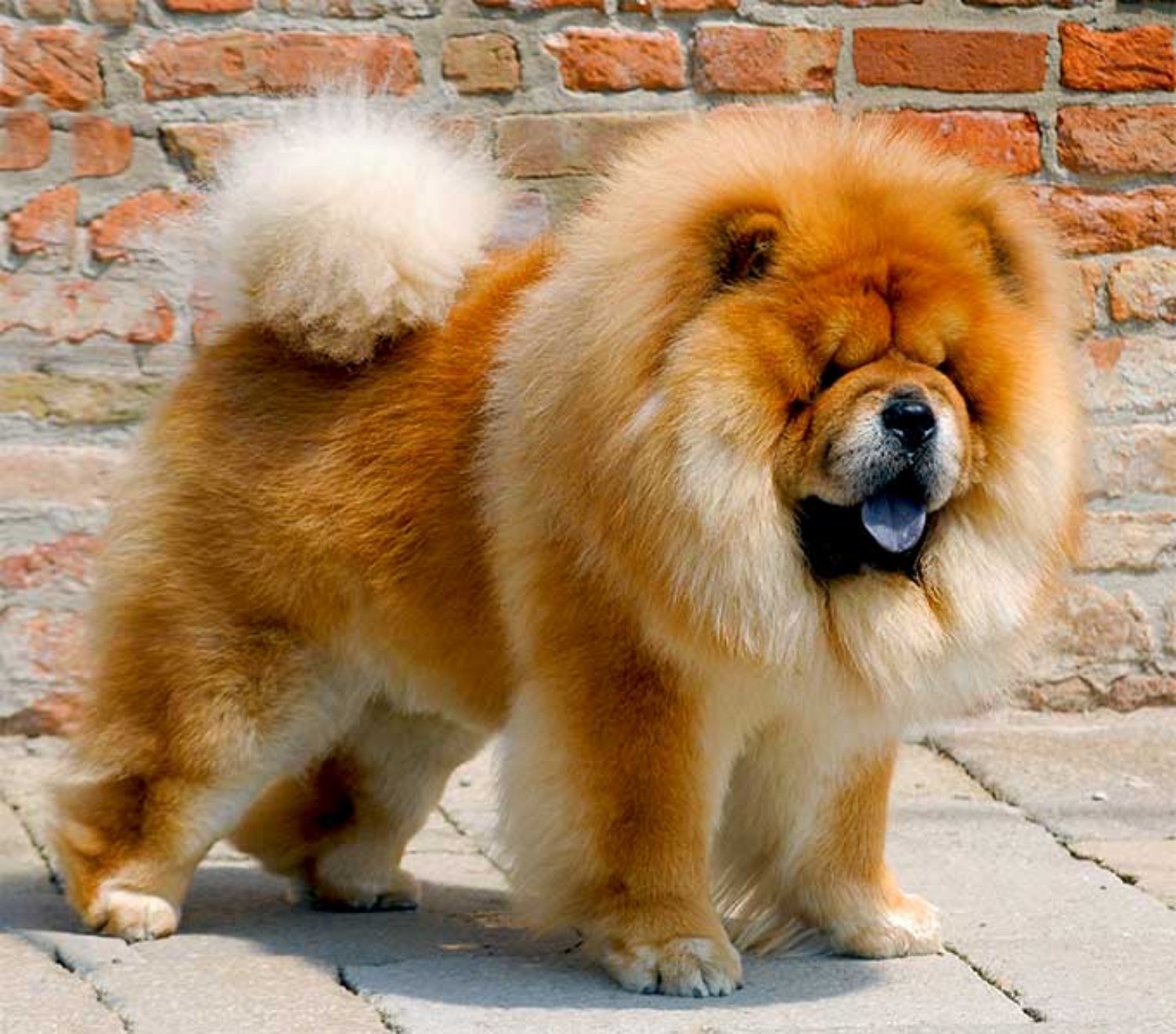
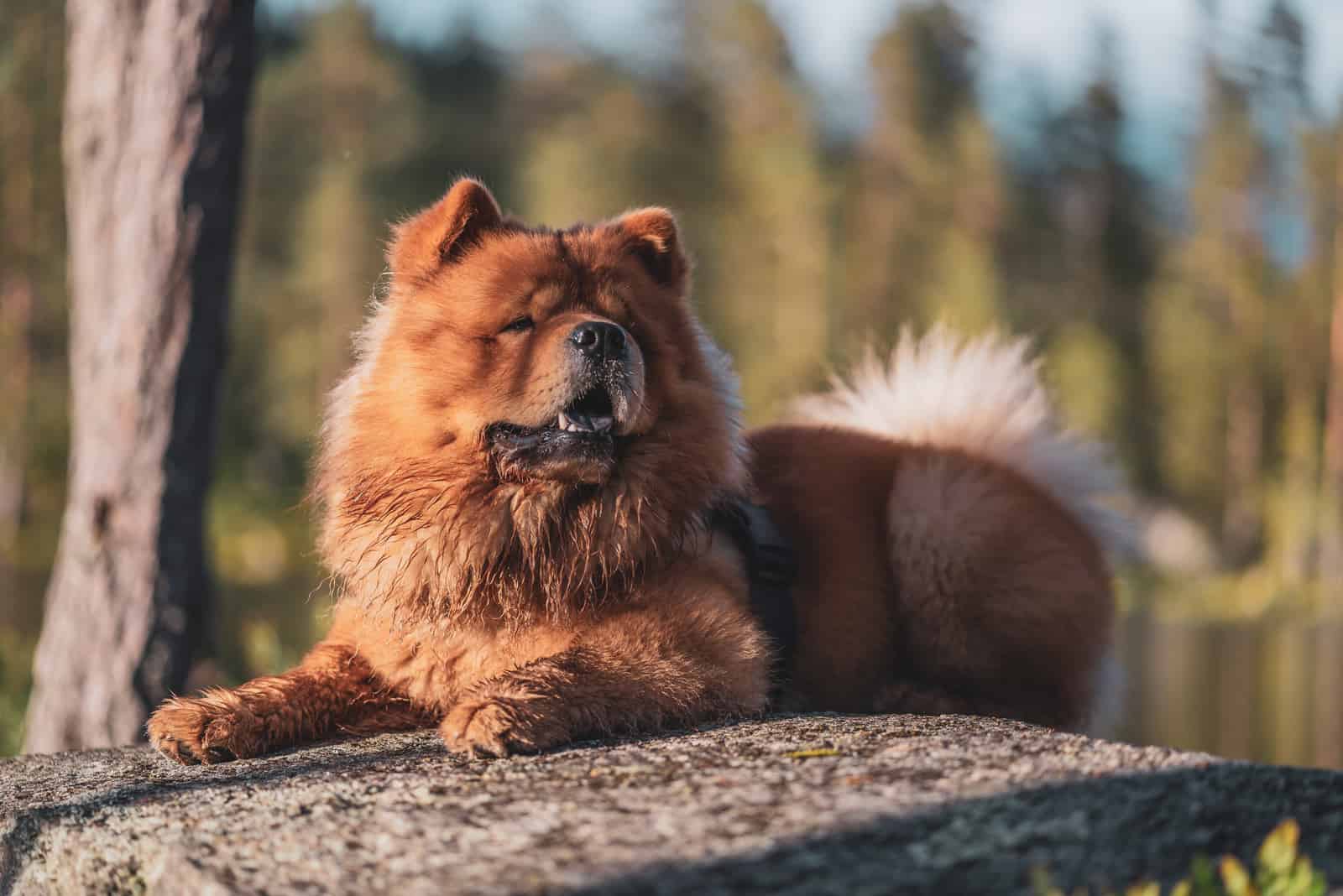
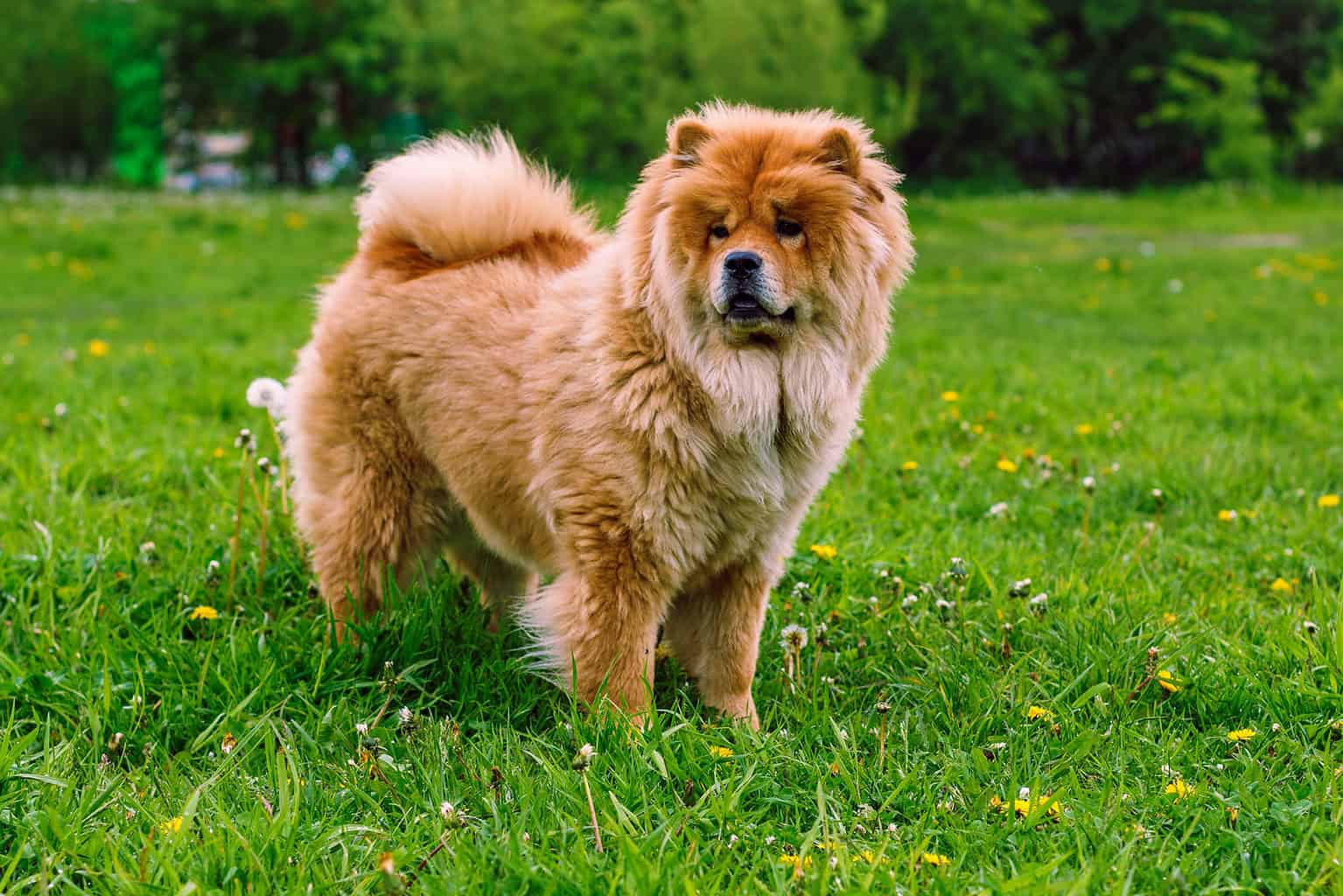
The Chow Chow Giant is a masterpiece of natural insulation and powerful muscularity. In 2026, these dogs have gained popularity on social media platforms due to their "bear-like" appearance, but their physical needs are as substantial as their size.
- Size and Weight: Unlike the standard Chow, a Giant Chow typically stands 24 to 28 inches tall. Males can weigh anywhere from 90 to 130 pounds, while females are slightly smaller but still significantly larger than standard purebreds.
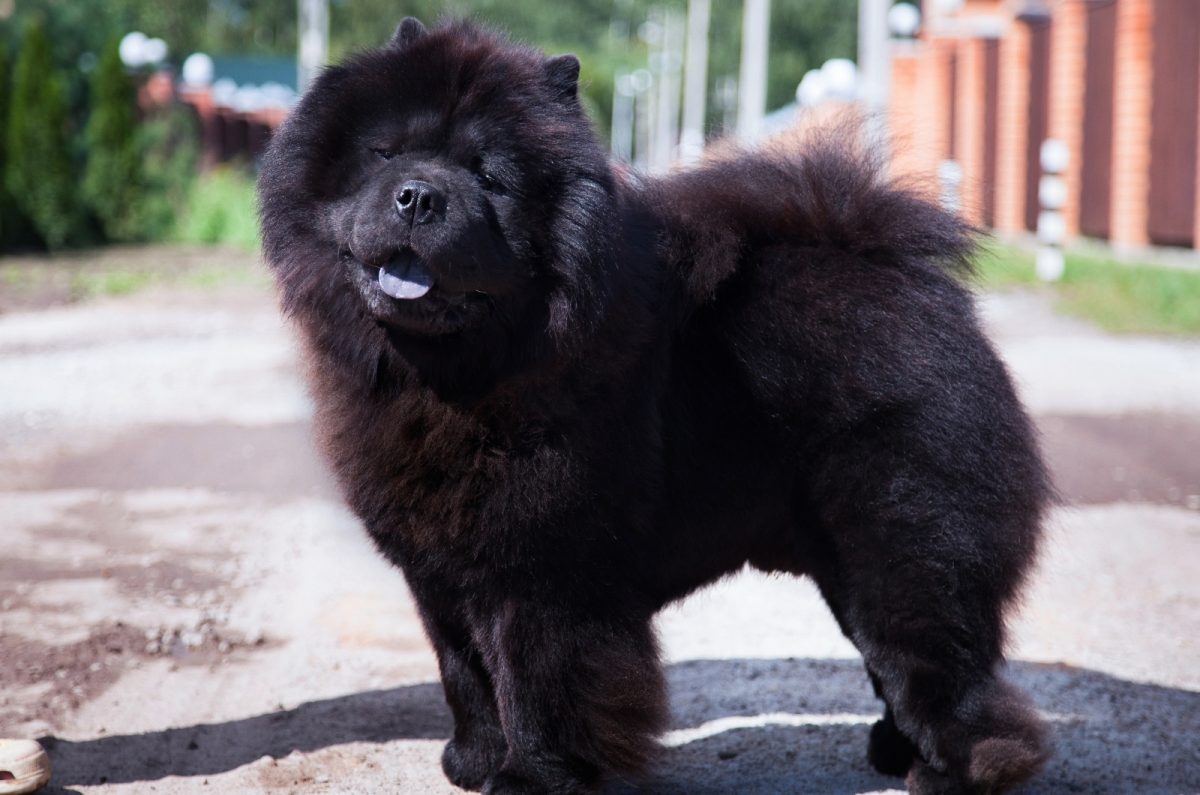
- The Coat: They possess a dense, straight-standing double coat. The outer coat is coarse, while the undercoat is soft and woolly. Colors range from red and cinnamon to black, blue, and cream.
- Distinctive Features: The most sought-after Giant Chows retain the scowling expression, deep-set eyes, and the signature blue-black tongue of the Chow Chow. Their ears are small, triangular, and slightly rounded at the tips, often disappearing into the thick ruff of fur around the neck.
- Gait: Their movement is typically heavy and deliberate. They do not possess the stilted gait of the purebred Chow as much as a powerful, lumbering stride characteristic of large guardian breeds.
Comparison Table: Standard Chow Chow vs. Giant Chow (Hybrid)
| Feature | Standard Chow Chow | Giant Chow (Mastiff Cross) |
|---|---|---|
| Average Height | 17–20 inches | 24–29 inches |
| Average Weight | 45–70 lbs | 95–140 lbs |
| Lifespan | 8–12 years | 7–10 years |
| Temperament | Aloof, Independent, Loyal | Protective, Dominant, Calm |
| Exercise Needs | Moderate | Moderate to High |
| Grooming Frequency | High (Daily brushing) | Extreme (Professional required) |
| Suitability | Experienced owners | Expert/Professional owners only |
Temperament and Behavioral Expectations
Owning a Chow Chow Giant is not comparable to owning a Golden Retriever or a Labrador. These dogs are "primitive" breeds, meaning they retain many ancestral instincts that haven't been "softened" by centuries of breeding for companionship alone.
Independence and Loyalty
The Giant Chow is notoriously independent. They are often described as "cat-like" because they do not constantly crave human attention or validation. However, they are intensely loyal to their primary caregivers. In a household, they usually pick one "leader" to whom they are most devoted, though they will remain protective of the entire family unit.
Territoriality and Guarding
Because both the Chow and the Mastiff were bred for guarding, the Giant version is naturally suspicious of strangers. Without rigorous socialization starting from puppyhood, this can manifest as aggression. They are not "dog park" dogs; they generally prefer their own territory and may not tolerate strange dogs entering their space.
Intelligence and Training
They are highly intelligent but also highly stubborn. They will often weigh a command against their own current interests before deciding whether to obey. Training requires a firm, consistent hand and a deep understanding of positive reinforcement. Forceful training methods often backfire with this breed, leading to a breakdown in trust and potential behavioral issues.
Health and Longevity Considerations
The increased size of the Chow Chow Giant brings specific health challenges that differ from the standard breed. Larger dogs generally have shorter lifespans and are more prone to orthopedic issues.
- Hip and Elbow Dysplasia: Due to their massive weight and heavy bone structure, the joints are under constant stress. It is crucial to verify that the parent dogs have been cleared by the Orthopedic Foundation for Animals (OFA).
- Gastric Torsion (Bloat): This is a life-threatening emergency where the stomach twists. Giant breeds with deep chests are at the highest risk. Owners in 2026 are increasingly opting for "preventative gastropexy" surgery to tack the stomach in place.
- Entropion: A condition where the eyelids roll inward, causing the lashes to rub against the cornea. This is common in "heavy-faced" Chows and may require surgical correction to prevent blindness.
- Heat Sensitivity: These dogs are highly susceptible to heatstroke. Their thick coats are designed for sub-zero temperatures, not humid summers. They must have access to air conditioning and should never be exercised in the heat of the day.
Grooming and Maintenance Requirements
Maintaining a Chow Chow Giant is a significant time and financial commitment. Their coat is a magnet for dirt, debris, and moisture.
- Brushing: They require thorough brushing at least four to five times a week to prevent matting. During "shedding season" (blowing coat), which happens twice a year, daily brushing is mandatory.
- Professional Grooming: Most owners will need a professional groomer every 6 to 8 weeks. Given their size, many groomers charge a premium for "Giant" breeds, and some may refuse them due to the difficulty of handling their temperament during the drying process.
- Hygiene: The "mane" around their face often traps food and water, which can lead to skin infections if not cleaned regularly. Similarly, the skin folds around the face must be kept dry and clean.
Space and Lifestyle Requirements
The Chow Chow Giant is not suited for apartment living or urban environments with limited space. Their sheer size makes navigating small rooms difficult, and their protective nature can make them reactive to the constant noise and foot traffic of city life.
Ideal owners possess a large, securely fenced yard. However, they should not be "outside-only" dogs. Despite their rugged appearance, they crave the presence of their family and are prone to separation anxiety if left isolated in a yard for long periods. Furthermore, potential owners must consider the legal and insurance implications; many homeowners' insurance policies have restrictions on breeds with "guardian" reputations, and the Giant Chow often falls into this category.
Is the Chow Chow Giant Right for You?
Choosing a Giant Chow is a decision that impacts the next decade of your life. Before searching for a breeder, consider the following checklist:
- Experience: Do you have experience with large, dominant, or primitive breeds? This should not be a first dog.
- Budget: Can you afford the high costs of specialized large-breed food, "giant-sized" veterinary bills, and professional grooming?
- Time: Are you prepared to spend 10–15 hours a week on grooming, training, and socialization?
- Environment: Is your home cool enough? Do you have the physical strength to manage a 120-pound dog on a leash?
Frequently Asked Questions
Is the Chow Chow Giant a recognized breed?
No. As of 2026, no major international kennel club recognizes the "Giant Chow" as a distinct breed. It is considered a designer hybrid, typically a cross between a Chow Chow and a Tibetan Mastiff.
How much does a Giant Chow cost?
Due to their rarity and the high cost of maintaining the parent breeds, puppies often range from $2,500 to $6,000. Be cautious of "budget" breeders, as they often skip essential genetic health testing for hip dysplasia and heart issues.
Are Giant Chows aggressive?
They are naturally protective and aloof. While not inherently "aggressive" without cause, they have a low tolerance for strangers and strange dogs. Proper socialization from the age of 8 weeks is the only way to ensure they grow into a manageable adult.
How long do they live?
The average lifespan of a Giant Chow is 7 to 10 years. This is shorter than the standard Chow Chow (8–12 years) due to the health complications associated with their larger size.
Do they drool?
Because they often have the "heavy" flews (lips) of a Mastiff, the Giant Chow is much more likely to drool than a standard purebred Chow Chow.
Practical Next Steps for Potential Owners
If you have decided that the Chow Chow Giant is the right fit for your lifestyle, your next step is to research breeders who prioritize health over size. Avoid any breeder who markets "the biggest dogs in the world" without providing OFA or PennHIP certifications for the parents. Alternatively, consider breed-specific rescues for Chows or Tibetan Mastiffs, as these "Giant" crosses occasionally end up in shelters when owners realize they cannot handle their size or temperament.
Image Gallery