Understanding Investment Groups: Structures, Strategies, and Operational Models
An investment group is a collaborative entity—often a partnership, syndicate, or formal corporation—formed by individuals or organizations to pool capital for the purpose of identifying, funding, and managing diversified portfolios. Th...
An investment group is a collaborative entity—often a partnership, syndicate, or formal corporation—formed by individuals or organizations to pool capital for the purpose of identifying, funding, and managing diversified portfolios. These groups allow participants to access larger investment opportunities, share risk, and combine specialized expertise that might be unattainable for an individual investor acting in isolation.
Contents
The Structural Foundation of Investment Groups
At its core, an investment group functions as an intermediary vehicle for capital allocation. While the term is frequently used interchangeably with "investment club" or "private equity firm," the structural reality depends heavily on the legal framework, the number of participants, and the specific mandate of the group.
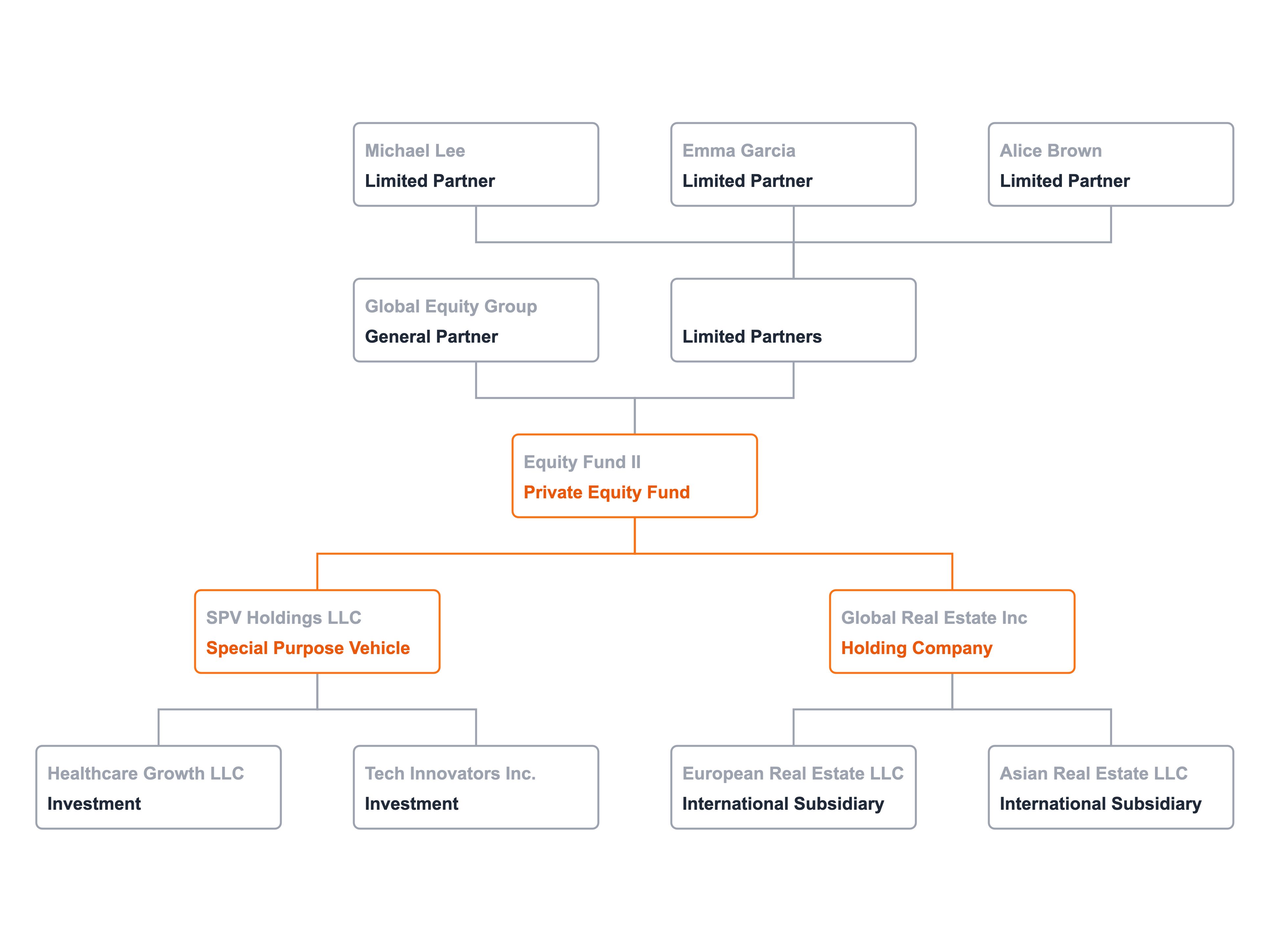
Most formal investment groups operate under a limited partnership (LP) or limited liability company (LLC) structure. This legal arrangement is critical because it separates the decision-making body—often the general partners or the management team—from the passive investors who provide the capital. By pooling resources, these groups can overcome high minimum entry requirements for private equity, hedge funds, or large-scale commercial real estate syndications.
In addition to pooling capital, these groups often operate under an "Investment Policy Statement" (IPS). This internal document outlines the group’s risk tolerance, time horizon, preferred asset classes, and liquidity requirements. For new participants, understanding the IPS is the single most important step in verifying whether the group’s objectives align with their personal financial goals.
Primary Operational Models
Investment groups generally fall into one of three operational tiers, categorized by their legal scope and the sophistication of their members:
- Investment Clubs: Typically consisting of a small group of individuals—often friends, colleagues, or community members—who meet periodically to discuss and collectively select stocks or mutual funds. These are often general partnerships where liability is shared equally among members.
- Syndicates: These are purpose-driven groups formed for a single, specific asset acquisition, such as a multi-family apartment building or a startup venture. Once the project is complete or the asset is sold, the syndicate often dissolves.
- Private Investment Partnerships: These are professional-grade entities, often structured as hedge funds or family offices. They rely on formal operating agreements, professional management fees, and sophisticated tax reporting mechanisms.
Table: Comparison of Investment Group Structures
| Feature | Investment Club | Real Estate Syndicate | Private Partnership |
|---|---|---|---|
| Primary Goal | Education/Long-term equity | Asset-specific returns | Wealth preservation/growth |
| Liability | Unlimited/Shared | Limited | Limited |
| Management | Member-led/Rotating | Sponsor-led | Professional manager |
| Entry Capital | Low | High | Very High |
| Duration | Indefinite | Project-based | Long-term/Perpetual |
Prerequisites for Joining or Forming a Group
Before engaging with an investment group, participants must assess both their financial eligibility and their functional capacity to contribute.
Financial Verification and Accreditation Many high-performing investment groups are restricted to "accredited investors" as defined by regulatory bodies like the U.S. Securities and Exchange Commission (SEC). An accredited investor generally must meet specific net worth or annual income thresholds. Even for non-accredited groups, the entity may require members to demonstrate liquid capital sufficient to cover their pro-rata share of ongoing maintenance fees or capital calls.
Due Diligence Requirements Prospective members should request and audit the group’s:
- Operating Agreement: This document governs how decisions are made, how capital is distributed, and how disputes are settled.
- Track Record: Review historical performance data for the group or its sponsor. Be wary of groups that do not provide clear, audited performance metrics.
- Fee Structure: Understand the "2 and 20" model (2% management fee, 20% performance fee) if applicable, or any administrative costs that dilute net returns.
Navigating Risk and Legal Responsibility
The primary allure of an investment group is the mitigation of risk through diversification. By spreading capital across multiple assets, a group can theoretically cushion the impact of a single underperforming investment. However, this structure introduces "concentration risk" if the group focuses too heavily on one sector or asset class.
Legal liability remains a primary concern for participants. In a general partnership structure, every member is personally liable for the debts of the partnership. By contrast, an LLC or limited partnership provides a "corporate veil," protecting personal assets from business-related liabilities. Before joining any group, it is standard practice to verify the entity’s registration status with state or national regulators to ensure it is in good standing.
Common Challenges and Troubleshooting
Investment groups often face internal friction, particularly regarding decision-making and exit strategies.
- Decision Paralysis: In member-led clubs, the democratic process can stall, causing the group to miss time-sensitive market opportunities. Establishing a clear voting threshold—such as a simple majority or a supermajority—within the operating agreement is essential.
- Liquidity Constraints: Many investment groups, especially those in private equity or real estate, have lock-up periods. Investors should not expect to withdraw their capital on short notice. If a member faces a sudden financial emergency, they may find their capital trapped until the end of the project or the expiration of the fund’s term.
- Conflict of Interest: In syndicates, the sponsor may receive fees from both the project and the investors. Transparency regarding these conflicts is the hallmark of a reputable group. If the fee structure is opaque, it is often a sign to perform deeper vetting.
Frequently Asked Questions
How does an investment group differ from a mutual fund? A mutual fund is a public, highly regulated investment vehicle managed by a professional firm, offering daily liquidity. An investment group is typically private, less regulated, and often focuses on illiquid or niche assets, with capital committed for longer periods.
Do I need a lawyer to join an investment group? While you do not need a lawyer for every transaction, it is highly advisable to have a legal professional review the subscription agreement and operating agreement before you sign. These documents dictate your legal rights, tax obligations, and the conditions under which you can exit the investment.
Can I lose more than my initial investment in an investment group? In limited liability structures, your risk is generally capped at the amount of capital you invested. However, if the group is structured as a general partnership, you could theoretically be exposed to liabilities that exceed your initial contribution. Always verify the liability protections provided by the entity’s structure.
How are taxes handled for members of an investment group? Most investment groups function as "pass-through" entities. The group itself typically does not pay income tax; instead, it issues a Schedule K-1 (or equivalent tax document) to each member, detailing their share of the income, losses, deductions, and credits, which the member must then report on their personal tax return.
What is a capital call? A capital call occurs when the managers of an investment group request that investors provide the remaining portion of their committed capital to fund a specific deal or pay off partnership expenses. If an investor fails to meet a capital call, they may face significant penalties, including the forfeiture of their interest in the investment.
Next Steps for Prospective Investors
If you are prepared to join or form an investment group, begin by defining your investment thesis. Are you seeking long-term passive income, such as from real estate syndications, or are you looking for a collaborative environment to actively learn about market trading?
Once your thesis is established, identify groups that match your risk profile and request a meeting with the managing partner or primary sponsor. Ask for the group's performance history and, most importantly, ask to review the governing documents. Never commit capital to a group that cannot provide a clear, written explanation of its legal structure, fee schedule, and exit protocols.
Image Gallery