The Art and Economy of Oscar Commercials: A Guide to High-Prestige Advertising
Oscar commercials represent the pinnacle of prestige advertising, where brands pay between $1.7 million and $2.2 million for a 30-second spot. Unlike the mass-market appeal of the Super Bowl, Oscar ads target a high-income, culturally...
Oscar commercials represent the pinnacle of prestige advertising, where brands pay between $1.7 million and $2.2 million for a 30-second spot. Unlike the mass-market appeal of the Super Bowl, Oscar ads target a high-income, culturally engaged, and female-skewing demographic, prioritizing cinematic storytelling and luxury over broad humor or slapstick.
Contents
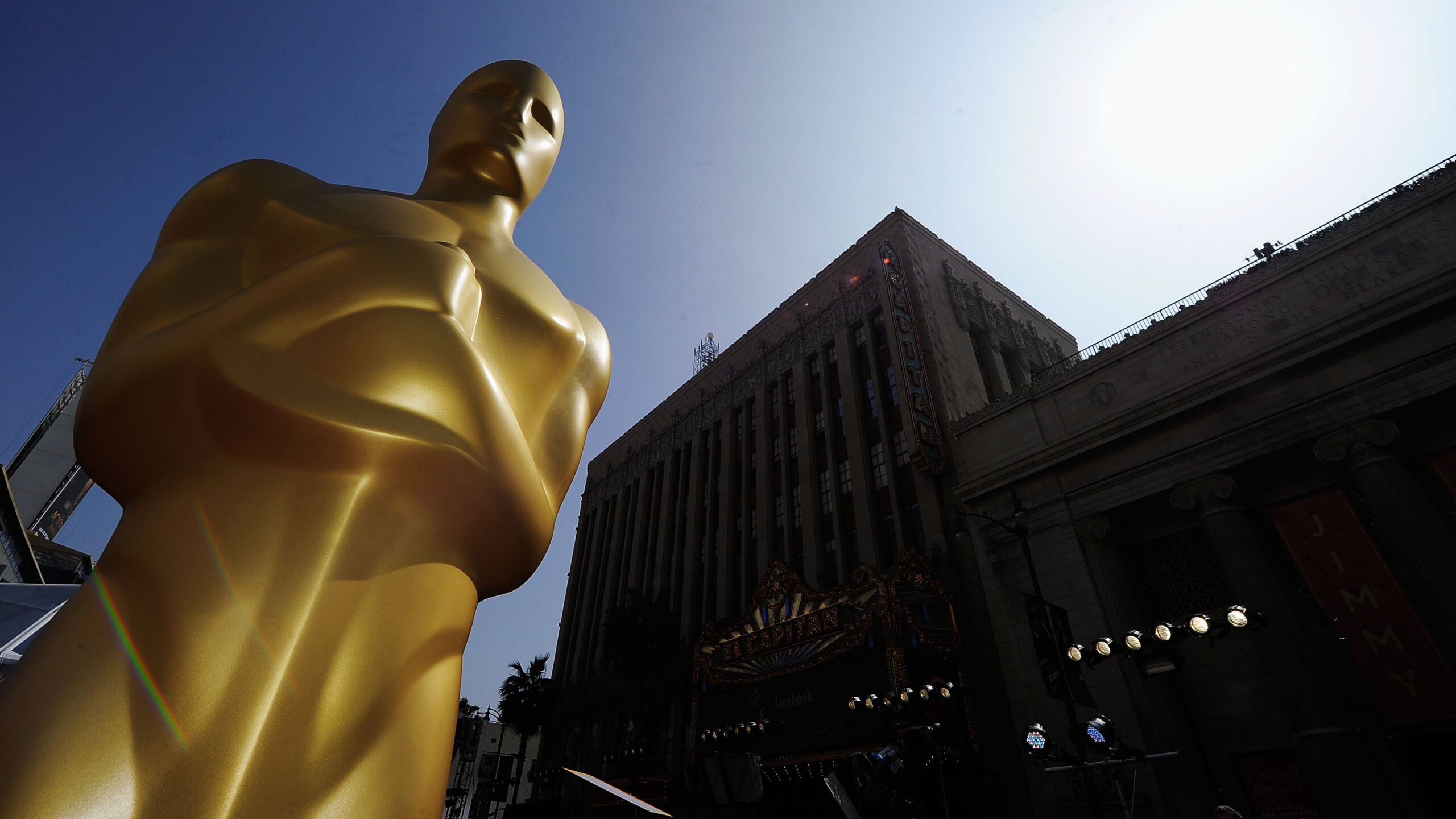
The Academy Awards, or the Oscars, remain one of the few "appointment viewing" events left in the linear television landscape. For advertisers, this 2026 broadcast season continues to prove that while general television ratings have faced fragmentation, the "big tent" cultural moments still command massive premiums. The commercials aired during the Oscars are not merely advertisements; they are high-budget short films designed to align a brand with the glamour, excellence, and artistic integrity of the film industry.
The Economics of the Academy Awards Broadcast
The rights to broadcast the Oscars are held by ABC (a subsidiary of Disney), under a contract that currently extends through 2028. This exclusivity allows Disney Ad Sales to dictate the marketplace, often bundling Oscar inventory with other high-profile events or digital packages across the Disney ecosystem.
In 2026, the price for a 30-second commercial has stabilized after several years of post-pandemic fluctuations. While the Super Bowl commands upwards of $7 million for the same amount of time, the Oscar "buy" is considered a more efficient reach for luxury and tech brands. The entry price is lower, but the "quality" of the impression—measured by the viewer's attention and household income—is often considered higher by marketing executives.
Pricing Tiers and Inventory Management
Advertisers generally secure their spots months in advance. The inventory is divided into several tiers:
- The Pre-Show: Advertising during the "Red Carpet" arrivals. This is often more affordable but sees extremely high engagement from fashion and beauty brands.
- The Main Telecast: The prime slots, specifically the first two hours of the ceremony, which typically see the highest ratings.
- The Post-Show: Often used for local news or rapid-response "congratulatory" ads for winning studios.
Demographic Advantage: Why Brands Choose the Oscars
The primary differentiator for Oscar commercials is the audience profile. While the Super Bowl is the ultimate "reach" vehicle—hitting almost every demographic simultaneously—the Oscars provide a "surgical" strike for specific industries.
Historically, the Academy Awards audience is approximately 60% to 65% female. More importantly, it attracts a high concentration of "Influential Consumers"—individuals with high disposable income who are likely to be early adopters of technology, luxury goods, and travel services.
Targeting the "Cultural Elite"
In 2026, marketing strategy has shifted toward "cultural capital." Brands like Rolex, Samsung, and various automotive manufacturers use the Oscars to signal that they are patrons of the arts. The viewer isn't just seeing a product; they are seeing a brand that shares their aesthetic values. This is why you rarely see "low-brow" products like heavy cleaning supplies or bargain-bin fast food during the main telecast. Instead, you see:
- Luxury Automotive: Showcasing the latest electric vehicle (EV) technology.
- Technology: Highlighting creative tools, such as high-end smartphones or AI-driven editing software.
- Streaming Services: Netflix, Apple TV+, and Disney+ using the platform to promote their next "prestige" series.
Creative Execution: "The Oscar Look"
A standard commercial produced for a Tuesday night sitcom will not work during the Oscars. The audience expects a level of production value that matches the films being honored. This has led to the development of what industry insiders call "The Oscar Look."
Cinematic Storytelling
Most Oscar commercials are characterized by high-contrast lighting, professional cinematography, and often, the involvement of A-list directors or actors. It is common for a brand to hire an Oscar-winning cinematographer to shoot their 30-second spot. The goal is to make the transition from the awards ceremony to the commercial break feel seamless.
Emotional Resonance vs. Humor
While Super Bowl ads rely heavily on "the big gag" or celebrity cameos for laughs, Oscar ads lean into inspiration, heritage, and emotion. For example, Google and Apple frequently use their slots to tell stories of human connection mediated by their technology—often resulting in "tear-jerker" spots that resonate with the evening's celebratory tone.
Comparing Oscar Commercials vs. Super Bowl Ads
To understand the strategic value of an Oscar spot, it is helpful to compare it to the other "giant" of American advertising.
| Feature | Oscar Commercials | Super Bowl Ads |
|---|---|---|
| Average Cost (30s) | $1.7M - $2.2M | $7M+ |
| Primary Demographic | Female-skewing, High Income | Mass Market (All-inclusive) |
| Creative Tone | Cinematic, Inspirational, Luxury | Humorous, High Energy, Celebrity-Heavy |
| Brand Categories | Luxury, Tech, Beauty, Streaming | CPG, Beverages, Betting, Automotive |
| Viewership Style | Focused, "Appointment" Viewing | Social, Party-Environment |
| Lead Time | 3-6 Months | 6-12 Months |
The Role of "The Big Six" Sponsors
In the current 2026 landscape, a small group of "anchor" sponsors typically buys out large blocks of time. These brands often have multi-year partnerships with the Academy.
- Rolex: As a permanent sponsor, Rolex often focuses on the "perpetual" nature of cinema and its craft.
- Samsung/Apple: These tech giants use the Oscars to highlight the camera capabilities of their flagship phones, often partnering with filmmakers to show the devices being used in professional settings.
- The Walt Disney Company: Leveraging their own network (ABC), Disney uses the Oscars as a massive promotional vehicle for their upcoming theatrical slate and Disney+ content.
- Expedia/Airbnb: Travel brands have become staples of the Oscars, tapping into the audience's desire for "aspirational" experiences.
Technical Specifications and Delivery Standards
For agencies producing these spots, the technical requirements are rigorous. ABC and the Academy maintain strict guidelines to ensure that the commercial quality does not detract from the broadcast's "prestige."
- Color Grading: Spots are often graded for HDR (High Dynamic Range) to match the broadcast's look on modern OLED televisions.
- Sound Mix: Given that the Oscars are a celebration of sound design, commercials must have a clean, professional Dolby Atmos or 5.1 surround sound mix.
- Clearance: Every ad must pass a stringent "Standards and Practices" (S&P) review to ensure it doesn't conflict with the Academy's image. Political ads or overly controversial social messaging are generally discouraged or outright banned during the main telecast.
The Digital Tail: Social Media and Virality
In 2026, the value of an Oscar commercial isn't limited to the 30 seconds it airs on television. The "second screen" experience—viewers using their phones or tablets while watching—is where the ROI (Return on Investment) is often realized.
Brands now launch "Oscar Campaigns" that include:
- Teasers: Releasing 15-second clips on TikTok or Instagram a week before the show.
- The "Extended Cut": Directing viewers to YouTube to watch a 2-minute version of the cinematic ad.
- Real-time Engagement: Having social media teams ready to respond to moments in the show that align with the brand’s message.
According to data from Variety and The Hollywood Reporter, brands that integrate their TV spots with a robust social media strategy see a 40% higher brand recall compared to those who run a "buy and forget" TV-only campaign.
Challenges and Future Trends
Despite the prestige, Oscar commercials face challenges. Linear TV ratings have declined since their peak in the 1990s. However, the value of the remaining audience has increased.
The Shift to Hybrid Models
By 2026, we have seen the rise of "ad-supported streaming" for the Oscars. Viewers watching through Hulu or Disney+ might see different, more personalized commercials than those watching via traditional cable. This allows for "dynamic ad insertion," where a luxury car brand can show a different model to a viewer in New York than it does to one in Los Angeles.
The Inclusion of AI
Artificial Intelligence has also entered the production of Oscar commercials. In 2026, many of the high-end visual effects seen in these spots are generated or enhanced by AI, allowing smaller brands to achieve the "cinematic look" previously reserved for companies with $10 million production budgets.
FAQ: Frequently Asked Questions
How much does an Oscar commercial cost in 2026?
A 30-second spot during the 2026 Academy Awards costs between $1.7 million and $2.2 million. This price varies based on the "pod" position (when the ad airs during the show) and whether it is part of a larger multi-platform advertising package with Disney.
Why are Oscar commercials different from Super Bowl commercials?
The main difference lies in tone and audience. Super Bowl commercials are designed for a loud, party atmosphere and rely on humor and broad appeal. Oscar commercials are designed for a more focused, home-viewing experience and emphasize luxury, storytelling, and high-quality cinematography.
Who is the longest-running sponsor of the Oscars?
Rolex is one of the most prominent long-term partners, often serving as the exclusive watch sponsor. Other consistent advertisers include Samsung and various major film studios.
Can anyone buy a commercial during the Oscars?
While any brand with the budget can technically inquire, ABC and the Academy have a rigorous "Standards and Practices" review. They tend to favor brands that align with the "prestige" nature of the event. Local ad spots (bought through local affiliates) are an alternative for smaller businesses, though they do not reach the national audience.
How long are the commercial breaks during the Oscars?
The Academy Awards telecast typically features about 45 to 60 minutes of total commercial and promotional time across a three-to-four-hour broadcast. Each break usually consists of 3 to 4 minutes of content.
Final Recommendation
For brands looking to establish or maintain a "premium" status, the Oscars remain the most effective television platform available in 2026. The key to success is not just purchasing the airtime, but investing in high-quality, cinematic creative that respects the audience's intelligence and the event's history. Brands should ensure they have a comprehensive digital strategy to capture the "second screen" conversation, as the true impact of an Oscar commercial is often felt in the social media trends and brand sentiment reports in the days following the ceremony.
Image Gallery