Understanding Leader Herald Obituaries: Access, Submission Guidelines, and Historical Archives
Leader Herald obituaries serve as an essential local resource for families announcing the passing of loved ones, preserving community history, and accessing vital genealogical records across regional editions published in 2026. Navigat...
Leader Herald obituaries serve as an essential local resource for families announcing the passing of loved ones, preserving community history, and accessing vital genealogical records across regional editions published in 2026. Navigating these notices requires an understanding of digital archiving systems, strict submission protocols, and formatting standards mandated by the publication.
Contents
The Role and Importance of Regional Obituaries in Modern Research
Local notices published in regional news outlets act as primary historical and genealogical documents. Unlike national news, community-focused publications capture granular details about an individual's life, professional achievements, local club memberships, and surviving relatives. These records support family tree verification, legal estate resolution, and community remembrance.
For genealogists and historians operating in 2026, accessing these archives bridges the gap between official state vital statistics and personal family histories. The Leader Herald platform maintains structured digital databases that index names, dates, and locations, allowing researchers to track lineage across decades. Utilizing these archives requires an understanding of search operators, variant spellings, and historical naming conventions often found in older print editions.
How to Locate and Search Current and Historical Notices
Finding a specific notice within the Leader Herald digital ecosystem involves navigating specialized search interfaces. Modern digital portals feature dedicated search bars restricted to obituary categories, filtering out general news stories to streamline the retrieval process.
- Keyword Search Optimization: Enter the full legal name of the deceased, enclosed in quotation marks for exact matching, alongside a middle initial to narrow down common surnames.
- Date Range Filtering: Restrict searches to specific decades or years if the approximate date of passing is known, mitigating the risk of matching common names from entirely different eras.
- Location Parameters: Filter results by specific counties or municipalities historically covered by the publication footprint to avoid confusion with similarly named individuals in other states.
- Wildcard Searching: Utilize truncation symbols such as an asterisk if the exact spelling of a surname is uncertain or subject to historical Anglicization.
Step-by-Step Guide to Submitting an Obituary
Submitting a notice to the Leader Herald requires strict adherence to institutional guidelines, deadlines, and verification procedures. Mistakes in submission can delay publication, which disrupts memorial service planning and family notification.
- Verify the Death with the Mortuary: Coordinate directly with the licensed funeral director handling the arrangements, as many funeral homes manage direct data transmission pipelines to local newspapers to ensure formatting compliance.
- Draft the Notice Content: Include essential components such as the full name, age, city of residence, date of passing, surviving family members, and service details. Keep the tone respectful, objective, and aligned with standard journalistic style.
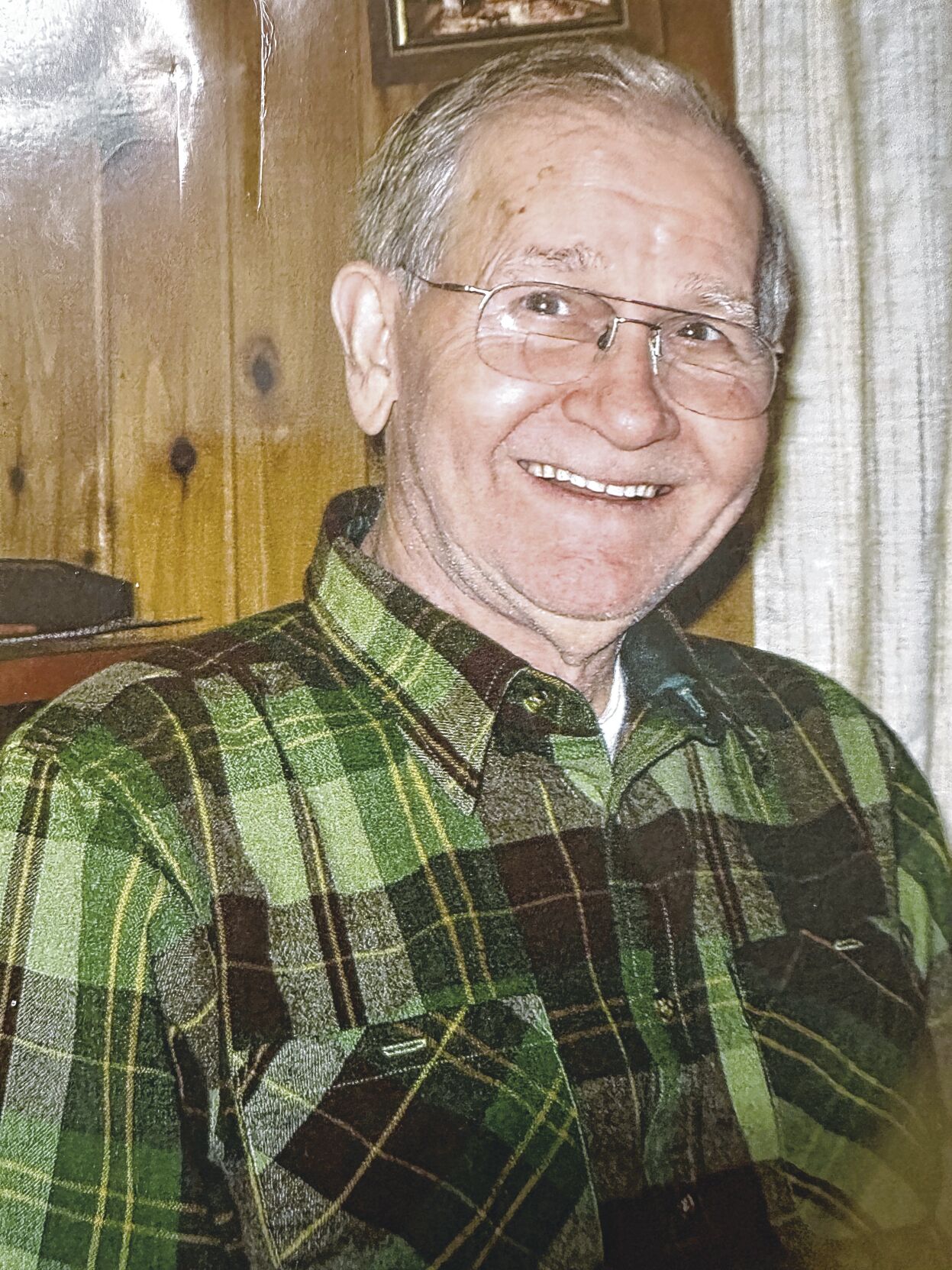
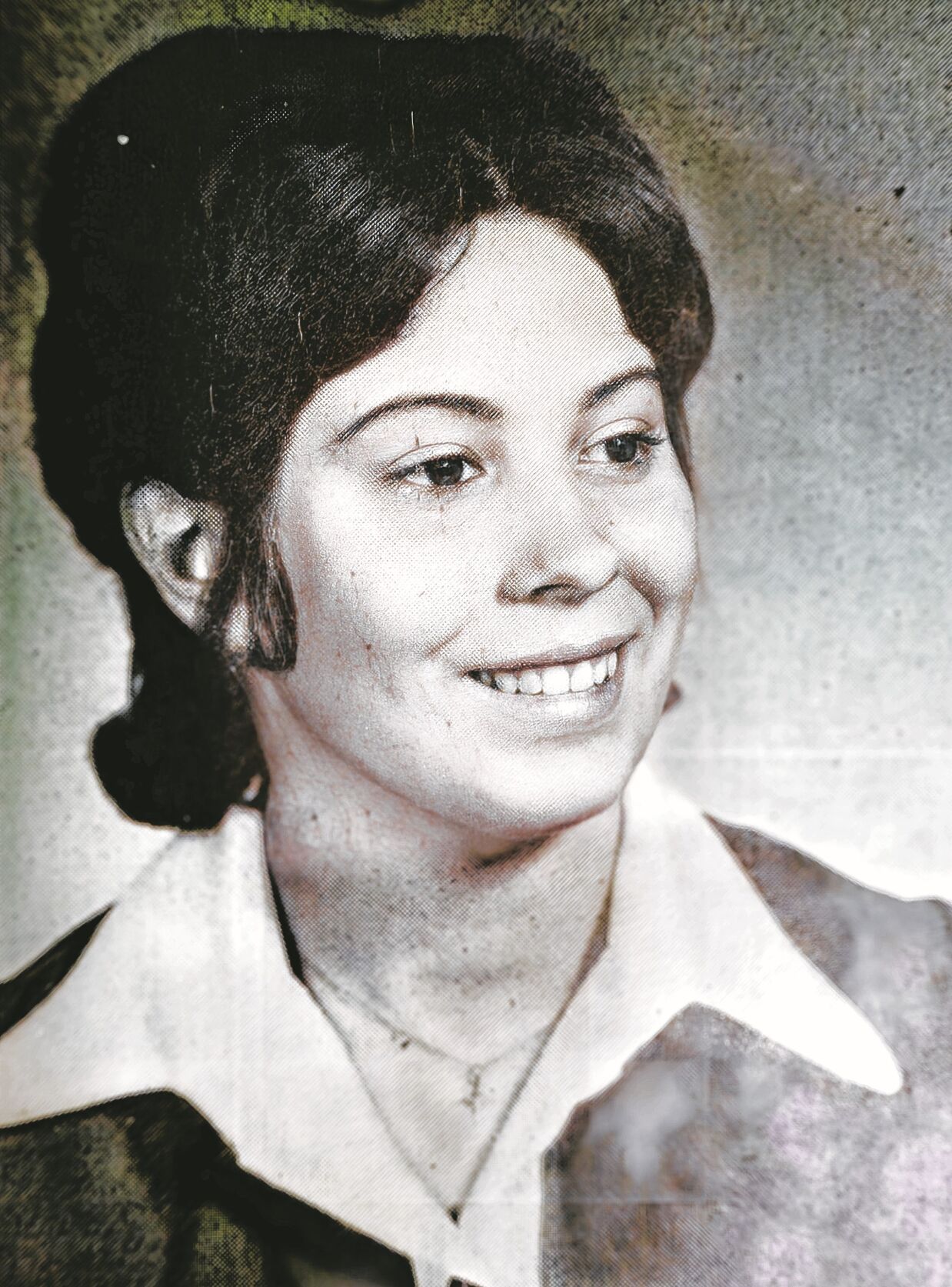
- Select Accompanying Photographs: Choose a high-resolution, clear headshot of the deceased. Ensure the image meets technical specifications, typically a minimum of 300 DPI in JPEG or PNG format, avoiding heavy digital filters or group photos.
- Submit via Official Channels: Upload the text and media through the designated online portal managed by the publication, or submit via the verified email address provided by the advertising department.
- Confirm Pricing and Word Count: Review the tiered pricing structure based on column inches, word counts, and the inclusion of photographs or customized graphics. Pay any required publication fees prior to the daily deadline.
- Proofread the Final Proof: Examine the digital proof returned by the publisher for typographical errors in names, dates, and service locations before giving final approval for print and online publication.
Understanding Submission Requirements, Costs, and Deadlines
Publishing a notice involves navigating a structured set of operational constraints designed to maintain editorial consistency and production schedules.
| Parameter | Standard Requirement | Operational Consideration |
|---|---|---|
| Daily Deadline | Typically 2:00 PM to 4:00 PM EST | Submissions received after the cutoff will appear in the second-day publication cycle. |
| Verification | Mortuary or Next-of-Kin Sign-off | Prevents fraudulent submissions; requires contact information for the submitting party. |
| Pricing Model | Flat base fee plus per-word or per-inch rates | Color photographs and extended biographical essays incur higher total publication costs. |
| Digital Hosting | Permanent online archive inclusion | Notices remain accessible indefinitely via the digital portal search engine. |
Comparative Analysis of Publication Options
Families often weigh the benefits of publishing notices through local community publications versus relying entirely on social media memorials or independent digital registry sites.
| Feature | Leader Herald Obituaries | Independent Memorial Sites | Social Media Platforms |
|---|---|---|---|
| Archival Permanence | High (Maintained in institutional databases) | Moderate (Dependent on platform longevity) | Low to Moderate (Subject to account privacy settings) |
| Genealogical Value | High (Indexed by researchers and libraries) | Low to Moderate (Isolated to specific URLs) | Minimal (Poor indexing and searchability) |
| Verification & Trust | Verified through licensed funeral providers | Varies by platform moderation standards | Unverified (Risk of impersonation or hoaxes) |
| Cost Structure | Paid advertising model based on length | Free basic tiers with paid upgrades | Free |
Frequently Asked Questions About Publishing and Accessing Notices
How do I correct an error in a published notice?
Contact the Leader Herald advertising or obituary desk immediately upon discovering an error. While corrections can usually be appended to the digital version instantly, print corrections depend on the upcoming press schedule and may require an additional notice.
Are all historical archives available for free online?
Recent notices are generally accessible through the main digital portal, but deep historical archives spanning decades may require a paid subscription or access via a local public library database.
Can I include poems or religious scriptures in the text?
Yes, poetry, religious verses, and personalized tributes are permitted, provided they comply with community decency standards and fit within the purchased space allocation.
What information is required to verify a submission?
Publishers typically require the name and license number of the funeral home handling the arrangements, along with the contact information of the family member authorizing the publication to prevent unauthorized or malicious posts.
How long does a notice remain on the active website?
Notices published on the digital platform typically remain online permanently as part of the searchable public archive, allowing future generations to access family history data without expiration.
Strategic Recommendations for Families and Researchers
When engaging with Leader Herald obituaries, precision and timeliness are paramount. Families should prepare text drafts well in advance of memorial scheduling to clear daily production deadlines smoothly. Researchers are advised to cross-reference digital transcriptions with original print scans or cemetery records to ensure absolute accuracy when compiling genealogical histories. Utilizing verified submission channels and confirming every detail on the preliminary proof prevents costly errors and ensures that the final tribute honors the memory of the deceased accurately.
Image Gallery