How Earnest Money Works for Loans: A Guide to Deposits and Mortgage Approval
Earnest money acts as a "good faith" deposit during a real estate transaction, signaling to the seller that you are committed to the purchase. While not a direct loan fee, mortgage lenders track this deposit closely, eventually applyin...
Earnest money acts as a "good faith" deposit during a real estate transaction, signaling to the seller that you are committed to the purchase. While not a direct loan fee, mortgage lenders track this deposit closely, eventually applying it as a credit toward your down payment or closing costs at the final settlement.
Contents
In the 2026 real estate market, earnest money remains a cornerstone of the home-buying process. It serves as a financial bridge between the initial offer and the final mortgage funding. For many buyers, understanding how this deposit interacts with their loan is crucial for a smooth closing. If handled incorrectly, earnest money can lead to loan delays or even the forfeiture of thousands of dollars. This guide explores the mechanics of earnest money, how lenders verify it, and how it ultimately impacts your total cash to close.
The Mechanics of Earnest Money in a Real Estate Transaction
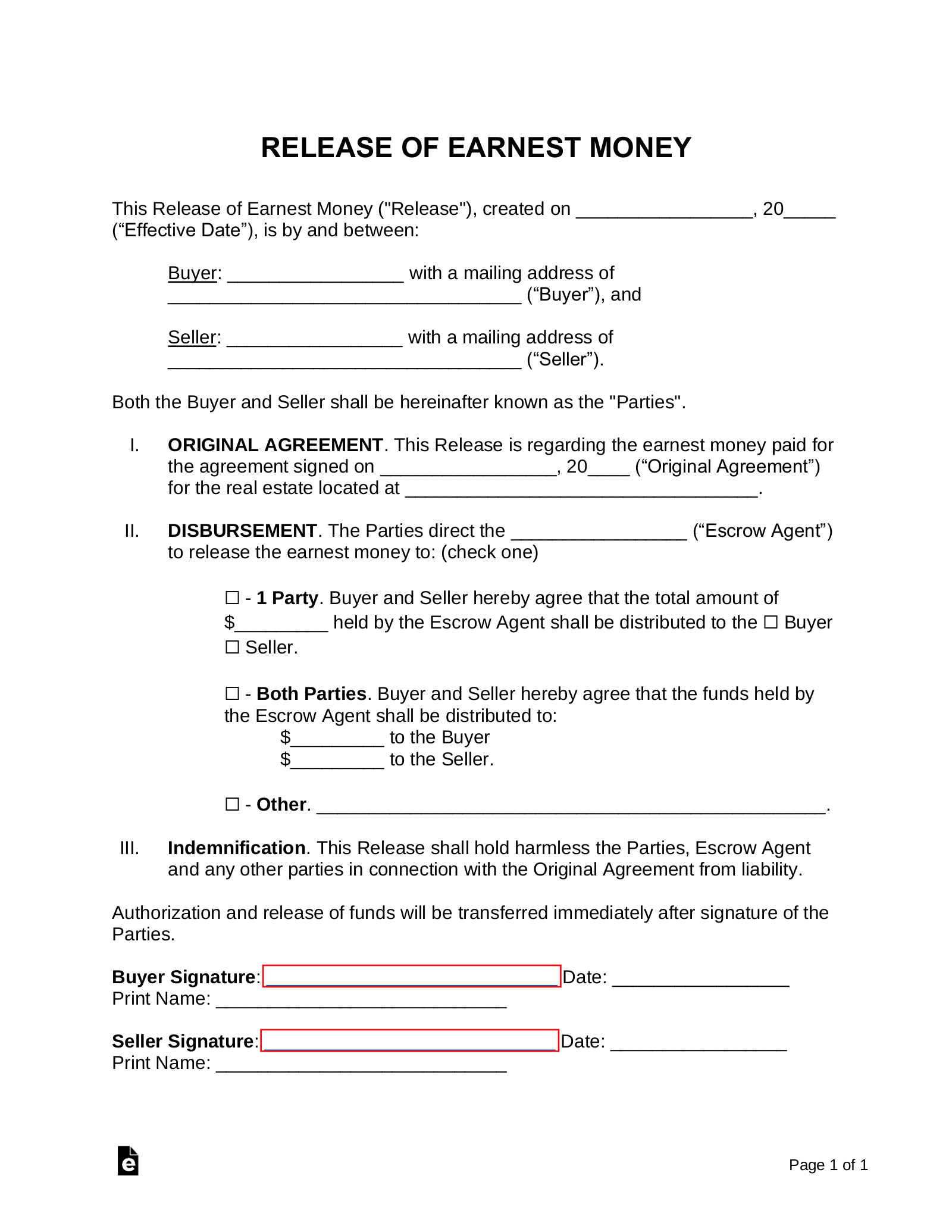
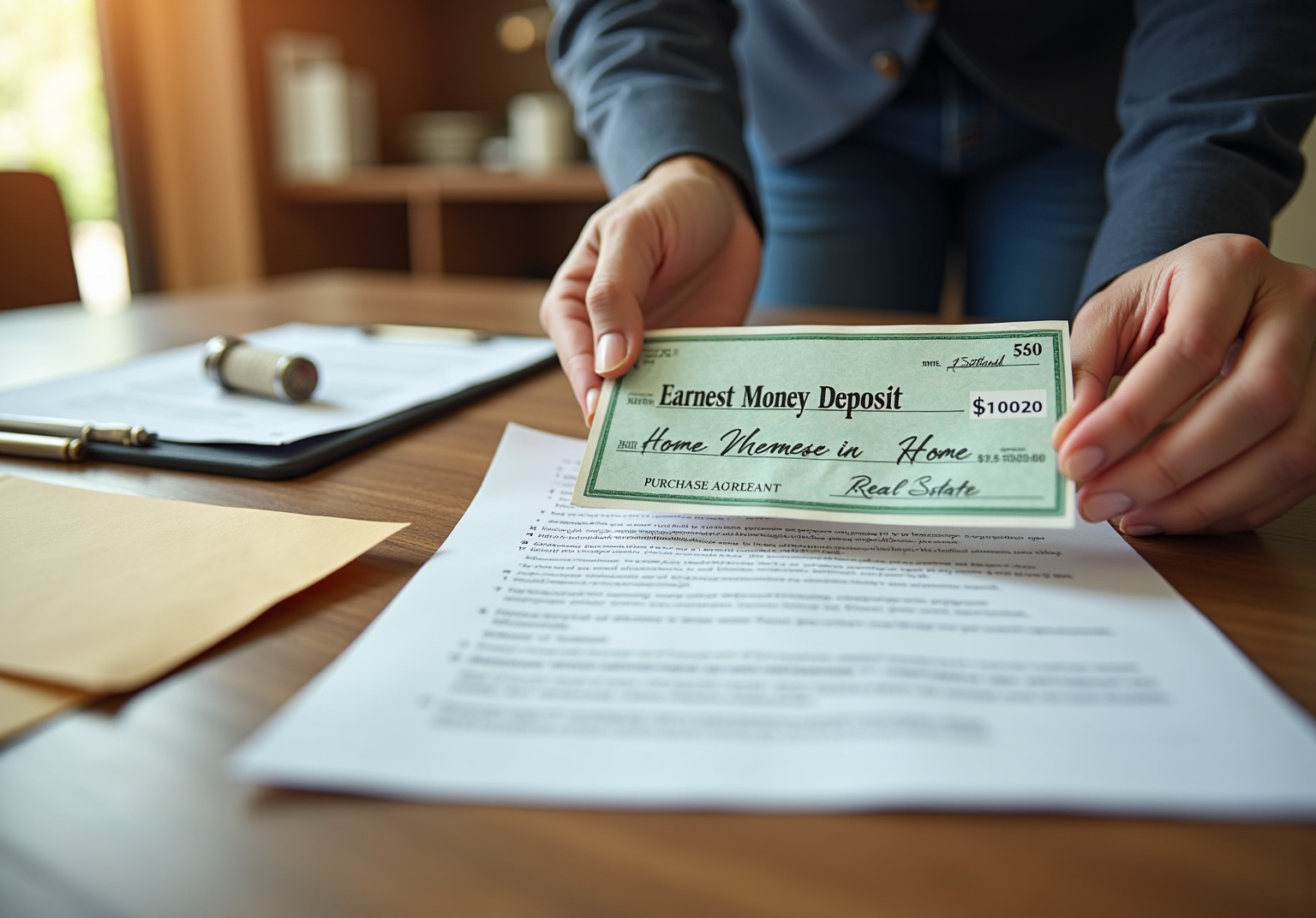
Earnest money is essentially a security deposit for a home purchase. When you make an offer on a property, you include a check or a wire transfer—typically ranging from 1% to 3% of the purchase price—to demonstrate that you are a serious buyer. This money is not handed directly to the seller; instead, it is held in a neutral escrow account managed by a title company, a real estate brokerage, or a legal firm.
The purpose of this arrangement is to protect both parties. For the seller, it provides compensation if the buyer walks away from the deal without a valid legal reason. For the buyer, it ensures the money is held safely until the transaction is finalized. Once the deal reaches the closing table, the escrow agent transfers these funds to the settlement agent, who applies the amount to the buyer's total costs.
It is important to distinguish earnest money from the down payment. While they are related, they occur at different stages. The earnest money is paid upfront, usually within 24 to 72 hours of an offer being accepted. The down payment is the total amount of equity you are putting into the home at the end of the transaction. Because the earnest money is already in the hands of the escrow agent, it is credited toward that final down payment requirement.
How Mortgage Lenders Scrutinize Earnest Money
From the perspective of a mortgage lender, earnest money is a critical piece of the financial puzzle. Lenders are required by federal regulations and internal risk management policies to verify the "source of funds" for every dollar used in a real estate transaction. This is done to prevent money laundering and to ensure that the buyer has not taken out an undisclosed loan to cover the deposit.
The Paper Trail Requirement
When you apply for a loan, your loan officer will request a Verification of Deposit (VOD) or bank statements showing that the earnest money has cleared your account. Lenders look for a "clean" trail. If you suddenly deposit $10,000 in cash into your bank account and then write an earnest money check for that same amount, the lender will likely reject those funds unless you can prove exactly where the cash came from (e.g., a sale of a vehicle with a bill of sale and title transfer).
Why Large Deposits Matter
Lenders are particularly sensitive to large, unexplained deposits. In the 2026 lending environment, automated underwriting systems are programmed to flag any deposit that exceeds a certain percentage of your monthly income. If your earnest money comes from a "mattress money" source (cash held outside of a bank), you may find it impossible to use those funds for your loan. Lenders prefer that earnest money stays in a seasoned bank account for at least 60 days prior to the transaction.
Gift Funds for Earnest Money
If a family member is providing the earnest money as a gift, specific protocols must be followed. The lender will require a gift letter signed by the donor, stating that the money is a gift and does not need to be repaid. Additionally, the lender may require proof of the donor's ability to give the funds, such as a bank statement from the donor’s account. Failure to document this properly can lead to the lender disqualifying the earnest money, forcing the buyer to come up with additional funds at closing.
Applying Earnest Money to Your Loan Balance and Closing Costs
At the end of the home-buying journey, the earnest money you paid weeks or months earlier finally "works" for you. It is recorded on the Closing Disclosure (CD)—a standard document that outlines the final terms of your loan and the costs of the transaction.
The earnest money is listed as a credit to the buyer. This credit reduces the "Cash to Close" amount. For example, if your total down payment is $30,000 and your closing costs are $5,000, your total obligation is $35,000. If you already paid $5,000 in earnest money, the Closing Disclosure will show that you only need to bring $30,000 to the final settlement.
What Happens if Earnest Money Exceeds the Down Payment?
In some scenarios, particularly with low-down-payment loans like those from the Federal Housing Administration (FHA) or VA loans, the earnest money might actually exceed the required down payment and closing costs. In these rare cases, the buyer may receive a refund of the excess earnest money at the closing table. However, this is subject to lender guidelines and the specific terms of the sales contract.
Comparing Financial Components of a Home Loan
Understanding how earnest money fits alongside other costs is essential for budgeting. The following table illustrates the differences between the various upfront and final costs associated with a mortgage.
| Feature | Earnest Money | Down Payment | Closing Costs |
|---|---|---|---|
| Timing | Within 1-3 days of contract acceptance. | At the final closing/settlement. | At the final closing/settlement. |
| Purpose | To show "good faith" to the seller. | To build initial equity in the home. | To pay for loan processing, taxes, and fees. |
| Recipient | Held in escrow (Third Party). | Paid to the lender/seller. | Paid to lenders, title companies, and govt. |
| Refundable? | Yes, if contingencies are met. | Only if the deal falls through legally. | Generally non-refundable once paid. |
| Amount | Typically 1%–3% of price. | Typically 3%–20% of price. | Typically 2%–5% of loan amount. |
Protecting Your Earnest Money via Loan Contingencies
Because earnest money is a significant amount of cash, buyers must ensure it is protected by contingencies in the purchase agreement. These are "escape hatches" that allow a buyer to walk away with their earnest money intact if certain conditions are not met.
- Financing Contingency: This is the most critical clause for a loan. It states that if the buyer is unable to secure a mortgage at specified terms within a certain timeframe, they can cancel the contract and get their earnest money back. In 2026, with fluctuating interest rates, ensuring this contingency is specific to the "prevailing market rates" is a common strategy.
- Appraisal Contingency: Lenders will not loan more than the home is worth. If the appraisal comes in lower than the purchase price, the appraisal contingency allows the buyer to renegotiate the price or cancel the deal without losing their deposit.
- Inspection Contingency: If a professional inspection reveals major structural issues or safety hazards, this contingency allows the buyer to request repairs, a price reduction, or a full refund of their earnest money if they choose to walk away.
- Title Contingency: If the title search reveals liens, judgments, or ownership disputes that the seller cannot clear, the buyer can exit the contract with their deposit.
If a buyer misses a deadline—such as the date to secure a loan commitment—they risk being in default. If the buyer defaults, the seller typically has the right to claim the earnest money as "liquidated damages." This is why staying in constant communication with your mortgage broker or loan officer is vital; they must meet the financing deadlines to protect your cash.
Practical Steps to Manage Earnest Money for Your Loan
To ensure your earnest money helps rather than hinders your loan approval, follow these best practices:
- Avoid Cash Deposits: Never use physical cash for your earnest money. Lenders cannot verify the source of cash, and it will likely be excluded from your available funds. Use a personal check, cashier's check, or wire transfer from a verified account.
- Keep Your Receipts: Save the confirmation of the wire transfer or a copy of the cancelled check once it clears your bank. Your lender will require this as "Evidence of Earnest Money Deposit."
- Do Not Move Money Around: Avoid transferring large sums between different bank accounts right before you write your earnest money check. It creates a "paperwork nightmare" for the underwriter who must then source every transfer.
- Confirm Escrow Details: Before wiring any money, call the escrow company using a verified phone number to confirm the wiring instructions. Wire fraud is a significant risk in real estate transactions, and once money is sent to a fraudulent account, it is nearly impossible to recover.
- Monitor the Calendar: Be acutely aware of your contingency periods. If your loan approval is taking longer than expected, have your real estate agent request a formal extension of the financing contingency in writing to keep your earnest money safe.
Frequently Asked Questions
Is earnest money required for all loans?
While not strictly a legal requirement for a mortgage, earnest money is a standard requirement for almost all residential real estate contracts. Sellers are unlikely to accept an offer that does not include a deposit, as it leaves them with no recourse if the buyer disappears. Even for $0-down-payment loans like VA or USDA loans, earnest money is usually paid upfront and then refunded at closing if the loan covers the full costs.
Can I use a credit card for earnest money?
Generally, no. Most escrow companies and title firms do not accept credit cards for earnest money deposits due to the high fees and the ability for consumers to "charge back" the transaction. Furthermore, mortgage lenders would view a credit card deposit as a new debt, which would increase your debt-to-income (DTI) ratio and potentially disqualify you from the loan.
Does earnest money reduce my monthly mortgage payment?
Not directly. Earnest money reduces the amount of cash you need to bring to the closing table. However, because it is credited toward your down payment, it indirectly influences your loan-to-value (LTV) ratio. If you put down a larger deposit that leads to a larger overall down payment, you may borrow less money, which would result in a lower monthly mortgage payment.
What happens to the earnest money if the seller backs out?
If the seller cancels the contract for a reason not allowed by the agreement, the buyer is entitled to a full refund of their earnest money. In some jurisdictions, the buyer may also be able to sue for "specific performance" to force the sale or seek additional damages, but at a minimum, the deposit must be returned.
Can I borrow the earnest money from a friend?
Borrowing earnest money is risky. Lenders treat any borrowed money as a debt that must be included in your DTI calculations. If you borrow $5,000 for a deposit, the lender must account for a monthly repayment on that $5,000, which could lower the maximum loan amount you qualify for. If the money is a gift rather than a loan, it must be documented with a gift letter.
Summary and Next Actions
Earnest money is more than just a gesture of commitment; it is a vital financial component that integrates directly with your mortgage. By acting as an early down payment, it reduces your final cash requirement and proves your financial stability to the seller. However, because lenders scrutinize the source of these funds so heavily, you must maintain a clear, documented path for every dollar you put down.
If you are preparing to make an offer, your next action should be to ensure your funds are "seasoned" in a single bank account and to consult with your lender about the specific documentation they will require for the deposit. By aligning your earnest money payment with your mortgage requirements, you protect your investment and pave the way for a successful home purchase in 2026.
Image Gallery