Understanding Corporate Bonds Risk Level: A Comprehensive Guide for 2026 Investors
Corporate bond risk levels are primarily determined by an issuer's creditworthiness and the sensitivity of the bond's price to fluctuating interest rates. These debt instruments range from low-risk "investment-grade" securities to high...
Corporate bond risk levels are primarily determined by an issuer's creditworthiness and the sensitivity of the bond's price to fluctuating interest rates. These debt instruments range from low-risk "investment-grade" securities to high-risk "junk bonds." Investors must evaluate credit ratings, duration, liquidity, and economic conditions to determine if the yield justifies the potential for default or capital loss.
Contents
The Hierarchy of Credit Risk: Ratings and Default Probability
The most visible indicator of a corporate bond's risk level is its credit rating. Assigned by independent agencies—primarily Standard & Poor’s (S&P), Moody’s Investors Service, and Fitch Ratings—these grades represent a professional assessment of a company’s ability to meet its financial obligations. As of 2026, the criteria for these ratings remain centered on cash flow stability, debt-to-equity ratios, and industry-specific headwinds.
Investment-Grade vs. Speculative-Grade
The market is fundamentally bifurcated into two categories: investment-grade and high-yield (speculative). Investment-grade bonds are issued by companies with strong balance sheets and a high likelihood of making timely interest and principal payments. These ratings range from AAA (the highest quality) down to BBB- (on the S&P/Fitch scale) or Baa3 (on the Moody’s scale).
Speculative-grade bonds, commonly known as "junk bonds," carry ratings of BB+ or Ba1 and below. These securities offer higher yields to compensate investors for the significantly higher risk of default. While they can provide substantial returns, they are also more sensitive to economic downturns. If a company's rating is downgraded from investment-grade to speculative, it is often referred to as a "fallen angel," a transition that usually triggers a sharp sell-off as many institutional funds are prohibited from holding non-investment-grade debt.
The Significance of the Credit "Cliff"
The distinction between BBB- and BB+ is the most critical threshold in the corporate bond market. This "cliff" represents a fundamental shift in risk profile. Companies rated at the bottom tier of investment-grade (BBB) are often highly leveraged and may struggle during recessions, but they still maintain access to broader capital markets. Once a company crosses into the speculative tier, its borrowing costs rise dramatically, reflecting the market's concern over its long-term solvency.
Interest Rate Risk and the Impact of Duration
Even if a company is financially rock-solid, its bonds carry market risk, specifically interest rate risk. This is the risk that changes in the prevailing interest rate environment will negatively affect the bond's market value. There is an inverse relationship between interest rates and bond prices: when rates rise, the price of existing bonds falls, and vice versa.
Understanding Duration
Duration is a technical measurement expressed in years that quantifies a bond's price sensitivity to interest rate changes. For example, a bond with a duration of five years will typically lose 5% of its value if interest rates rise by 1%. In the current 2026 economic landscape, where central bank policies continue to navigate post-inflationary stability, understanding duration is vital for managing portfolio volatility.
Long-term bonds generally have higher durations than short-term bonds. This means that a 30-year corporate bond issued by a blue-chip technology company might actually be "riskier" in a rising-rate environment than a 5-year bond issued by a less stable company, at least in terms of price volatility. Investors seeking to minimize risk must balance the desire for higher yields (which usually come with longer maturities) against the potential for capital erosion if interest rates climb.
The Role of the Yield Curve
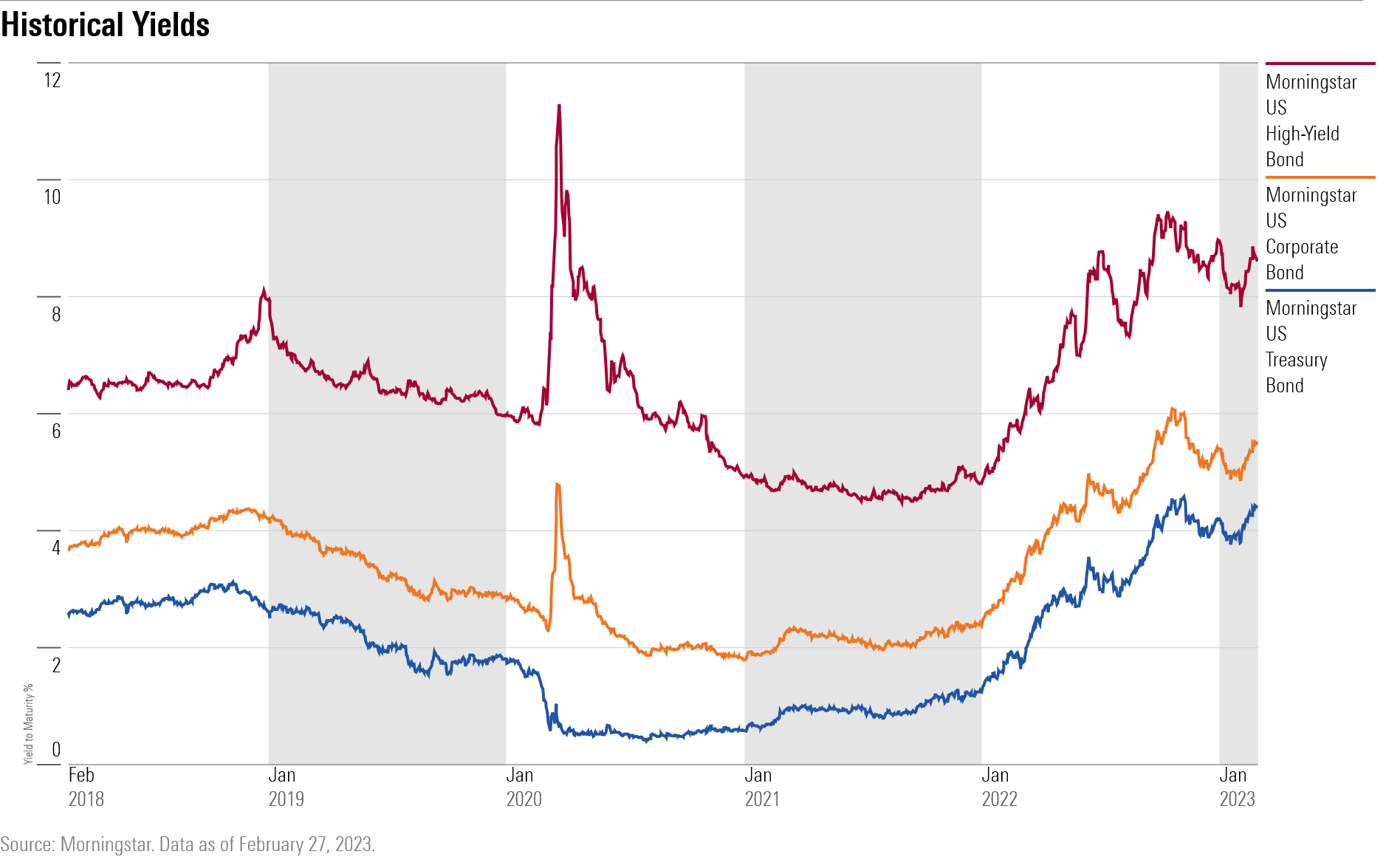
The shape of the yield curve—the graphical representation of yields across different maturities—serves as a barometer for future economic expectations. A "normal" upward-sloping curve suggests that investors demand higher compensation for the risk of holding debt over longer periods. An inverted yield curve, where short-term rates are higher than long-term rates, often signals an impending economic slowdown, which can increase the default risk for corporate issuers across the board.
Liquidity Risk: The Challenge of Secondary Market Trading
Liquidity risk refers to the difficulty an investor might face when trying to sell a corporate bond quickly without taking a significant hit on the price. Unlike the stock market, where shares of major companies trade millions of times a day on centralized exchanges, corporate bonds primarily trade over-the-counter (OTC).
Market Depth and Bid-Ask Spreads
The liquidity of a corporate bond is highly dependent on the size of the issuance and the reputation of the issuer. High-volume "benchmark" bonds from massive corporations like Apple or JPMorgan Chase are relatively liquid. However, smaller issuances or bonds from distressed companies may have very thin markets.
In times of market stress, liquidity can evaporate. The "bid-ask spread"—the difference between what a buyer is willing to pay and what a seller is willing to accept—widens significantly. For individual investors, this means that even if the "quoted" price of a bond looks stable, the actual execution price could be much lower, especially if they need to exit a position during a period of high volatility.
Impact of Institutional Dominance
Because the corporate bond market is dominated by large institutional players—insurance companies, pension funds, and mutual funds—retail investors are often at a disadvantage. These institutions often buy and hold bonds until maturity, further reducing the amount of "float" available for active trading in the secondary market. According to FINRA, understanding these execution nuances is essential for anyone trading outside of a diversified bond fund.
Call Risk and Reinvestment Challenges
Many corporate bonds are "callable," meaning the issuer has the right to pay back the principal before the official maturity date. This introduces "call risk," which typically occurs when interest rates have fallen.
Why Issuers Call Bonds
If a company issued debt at a 7% interest rate and market rates have since dropped to 4%, the company can save money by "calling" the old debt and issuing new bonds at the lower rate. For the investor, this is a disadvantage. Not only is their high-yielding investment taken away, but they are also forced to reinvest that capital into a lower-interest-rate environment. This is known as reinvestment risk.
Protecting Against Calls
To evaluate this risk, investors should look at the "Yield to Call" (YTC) rather than just the "Yield to Maturity" (YTM). The YTC provides the expected return assuming the bond is called at the earliest possible date. Bonds with "call protection"—a period during which the issuer cannot call the bond—offer more certainty but often come with slightly lower initial yields.
Comparing Risk Levels Across Bond Tiers
The following table summarizes the typical risk characteristics associated with different corporate bond rating tiers in 2026.
| Rating Category (S&P/Moody's) | Risk Level | Default Probability | Price Sensitivity | Typical Use Case |
|---|---|---|---|---|
| AAA to AA / Aaa to Aa | Very Low | Extremely Remote | High (Duration-driven) | Capital preservation for conservative portfolios. |
| A to BBB / A to Baa | Low to Moderate | Low, but sensitive to cycles | Moderate | Core holdings for balanced income. |
| BB to B / Ba to B | High | Significant in downturns | Moderate to High | Yield enhancement for aggressive investors. |
| CCC and Below / Caa and Below | Very High | Imminent or likely | Extreme (Credit-driven) | Distressed debt speculation. |
Sector-Specific Risks and Macroeconomic Factors
Not all corporate bonds of the same rating are created equal. The industry in which a company operates can introduce unique risk variables. For example, energy sector bonds are highly sensitive to commodity price fluctuations, while financial sector bonds are deeply tied to regulatory changes and interest rate spreads.
Inflation Risk
Inflation is a silent predator for bondholders. Since bonds typically pay a fixed coupon, rising inflation erodes the purchasing power of that future income. If a corporate bond pays a 5% coupon but inflation is running at 4%, the real return is only 1%. High inflation also leads central banks to raise interest rates, which, as established, pushes bond prices down.
Event Risk
Corporate bonds are also subject to "event risk"—unforeseen developments such as a leveraged buyout (LBO), a major lawsuit, or a catastrophic industrial accident. In an LBO, a company might take on massive amounts of new debt to take the firm private, which often leads to a sudden downgrade of existing bonds, causing their market value to plummet.
Frequently Asked Questions
What is the safest corporate bond to buy?
The safest corporate bonds are those with an AAA rating from agencies like S&P or Moody's. These are issued by companies with exceptional financial strength and massive cash reserves. However, "safe" in this context refers to credit risk; these bonds still face interest rate risk, meaning their market price will fluctuate if interest rates change.
How do I know if a bond is likely to default?
Investors should monitor the company's interest coverage ratio (earnings relative to interest expenses) and its debt-to-EBITDA ratio. A declining coverage ratio or a sudden increase in debt levels are often precursors to a credit rating downgrade. Furthermore, if a bond's yield begins to rise significantly above its peers (widening spreads), it indicates the market is pricing in a higher probability of default.
Should I buy individual bonds or a bond fund?
Individual bonds allow you to control for maturity and avoid management fees, but they require a large amount of capital to achieve proper diversification. For most retail investors, bond ETFs or mutual funds are safer because they spread the risk across hundreds of different issuers, mitigating the impact if one company defaults.
What happens to my bond if the company goes bankrupt?
In the event of a bankruptcy, bondholders are "creditors" and have a higher claim on assets than stockholders. However, the recovery rate depends on the bond's seniority. Senior secured bonds are backed by specific collateral and are paid first. Unsecured sub-ordinated bonds are lower in the hierarchy and may result in a total loss or a partial "haircut" where you receive only a fraction of your original investment.
How does the current 2026 economy affect bond risk?
In 2026, the focus is on the "soft landing" or "steady state" of the global economy. While the extreme volatility of the early 2020s has subsided, investors must watch for refinancing risk. Many companies that issued cheap debt in 2020-2021 are now facing the need to roll over that debt at significantly higher 2026 rates, which could put pressure on their profit margins.
Practical Recommendation for Investors
To effectively manage corporate bond risk, investors should adopt a "laddered" strategy. By purchasing bonds that mature at different intervals (e.g., 1, 3, 5, and 10 years), you can mitigate interest rate risk; as shorter-term bonds mature, the proceeds can be reinvested at current market rates.
Furthermore, always verify the prospectus for "Change of Control" covenants, which can protect you if the company is acquired. For those seeking a balance between yield and safety, focusing on the "Upper Medium Grade" (A-rated) segment often provides a compelling risk-adjusted return compared to the razor-thin margins of AAA bonds or the high volatility of the junk market. For more detailed data on specific issuances, consult the SEC’s EDGAR database to review a company's latest financial filings and debt obligations.
Image Gallery