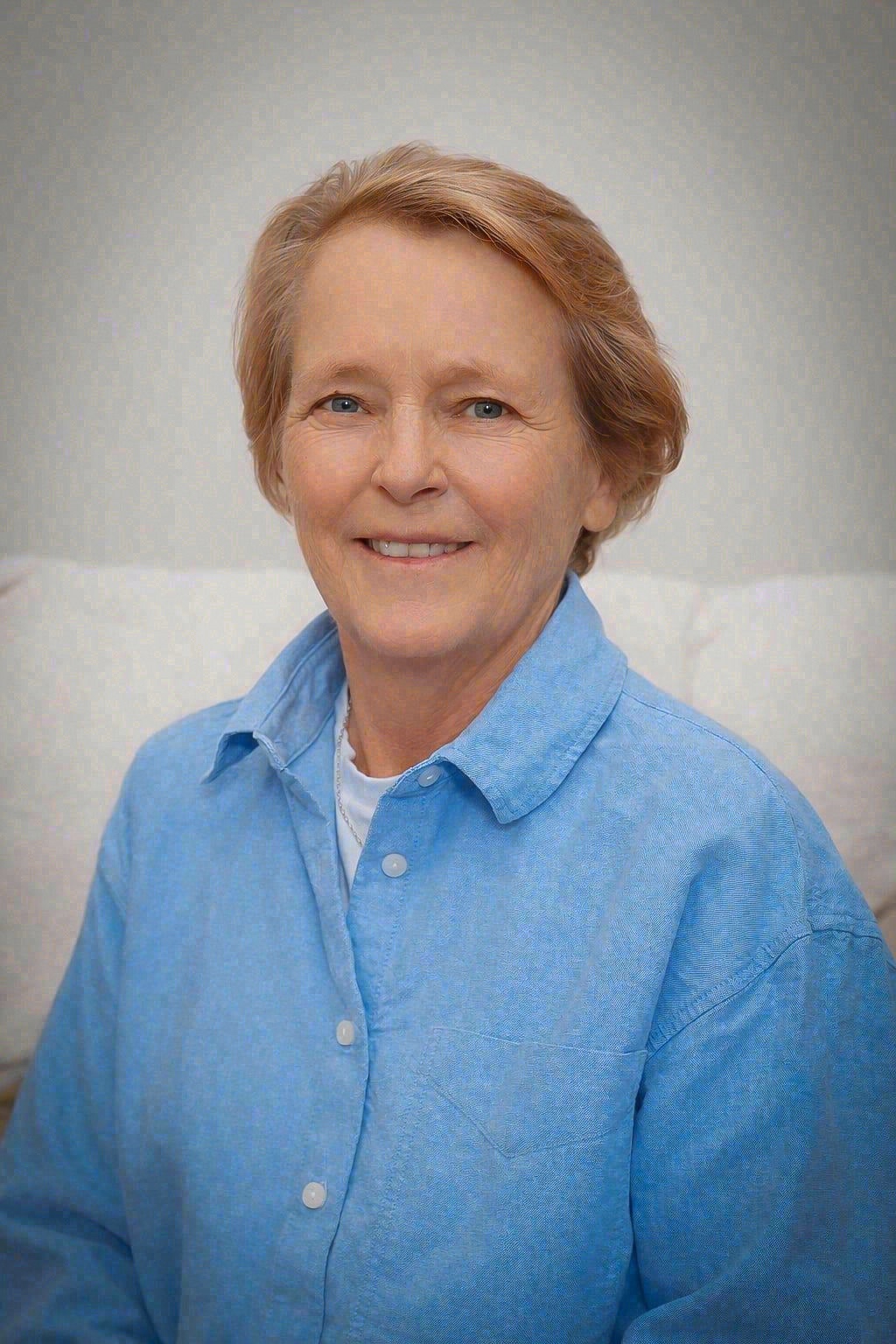
Susan Morrow Cause of Death and Legacy: A Look Back in 2026
Susan Morrow, the prominent American actress of the 1950s, passed away on May 8, 1985, at the age of 52. Her death was attributed to natural causes, a term often used in biographical records when a specific illness or sudden medical ev...
Susan Morrow, the prominent American actress of the 1950s, passed away on May 8, 1985, at the age of 52. Her death was attributed to natural causes, a term often used in biographical records when a specific illness or sudden medical event is not publicly detailed by the family to maintain privacy. While her life was cut relatively short, her contributions to the Golden Age of Hollywood and early television remain a subject of study for film historians and enthusiasts in 2026.
Contents
It is important to clarify for modern audiences that this biographical analysis focuses on the historical figure Susan Morrow (born Jacqueline Anne Shirley), the actress known for her roles in Westerns and film noir. This is distinct from the fictional character Susan Morrow portrayed by Amy Adams in the 2016 film Nocturnal Animals, based on the novel Tony and Susan.
The Life and Career of Susan Morrow: From Teaneck to Technicolor
To understand the context of Susan Morrow’s passing and her lasting impact, one must look at the trajectory of her career during a transformative era in American cinema. Born Jacqueline Anne Shirley on May 25, 1932, in Teaneck, New Jersey, she was the younger sister of the iconic film noir star Lizabeth Scott. This familial connection provided a gateway into the industry, but Morrow’s talent allowed her to carve out her own distinct niche.
Morrow’s career began in the early 1950s, a period when the studio system was beginning to grapple with the rising popularity of television. She was signed to Paramount Pictures, a studio known for its high production values and roster of legendary stars. Her screen debut in the 1952 film The Savage, where she starred opposite Charlton Heston, solidified her as a rising talent capable of holding her own alongside Hollywood heavyweights.
Key Filmography and Artistic Contributions
Throughout the 1950s, Susan Morrow appeared in several films that are still analyzed in 2026 for their cultural and cinematic significance. Her roles often required a blend of vulnerability and strength, characteristics that were highly sought after in the post-war era of filmmaking.
- The Savage (1952): Playing the role of Tally Dickinson, Morrow showcased her ability to navigate the complex dynamics of Western dramas. The film dealt with themes of cultural conflict and identity, providing a more nuanced take than many of its contemporaries.
- The Hitch-Hiker (1953): In this film noir classic directed by Ida Lupino, Morrow played a smaller but pivotal role. The film is notable for being one of the few noirs directed by a woman during that era, and Morrow’s participation links her to a significant moment in feminist film history.
- Battle of Rogue River (1954): Another Western that highlighted her popularity in the genre, demonstrating her consistency as a leading lady during the mid-50s.
- Cat-Women of the Moon (1953): For fans of cult cinema and early science fiction, this film remains a staple. Morrow’s role as Lambeth helped the film achieve a lasting legacy in the "B-movie" circuit, which continues to see digital restorations and screenings in 2026.
Analyzing the Circumstances of Her Death in 1985
When news of Susan Morrow's death broke in May 1985, the entertainment industry mourned the loss of a talent who had largely stepped away from the spotlight years prior. Unlike the sensationalized deaths of some of her contemporaries, Morrow's passing was handled with a level of discretion that was common for stars who had transitioned into private life.
The Definition of "Natural Causes" in a Historical Context
In 1985, the phrase "natural causes" was a standard designation on death certificates and in public announcements when a death resulted from internal biological factors rather than external trauma, accidents, or foul play. For a woman of 52, natural causes could encompass a wide range of medical issues, including sudden cardiac events or complications from a chronic condition.
Because the Morrow family, including her sister Lizabeth Scott, valued their privacy, no further medical specifics were released to the press. In the landscape of 2026 celebrity culture, where medical details are often shared instantly on social media, the silence surrounding Morrow’s exact medical diagnosis serves as a reminder of an era where personal health was treated as a private family matter.
The Impact on the Morrow-Scott Family
The death of Susan Morrow was a significant blow to her sister, Lizabeth Scott. Scott, who outlived her sister by nearly thirty years (passing in 2015), rarely spoke publicly about the specific details of Susan's illness or final moments. This bond between the two sisters was one of the few constants in the volatile world of Hollywood, and the loss of Susan marked the end of a specific chapter in their family's cinematic history.
Comparing the 1950s Studio Era to the 2026 Industry Standards
The career and subsequent passing of Susan Morrow highlight the stark differences between how stars were managed in the mid-20th century versus how they are viewed today. In 2026, the preservation of film history and the health of actors are handled with significantly different protocols.
| Feature | 1950s Studio Era (Morrow's Prime) | 2026 Industry Standards |
|---|---|---|
| Contractual Stability | Long-term studio contracts (e.g., Paramount) | Gig-based economy and multi-project franchises |
| Health Privacy | High; causes of death often generalized | Low; transparency often mandated by public interest/social media |
| Media Coverage | Controlled by studio PR and trade magazines | Decentalized via social media and independent journalism |
| Genre Focus | Westerns, Noirs, and Musical Comedies | Sci-Fi, Superheroes, and AI-integrated media |
| Archival Status | Physical film reels; high risk of loss | AI-enhanced 8K digital restorations and cloud backups |
| Retirement | Often abrupt; stars faded into private life | Perpetual presence through digital likenesses and social media |
The Transition from Film to Television
By the late 1950s, Susan Morrow, like many of her peers, recognized the shifting tide of the entertainment industry. The rise of television sets in American households led to a decline in theater attendance for "B" features, prompting many film actors to seek work in the new medium.
Morrow’s television career was prolific, appearing in guest spots on iconic series such as:
- Gunsmoke
- Perry Mason
- The Millionaire
- Macabre Theatre
These roles allowed her to remain active in the industry even as her film career slowed down. By the early 1960s, Morrow largely retired from acting, choosing to focus on her personal life and family. This transition is a key reason why her death in 1985 did not receive the same level of tabloid scrutiny as those currently active in the industry might have. She had successfully bridged the gap between being a public figure and a private citizen.
Technical Preservation of Susan Morrow’s Work in 2026
As of 2026, the preservation of 1950s cinema has reached a new technological peak. For fans of Susan Morrow, this means her work is more accessible than ever. Organizations like the American Film Institute (AFI) and the National Film Registry have prioritized the restoration of mid-century Westerns and Noirs.
Expert Insight on Film Preservation
The Role of Digital Restoration: In 2026, AI-driven restoration tools have allowed archivists to remove grain, correct color degradation in Technicolor films like The Savage, and enhance audio tracks that were previously muffled. This ensures that Susan Morrow’s performances are seen by new generations in a quality that matches or exceeds the original theatrical experience.
The Importance of Metadata: Current archival standards require detailed metadata for every performer. This prevents the "disambiguation" issues mentioned earlier, ensuring that historical records for Susan Morrow (the actress) are not conflated with fictional characters or contemporary namesakes in digital libraries.
Frequently Asked Questions Regarding Susan Morrow
What was the exact cause of death for actress Susan Morrow? Susan Morrow died of natural causes on May 8, 1985. While the term is broad, it indicates that her passing was due to internal health factors rather than an accident or external injury. Her family chose not to disclose more specific medical details, such as a particular disease or sudden cardiac event.
How old was Susan Morrow when she passed away? She was 52 years old. Her relatively young age at the time of her death was a shock to her former colleagues and fans, though she had been retired from the public eye for over two decades by that point.
Was Susan Morrow related to Lizabeth Scott? Yes, Susan Morrow was the younger sister of Lizabeth Scott, the famous film noir actress. Their relationship was close, and both sisters made significant contributions to Paramount Pictures and the film industry during the 1950s.
What are Susan Morrow’s most famous movies? She is best remembered for her roles in The Savage (1952) opposite Charlton Heston, the film noir The Hitch-Hiker (1953), and the cult science-fiction classic Cat-Women of the Moon (1953).
Where can I watch Susan Morrow's films in 2026? Most of her major films are available on high-definition streaming platforms specializing in classic cinema, such as the Criterion Channel or dedicated studio archive apps. Physical media collectors can also find 4K restorations of her Westerns.
The Cultural Legacy of a 1950s Starlet
Susan Morrow represents a specific archetype of the mid-century actress: talented, versatile, and capable of navigating the transition from the big screen to the small screen. Her death in 1985 marked the end of a life lived both in the intense glare of Hollywood's spotlight and the quiet dignity of private retirement.
In 2026, we view her not just as a name on a credit roll, but as a bridge between the classic studio system and the modern era of television. Her ability to hold her own against stars like Charlton Heston and directors like Ida Lupino speaks to a professional resilience that is still admired by actors today.
While the "cause of death" is the primary query for many, her "cause of life"—her work, her family ties, and her contribution to the genres of Westerns and Noir—is what truly defines her place in history. As film historians continue to digitize and analyze the 1950s, Susan Morrow’s presence remains a steady and graceful reminder of a pivotal era in American storytelling.
If you are a researcher or a fan looking for more information on actresses of the 1950s, we recommend visiting the official archives of Paramount Pictures or the American Film Institute's digital database for comprehensive records on Susan Morrow's professional journey and her impact on the industry.
Image Gallery