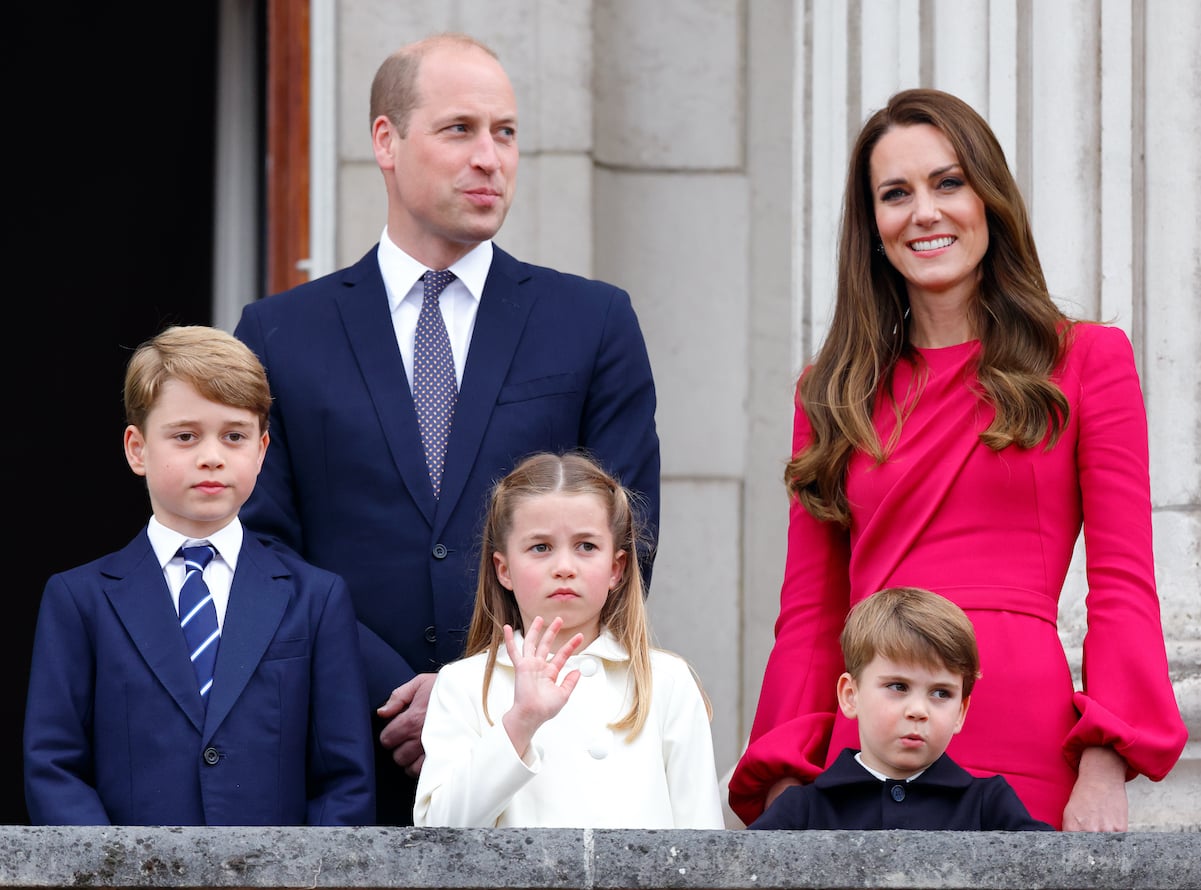
Prince William and Kate and Family: The Future of the British Monarchy in 2026
Prince William and Kate, the Prince and Princess of Wales, serve as the primary representatives of the modern British monarchy. In 2026, their family—including Prince George, Princess Charlotte, and Prince Louis—balances high-profile d...
Prince William and Kate, the Prince and Princess of Wales, serve as the primary representatives of the modern British monarchy. In 2026, their family—including Prince George, Princess Charlotte, and Prince Louis—balances high-profile diplomatic duties with a commitment to social causes like mental health, early childhood development, and environmental conservation, while navigating the complexities of contemporary royal life.
Contents
The Evolution of the Prince of Wales’s Role
As of 2026, Prince William has fully transitioned into his role as the Prince of Wales and the Duke of Cornwall, roles he assumed in September 2022. His position is no longer merely ceremonial; it involves the management of the Duchy of Cornwall, a private estate established in 1337 to provide an income for the heir apparent. William has utilized the Duchy’s resources to spearhead social initiatives, most notably in the realm of social housing and the eradication of homelessness.
His "Homewards" program, launched in 2023, has reached a critical five-year milestone by 2026. This initiative focuses on making homelessness "rare, brief, and unrepeated" by working with local authorities across the United Kingdom. William’s approach reflects a shift toward "impact philanthropy," where the Prince uses his platform not just for awareness, but to facilitate structural change in British society.
Furthermore, his global environmental initiative, The Earthshot Prize, continues to be his primary international legacy. By 2026, the prize has entered its sixth year of awarding £1 million grants to innovators solving the planet's greatest environmental challenges. William’s work here positions him as a global statesman, bridging the gap between traditional royal diplomacy and modern climate activism.
The Princess of Wales and Her Strategic Impact
The Princess of Wales, Catherine, has solidified her status as one of the most influential members of the Royal Family. Following her return to full public duties after her health challenges in 2024, her work in 2026 remains deeply rooted in the "Shaping Us" campaign and the work of The Royal Foundation Centre for Early Childhood.
Catherine’s focus is technical and science-based, concentrating on the first five years of a child’s life. She has collaborated with neuroscientists, psychologists, and educators to highlight how early experiences shape adult outcomes, including mental health and relationship stability. This "life’s work," as she describes it, has led to significant policy discussions within the UK government regarding childcare and maternal health.
In addition to her early years work, the Princess maintains a heavy portfolio of patronages, including the All England Lawn Tennis and Croquet Club and various arts and mental health organizations. Her role in 2026 is characterized by a balance of traditional "soft power"—attending state banquets and representing the Crown abroad—and a rigorous, data-driven approach to her charitable endeavors.
Education and Public Life of the Wales Children
The upbringing of Prince George, Princess Charlotte, and Prince Louis is a central focus for William and Kate. The couple has famously sought to provide a "normal" childhood for their children, heavily influenced by the Middleton family's more private, grounded lifestyle.
- Prince George: In 2026, Prince George is 13 years old and has entered a critical stage of his education. As the second in line to the throne, his schooling is a matter of national interest. Following in his father’s footsteps, his secondary education focuses on a broad curriculum that prepares him for future constitutional responsibilities while allowing him to explore personal interests in sports and the environment.
- Princess Charlotte: At 11 years old, Princess Charlotte is often noted for her confident public demeanor. In 2026, she continues her primary education, frequently accompanying her parents to major royal events. Her role is increasingly seen as a vital support to George, mirroring the "spare" role but with a modern, collaborative emphasis.
- Prince Louis: At 8 years old, Prince Louis remains a favorite of the public for his spirited personality. His appearances are still carefully managed to ensure he is not overwhelmed by the spotlight, primarily attending family-oriented events like the Trooping the Colour or Christmas at Sandringham.
The family resides primarily at Adelaide Cottage in Windsor, which allows the children to attend school nearby while remaining close to King Charles III at Windsor Castle. This geographical proximity facilitates both the family’s privacy and their accessibility for official duties.
Comparing the Core Initiatives of the Wales Family
The family's work is organized through The Royal Foundation, which serves as the primary philanthropic vehicle for their projects. The following table outlines the key pillars of their work as of 2026.
| Initiative | Lead Royal | Primary Focus | Key Goal by 2026 |
|---|---|---|---|
| The Earthshot Prize | Prince William | Environmental Innovation | Scaling 50+ global climate solutions. |
| Homewards | Prince William | Ending Homelessness | Demonstrating success in six UK flagship locations. |
| Shaping Us | Princess Catherine | Early Childhood Development | Integrating early years science into UK national policy. |
| Mental Health Innovations | Joint | Emotional Wellbeing | Reducing stigma in emergency responders and students. |
| United for Wildlife | Prince William | Conservation & Legal Policy | Disrupting illegal wildlife trade through global transport hubs. |
Managing the "Slimmed-Down" Monarchy
In 2026, the British Monarchy continues to operate under the "slimmed-down" model favored by King Charles III. This has placed an increased burden of responsibility on Prince William and Kate. With fewer working royals available to handle hundreds of patronages and domestic engagements, the Waleses have had to be more selective.
They have moved away from the "ribbon-cutting" style of royalty, preferring fewer, high-impact engagements over a high volume of brief appearances. This strategy is designed to ensure that their presence adds measurable value to an organization or cause. This shift is also a response to the 21st-century media landscape, where digital presence and long-form storytelling (such as documentaries and social media campaigns) often reach more people than traditional royal tours.
The family’s relationship with the media in 2026 is governed by a strict "privacy for access" trade-off. By providing the public with high-quality photographs and videos of the children on birthdays and special occasions, William and Kate have successfully negotiated a degree of privacy for their children’s daily school lives and home activities.
Operational Logistics and Security
The security and logistical requirements for a family of five in the direct line of succession are immense. In 2026, the Wales family is protected by the Royalty and Specialist Protection (RaSP) unit of the Metropolitan Police. This protection extends to their residences, international travel, and the children’s schools.
The cost of this security is often a point of public debate. To mitigate this, William and Kate have streamlined their travel, often opting for commercial flights when feasible or utilizing the RAF’s Voyager aircraft for official state business. Their lifestyle at Adelaide Cottage is notably more modest than previous generations of royals, with a smaller household staff and a focus on self-sufficiency in their private time.
Frequently Asked Questions
Where do Prince William, Kate, and their family live in 2026?
The family primarily resides at Adelaide Cottage on the Windsor Home Park estate. They also frequently spend time at Anmer Hall in Norfolk, which serves as their country retreat and was a wedding gift from Queen Elizabeth II. Their official London residence and office remain at Kensington Palace.
What is the line of succession for the Wales children?
As of 2026, the line of succession remains unchanged: Prince William is the heir apparent (1st), followed by Prince George (2nd), Princess Charlotte (3rd), and Prince Louis (4th). The Succession to the Crown Act 2013 ensures that Charlotte’s place in line is not displaced by her younger brother.
How has Princess Catherine’s role changed since her health recovery?
Princess Catherine has returned to a full schedule of public duties but with a more focused approach. She prioritizes her work with the Centre for Early Childhood and high-profile state events. Her health journey has also led her to become a more prominent advocate for cancer awareness and the importance of preventive health screenings.
Does Prince William earn a salary?
Prince William does not receive a traditional salary. Instead, he receives the annual surplus from the Duchy of Cornwall. This income covers the official, charitable, and private lives of the Prince, the Princess, and their children, as well as the costs of their private office.
What schools do the royal children attend in 2026?
While the Palace maintains a level of privacy regarding the children's specific educational institutions, Prince George has moved into secondary education, while Charlotte and Louis continue their schooling in the Berkshire area, following a curriculum that emphasizes both academic achievement and outdoor learning.
Recommendation for Further Engagement
For those looking to stay updated on the Wales family’s official activities and philanthropic impact in 2026, the most reliable source is the official website of the British Royal Family. Additionally, the annual impact reports published by The Royal Foundation provide detailed insights into the progress of the Earthshot Prize and the Shaping Us campaign. To understand the constitutional role of the Prince of Wales, reviewing the Duchy of Cornwall’s annual financial accounts offers a transparent look at how the estate supports the family’s public work.
Image Gallery