What Yellow-Bellied Sliders Can Eat: A Comprehensive Nutritional Guide
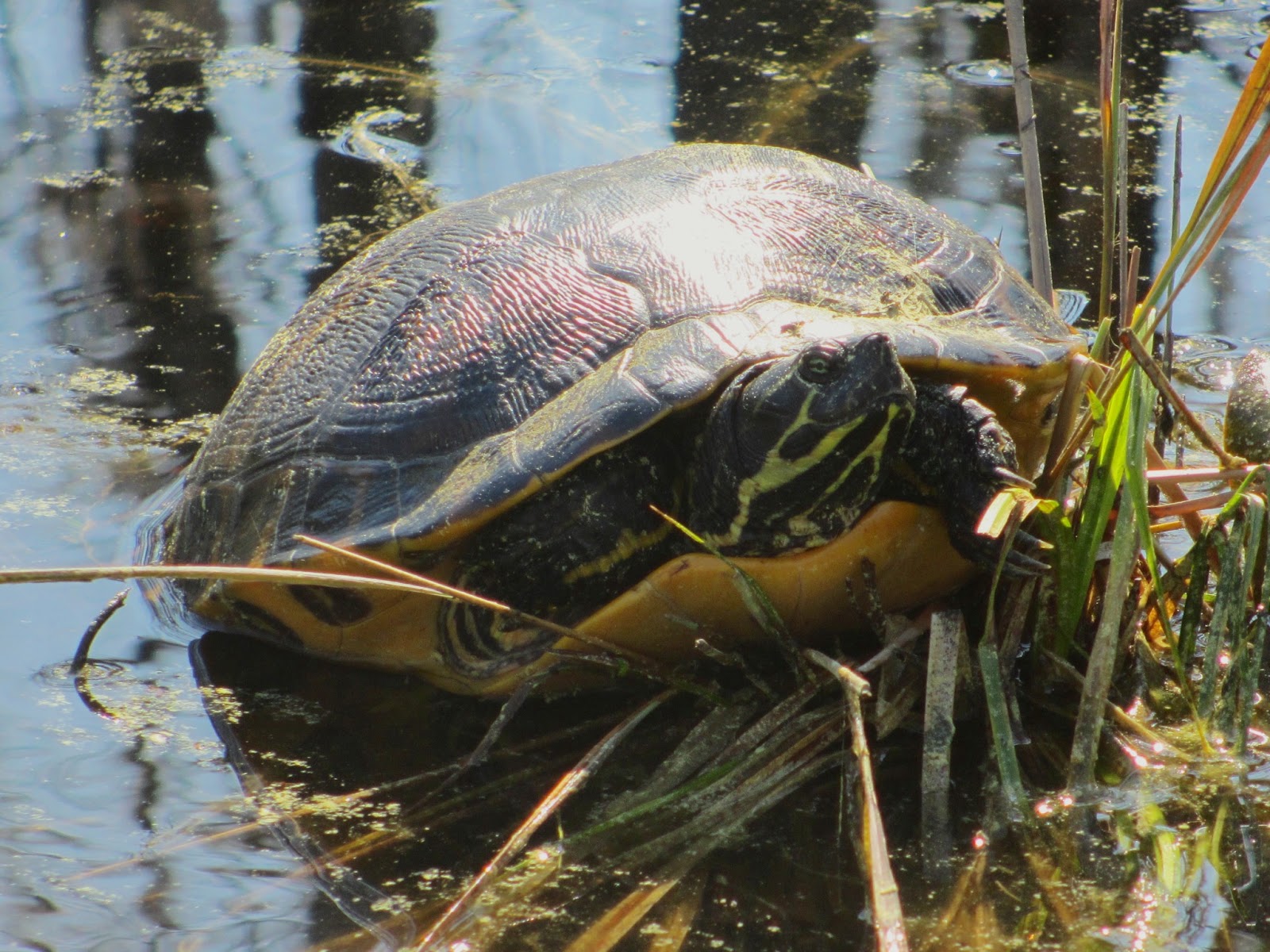
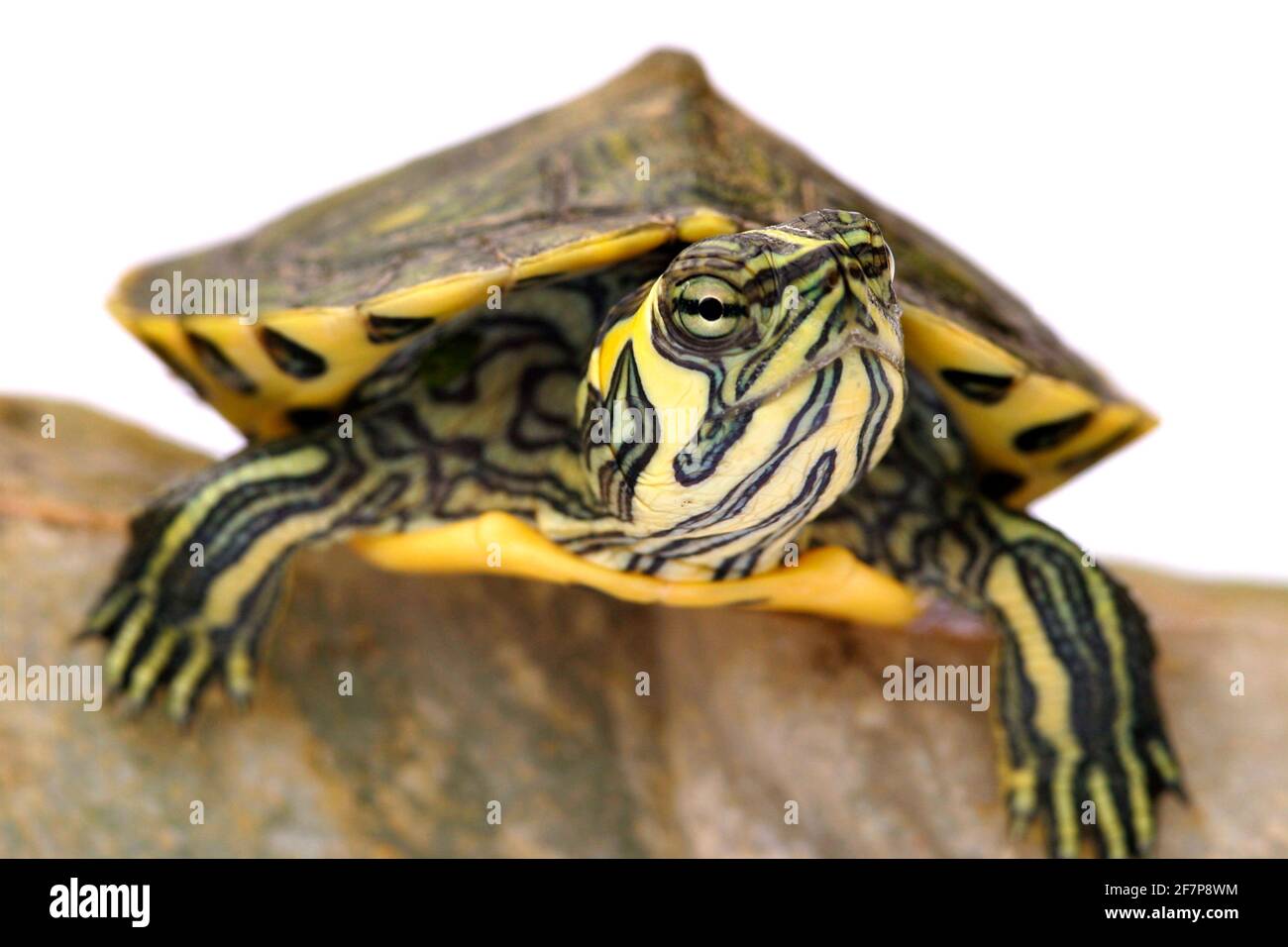
Yellow-bellied sliders (Trachemys scripta scripta) require a varied and balanced diet that closely mimics what they would consume in their natural wetland habitats. Providing the correct balance of commercial pellets, fresh vegetables,...
Yellow-bellied sliders (Trachemys scripta scripta) require a varied and balanced diet that closely mimics what they would consume in their natural wetland habitats. Providing the correct balance of commercial pellets, fresh vegetables, and occasional protein sources is essential for preventing metabolic bone disease, shell deformities, and nutritional deficiencies throughout their long lifespans.
Contents
Understanding the Nutritional Needs of Yellow-Bellied Sliders
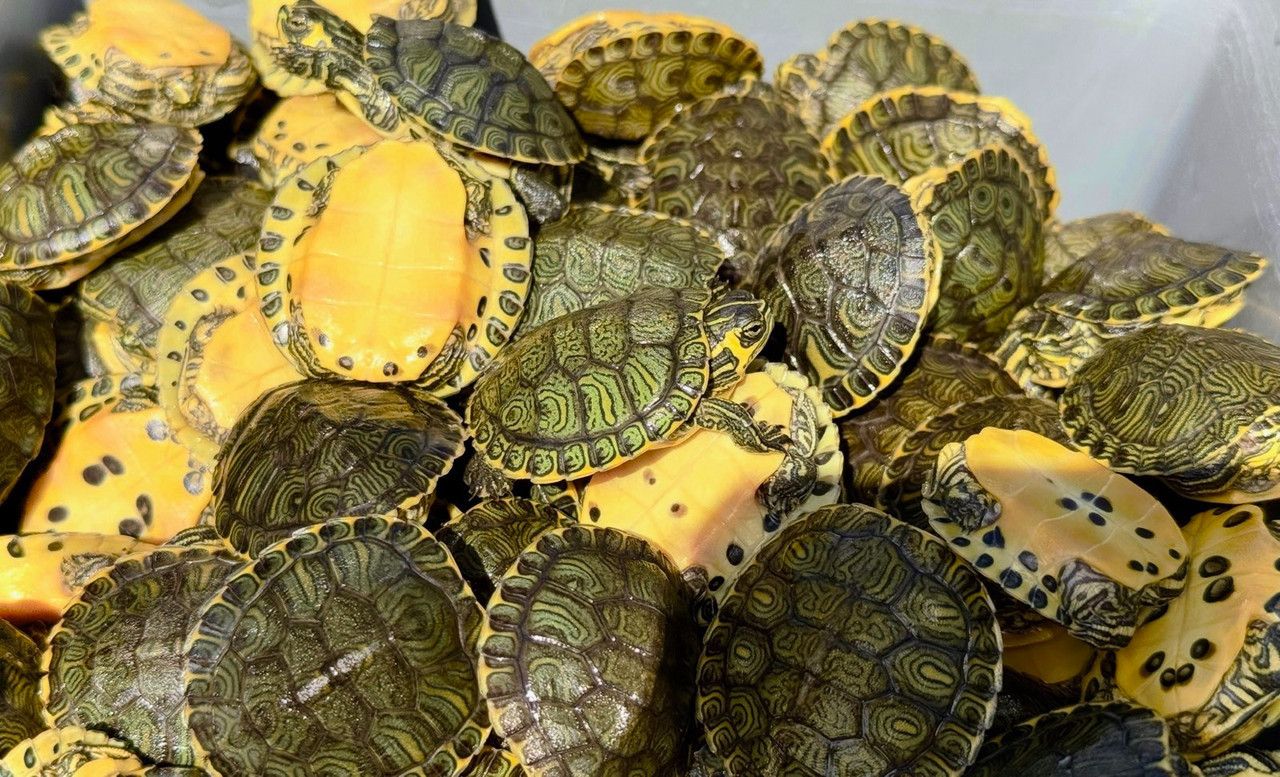
Yellow-bellied sliders are omnivores with a fascinating dietary shift as they mature. When they hatch and enter the juvenile stage, these turtles are primarily carnivorous, requiring higher amounts of protein to support rapid growth, muscle development, and bone formation. As they transition into adulthood, their dietary habits shift dramatically toward herbivory. Adult yellow-bellied sliders consume a diet that is predominantly plant-based, supplemented with occasional animal proteins.
Mirroring this natural shift in captivity is critical for preventing common health complications. Overfeeding protein to adult sliders can lead to rapid, unhealthy shell growth, pyramiding, and severe strain on their internal organs, particularly the liver and kidneys. Conversely, starving juveniles of necessary proteins can stunt their growth and compromise their immune systems. Understanding this developmental timeline allows keepers to adjust commercial feeds, fresh greens, and live protein sources appropriately over the turtle's multi-decade lifespan.
Commercial Pellets: The Dietary Foundation
High-quality commercial pellets form the nutritional backbone of a captive yellow-bellied slider's diet. These commercially manufactured foods are scientifically formulated to provide a baseline of essential vitamins, minerals, and amino acids that might otherwise be missed in a strictly home-assembled diet.
When selecting commercial pellets, read the ingredient list carefully. High-grade pellets should list fish meal, whole fish, or insect protein near the top, rather than excessive plant fillers like corn meal or soybean meal. Look for products specifically fortified with Vitamin D3 and calcium, which are vital for proper shell metabolism.
- Juvenile Feeding Schedule: Growing turtles should be fed high-protein pellets once daily. Offer only as much as they can consume in approximately five minutes to prevent uneaten food from fouling the water.
- Adult Feeding Schedule: Adult turtles only require pellets two to three times per week. Because adults need more fiber and fewer concentrated calories, pellet portions should be scaled back, allowing fresh vegetation to take center stage.
Aquatic and Terrestrial Vegetables: The Greens That Matter
Vegetables should make up the majority of an adult yellow-bellied slider's daily intake. Leafy greens provide essential dietary fiber, vitamins A, C, and K, and natural calcium sources that keep aquatic turtles thriving. However, not all greens are created equal; keepers must carefully select vegetables based on their calcium-to-phosphorus ratios and oxalate content.
Oxalates bind to calcium in the digestive tract, rendering it unusable and potentially contributing to metabolic bone disease over time. Therefore, high-oxalate vegetables like spinach, beet greens, and Swiss chard should be avoided or fed extremely sparingly. Instead, focus on dark, leafy greens with favorable nutritional profiles.
| Vegetable Type | Suitability & Frequency | Nutritional Highlights |
|---|---|---|
| Collard Greens | Excellent / Daily Feed | High in calcium, Vitamin A, and Vitamin C; low oxalates. |
| Mustard Greens | Excellent / Regular Feed | Provides robust vitamin content and beneficial trace minerals. |
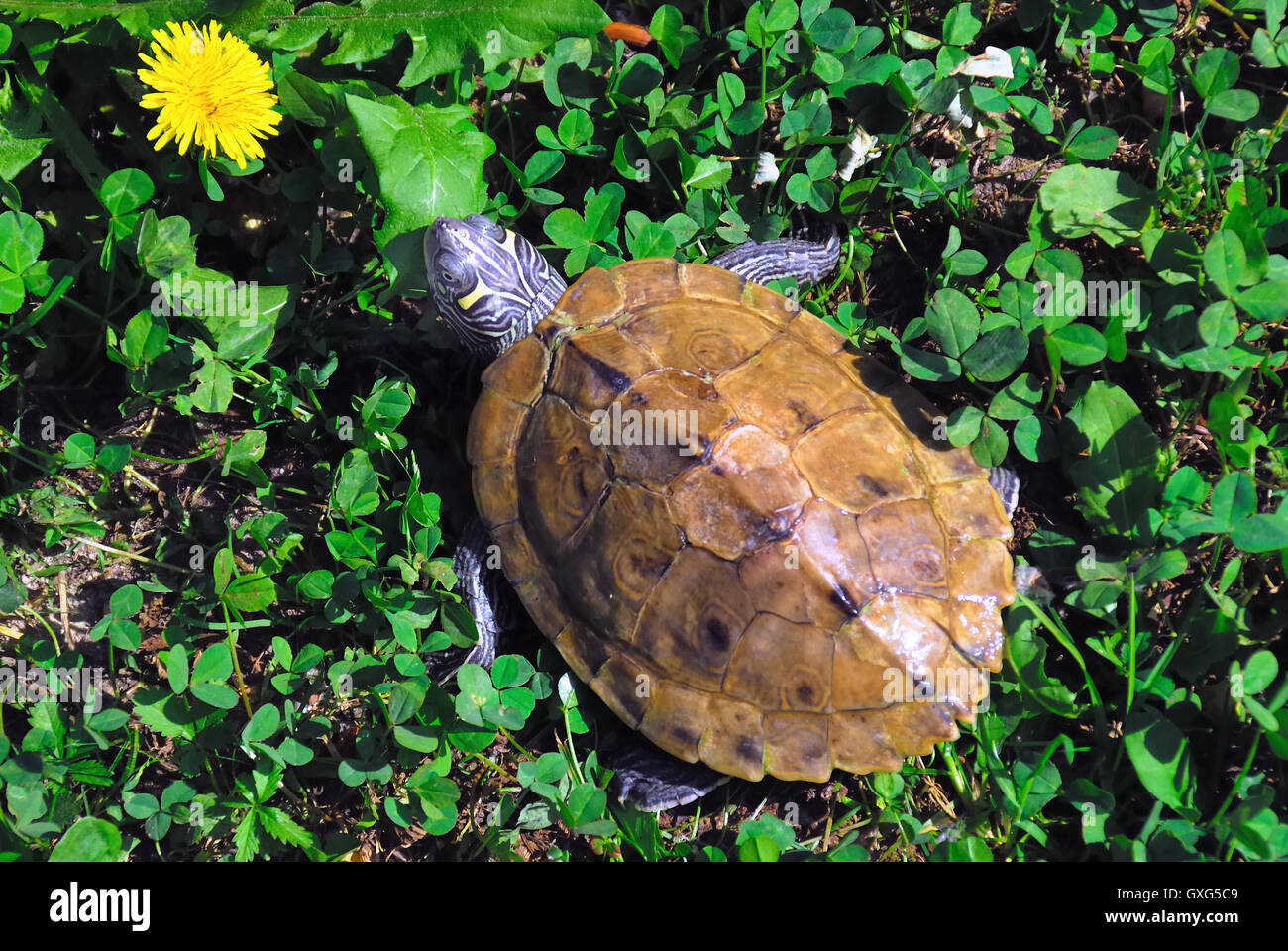
| Dandelion Greens | Excellent / Regular Feed | Highly palatable, rich in calcium and iron. |
| Turnip Greens | Good / Regular Feed | Great source of vitamins K and A; feed in rotation. |
| Romaine Lettuce | Moderate / Occasional Treat | Hydrating and popular, but lower in overall nutrients than dark greens. |
| Spinach / Chard | Poor / Avoid or Rare | High oxalic acid content; binds calcium and inhibits absorption. |
Beyond leafy greens, aquatic plants serve a dual purpose in a slider's habitat. Plants like duckweed, hornwort, anacharis, and water lettuce are often eagerly consumed by yellow-bellied sliders. Introducing these live plants into the tank provides natural foraging enrichment, satisfies their instinctual urge to graze, and offers clean dietary fiber.
Animal Proteins: Treating with Care
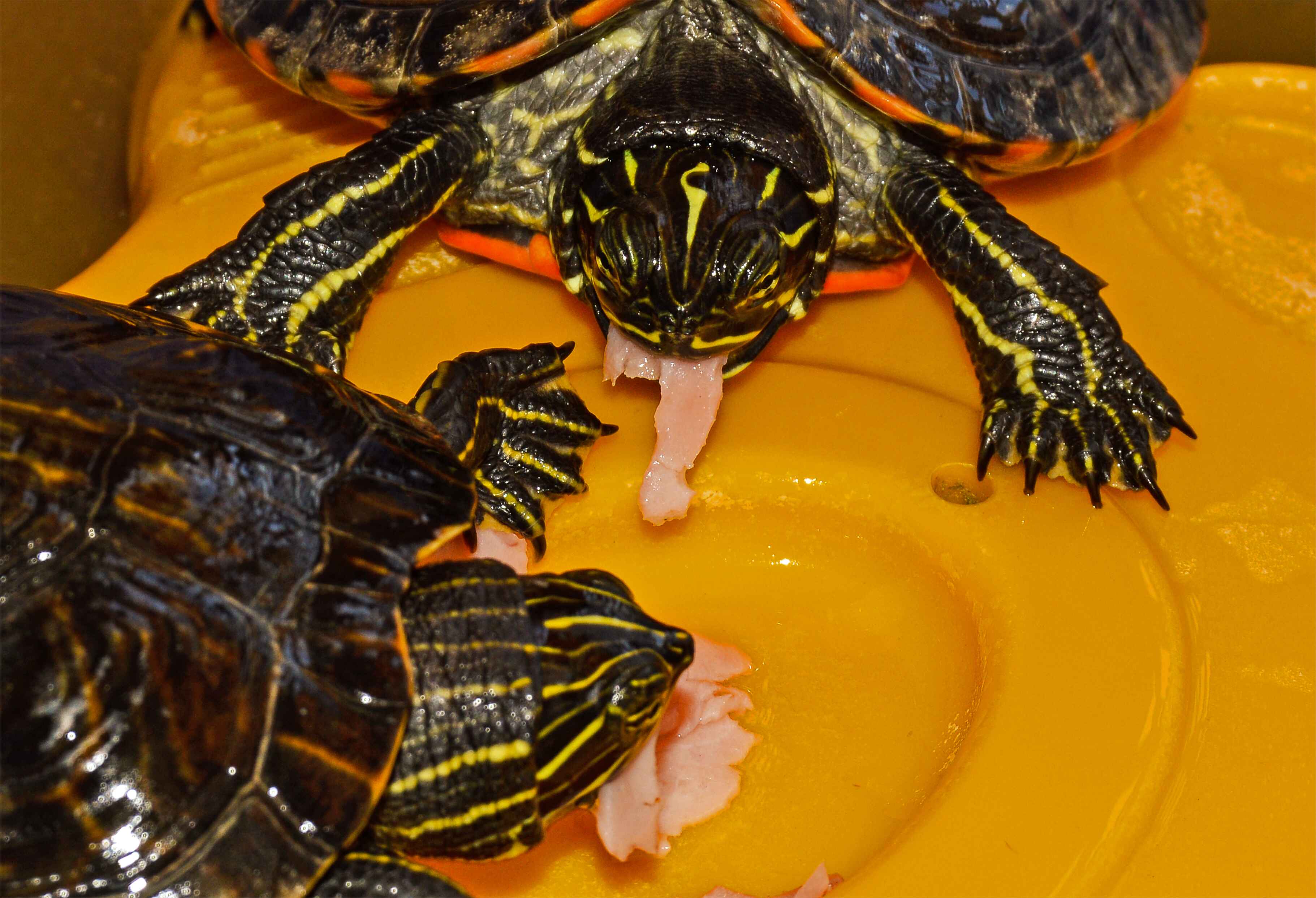
While adult sliders require minimal protein, animal matter remains an exciting and necessary enrichment component of their diet. In the wild, these turtles hunt aquatic insects, small fish, tadpoles, crustaceans, and carrion. In captivity, these proteins should be offered as occasional treats rather than staple meals.
Acceptable animal protein sources include:
- Earthworms and nightcrawlers (an excellent, vitamin-rich natural treat)
- Feeder guppies or minnows (ensure they are disease-free and sourced from reputable suppliers)
- Crickets, roaches, and mealworms (gut-loaded with nutritious vegetables prior to feeding)
- Fresh, unseasoned cooked shrimp or lean fish meat (strictly as an occasional snack)
Avoid feeding fatty meats, processed mammalian meats like beef or chicken, and goldfish. Goldfish contain high levels of thiaminase, an enzyme that breaks down Vitamin B1, and they are notoriously fatty, which can lead to hepatic lipidosis (fatty liver disease) in aquatic turtles.
Essential Supplements: Calcium and Vitamin D3
Captive reptiles often lack the intense, unfiltered ultraviolet radiation found in natural sunlight, which is necessary for synthesizing Vitamin D3. Without adequate D3, turtles cannot properly metabolize calcium, regardless of how much calcium is present in their food.
To bridge this gap, keepers should dust fresh vegetables and insect proteins with a pure calcium powder (without phosphorus) approximately two to three times a week for juveniles, and once a week for adults. If the turtle enclosure features a high-output UVB lighting system (such as a linear T5 fluorescent bulb designed for reptiles) maintained within its effective zone, natural vitamin synthesis is supported, but supplemental dusting remains a wise safeguard. Avoid over-supplementing with fat-soluble vitamins (A, D, E, K) unless directed by an experienced reptile veterinarian, as excessive accumulation can cause toxicity.
Foods to Strictly Avoid
Knowing what to exclude from a yellow-bellied slider's diet is just as important as knowing what to include. Inappropriate foods can cause digestive blockages, organ failure, or rapid nutritional toxicity.
- Processed Human Foods: Bread, pasta, cheese, crackers, and processed meats contain high sodium, artificial preservatives, and complex carbohydrates that aquatic turtle digestive tracts cannot process.
- Citrus Fruits: Oranges, lemons, and grapefruits are far too acidic and can disrupt normal gut flora.
- Iceberg Lettuce: Composed almost entirely of water, iceberg lettuce offers virtually zero nutritional value and can cause severe diarrhea.
- Wild-Caught Insects from Treated Areas: Insects harvested from lawns or gardens exposed to pesticides, fertilizers, or systemic herbicides can instantly poison an aquatic turtle.
Frequently Asked Questions
How often should I feed an adult yellow-bellied slider?
Adult yellow-bellied sliders should be fed plant matter and greens daily, while commercial pellets and animal protein treats should be restricted to two or three times per week. This mimics their natural feeding behavior and prevents obesity, which is a common issue in captive turtles.
Can yellow-bellied sliders eat fruit?
Fruits should only be offered as a very rare treat—perhaps once a month—and in tiny quantities. Because their natural diet consists of aquatic vegetation, insects, and fish, their digestive systems are not evolved to process high levels of simple fruit sugars, which can encourage harmful gut bacteria.
Why is my yellow-bellied slider refusing to eat?
Loss of appetite can stem from several environmental issues, such as water temperatures that are too low (inhibiting digestion), inadequate UVB lighting, or stress from a poor tank setup. If a turtle refuses food for more than a week while environment parameters are optimal, consult a reptile veterinarian.
How do I know if my slider has metabolic bone disease?
Metabolic bone disease manifests as a soft, pliable shell, swollen limbs, lethargy, muscle tremors, or an inability to properly use the hind legs. It is caused by a severe deficiency in calcium, phosphorus, or Vitamin D3, coupled with inadequate UVB exposure. Early veterinary intervention is critical.
Should I feed my turtle inside or outside its main tank?
Many keepers choose to feed sliders in a separate plastic tub filled with tank water. This practice prevents uneaten food scraps, decaying vegetables, and feces from rapidly fouling the primary filtration system, making water maintenance significantly easier.
Practical Next Actions
To establish a healthy feeding routine for your yellow-bellied slider, evaluate your current supply of commercial pellets and check their expiration dates and protein sources. Next, source at least two varieties of safe, dark leafy greens, such as collard greens or dandelion greens, and establish a weekly feeding schedule that prioritizes plant matter for adult turtles or protein balance for juveniles. Always maintain a clean habitat and verify that your UVB lighting is functioning correctly to ensure optimal nutrient absorption.
Image Gallery