Understanding Auto Insurance Without Collision Coverage: Risks and Considerations
Choosing auto insurance without collision coverage means you are opting to pay for repairs to your own vehicle out-of-pocket if you are at fault in an accident or if you hit a stationary object. While this decision significantly reduce...
Choosing auto insurance without collision coverage means you are opting to pay for repairs to your own vehicle out-of-pocket if you are at fault in an accident or if you hit a stationary object. While this decision significantly reduces your monthly premium, it shifts the entire financial burden of vehicle damage directly onto you, requiring careful assessment of your financial resilience and your car’s current market value.
Contents
Defining Collision Coverage vs. Liability
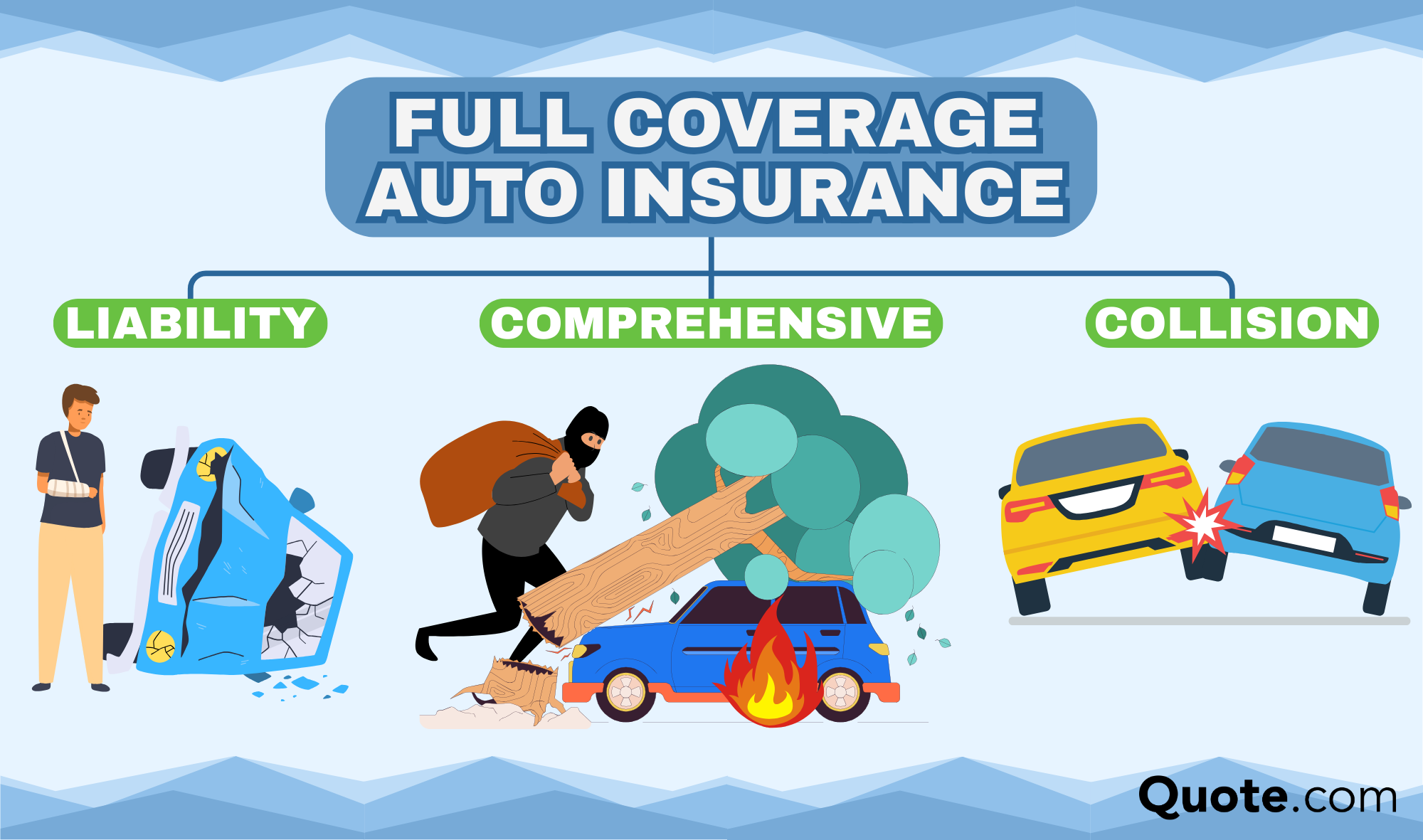
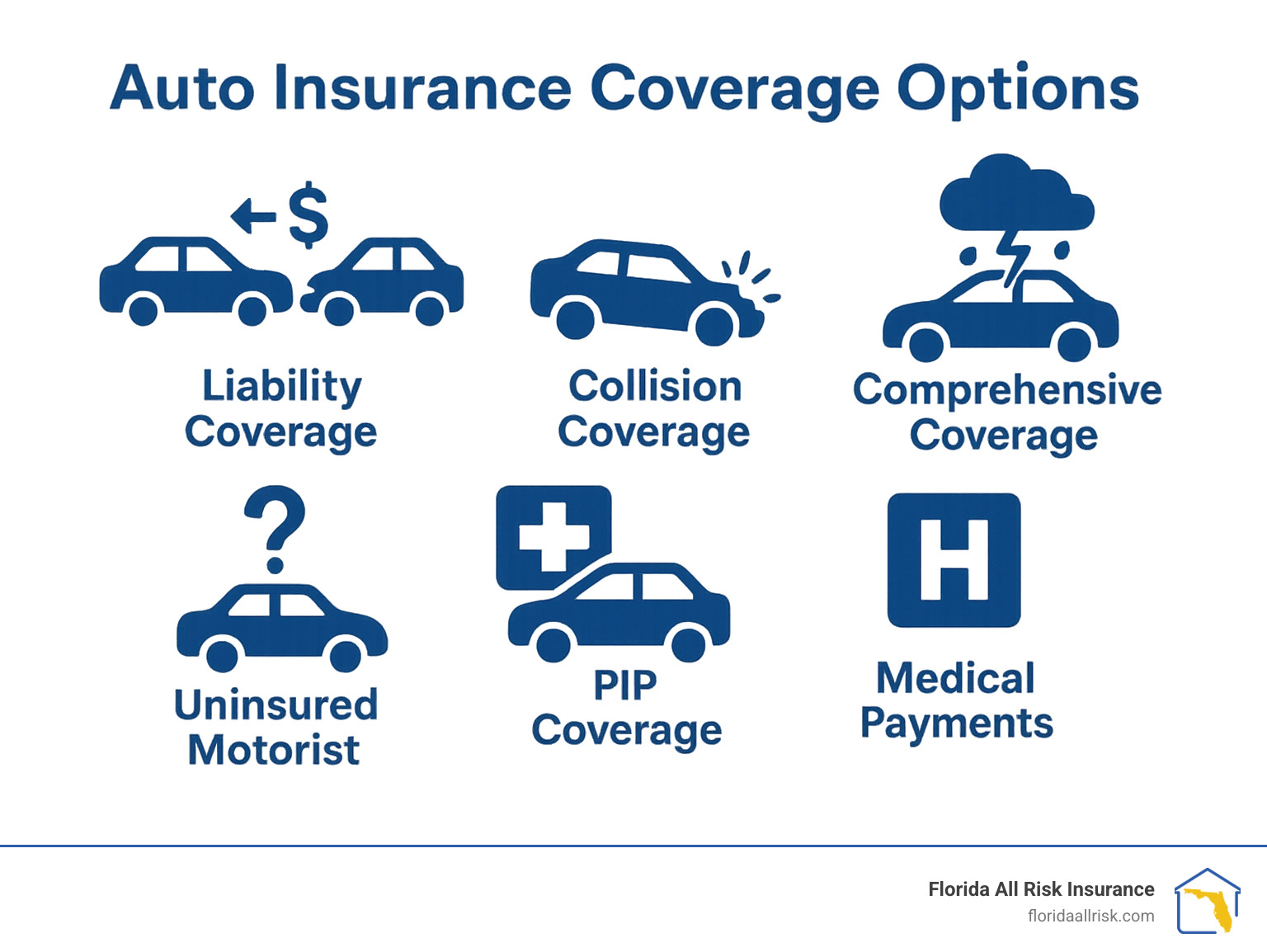
To understand what you are excluding, it is necessary to distinguish between the two primary pillars of a standard auto insurance policy. Liability insurance, which is mandated by law in almost every U.S. jurisdiction, covers the costs of damages you cause to other people’s property or the medical expenses of others if you are responsible for an accident. It protects your personal assets from lawsuits and claims brought by others.
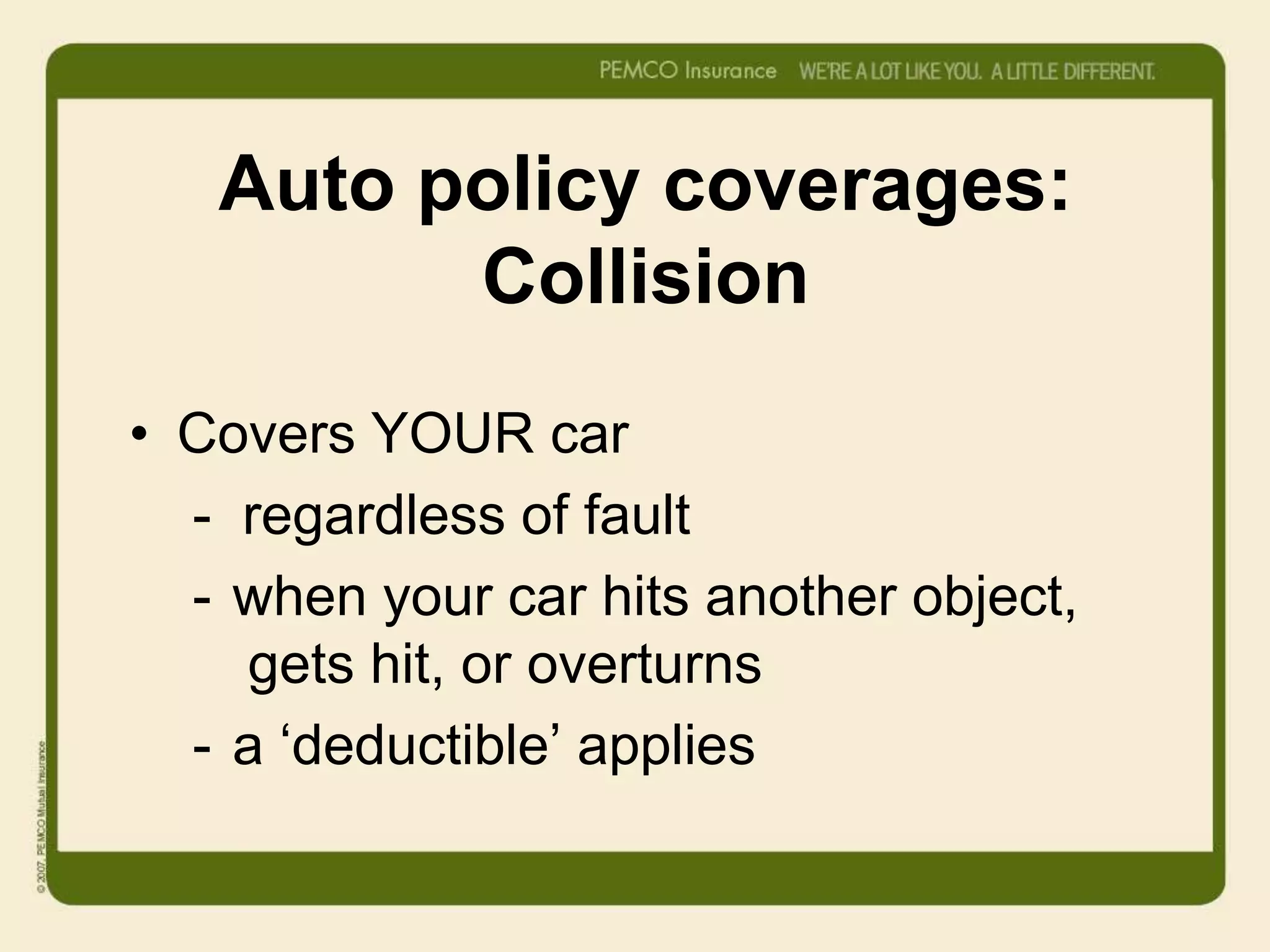
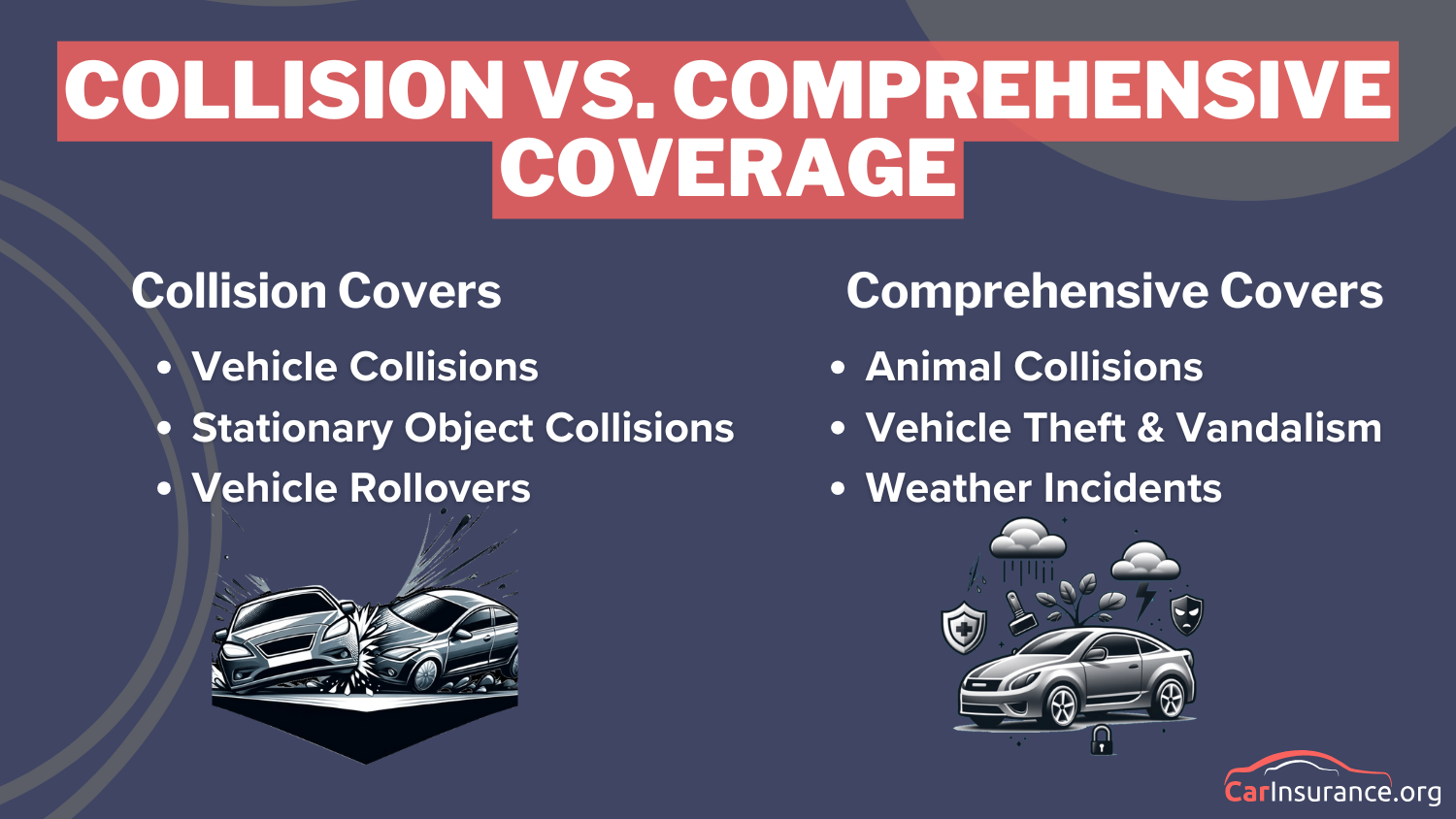
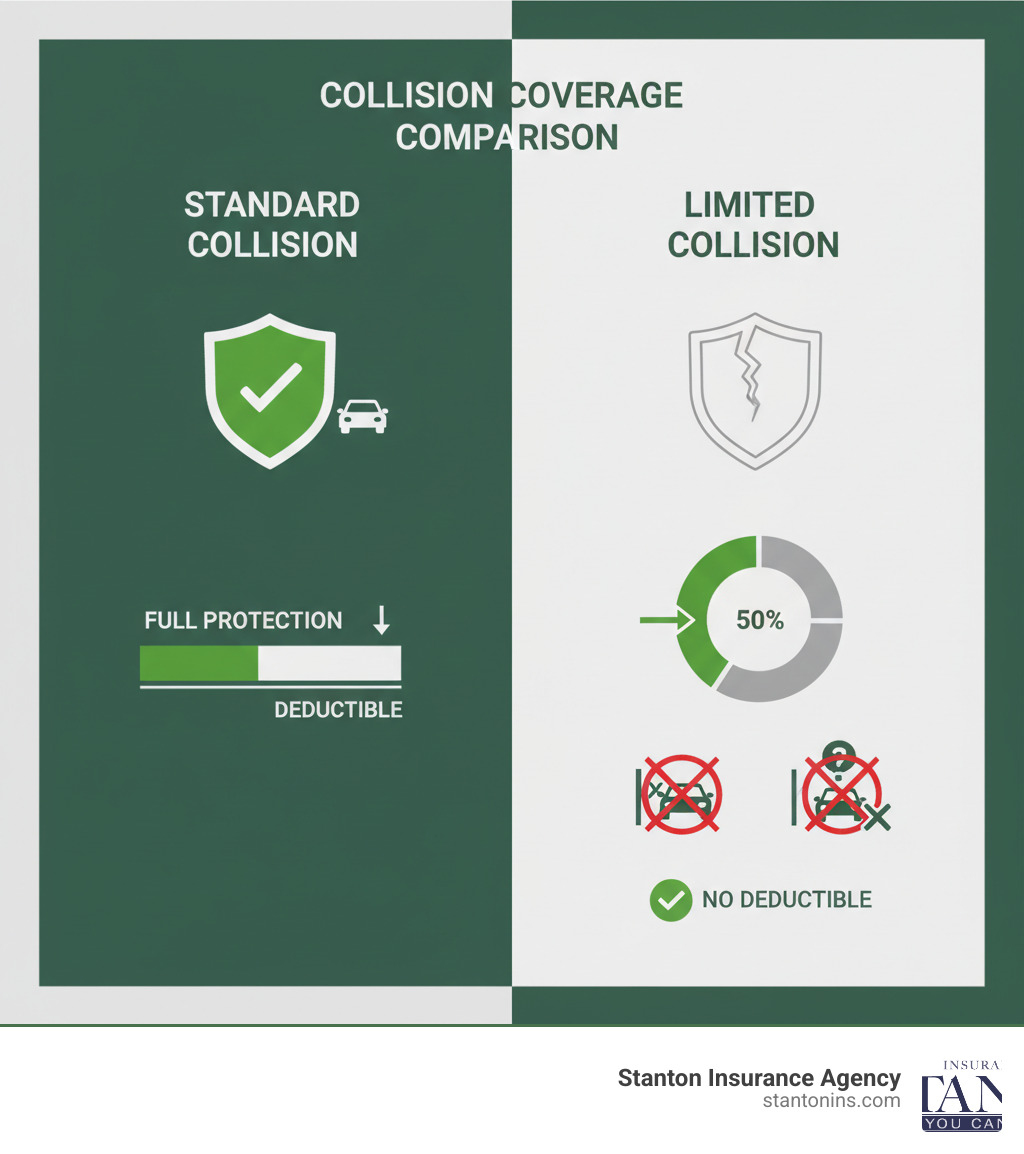
Collision coverage, by contrast, is optional coverage that pays for the repair or replacement of your own vehicle after an accident, regardless of who was at fault. If you drop collision coverage, you are removing the safety net that covers your specific vehicle for events like collisions with other cars, hitting a guardrail, or flipping your car over. If your car is damaged in one of these scenarios, your insurance provider will not contribute toward the repair bills or provide a payout for a total loss.
The Financial Threshold for Dropping Coverage
The most common motivation for dropping collision coverage is the depreciation of the vehicle. As cars age, their Actual Cash Value (ACV) decreases. Insurance companies calculate the ACV by looking at the car's current market value, factoring in age, mileage, and condition.
A widely accepted rule of thumb among financial advisors is to consider dropping collision coverage when the annual premium for that specific coverage exceeds 10% of the car's total ACV. For instance, if your car is worth $3,000 and the collision premium is $400 per year, you are paying a high percentage of the car’s worth for protection that is capped at the car's current value. If you have the savings to replace the vehicle should it be totaled, the cost-benefit analysis often favors self-insuring against damage.
The Role of Lending Institutions
Before deciding to remove collision coverage, you must verify your vehicle's status with your lender. If you are still making payments on a car loan, or if you are leasing the vehicle, the bank or finance company almost certainly requires you to maintain both collision and comprehensive coverage. This is a contractual obligation designed to protect the lender’s collateral.
Lenders demand this because if your car is totaled, they want to ensure there is a source of funds to pay off the remaining loan balance. If you drop collision coverage without the lender’s permission, they may force-place insurance on your vehicle. Force-placed insurance is notoriously expensive, provides minimal protection, and is charged directly to your account. Always consult your loan agreement before requesting a change to your policy coverage levels.
Comparative Risks of Coverage Levels
When you choose to bypass collision coverage, you are essentially accepting the risk of total loss. The following table illustrates how different common scenarios are handled depending on your policy selection.
| Scenario | Liability Only | Liability + Collision |
|---|---|---|
| You hit another car (At fault) | Pays for other car | Pays for both cars |
| You hit a tree | No coverage | Pays for your car |
| Someone hits you (Other at fault) | Pursue other party | Pays for your car (or subrogation) |
| Car is totaled | No payout | Pays up to ACV |
| Hit-and-run by unidentified driver | No coverage | Pays (if policy includes UM) |
Impact on Financial Planning
Opting for a liability-only policy requires a shift in how you manage your vehicle maintenance budget. Instead of paying a steady monthly premium for collision, you should ideally divert those savings into a dedicated "emergency car fund."
If you are not in a position to pay for a major repair—or to purchase a replacement vehicle if yours is totaled—dropping collision coverage introduces a significant financial vulnerability. Many drivers who drop collision coverage find themselves without a reliable mode of transportation after a single accident, which can lead to further financial instability, including job loss or the need to take out high-interest personal loans to cover vehicle replacement.
Understanding Comprehensive Coverage
It is vital not to confuse collision coverage with comprehensive coverage. Many drivers, when seeking to save money, drop collision but choose to retain comprehensive coverage. Comprehensive insurance protects your car against non-collision incidents, such as theft, vandalism, fire, flood, falling objects, or hitting an animal.
If you decide that you no longer need collision coverage because your car has reached a low market value, you might still want to maintain comprehensive coverage. The premium for comprehensive coverage is generally much lower than for collision, and it provides protection against common, unpredictable events that can render a car unusable or destroyed without requiring a high-speed accident.
Assessing Your Driving Environment
Your geographic and behavioral environment should influence your decision-making. If you live in an area with high rates of traffic congestion, poorly maintained roads, or extreme weather that increases the likelihood of accidents, the risk of a collision is higher. Conversely, if you work from home, drive very few miles annually, and store your vehicle in a secure garage, your statistical risk of a collision is lower.
However, accidents are often unpredictable. A driver with a perfect record can still be involved in a collision caused by road debris or the negligence of another party. In some cases, if you are hit by an uninsured or underinsured driver, having collision coverage provides a faster path to reimbursement through your own insurer, who will then handle the legal battle with the other party (a process known as subrogation). Without collision coverage, you may be left to manage the legal recovery yourself.
Next Actions and Professional Advice
To determine if you should drop collision coverage, follow these steps:
- Determine your vehicle's current value: Use recognized valuation tools such as Kelley Blue Book or NADA Guides to find the current ACV of your vehicle.
- Review your loan terms: Ensure you are not contractually obligated to maintain collision coverage.
- Analyze your savings: Calculate if you have enough liquid assets to replace your car if it were totaled tomorrow.
- Compare premiums: Request an updated quote from your current insurance provider to see the specific price difference between having collision coverage and dropping it.
- Consult an agent: Speak with a licensed insurance representative to discuss your specific risk profile and to ensure you are not leaving yourself exposed to significant liability or underinsured motorist gaps.
This information is for educational purposes and does not constitute formal financial or legal advice. Insurance requirements vary significantly by state and individual contract terms. Always verify the specifics of your policy documents and consult with a licensed professional to ensure your financial coverage meets your needs.
Frequently Asked Questions
Does liability-only insurance cover repairs to my car if I hit a pole? No. Liability-only insurance is designed specifically to pay for damages you cause to others. If you hit a pole, that is considered a collision event, and without collision coverage, you are responsible for 100% of the repair costs for your vehicle.
If I drop collision coverage, will my premiums decrease significantly? In many cases, yes. Collision coverage is often one of the more expensive components of an auto insurance policy. However, the amount of the reduction depends on your vehicle’s value, your driving record, and your location. Requesting a quote from your insurer is the only way to determine the exact savings.
What is subrogation, and why does it matter? Subrogation is the process by which your insurance company pays for your damages and then pursues the at-fault party to recover those funds. If you do not have collision coverage, your insurer generally will not perform this service for your property damage, leaving you to deal with the other party’s insurance company independently.
Is it ever a good idea to keep collision coverage on an old car? It might be if you cannot afford to replace the car and rely on it for essential travel, such as commuting to work. Even if the car’s value is low, having a payout available to purchase a replacement vehicle can be the difference between maintaining your livelihood and facing a financial emergency.
Does state law require me to have collision coverage? No state in the U.S. mandates collision coverage. State laws only require liability insurance to cover damages to others. Collision coverage is an elective purchase between you and your insurer, or a requirement imposed by a lienholder.
Image Gallery