How to Get RV Road Assistance: Comprehensive Coverage, Plans, and Emergency Protocols
Getting RV road assistance requires selecting a specialized roadside protection plan that matches your vehicle's unique class, weight, and towing requirements before an emergency occurs on the highway. Standard automobile club membersh...
Getting RV road assistance requires selecting a specialized roadside protection plan that matches your vehicle's unique class, weight, and towing requirements before an emergency occurs on the highway. Standard automobile club memberships often fall short when dealing with oversized vehicles, dual rear wheels, specialized chassis types, and heavy-duty towing demands, making dedicated recreational vehicle coverage essential for safe and stress-free travel.
Contents
Understanding RV Roadside Assistance vs. Standard Auto Clubs
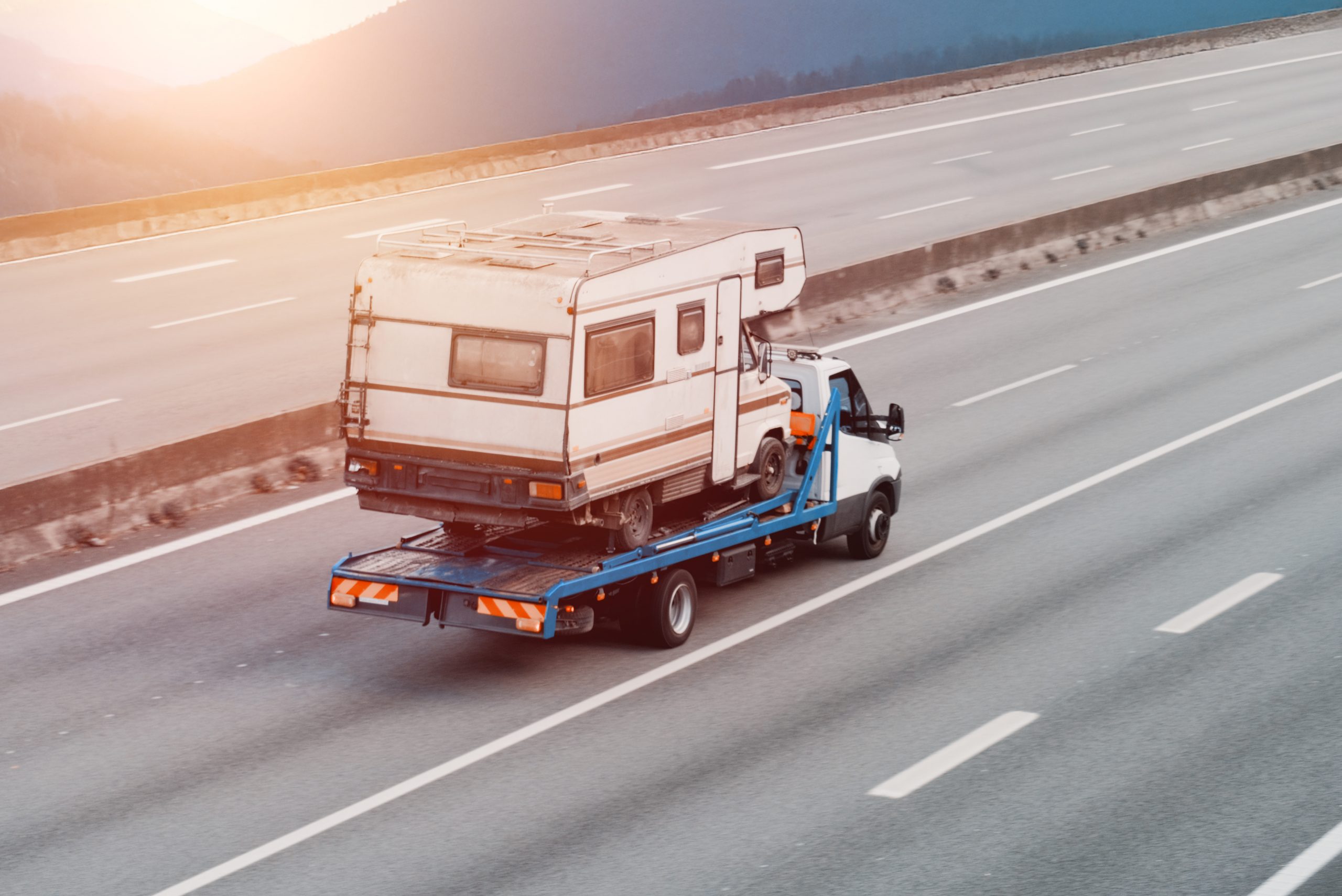
The primary distinction between standard automobile roadside assistance and dedicated recreational vehicle coverage lies in the physical specifications of the vehicle. Standard passenger car towing policies are generally designed for vehicles weighing under 5,000 to 6,000 pounds. In contrast, even a modest Class C motorhome or a travel trailer pulled by a heavy-duty pickup truck can easily exceed 10,000 to 30,000 pounds. When a standard tow truck arrives at a breakdown site and encounters an oversized chassis, low-clearance fiberglass body, or specialized air-brake system, it cannot safely transport the unit.
Furthermore, specialized recreational vehicle plans address unique operational hurdles that standard auto clubs routinely exclude. For example, a heavy-duty motorhome stuck in a muddy campsite or a sand dune requires winch-out services that standard providers label as recovery rather than towing. Recreational vehicle-specific packages account for dual-wheel assemblies, specialized tire sizes that standard service trucks do not carry in inventory, and mobile mechanic dispatches designed to troubleshoot onboard generators, slide-outs, and hydraulic leveling systems.
Evaluating the mechanical complexity of your rig reveals why specialized protection is non-negotiable for long-distance travel. Class A motorhomes utilize custom commercial truck chassis from manufacturers like Freightliner, Spartan, or Ford F-53, requiring heavy-duty wreckers equipped with under-lift capabilities to prevent severe body and frame damage during a tow. Fifth-wheel trailers and travel trailers present distinct articulation challenges, requiring specialized hitching knowledge and separate considerations for both the tow vehicle and the towed unit.
Evaluating Coverage Levels and Plan Types
When shopping for protection, you will encounter tiered membership levels that scale based on distance, vehicle type, and ancillary benefits. Providers generally divide their offerings into basic, mid-tier, and premium packages. Understanding what each tier includes prevents unexpected out-of-pocket expenses when you are stranded miles from the nearest service center.
Basic vs. Premium Plans
Basic plans typically cover standard towing distances—usually up to 25 or 50 miles—to the nearest qualified service facility. While sufficient for local commuters, a 25-mile limit can leave a traveler stranded in a remote desert or mountain corridor where the closest capable technician is 100 miles away. Premium plans routinely extend towing limits to 100 miles, 200 miles, or even offer unlimited towing to a servicing dealership or repair shop.
Beyond towing distance, premium packages often include enhanced trip interruption reimbursement, mobile mechanic dispatch, and emergency fuel delivery services that account for specialized diesel requirements. When comparing options, examine the fine print regarding "service vehicle dispatch limits" and whether the policy covers the specific towed trailer when detached from the primary tow vehicle.
Key Features to Verify Before Enrollment
Before signing up with any provider, examine the policy documentation for specific inclusions and exclusions. Key components to verify include:
- Tire Coverage: Does the plan cover flat tire changes for dual rear wheels, and does it provide a mobile tire truck if a replacement is required on-site?
- Fluid Delivery: Is emergency fuel, oil, or coolant delivery included, and are the actual fluids covered or just the delivery service?
- Lockout Protection: Are modern digital key fobs and specialized entry door locks covered for locksmith dispatch?
- Extrication and Winching: Does the policy cover pulling the vehicle out of mud, snow, or sand when it is within a specified distance of a maintained road?
Leading RV Roadside Assistance Providers Compared
The marketplace features several established providers catering specifically to motorhomes, fifth wheels, and travel trailers. Each organization structures its fees, service networks, and policy limitations differently.
| Provider / Plan Name | Primary Vehicle Focus | Typical Towing Limits | Key Operational Highlights |
|---|---|---|---|
| Good Sam Roadside Assistance | Class A, B, C, Travel Trailers, Fifth Wheels | Unlimited miles to nearest service center | Covers all household vehicles; no weight or length restrictions on standard plans; mobile mechanic dispatch. |
| Coach-Net | Motorhomes, Commercial Chasis, Trailers | Unlimited towing on premier tiers | 24/7 technical hotline staffed by certified RV technicians; dispatch covers both tow vehicle and trailer. |
| AAA (Premier / RV Level) | Regional Auto & Select RV Coverage | Up to 200 miles on premier tiers | Extensive network; requires specific RV/Motorhome add-on membership tier depending on region. |
| Allstate Roadside for RV | Motorhomes and Towed Units | Varies by tier (50 to 100+ miles) | Pay-per-use or annual subscription models; covers flat-towed vehicles and trailers. |
Selecting the right provider involves balancing annual membership costs against potential towing fees. A single heavy-duty commercial tow across a mountain pass can easily exceed $1,500, making an annual subscription cost of $150 to $300 a minor investment relative to the financial risk of an unassisted breakdown.
Step-by-Step Protocol: What to Do When a Breakdown Occurs
When mechanical failure strikes on an active highway or remote backroad, following a calm, structured protocol ensures personal safety and accelerates assistance dispatch.
1. Secure the Scene and Ensure Safety
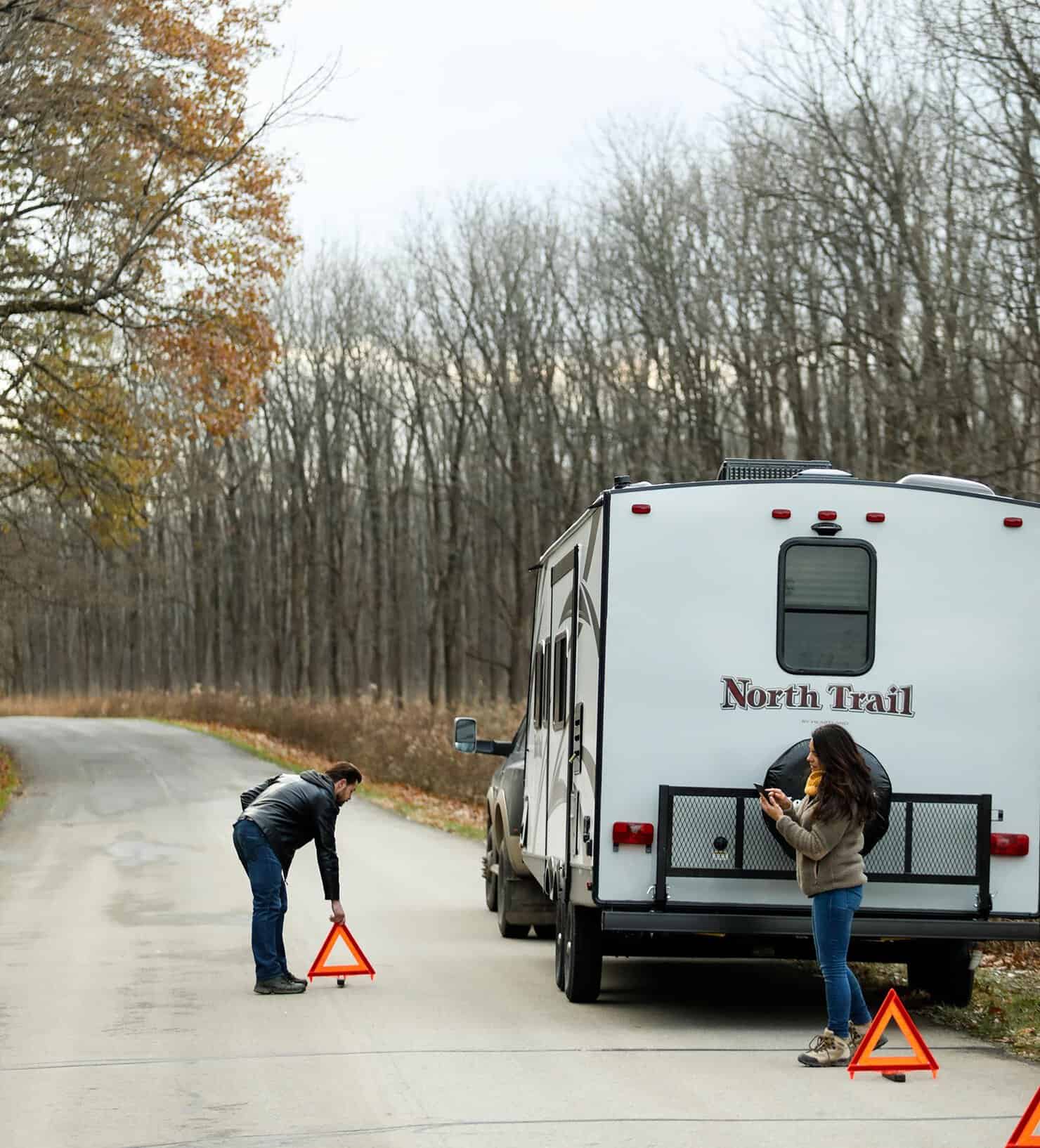
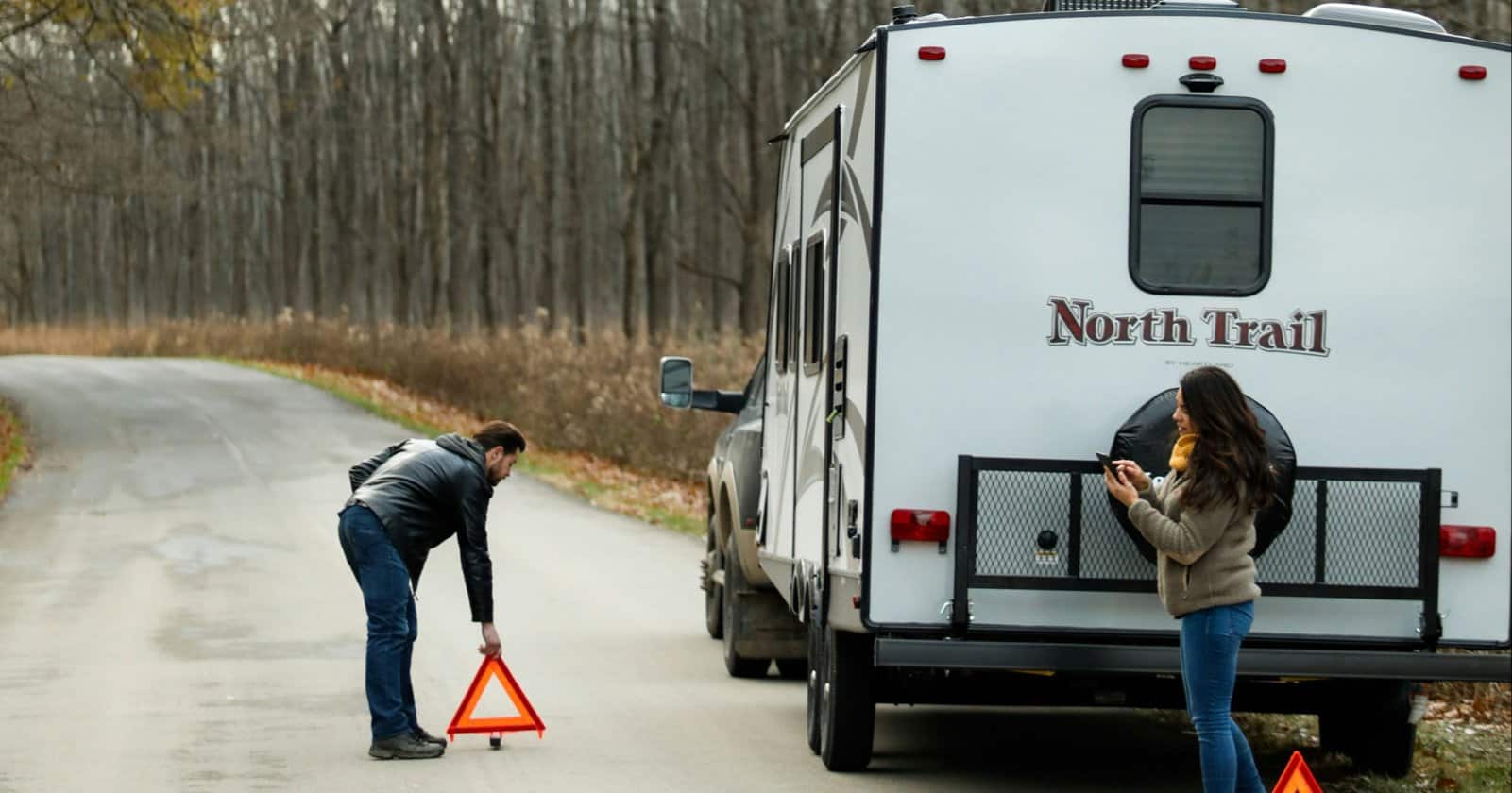
Immediately activate your hazard warning flashers. If your vehicle is equipped with warning triangles or LED road flares, deploy them at 50-foot intervals behind your rig (extending up to 300 feet on high-speed interstates) to alert oncoming traffic. Move all human passengers and pets away from the vehicle and behind a roadside guardrail if it is safe to do so. Never remain inside a motorhome or trailer parked on an active highway shoulder.
2. Assess the Mechanical Situation
Safely determine the nature of the issue. Is it an engine failure, a blown tire, an electrical fault, or a chassis warning light? Note your exact GPS coordinates, mile marker, nearest exit sign, and direction of travel. Having this precise data ready prevents dispatch delays caused by inaccurate location mapping.
3. Contact Your Provider and Provide Specifications
Dial your roadside assistance provider's dedicated emergency number. When connected to the dispatcher, clearly state:
- Your exact membership or policy number.
- The exact classification of your rig (e.g., Class A diesel pusher, 35-foot fifth wheel).
- The exact dimensions (length, height, weight if known) to ensure the correct tow truck or service vehicle is dispatched.
- Whether you are carrying pets or have passengers with medical needs, which can influence priority dispatch and towing cabin space.
4. Manage the Service Arrival
Once the service provider or tow operator arrives, verify their work order matches your dispatch ticket. Inspect the rigging and towing apparatus before movement begins to ensure safety chains, light hookups, and under-lift cradles are properly secured. If your air brakes or drive shafts require manual disconnection before towing, confirm the technician follows manufacturer specifications.
Common Mistakes to Avoid When Purchasing and Using Coverage
Navigating roadside assistance contracts involves avoiding several recurring pitfalls that catch travelers off guard during emergencies.
- Assuming Standard Auto Coverage Applies: Never assume your existing car insurance or basic credit card roadside perk covers a 26-foot motorhome or dual-axle trailer. Always verify weight and class limits in writing.
- Failing to Cover Towed Vehicles: If you flat-tow a dinghy behind your motorhome or pull a trailer behind a pickup, confirm whether the policy covers the towed asset independently or requires a separate rider.
- Ignoring Waiting Periods: Many providers enforce a 48- to 72-hour waiting period on newly purchased policies to prevent travelers from buying coverage only after a breakdown has already occurred. Purchase your plan well in advance of a road trip.
- Neglecting Excluded Services: Understand what constitutes "roadside" versus "off-road." Operating a heavy rig on unmaintained logging roads or remote beaches often voids standard recovery coverage.
Frequently Asked Questions
Does RV roadside assistance cover my tow vehicle and trailer simultaneously?
Most specialized recreational vehicle plans cover both the primary motor vehicle and any attached recreational trailer or flat-towed dinghy under a single policy, provided they are properly connected during transit. However, verify whether the policy covers a trailer when it is unhitched and parked at a campsite.
Can I use my roadside assistance plan if I break down at a private campground?
Yes, most major providers dispatch mobile mechanics or towing services to campgrounds, state parks, and storage facilities, provided the location is accessible by standard commercial service vehicles.
What happens if I exceed my plan's towing mileage limit?
If your tow exceeds the maximum mileage included in your plan tier, the dispatch center will typically tow your vehicle to the nearest covered limit and then charge you a standard per-mile fee for the remaining distance to your preferred destination.
Are mobile mechanic labor costs covered by my membership?
Roadside assistance plans generally cover the dispatch and labor time required to perform roadside fixes (such as changing a tire, delivering fuel, or jumping a battery). If replacement parts, fluids, or extensive diagnostic labor are required, you are responsible for those material costs unless you hold a specialized mechanical breakdown insurance policy.
Is there a limit to how many service calls I can make per year?
Most providers establish a reasonable use threshold—typically between four and six service calls per membership year. Exceeding this limit may result in policy review, non-renewal, or requirements to pay out-of-pocket for subsequent dispatches.
Final Recommendations for Safe Travel
Securing reliable roadside protection is an indispensable component of responsible recreational vehicle ownership. Before embarking on your next journey, print your policy details, save the direct emergency dispatch number in your mobile phone, and verify that your membership card is active and current for 2026. Taking these proactive steps ensures that mechanical setbacks remain minor inconveniences rather than trip-ending disasters.
Image Gallery