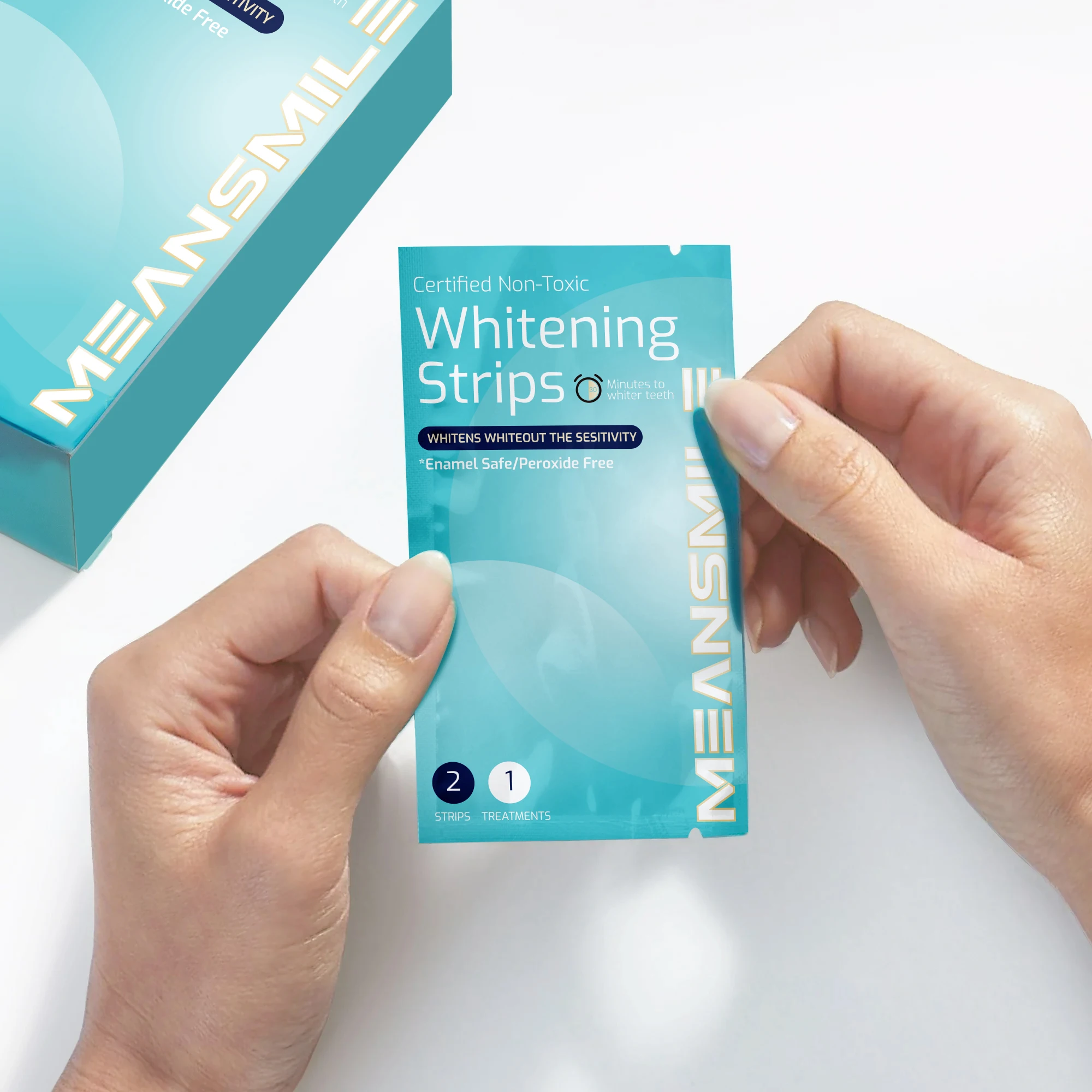
The Rise of Peroxide Free Teeth Whitening Strips
The rapid growth of peroxide-free teeth whitening strips marks a significant shift in consumer-driven oral care, driven by a demand for enamel-safe alternatives that avoid the tooth sensitivity and gum irritation typically associated w...
The rapid growth of peroxide-free teeth whitening strips marks a significant shift in consumer-driven oral care, driven by a demand for enamel-safe alternatives that avoid the tooth sensitivity and gum irritation typically associated with hydrogen or carbamide peroxide.
Contents
Understanding the Shift Toward Enamel-Safe Oral Care
The global market for oral cosmetics has experienced a massive evolution over the past decade. Traditional at-home whitening systems have long relied on high concentrations of hydrogen peroxide or carbamide peroxide. While these chemical bleaching agents effectively break down deep-set chromatic molecules within the dental enamel, they frequently trigger adverse side effects. Users routinely report acute dental hypersensitivity, gingival irritation, and temporary soft-tissue chemical burns from poorly fitting trays or bleeding strips.
This consumer friction catalyzed the rise of peroxide-free teeth whitening strips. Modern buyers increasingly scrutinize ingredient lists, seeking cosmetic enhancements that prioritize long-term biological health over aggressive, rapid bleaching. The modern alternative leverages botanical extracts, enzymatic formulas, and physical oxidizers that lift surface stains without penetrating deeply into the dentin layer or destabilizing the structural integrity of the tooth enamel.
How Peroxide-Free Formulations Lift Stains
To evaluate the efficacy of peroxide-free strips, one must understand the fundamental biochemical difference between bleaching and stain lifting. Traditional peroxide strips use active oxidation to chemically alter the pigmented molecules trapped inside the microscopic pores of the teeth, effectively bleaching them colorless.
Peroxide-free formulations, by contrast, utilize alternative active ingredients designed to dissolve, lift, and oxidize chromogens resting on or near the pellicle layer of the tooth. Common active agents in these modern strips include:
- Phthalimidoperoxycaproic Acid (PAP): A synthetic peroxy acid that whitens teeth effectively without releasing free radicals that cause sensitivity. PAP reacts directly with stain molecules, breaking them apart without harming the enamel matrix.
- Sodium Bicarbonate: A mild abrasive and alkaline agent that gently polishes away surface discoloration caused by coffee, tea, and tobacco.
- Plant-Based Enzymes: Enzymes like papain (derived from papayas) and bromelain (derived from pineapples) target protein-based pellicle films that trap stains on the tooth surface.
- Natural Oils and Extracts: Coconut oil, lemon peel oil, and sage oil are frequently incorporated to provide a soothing barrier for the gums while assisting in the mechanical removal of debris.
Comparing Peroxide and Peroxide-Free Whitening Strips
When consumers weigh their cosmetic options, a direct comparison between traditional peroxide strips and modern peroxide-free alternatives highlights distinct trade-offs in performance, comfort, and safety.
| Feature | Hydrogen Peroxide Strips | Peroxide-Free Strips (PAP / Natural) |
|---|---|---|
| Primary Mechanism | Chemical bleaching via free radical oxidation | Targeted stain dissolution and gentle surface oxidation |
| Enamel Impact | Potential for micro-porosity if overused | Minimal to no risk of structural enamel degradation |
| Sensitivity Risk | Moderate to high; frequent nerve stimulation | Very low to negligible |
| Gum Safety | Risk of chemical irritation and blanching | High; generally soothing ingredients |
| Speed of Results | Rapid (visible changes in 3 to 5 days) | Gradual (visible changes in 7 to 14 days) |
| Longevity | Medium-term (can last several months) | Medium-term with proper maintenance routines |
Evaluating Benefits and Operational Limitations
While peroxide-free strips have gained considerable market share, they are not a universal panacea for all dental discoloration. Understanding their inherent advantages and limitations ensures realistic expectations for consumers.
The primary advantage lies in comfort and safety. Individuals with pre-existing dental recession, thin enamel, or chronic sensitivity can use these strips without experiencing the sharp, shooting pains common with conventional whiteners. Furthermore, because these formulas do not aggressively alter the chemical structure of the tooth, they present a lower risk to dental restorations such as crowns, veneers, and composite bondings—though artificial materials will not naturally whiten beyond their original shade in either scenario.
Conversely, the operational limitation of peroxide-free strips is speed and depth. Because PAP and natural enzymes do not penetrate the dentin layer as aggressively as high-percentage hydrogen peroxide, they are less effective on deep, intrinsic staining caused by tetracycline antibiotics, excessive fluoride ingestion during childhood, or severe trauma. Users must commit to a longer application cycle to achieve comparable brightness levels.
Practical Guidance for Safe At-Home Application
Achieving optimal results with peroxide-free whitening strips requires strict adherence to manufacturer instructions and proper oral hygiene protocols. Rushing the process or applying strips to un-prepped teeth can diminish their effectiveness.
- Preparation: Brush and floss your teeth gently before application to remove plaque and food particles that could block the whitening agents from contacting the enamel. Ensure your teeth are completely dry before applying the strips; excess saliva can cause the strips to slip prematurely.
- Application: Center the strip along the gum line, pressing gently to mold it against the contours of the teeth. Fold any excess material behind the teeth to secure it in place.
- Duration: Wear the strips for the recommended duration, typically ranging from 20 to 45 minutes depending on the specific formulation and brand guidelines.
- Post-Treatment: Remove the strips and rinse your mouth thoroughly with lukewarm water. Avoid consuming staining foods and beverages—such as red wine, dark berries, and coffee—for at least one hour post-application.
According to guidance from dental regulatory bodies, including the American Dental Association (ADA), consumers should consult a licensed dental professional before beginning any at-home whitening regimen to rule out underlying issues such as untreated cavities or active periodontal disease.
Frequently Asked Questions
Do peroxide-free whitening strips actually work?
Yes, peroxide-free strips effectively remove extrinsic surface stains caused by food, drink, and lifestyle habits. Ingredients like PAP and natural enzymes break down discoloration molecules without chemical bleaching, though results appear more gradually than traditional peroxide treatments.
Can peroxide-free strips damage tooth enamel?
No, reputable peroxide-free whitening strips are formulated to be enamel-safe. Because they avoid harsh bleaching agents and high-strength oxidizers, they do not compromise the structural micro-hardness or mineral content of the dental enamel.
How long do the results of peroxide-free whitening last?
Results typically last between three to six months, depending heavily on the user's dietary habits and oral hygiene routine. Regular consumption of staining substances like coffee, tea, and tobacco will shorten the longevity of the whitening effect.
Are peroxide-free strips safe for sensitive teeth?
Yes, these strips are specifically engineered for individuals with sensitive teeth. By eliminating hydrogen peroxide, they avoid triggering the nerve pathways that cause acute, sharp discomfort during and after the whitening process.
Can I use these strips on dental crowns or veneers?
Peroxide-free strips will not damage dental restorations, but they will not actively whiten artificial materials like porcelain, ceramic, or composite resin. They only restore restorations to their original manufactured shade by removing surface buildup.
Next Actions for Consumers
To select the most appropriate peroxide-free whitening strip, examine product ingredient lists for clinically studied compounds such as Phthalimidoperoxycaproic acid (PAP) or food-grade enzymes. Schedule a routine dental check-up to ensure your teeth and gums are healthy enough for cosmetic treatments, and establish a consistent daily brushing and flossing routine to maintain your brighter smile safely over time.
Image Gallery