The Alex Movie Theater’s Century-Long Revival: A Study in Preservation and Adaptation
The Alex movie theater, a landmark of regional cinema architecture, has achieved a rare century-long revival by bridging its original 1920s grandeur with the technical demands of 2026 entertainment. Its longevity is rooted in consisten...
The Alex movie theater, a landmark of regional cinema architecture, has achieved a rare century-long revival by bridging its original 1920s grandeur with the technical demands of 2026 entertainment. Its longevity is rooted in consistent physical restoration, a shift toward multi-use programming, and an unwavering commitment to preserving the acoustic and visual character that defined the golden age of cinema.
Contents
The Architectural Heritage of The Alex
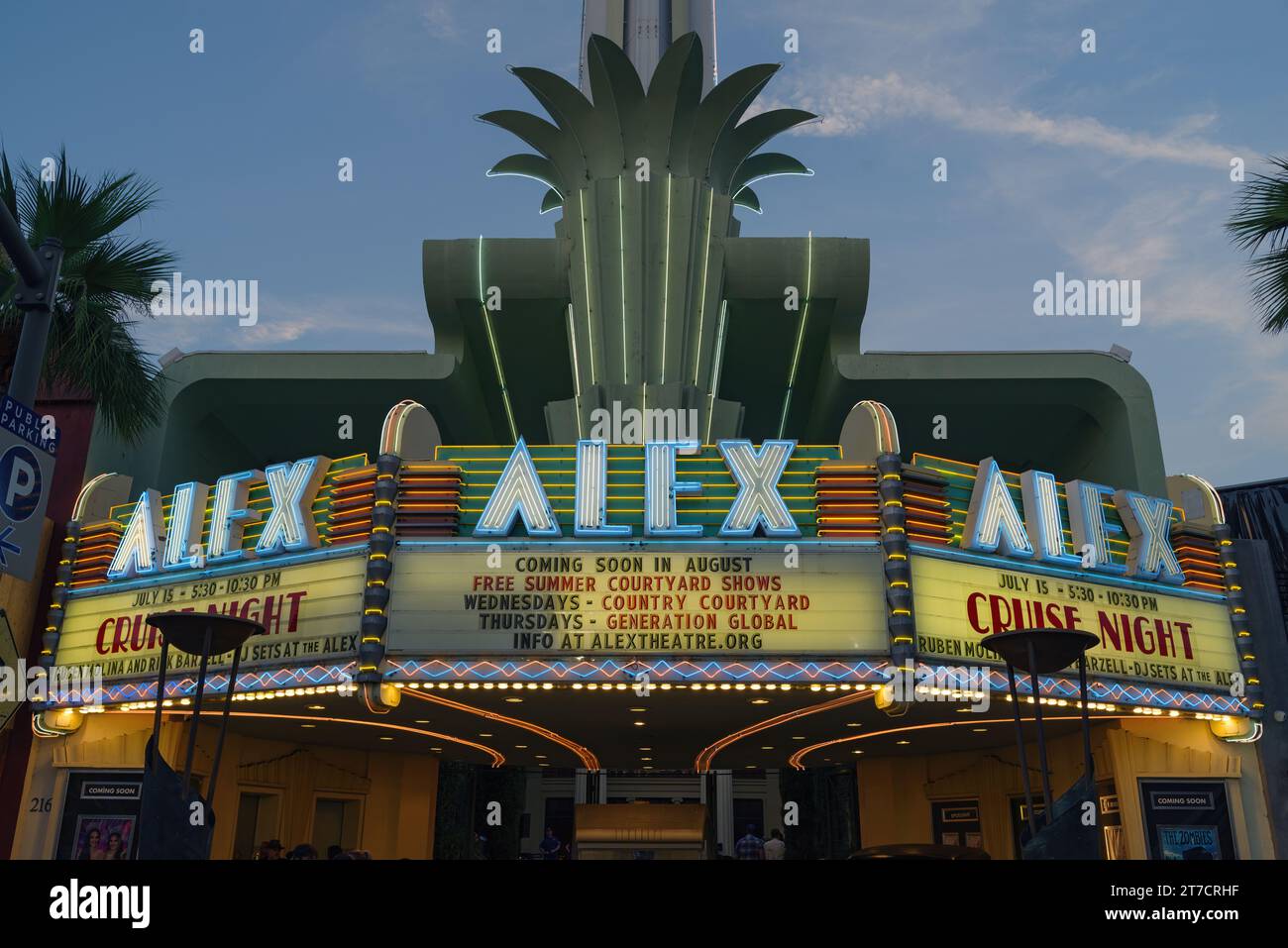
The Alex movie theater stands as a testament to the ornate "movie palace" era of the early 20th century. Constructed during an architectural boom characterized by grand lobbies, intricate plaster moldings, and opulent auditorium aesthetics, the building was designed to provide an immersive escape for the working class. Unlike modern multiplexes, which prioritize footprint efficiency and rapid turnover, the original design of the Alex utilized high-ceiling volumes and expansive foyers to create a sense of occasion for the theatergoer.
Preservation efforts over the last hundred years have focused on maintaining these structural hallmarks. Senior architectural conservationists argue that the longevity of such venues relies on "period-appropriate maintenance." This involves sourcing original materials for masonry repairs, utilizing period-accurate paint palettes for interior restoration, and meticulously cleaning the original lobby fixtures that define the theater's identity. In 2026, the building serves as a case study for how historic preservation can coexist with the functional requirements of a modern high-traffic venue.
Technical Evolution: From Silent Films to Digital Projection
The transition from silent films to the "talkies," and eventually to the high-definition digital formats of the 2020s, necessitated significant internal upgrades. The challenge for the Alex management has always been the integration of modern hardware—such as 4K laser projection systems and immersive sound arrays—into a sensitive, historic structure without compromising the site’s aesthetic integrity.
The current technical configuration of the theater represents a hybrid model. The auditorium utilizes hidden infrastructure; wiring and cooling systems are routed through existing cavities or behind acoustic treatments designed to mimic the period style. By prioritizing "invisible infrastructure," the theater retains the tactile experience of a historic environment while delivering the technical performance expected by modern audiences.
Adapting the Business Model for Long-Term Viability
A century of operation is rarely achieved through ticket sales alone. The Alex's revival is fundamentally a story of economic adaptation. Since its inception, the theater has shifted its business model several times, transitioning from a primary first-run cinema to a community-focused cultural hub.
By 2026, the venue’s financial model relies on a balanced ecosystem of revenue streams:
- Specialized Screenings: Hosting curated film series, independent features, and classic cinema nights that appeal to niche demographics rather than mass-market blockbusters.
- Live Events: The auditorium is regularly repurposed for lectures, intimate musical performances, and town hall gatherings, maximizing the utility of the square footage.
- Venue Rentals: Offering the lobby and main hall for corporate events, weddings, and private screenings provides a stable income stream that subsidizes lower-margin film exhibitions.
- Public-Private Partnerships: Collaborative funding through historic tax credits and municipal preservation grants ensures that the facility remains viable without necessitating radical structural changes that would diminish its cultural value.
Comparative Analysis of Venue Longevity
The following table illustrates the operational strategies that differentiate the Alex from typical neighborhood cinemas of the same era.
| Feature | Standard Historic Cinema | The Alex Approach |
|---|---|---|
| Primary Revenue | First-run ticket sales | Multi-purpose event hosting |
| Acoustic Treatment | Superficial wall panels | Integrated period-mimicking insulation |
| Infrastructure | Visible, exterior conduits | Concealed routing and HVAC upgrades |
| Maintenance | Reactive repair | Continuous, planned preservation |
| Audience Focus | Mass market | Community and demographic niche |
Addressing Challenges in Historic Venue Maintenance
Maintaining a century-old property presents continuous logistical hurdles. In 2026, the most significant challenge remains compliance with modern safety codes. Building departments require contemporary fire suppression systems, accessible egress routes, and seismic retrofitting that can be invasive if not handled with engineering precision.
Engineers specializing in historic structures often utilize "non-destructive" diagnostics, such as ground-penetrating radar and thermal imaging, to assess the condition of internal materials before any modification. This ensures that the structural reinforcements required by current law do not inadvertently damage the artistic finishes that give the Alex its historical value. Troubleshooting these issues requires a collaborative approach between historic conservation boards and modern structural engineers to find compromises that satisfy both safety mandates and heritage preservation standards.
Ensuring Accessibility in a Legacy Space
One of the most complex aspects of the theater’s revival is providing universal access. Early 20th-century architects did not account for ADA (Americans with Disabilities Act) standards, often incorporating sloped floors, narrow doorways, and elevation changes that exclude some patrons.
To address this, the Alex has implemented a phased accessibility program. This includes the installation of discreet ramps that match the architectural texture of the lobby, the adaptation of auditorium seating to include wheelchair-accessible viewing areas with sightlines equal to standard seating, and the modernization of restrooms to current accessibility specifications. By viewing these changes as "modern layers" on the building's history, the theater demonstrates that a historic venue does not have to be an exclusive or exclusionary space.
Frequently Asked Questions
How does the Alex maintain its original appearance during technical renovations? The theater utilizes bespoke acoustic treatments and custom-fabricated moldings that hide modern cabling and HVAC systems. By prioritizing "invisible infrastructure," the venue ensures that modern technology serves the experience without dominating the physical space.
Is the Alex open for private bookings in 2026? Yes, the facility is available for private rentals, ranging from weddings to corporate presentations. Prospective renters are encouraged to inquire at least six months in advance to coordinate with the theater's existing programming calendar.
Does the building meet modern earthquake safety standards? Yes, the theater has undergone phased seismic retrofitting. These structural reinforcements were integrated using non-invasive techniques, such as carbon-fiber wrapping and hidden steel framing, which preserve the visual character of the original masonry.
How does the theater fund its ongoing restoration efforts? Funding is sourced from a combination of ticket sales, private venue rental fees, and participation in municipal heritage conservation grants that specifically support the upkeep of buildings designated as local landmarks.
What is the best way to support the theater’s ongoing survival? Supporting the theater involves attending diverse programming, including live events and independent film screenings, and participating in the theater’s membership programs which directly subsidize capital improvement projects.
Recommendations for Future Operations
To ensure the Alex continues its trajectory into the next century, management should prioritize the digitization of the theater’s archives and the development of an "energy-efficiency audit" that leverages modern smart-glass technology and geothermal cooling. While the building remains a pillar of the community, its long-term survival hinges on being a leader in sustainability. Moving forward, the theater should continue to balance its role as a film venue with its status as a public landmark, ensuring that each renovation is documented and treated as a continuation of its 100-year history. For stakeholders and community members, the next logical step is to advocate for continued historical zoning protections that prevent development from encroaching on the theater's immediate environment.
Image Gallery