The Role of Pope John XXIII in Vatican II: The Architect of Aggiornamento
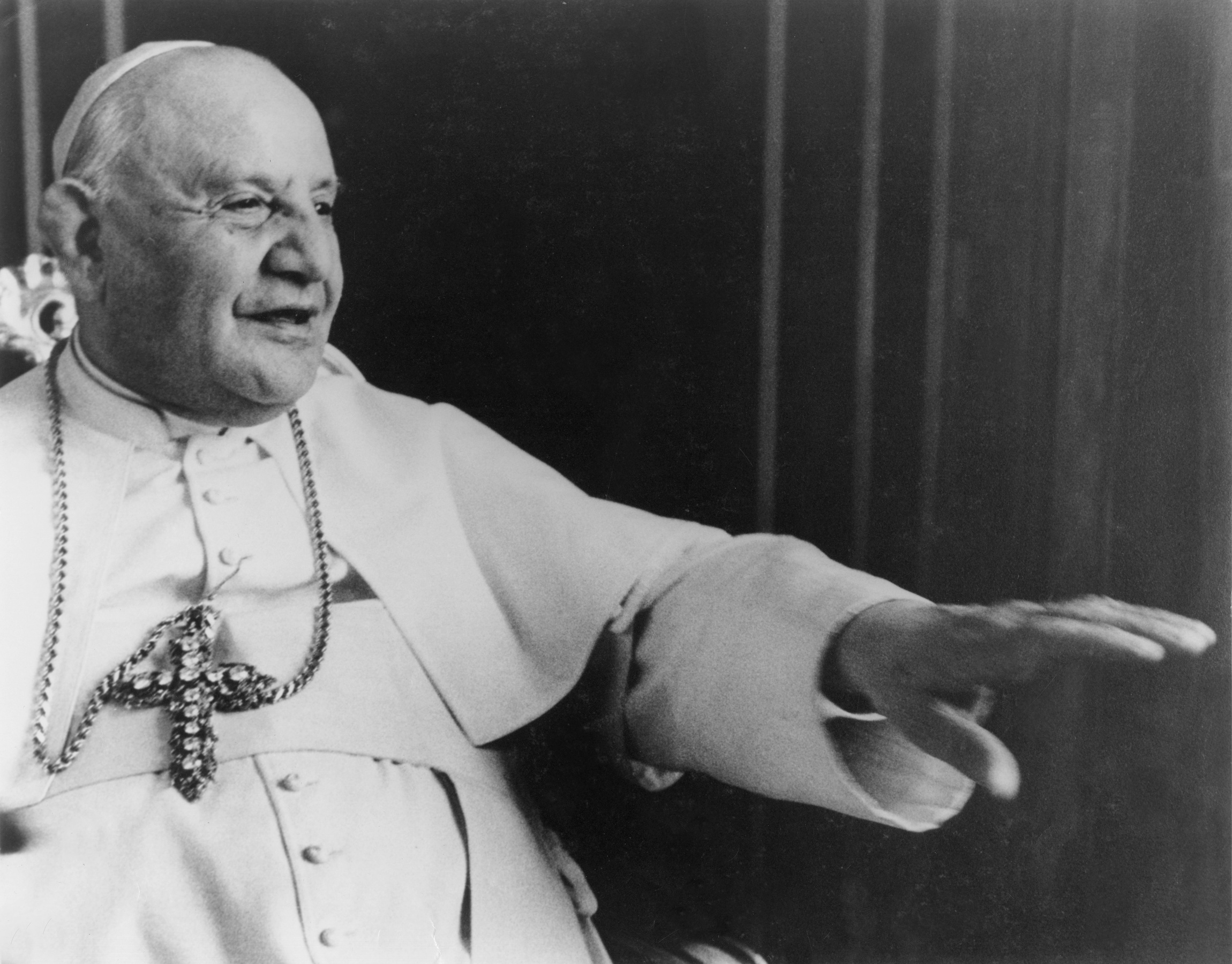
Pope John XXIII was the primary visionary and catalyst for the Second Vatican Council (1962–1965), an event he convoked to initiate a spiritual renewal known as aggiornamento. By calling the Council, he transitioned the Catholic Church...
Pope John XXIII was the primary visionary and catalyst for the Second Vatican Council (1962–1965), an event he convoked to initiate a spiritual renewal known as aggiornamento. By calling the Council, he transitioned the Catholic Church from a defensive, post-Reformation stance toward a posture of dialogue with the modern world, emphasizing pastoral mercy and Christian unity over dogmatic condemnation.
Contents
The "Interim" Pope and the Surprise Announcement
When Angelo Giuseppe Roncalli was elected as Pope John XXIII in 1958 at the age of 76, many Vatican observers and members of the College of Cardinals viewed him as a "transition" or "interim" pope. Following the long and intellectually rigorous reign of Pius XII, the expectation was that Roncalli would provide a quiet, short-term papacy that would allow the Church to stabilize before a younger successor was chosen.
However, less than three months after his election, on January 25, 1959, John XXIII surprised the world by announcing his intention to convene an ecumenical council. This announcement, made at the Basilica of Saint Paul Outside the Walls, was met with "stony silence" from the assembled cardinals. The Church had not held a council since the First Vatican Council was interrupted by the Franco-Prussian War in 1870, and many in the Roman Curia believed that the declaration of Papal Infallibility in 1870 had rendered future councils unnecessary.
John XXIII’s role was not merely as a convener but as a disruptor of the status quo. He sensed that the Church had become too isolated from the realities of the mid-20th century. His motivation was not to change dogma—the core beliefs of the faith—but to change the way those beliefs were communicated and lived in a world reeling from the horrors of World War II and facing the challenges of the Cold War and rapid technological advancement.
Aggiornamento: The Philosophical Foundation of the Council
The defining concept of Pope John XXIII’s role in Vatican II was aggiornamento, an Italian word meaning "bringing up to date." While traditionalists feared this meant a capitulation to secularism, John XXIII defined it as a rejuvenation of the Church’s mission. He famously used the metaphor of "opening the windows to let in some fresh air."
His vision for aggiornamento involved several key pillars:
- Pastoral Orientation: He moved the Church away from "anathemas" (formal curses or excommunications) and toward a pastoral approach. He believed the Church should use the "medicine of mercy" rather than the "arms of severity."
- Resourceful Return to Sources (Ressourcement): While looking forward, John XXIII also encouraged a return to the original sources of the faith—the Scriptures and the writings of the Early Church Fathers—to find a more authentic expression of Christianity that predated the rigid legalism of later centuries.
- The Signs of the Times: He insisted that the Church must read the "signs of the times," acknowledging that God is active in the world outside the visible boundaries of the Church. This led to a more positive assessment of human rights, democracy, and social justice.
Overcoming Curial Resistance: The Preparatory Phase
The period between the announcement in 1959 and the opening of the Council in 1962 was a time of intense internal struggle. The Roman Curia, the administrative body of the Holy See, sought to control the Council’s agenda to ensure it merely reaffirmed existing positions. They prepared 72 "schemas" (draft documents) that were largely defensive and traditionalist in tone.
John XXIII’s role during this phase was one of subtle but firm leadership. While he allowed the Curia to proceed with their preparations, he also established the Secretariat for Promoting Christian Unity, led by Cardinal Augustin Bea. This was a revolutionary move because it gave the ecumenical movement an official voice within the Council's structure, independent of the more conservative Holy Office (now the Dicastery for the Doctrine of the Faith).
By creating this alternative power center, John XXIII ensured that the Council would not be a rubber stamp for the Curia. He encouraged bishops from around the world to submit their own concerns and suggestions, resulting in a massive influx of ideas that broadened the Council's scope far beyond the Curia’s original narrow vision.
The Opening Address: Gaudet Mater Ecclesia
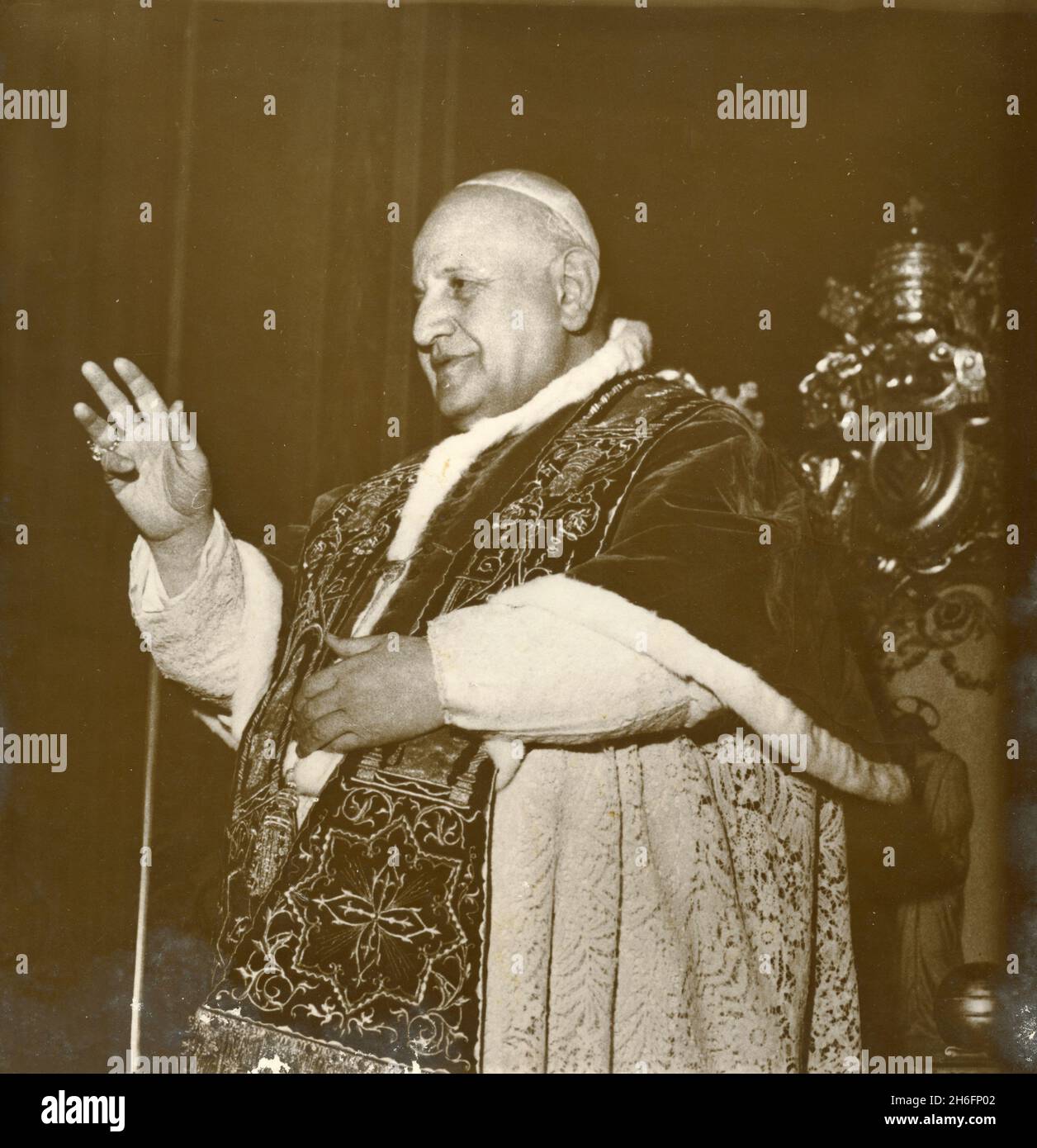
The Council officially opened on October 11, 1962. Pope John XXIII delivered a landmark address titled Gaudet Mater Ecclesia ("Mother Church Rejoices"), which set the tone for everything that followed. This speech is arguably the most significant document of his papacy and serves as the "charter" of Vatican II.
In this address, he explicitly rejected the "prophets of doom" who saw only disaster and prevarication in the modern world. He stated: "In the present order of things, Divine Providence is leading us to a new order of human relations." He argued that the Church’s greatest concern should not be the repetition of well-known doctrines, but a fresh presentation of the Gospel that speaks to the "requirements of our era."
This speech effectively authorized the Council fathers to be bold. It signaled that the Pope was not looking for a defense of the fortress, but for a missionary expansion. He redirected the Council’s energy from internal ecclesiastical discipline toward a universal mission of service to humanity.
Critical Interventions During the First Session
Although John XXIII did not live to see the end of the Council, his interventions during the first session (Autumn 1962) were decisive. The most famous of these occurred in November 1962 regarding the draft document on the sources of revelation (De Fontibus Revelationis).
The document, prepared by the conservative theological commission, was heavily criticized by many bishops for being too scholastic and for ignoring modern biblical scholarship. When a vote to reject the document fell just short of the required two-thirds majority, the Council appeared deadlocked. John XXIII stepped in and exercised his papal authority to withdraw the document and create a new commission to rewrite it, consisting of both conservatives and progressives.
This intervention was a turning point. It showed that the Pope supported the "majority" of bishops who wanted significant reform, and it broke the Curia's grip on the proceedings. It paved the way for Dei Verbum, one of the Council's most important dogmatic constitutions.
Shifting the Global Stance: Ecumenism and Inter-religious Dialogue
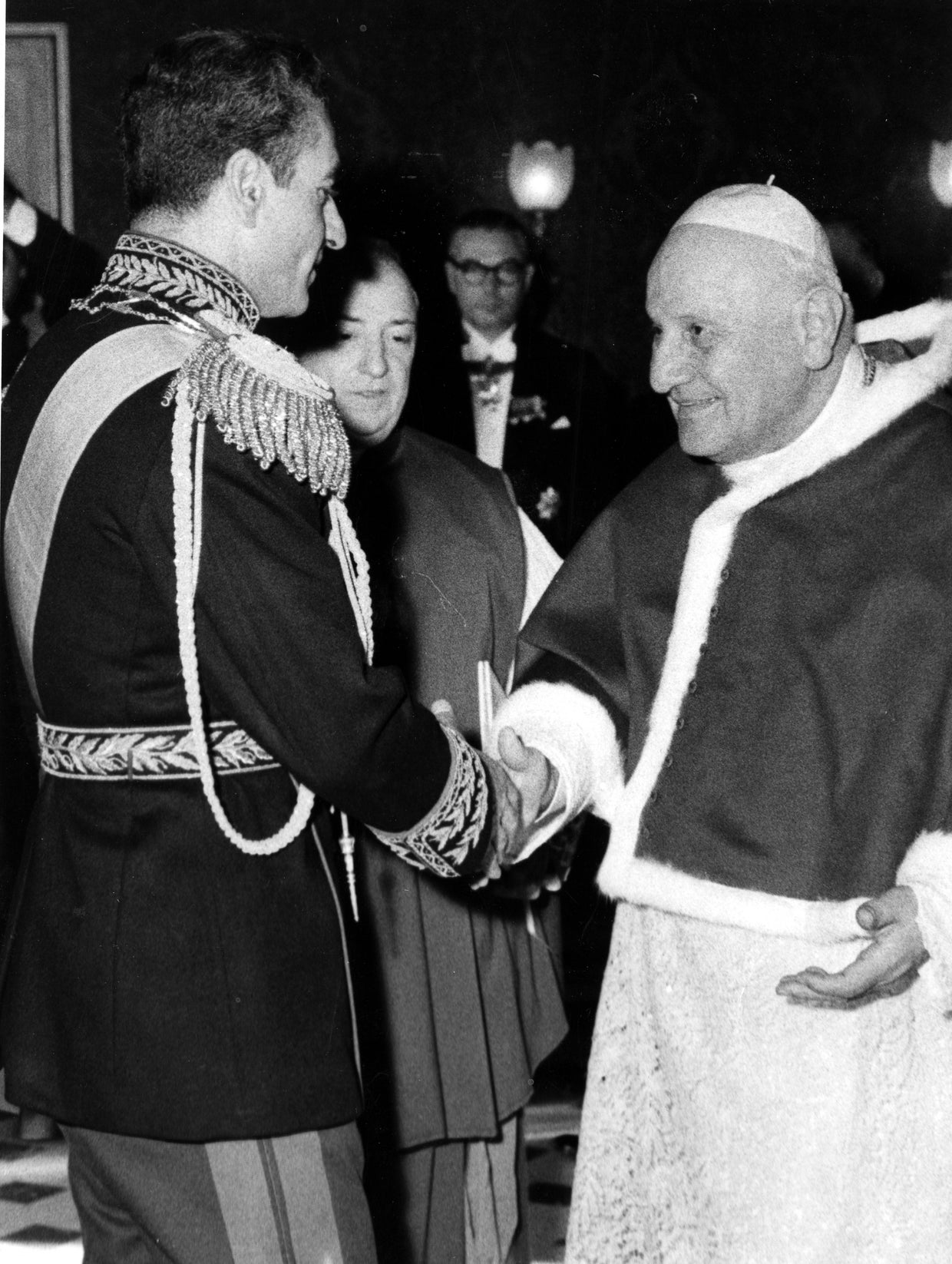
John XXIII’s personal history as a Vatican diplomat in Bulgaria, Turkey, and Greece gave him a unique perspective on non-Catholic Christians and non-Christians. He was the first Pope to meet with the Archbishop of Canterbury and the first to show significant warmth toward the Eastern Orthodox Patriarchs.
Under his guidance, the Council began to shift its view on other faiths. A major comparison of the pre-conciliar and post-conciliar perspectives highlights the impact of his vision:
| Feature | Pre-Vatican II Approach | Pope John XXIII’s Vision (Vatican II) |
|---|---|---|
| Primary Language | Latin exclusively for liturgy | Promotion of vernacular (local) languages |
| View of Modernity | Suspicion, condemnation, and isolation | Dialogue, engagement, and service |
| Role of the Laity | Passive recipients of teaching | Active "People of God" with a mission |
| Christian Unity | Only via "return" to the Catholic Church | Recognition of "separated brethren" and shared grace |
| Teaching Style | Juridical, legalistic, and definitive | Pastoral, encouraging, and dialogical |
| Inter-faith View | Focused on the errors of other religions | Seeking "what is true and holy" in other faiths |
His role was particularly vital in changing the Church's relationship with Judaism. Having saved many Jews during the Holocaust through his diplomatic efforts, he ordered the removal of the word "perfidious" from the Good Friday liturgy’s prayer for the Jews and initiated the process that would lead to the document Nostra Aetate, which fundamentally redefined Catholic-Jewish relations.
The Death of the Pope and the Legacy of the "Good Pope"
Pope John XXIII died on June 3, 1963, only months after the first session ended. He did not see the final documents on the liturgy, the Church, or religious liberty. However, his influence was so profound that his successor, Pope Paul VI, immediately committed to continuing the Council.
John XXIII’s legacy is often summarized by his "Spirit of Vatican II." He shifted the focus of the papacy from a monarchical figure to a "servant of the servants of God." His final encyclical, Pacem in Terris (1963), addressed not just Catholics but "all men of good will," further cementing his role as a global moral leader who transcended religious boundaries.
By the time of his canonization in 2014, the impact of his three-year council was visible in every Catholic parish worldwide—from the priest facing the congregation during Mass to the active participation of laypeople in ministry. He transformed the Church from a static institution into a "pilgrim people."
Frequently Asked Questions
Did Pope John XXIII change Catholic doctrine?
No. Pope John XXIII and the Council fathers maintained that they were not changing the "deposit of faith" (core doctrines). Instead, they sought to change the expression and presentation of those doctrines to make them more understandable and relevant to contemporary society.
Why was he called "The Good Pope"?
He earned the nickname Il Papa Buono ("The Good Pope") due to his approachable, humorous, and warm personality. Unlike many of his predecessors, he frequently visited hospitals and prisons, spoke in simple language, and displayed a genuine love for people regardless of their status or faith.
What was his most significant document regarding Vatican II?
While he didn't sign the final 16 documents of the Council, his opening speech, Gaudet Mater Ecclesia, is considered his most significant contribution. It provided the theological and pastoral framework that allowed the Council fathers to move toward reform.
Did he expect the Council to be so radical?
It is debated whether John XXIII anticipated the full extent of the changes that Vatican II would bring. However, his diaries and letters suggest that he had a deep trust in the Holy Spirit and believed that a "new Pentecost" was necessary, implying he was prepared for a significant transformation of Church life.
How did he handle the Cuban Missile Crisis during the Council?
In October 1962, during the first session of the Council, the Cuban Missile Crisis brought the world to the brink of nuclear war. John XXIII issued a radio plea for peace and offered to mediate between Kennedy and Khrushchev. His efforts were respected by both leaders and influenced the "Peace on Earth" (Pacem in Terris) encyclical he released shortly before his death.
Practical Recommendation for Further Study
To fully understand the role of Pope John XXIII, readers should examine the primary texts that define his vision. Start with his opening address, Gaudet Mater Ecclesia, followed by the encyclical Pacem in Terris. For a deeper historical context, the "Journal of a Soul," which contains his personal spiritual reflections from his youth until his death, provides unparalleled insight into the man who dared to "open the windows" of the Catholic Church.
Image Gallery