Understanding the Legal and Public Records Context of Gabriel Fernandez Evidence
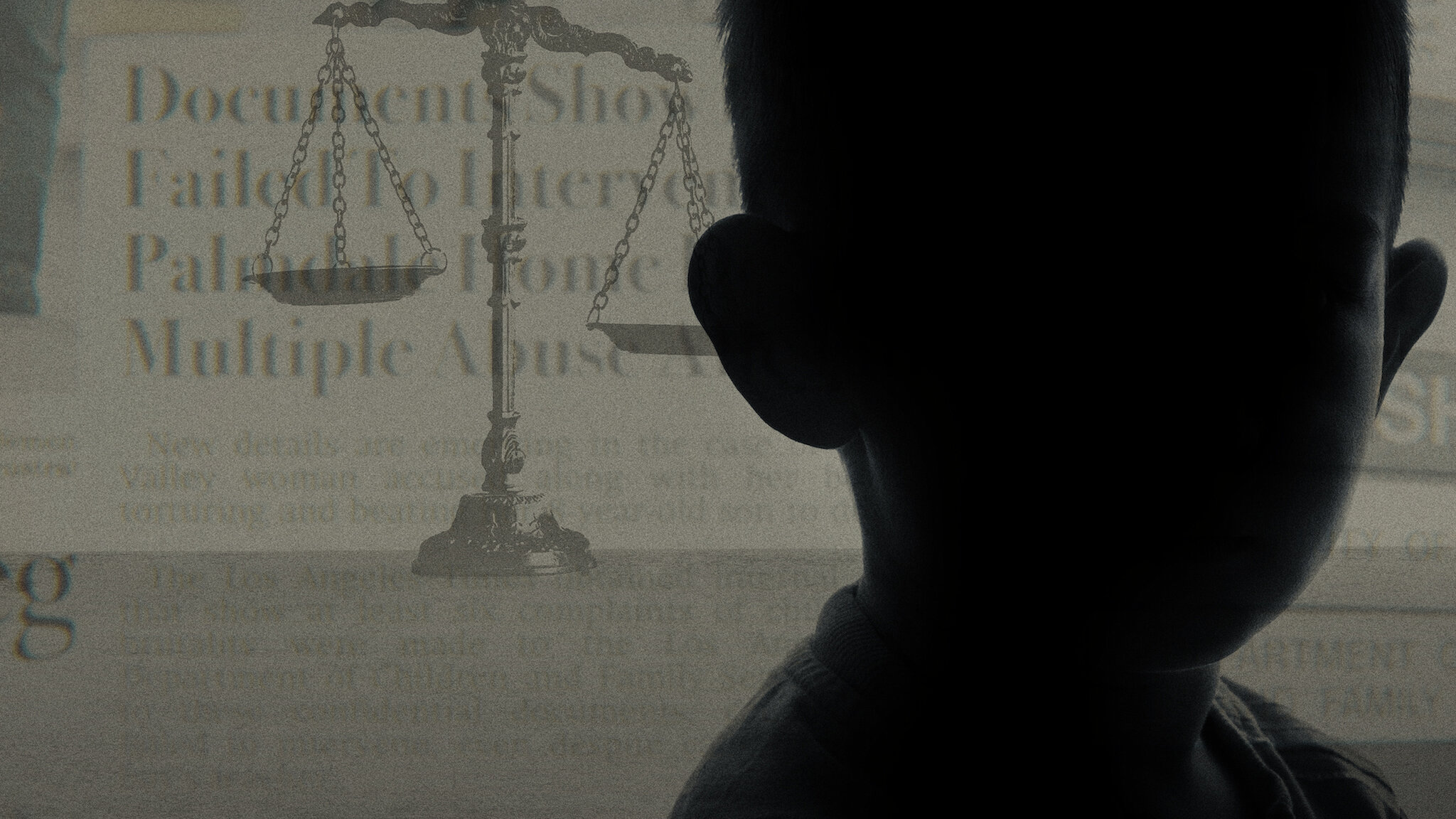
The search for Gabriel Fernandez crime scene photos pertains to the 2013 homicide of eight-year-old Gabriel Fernandez in Palmdale, California. These records are categorized as sensitive judicial evidence, largely restricted from public...
The search for Gabriel Fernandez crime scene photos pertains to the 2013 homicide of eight-year-old Gabriel Fernandez in Palmdale, California. These records are categorized as sensitive judicial evidence, largely restricted from public distribution to protect the privacy of the victim and the integrity of ongoing and finalized legal proceedings within the Los Angeles County Superior Court system.
Contents
The Legal Status of Judicial Exhibits and Crime Scene Documentation
In the United States, and specifically within the jurisdiction of Los Angeles County, the release of crime scene photography is governed by strict evidentiary rules. When a case transitions from an active criminal investigation to a closed trial, the physical and digital evidence becomes part of the court record. However, public access to these materials is not absolute.
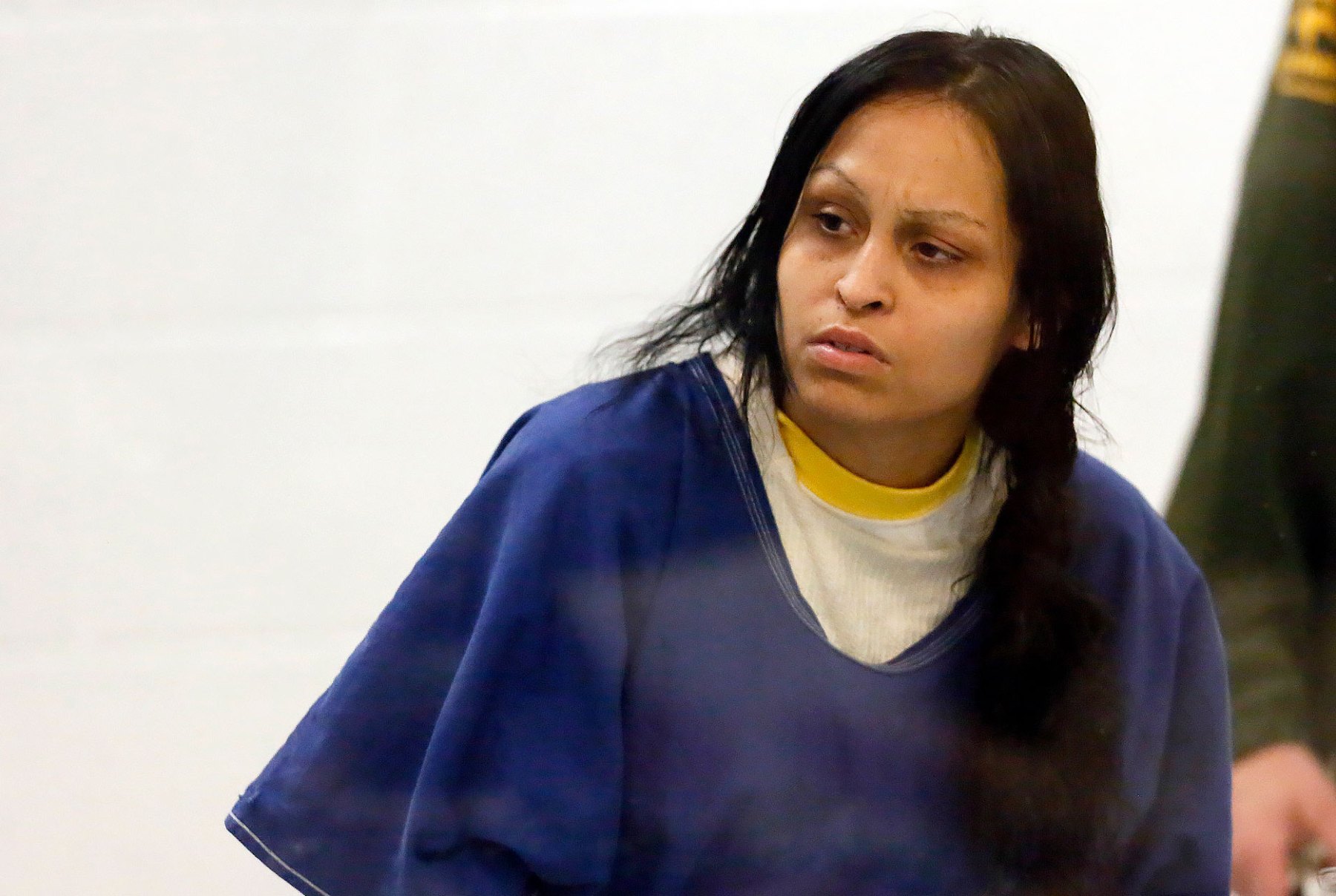
The legal framework surrounding the documentation of the Gabriel Fernandez case—which resulted in the conviction of Isauro Aguirre and Pearl Fernandez—was managed under the purview of the Los Angeles County District Attorney’s Office. Because these images depict the extreme abuse and final moments of a minor, they are protected under privacy statutes and court orders designed to prevent the exploitation of the victim's image.
Most requests for these records are denied by the County Clerk or the presiding court unless the requesting party is a legal stakeholder or has a specific, court-approved mandate for academic or investigative research. Even in those instances, the images are typically redacted or restricted to prevent public dissemination.
The Impact of Judicial Records on Public Awareness and Policy
The case of Gabriel Fernandez catalyzed significant structural changes within the Los Angeles County Department of Children and Family Services (DCFS). While the photographic evidence was utilized during the 2017 and 2018 trials to establish the horrific nature of the crimes, the public's understanding of the tragedy shifted from the visual documentation of the crime scene to the systemic failures that preceded it.
The following table summarizes the key entities and their roles regarding the management of evidence and information related to this case:
| Entity | Role in Record Management | Public Access Policy |
|---|---|---|
| LA County Superior Court | Custodian of official court exhibits | Restricted; requires judicial petition |
| LA County District Attorney | Prosecution of the 2013-2018 criminal cases | Not for public release |
| Los Angeles County DCFS | Agency involved in systemic review | Protected under confidentiality laws |
| California Department of Justice | State-level oversight of criminal records | Subject to state privacy guidelines |
Distinguishing Between Public Interest and Public Records
There is a frequent confusion between what is "publicly reported" and what is "publicly accessible." Journalists and documentarians who have covered the Gabriel Fernandez case, including those behind the 2020 Netflix documentary series, were granted access to certain records through legal channels. However, this does not grant the general public the right to access the underlying raw evidentiary files.
Privacy and Ethical Considerations
Victim Rights and Dignity The publication of graphic crime scene photos involving minors violates ethical standards of journalism and digital safety. These images are intended to serve the court in finding justice, not to be circulated in the public domain.
Legal Precedent for Restricted Access Courts frequently exercise their discretion to seal evidence that is deemed traumatizing or unnecessarily graphic when the interest of justice does not require that the public view such imagery to understand the outcome of the case.
Systemic Changes Following the 2013 Tragedy
The tragedy sparked a massive reform movement in 2026-relevant social policy, focusing on the interface between local law enforcement and child protective services. It is essential to understand that the "evidence" of the failure in this case is better found in the official investigative reports, audit findings, and legislative records of the State of California rather than in the crime scene photography.
- Legislative Reform: Bills were introduced to increase the frequency of welfare checks and the integration of law enforcement data with social worker case files.
- Oversight Committees: The creation of independent oversight bodies to monitor DCFS performance, which now provide annual reports on safety metrics.
- Cross-Agency Training: Mandatory protocols for the communication of "red flags" between schools, police, and social services.
Frequently Asked Questions Regarding the Case Records
Are the crime scene photos of Gabriel Fernandez available on the internet? Official, high-resolution crime scene photos are not available for public download. Any images circulating online that claim to be these photos are often unauthorized, speculative, or misleading, and accessing them does not provide a factual or respectful understanding of the legal proceedings.
Why are these records sealed or restricted? The court restricts this imagery to protect the dignity of the victim and to prevent the unnecessary trauma that public circulation of child abuse documentation causes. Judicial discretion in the state of California allows for the permanent sealing of such evidence once the trial has concluded.
How can I access official court documents related to the trial? You may search the Los Angeles County Superior Court case index for non-sensitive public filings. While trial transcripts and court minutes are often matters of public record, raw photographic evidence is almost never included in public-facing portals.
Did the documentary about Gabriel Fernandez show the crime scene photos? The documentary production team was provided access to certain materials to tell the story of the systemic failures; however, they exercised journalistic discretion to omit the most graphic or exploitative imagery out of respect for the victim and the family.
Is it legal to host or share these photos if they are found? While the internet is vast, hosting or distributing graphic images of a deceased minor can lead to platform-specific content violations, potential civil liabilities, and ethical condemnation. Most reputable social media and archival platforms strictly prohibit the hosting of such sensitive, violent content.
Conclusion for Researchers and Concerned Citizens
For those looking to understand the significance of the Gabriel Fernandez case as of 2026, the focus should remain on the court transcripts and the official reports issued by the Los Angeles County Board of Supervisors. These documents provide the necessary context to understand why the tragedy occurred without the need to engage with sensitive or restricted imagery. Prioritize official resources provided by the California state government to ensure the information you are consuming is accurate, ethical, and legally sound.
Image Gallery