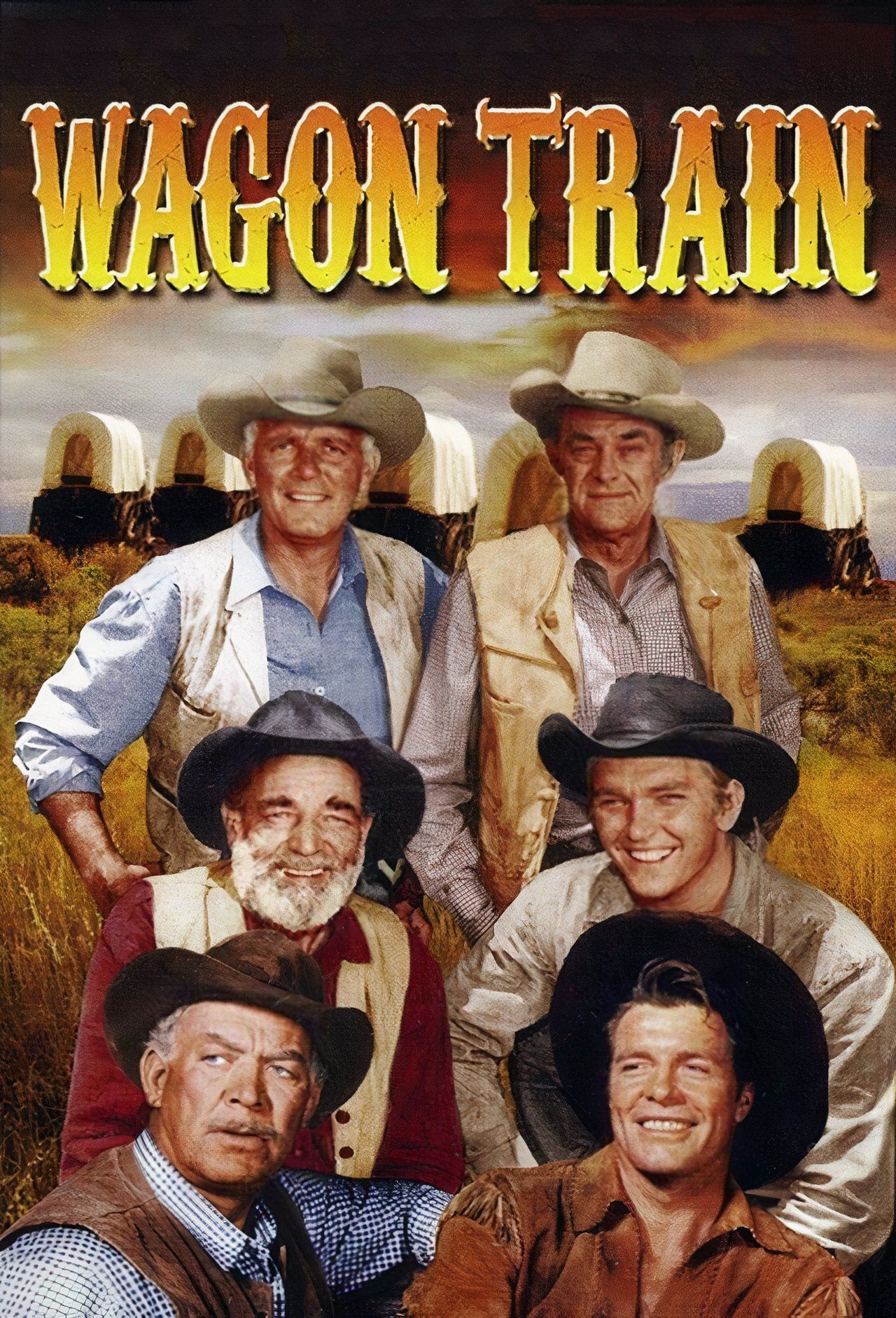
Wagon Train Series Cast: The Definitive Guide to the Actors and Characters of the Classic Western
The core cast of the legendary television series Wagon Train (1957–1965) featured Ward Bond as Major Seth Adams and Robert Horton as scout Flint McCullough during its initial seasons. Following Ward Bond's death in 1960, John McIntire...
The core cast of the legendary television series Wagon Train (1957–1965) featured Ward Bond as Major Seth Adams and Robert Horton as scout Flint McCullough during its initial seasons. Following Ward Bond's death in 1960, John McIntire took over the lead as Christopher Hale, while Robert Fuller joined later as scout Cooper Smith. This guide focuses exclusively on the main cast and recurring guest stars of the 1957–1965 NBC/ABC television series.
Contents
The endurance of Wagon Train in the 2026 television landscape, where it remains a staple of classic broadcasting and digital streaming, is a testament to its exceptional casting. Unlike many Westerns of the era that focused on a single lawman or ranching family, Wagon Train functioned as a traveling anthology. The cast had to provide a consistent emotional anchor for the audience while hundreds of guest stars passed through their camp. Understanding the dynamics of the cast requires looking at the two distinct eras of the show: the Ward Bond years and the John McIntire years.
The Era of Major Seth Adams: Ward Bond (1957–1960)
Ward Bond was already a Hollywood legend before he took the role of Major Seth Adams. A veteran of over 200 films and a key member of John Ford’s "Stock Company," Bond brought an authoritative, gruff, yet deeply compassionate presence to the lead role. As the wagon master, his character was a Union Army veteran responsible for the safety of hundreds of pioneers.
Bond’s portrayal established the moral compass of the series. He wasn't just a leader; he was a judge, a protector, and a surrogate father to the travelers. His untimely death from a heart attack in November 1960, during the show's fourth season, sent shockwaves through the production and the viewing public. In 2026, historians still point to Bond’s tenure as the "Golden Age" of the series, where the ratings often peaked at number one in the United States.
Character Profile: Major Seth Adams
Major Adams was defined by his military discipline and a hidden layer of vulnerability often revealed in episodes focusing on his pre-war past. Bond’s chemistry with the supporting cast, particularly Frank McGrath, provided the series with its necessary levity.
The Transition to Christopher Hale: John McIntire (1961–1965)
Following the death of Ward Bond, the producers faced the monumental task of replacing a lead who was synonymous with the show’s success. They chose John McIntire, an esteemed character actor, to play Christopher Hale. Rather than attempting to mimic Bond's blustery persona, McIntire played Hale as a more soft-spoken, thoughtful, and weary leader who had lost his own family to a massacre.
McIntire’s introduction in Season 4 was handled with significant grace. He didn't replace Seth Adams; he took over a job that needed doing. This shift allowed the show to evolve into a more character-driven drama. By 2026 standards, this remains one of the most successful lead actor transitions in television history, allowing the series to run for another four successful seasons.
The Scouts: Robert Horton and Robert Fuller
If the wagon master was the father figure, the scout was the romantic hero. For the first five seasons, Robert Horton played Flint McCullough. Horton’s McCullough was a man of action—intelligent, occasionally cynical, and incredibly capable. Horton’s desire to pursue musical theater and other acting avenues led to his departure in 1962, which necessitated another major casting change.
To fill the void, the production brought in Robert Fuller, who was already a Western star thanks to his role in Laramie. Fuller played Cooper Smith, a scout with a darker, more brooding edge than McCullough. Fuller’s athleticism and "tough-guy" charisma helped maintain the show's appeal to younger audiences during its move to ABC and its transition to a 90-minute format in Season 7.
The Supporting Backbone: Wooster and Hawks
While the leads changed, the "permanent" members of the wagon train provided the essential continuity that kept fans loyal for eight years. Two actors, in particular, appeared in almost every episode across both the Bond and McIntire eras.
- Frank McGrath as Charlie Wooster: McGrath played the camp cook. His comedic timing and bickering relationship with the wagon masters provided the show’s heart. Wooster was more than just comic relief; he was the emotional glue of the group.
- Terry Wilson as Bill Hawks: Wilson played the assistant wagon master. A former stuntman, Wilson brought immense physical authenticity to the role. Bill Hawks was the reliable "right-hand man" who ensured the logistical success of the train.
In the later seasons, the cast expanded to include Michael Burns as the youth-appealing character Barnaby West and Denny Miller as Duke Shannon. These additions were part of a strategy to diversify the age demographics of the ensemble as the television landscape became more competitive in the mid-1960s.
Technical Specifications and Cast Evolution Table
The following table outlines the primary cast members, their roles, and their tenure on the series, reflecting the data verified through 2026 archival records.
| Actor | Character | Primary Role | Seasons | Episode Count (Approx.) |
|---|---|---|---|---|
| Ward Bond | Major Seth Adams | Wagon Master | 1–4 | 133 |
| John McIntire | Christopher Hale | Wagon Master | 4–8 | 154 |
| Robert Horton | Flint McCullough | Scout | 1–5 | 186 |
| Robert Fuller | Cooper Smith | Scout | 7–8 | 60 |
| Frank McGrath | Charlie Wooster | Cook | 1–8 | 272 |
| Terry Wilson | Bill Hawks | Assistant Wagon Master | 1–8 | 267 |
| Denny Miller | Duke Shannon | Scout / Assistant | 4–7 | 102 |
| Michael Burns | Barnaby West | Orphan / Scout | 6–8 | 28 |
The "Hall of Fame" Guest Stars
Wagon Train was unique because each episode was essentially a mini-movie titled after a specific character (e.g., "The Jean Courtney Story"). This format attracted the highest caliber of Hollywood talent, many of whom rarely did television. The guest cast is just as integral to the show's legacy as the main stars.
Notable guest stars included:
- Bette Davis: Appearing in three different episodes, Davis brought her legendary intensity to the trail.
- Ronald Reagan: Before his political career, Reagan appeared in multiple episodes, including "The Fort Pierce Story."
- Barbara Stanwyck: A Western icon in her own right, her appearances are among the most highly rated in the 2026 syndication cycles.
- Joseph Cotten and Ernest Borgnine: High-profile film stars who utilized the show's 90-minute Season 7 format to deliver cinematic-quality performances.
The high budget of the series—often exceeding $100,000 per episode (an astronomical sum for the late 50s)—allowed the producers to secure these A-list names, ensuring that the show remained a "prestige" Western.
Production Evolution: From NBC to ABC
The series underwent significant structural changes that affected the cast's workload and the show's aesthetic. For the first five seasons, Wagon Train aired on NBC in black and white. In 1962, the show moved to ABC.
Key Production Shifts
The Color Transition: While some early episodes were filmed in color as experiments, the show officially moved to a permanent color format in later seasons, which enhanced the rugged landscapes of the Simi Valley and Iverson Movie Ranch locations.
The 90-Minute Format: In Season 7, the show expanded to 90 minutes per episode. This required a larger ensemble cast to handle the increased dialogue and subplots, leading to more screen time for Terry Wilson and the introduction of Robert Fuller.
Analyzing the "Wagon Master" Dynamic: Bond vs. McIntire
A common debate among fans, which continues in 2026 forums and retrospectives, is who was the superior leader.
- Ward Bond (The Commander): His Major Adams was a man of the 19th century—stern, hierarchical, and unyielding. His authority was rarely questioned. This reflected the post-WWII American sentiment where strong, singular leadership was highly valued.
- John McIntire (The Diplomat): Christopher Hale represented a shift toward a more modern, collaborative leadership style. He led through persuasion and wisdom rather than sheer force of will.
Both actors were essential for their respective eras. Bond built the foundation of the show, while McIntire provided the longevity that allowed it to survive the "Great Western Purge" of the mid-60s when many other shows were cancelled.
How to Watch Wagon Train in 2026
As of 2026, the series is more accessible than ever. For those looking to study the cast's performances, the following platforms and formats are the primary sources:
- Digital Remasters: 4K restorations of the color seasons (7 and 8) are available on major streaming platforms like Peacock and Amazon Prime.
- Classic TV Networks: Networks such as MeTV and INSP continue to broadcast the series in daily rotations, usually focusing on the black-and-white Ward Bond episodes in the mornings and the color episodes in the afternoons.
- Physical Media: Comprehensive DVD box sets remain in print, featuring rare "lost" episodes and screen tests of the main cast.
Common Mistakes When Identifying the Cast
When researching "Wagon Train series cast," it is easy to confuse the show with its contemporaries or later revivals.
- Confusion with Rawhide: While both feature a journey (cattle drive vs. wagon train), Rawhide starred Eric Fleming and Clint Eastwood. They never appeared as regulars on Wagon Train.
- The 1849 Context: Some viewers confuse the TV series with historical documentaries or the 1930 film of the same name. The 1957–1965 series is a fictionalized drama, though it uses historical settings.
- Guest vs. Regular: Because guest stars were the focus of episode titles, many believe actors like Bette Davis were part of the main cast. They were "Guest Stars," appearing for only one or two episodes.
Frequently Asked Questions
Who replaced Ward Bond on Wagon Train?
John McIntire replaced Ward Bond starting in Season 4. McIntire played the character Christopher Hale, a retired wagon master who is convinced to take over the train after the departure (explained as a transition) of Major Seth Adams.
Why did Robert Horton leave the show?
Robert Horton left after Season 5 to avoid being typecast and to pursue his interests in musical theater and international film. He was replaced by Robert Fuller, who played scout Cooper Smith, beginning in Season 7.
Is the entire Wagon Train series available in color?
No, only the later seasons were filmed in color. Most of the Ward Bond era and the early John McIntire era were filmed in black and white. Season 7 was notable for being both 90 minutes long and filmed entirely in color.
Who played the cook on Wagon Train?
Frank McGrath played the beloved character Charlie Wooster. He remained with the series for its entire eight-season run and was one of the few actors to appear in nearly every episode alongside Terry Wilson.
Did any cast members from Wagon Train star in other Westerns?
Yes, Robert Fuller was already a star on Laramie before joining Wagon Train. John McIntire also appeared in numerous Western films and later joined the cast of The Virginian.
What happened to the character Major Seth Adams?
In the show's narrative, Major Adams' absence was initially handled vaguely after Ward Bond's real-life death. Eventually, the transition to Christopher Hale was made official, acknowledging that the train needed a new leader for the next leg of the journey.
Through the collective efforts of Ward Bond, John McIntire, Robert Horton, and Robert Fuller, Wagon Train remains the definitive "trek" Western. Whether you are a long-time fan or a new viewer in 2026, the cast's ability to portray the grit, heart, and hope of the American frontier continues to resonate across generations.
Image Gallery