The Medical Photography Degree Explained: Path, Curriculum, and Career Outlook for 2026
A medical photography degree is a specialized interdisciplinary program that integrates clinical sciences, such as anatomy and pathology, with advanced imaging technology. These programs train professionals to document surgical procedu...
A medical photography degree is a specialized interdisciplinary program that integrates clinical sciences, such as anatomy and pathology, with advanced imaging technology. These programs train professionals to document surgical procedures, patient progress, and autopsy findings for clinical, educational, and legal purposes, ensuring high-quality visual data that adheres to strict medical ethics and privacy regulations.
Contents
The field of medical photography—often referred to as biomedical imaging or clinical photography—is a vital component of modern healthcare. As we move through 2026, the demand for precise visual documentation has expanded beyond simple two-dimensional photos to include 3D scanning, ophthalmic imaging, and sophisticated data management. A degree in this field provides the necessary bridge between artistic technicality and scientific rigor, preparing graduates for a career where accuracy is prioritized over aesthetic interpretation.
The Scope of Medical Photography Education
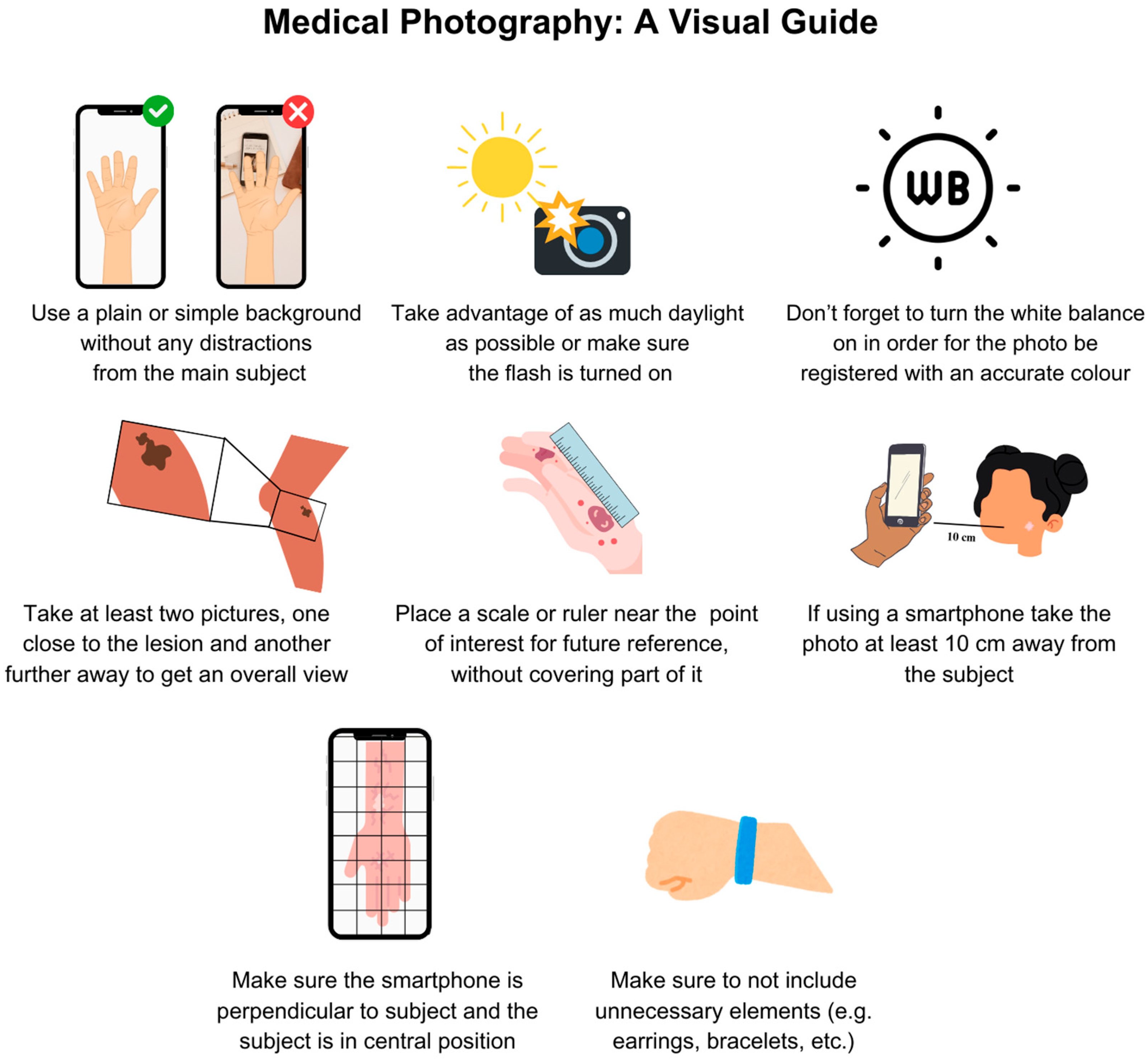
A medical photography degree is not a standard photography program with a few science electives added in. It is a dedicated curriculum designed to produce "clinical photographers" or "biomedical communicators." These professionals are responsible for creating an objective record of a patient's condition or a biological process. Unlike commercial photographers, a medical photographer must follow standardized protocols to ensure that images taken months or years apart are comparable in terms of scale, color, and lighting.
In 2026, the scope of these degrees has evolved to include the management of digital assets within electronic health records (EHR). Students learn how to navigate the complex intersection of patient care and data security. The educational path focuses heavily on "diagnostic truth"—the principle that the photograph must represent the subject as accurately as possible to assist in diagnosis, treatment planning, and medical research.
Academic Levels and Program Structures
Prospective students can enter the field through several academic routes, depending on their previous education and career goals. While undergraduate degrees are common, post-graduate certificates and Master’s degrees are increasingly preferred for specialized roles in research and management.
Bachelor of Science (B.Sc.) in Biomedical Photography
The Bachelor of Science is the standard entry-level degree for the profession. These four-year programs (or three years in some jurisdictions like the UK) provide a foundational education in both the arts and sciences. The first two years typically focus on general biology, chemistry, and the physics of light. The latter half of the degree dives deep into specialized clinical photography, surgical documentation, and ophthalmic imaging.
Master of Science (M.S.) in Medical Illustration or Imaging
For those who already hold a degree in photography or biology, a Master’s program offers a path to specialization. These programs often combine photography with medical illustration and 3D modeling. Graduates from these programs frequently work in high-end medical publishing, pharmaceutical marketing, or surgical simulation design.
Graduate Certificates and Diplomas
In some regions, particularly the United Kingdom and Australia, professionals with a general photography degree can earn a post-graduate certificate in clinical photography while working as a trainee. These programs focus intensely on the legal and ethical frameworks of healthcare, such as the General Data Protection Regulation (GDPR) or the Health Insurance Portability and Accountability Act (HIPAA).
| Feature | Bachelor’s Degree | Master’s Degree | Post-Grad Certificate |
|---|---|---|---|
| Duration | 3–4 Years | 2 Years | 1 Year (Part-time) |
| Primary Focus | Foundational Science & Imaging | Advanced Research & Illustration | Clinical Practice & Ethics |
| Common Entry Point | High School Graduate | B.Sc. in Art or Science | Working Photographer |
| Career Goal | Clinical Staff Photographer | Director or Researcher | Specialized Technician |
Core Curriculum: What Students Study
The curriculum of a medical photography degree is rigorous, balancing the technical demands of high-end camera systems with the intellectual demands of the medical sciences.
Biological and Clinical Sciences
Students must develop a deep understanding of the human body to document it effectively.
- Anatomy and Physiology: Understanding the structure and function of the body is essential for orienting the camera and identifying what features need to be captured for a specific diagnosis.
- Pathology: Students learn about disease processes, which helps them recognize visible symptoms or anomalies that are clinically significant.
- Medical Terminology: Mastery of medical language is required to communicate with surgeons, dermatologists, and forensic pathologists.
Advanced Imaging Technology
The technical side of the degree covers much more than a standard DSLR or mirrorless camera.
- Optics and Lighting: Students study the physics of light, focusing on how it interacts with different tissue types. This includes specialized techniques like cross-polarization to remove glare from surgical sites.
- Ophthalmic Imaging: This involves using highly specialized equipment like fundus cameras and Optical Coherence Tomography (OCT) to photograph the interior of the eye.
- Forensic Photography: Training includes documenting trauma and crime scenes, where the integrity of the image as legal evidence is paramount.
- Ultraviolet (UV) and Infrared (IR) Imaging: These wavelengths are used to reveal bruising or vascular patterns not visible to the naked eye.
Ethics, Law, and Patient Care
Perhaps the most critical part of the degree is the focus on patient interaction and privacy.
- Informed Consent: Students are trained in the legal requirements of obtaining consent, ensuring patients understand how their images will be used (e.g., for direct care, education, or publication).
- Patient Handling: Working in a clinical environment requires knowing how to interact with patients who may be in pain, distressed, or under anesthesia.
- Data Security: In 2026, the "digital chain of custody" is vital. Students learn how to encrypt images and store them securely within hospital databases to prevent data breaches.
The Role of Technology and AI in 2026
By 2026, the medical photography degree has integrated several emerging technologies into the core curriculum. Artificial Intelligence (AI) is now used as a tool for image sorting, metadata tagging, and automated quality control. However, the degree emphasizes that AI must not be used to "enhance" or alter the clinical reality of an image.
3D surface imaging has also become a standard part of the toolkit. Students learn to use photogrammetry and structured light scanners to create three-dimensional models of a patient's anatomy. These models are used in reconstructive surgery planning and the creation of custom prosthetics. Understanding the software pipelines for these 3D assets is now as important as knowing how to set an exposure.
Career Opportunities and Professional Settings
Graduates with a medical photography degree are eligible for a variety of roles within the healthcare and scientific sectors.
Hospital Clinical Photography Departments
The majority of graduates work in large teaching hospitals. They rotate through different departments, such as dermatology (tracking skin lesions), plastics (pre- and post-operative documentation), and the operating theater. Their work provides a visual history of a patient’s treatment.
Forensic and Legal Services
Medical photographers play a crucial role in forensic pathology and medical-legal cases. They document injuries for court cases or perform post-mortem photography in coroners' offices. This work requires a high level of psychological resilience and strict adherence to evidentiary standards.
Research and Pharmaceutical Industries
In clinical trials, visual evidence is often used to prove the efficacy of a new drug or treatment. Medical photographers in these settings work under highly controlled conditions to ensure every image is captured with identical parameters to maintain scientific validity.
Accreditation and Professional Bodies
When choosing a degree, it is essential to ensure the program is recognized by relevant professional organizations. These bodies set the standards for practice and often provide the certification required for employment.
- Institute of Medical Illustrators (IMI): Based in the UK, the IMI accredits undergraduate and postgraduate programs and maintains a voluntary register of clinical photographers. imi.org.uk
- BioCommunications Association (BCA): A primary organization in the United States that offers the Registered Biological Photographer (RBP) certification. bca.org
- Health and Care Professions Council (HCPC): While requirements vary by country, some regions require state registration for clinical photographers to work directly with patients.
Cost and Enrollment Considerations
The cost of a medical photography degree varies significantly by location and institution. In the United States, tuition for a four-year B.Sc. can range from $30,000 to $60,000 per year at private institutions like the Rochester Institute of Technology (RIT), though public universities may offer lower rates. In the UK, tuition is generally capped for domestic students at standard university rates, approximately £9,250 per year as of 2026.
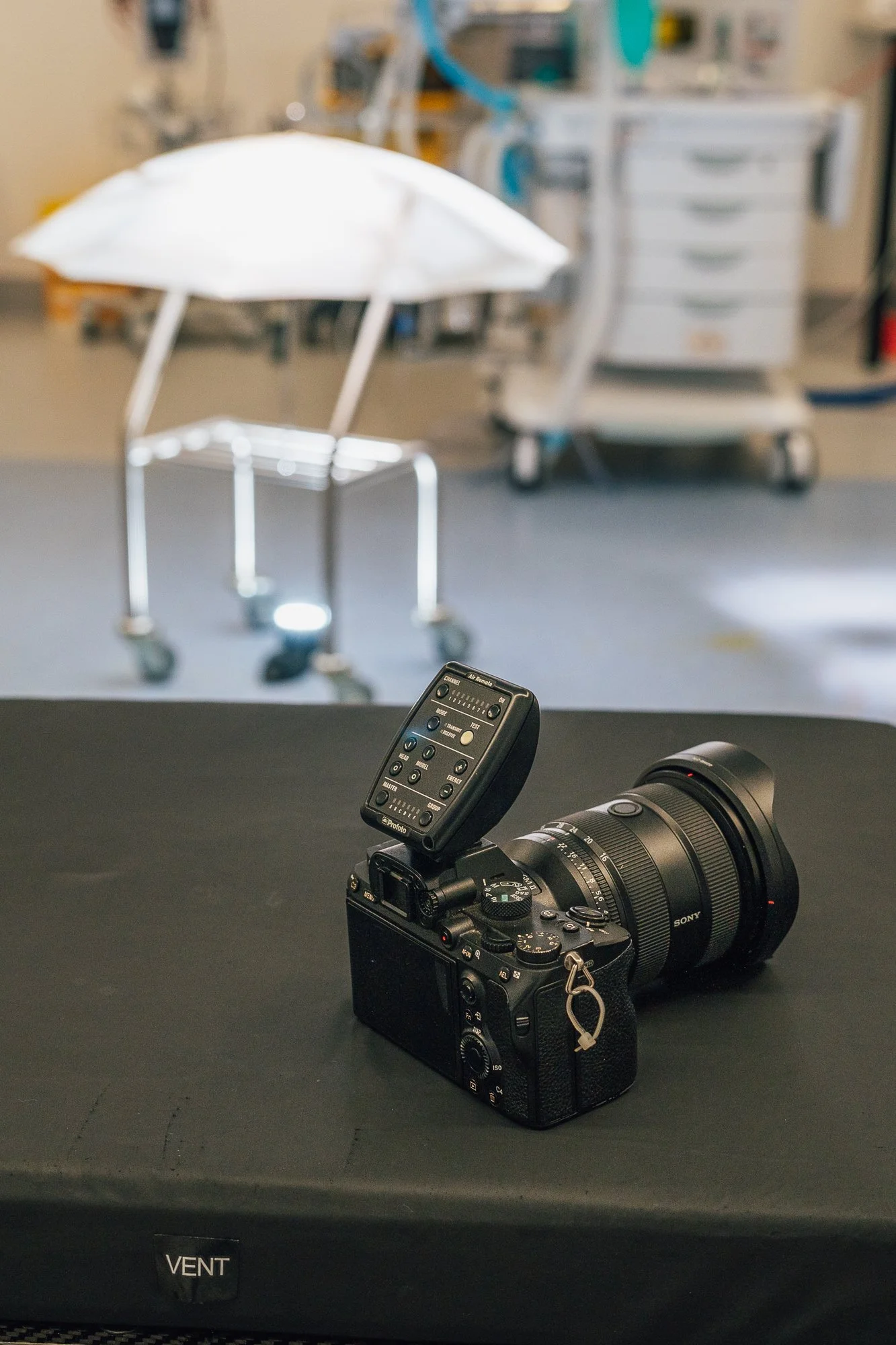
Beyond tuition, students should budget for high-end digital imaging equipment and software subscriptions. While many programs provide access to specialized medical gear (like fundus cameras), students are usually expected to own a professional-grade camera body and a macro lens.
Frequently Asked Questions
Do I need a medical photography degree to work in a hospital?
In many healthcare systems, particularly in the UK and Australia, a specialized degree or a recognized post-graduate qualification is mandatory. In the US, while some hospitals may hire photographers with general degrees, those with a specific B.Sc. in Biomedical Photography have a significant advantage due to their clinical and anatomical training.
How does medical photography differ from clinical illustration?
Medical photography uses cameras and sensors to capture existing reality. Medical illustration involves creating drawings, 2D animations, or 3D models to explain complex biological concepts that might be difficult to see with a camera. Many degrees now offer training in both, but they remain distinct professional disciplines.
Is the job of a medical photographer emotionally difficult?
It can be. Medical photographers often work with patients who have severe injuries, disfiguring conditions, or terminal illnesses. They also work in morgues and operating rooms. Part of the degree program usually includes training in professional boundaries and emotional resilience to handle these environments.
What is the job outlook for medical photographers in 2026?
The job outlook remains stable. While smartphone technology has improved, the need for standardized, high-quality, and legally defensible imaging in healthcare ensures that trained professionals are still preferred over "ad-hoc" photography by nursing or medical staff.
Can I complete a medical photography degree online?
Because the field requires hands-on experience with specialized clinical equipment and patient interaction, fully online degrees are rare and generally not recommended for entry-level students. However, some theoretical components and post-graduate certificates for working professionals are offered in hybrid formats.
Recommendation for Prospective Students
If you are interested in pursuing a medical photography degree, the first step is to shadow a professional in a clinical setting. Many hospital departments allow prospective students to observe for a day to understand the realities of the job. Once you have confirmed your interest, prioritize programs that are accredited by organizations like the IMI or BCA, as these offer the clearest path to professional certification and employment. Focus your early studies on both high-level digital imaging and human anatomy, as the strongest candidates are those who are equally comfortable in the studio and the clinic.
Image Gallery