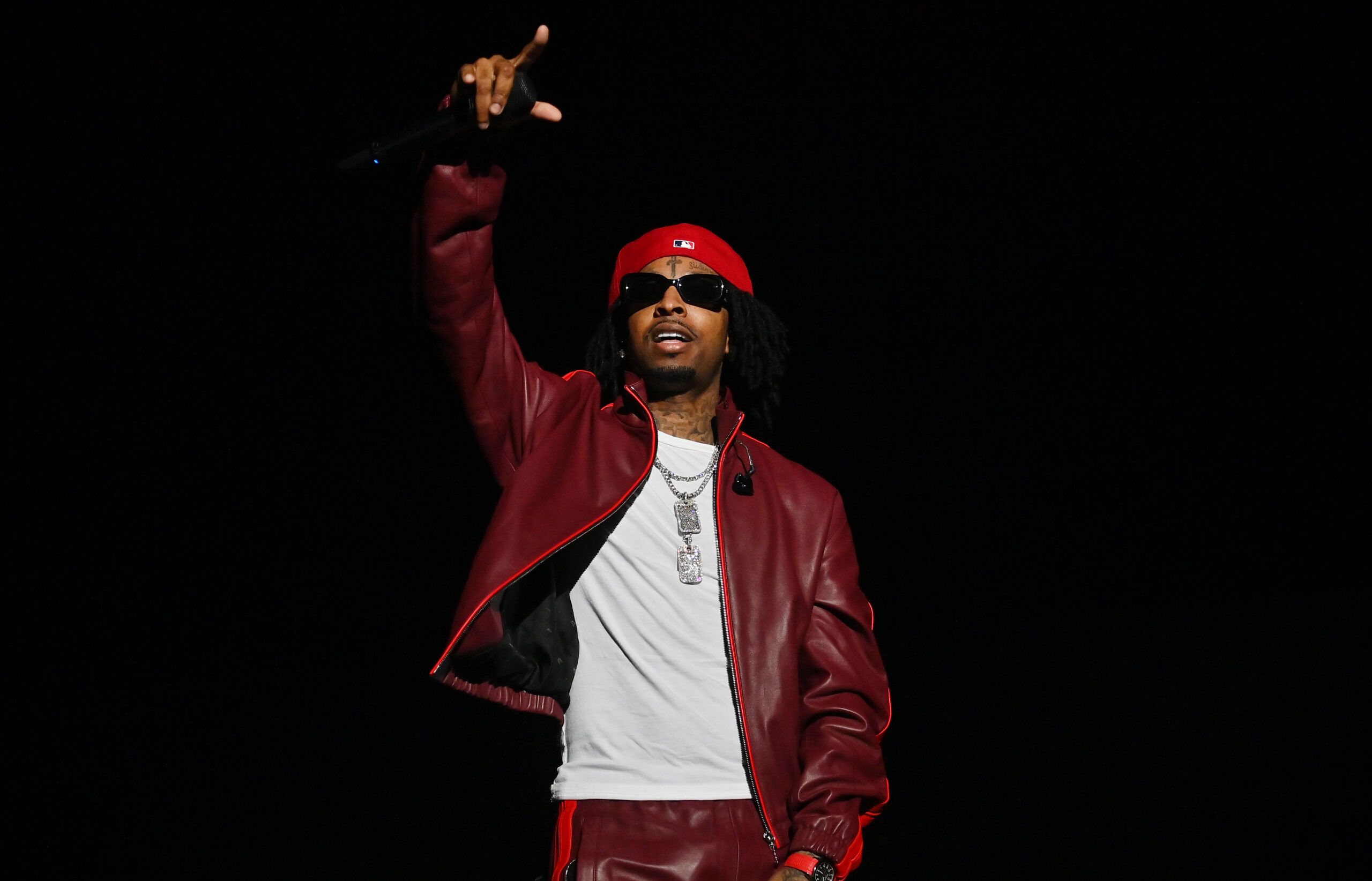
When Did 21 Savage Start Rapping? The Complete Origin Story
21 Savage began rapping professionally in late 2013, immediately following a life-altering shooting on his 21st birthday. After surviving six gunshot wounds and losing his best friend, he used his funds to purchase studio equipment, ev...
21 Savage began rapping professionally in late 2013, immediately following a life-altering shooting on his 21st birthday. After surviving six gunshot wounds and losing his best friend, he used his funds to purchase studio equipment, eventually releasing his debut single "Picky" in 2014 and his breakout mixtape in 2015.
Contents
The Catalyst: October 22, 2013
To understand when 21 Savage started rapping, one must look at the specific, tragic events of October 22, 2013. Before this date, Shéyaa Bin Abraham-Joseph (his birth name) was primarily involved in the street life of East Atlanta. While he had an interest in music, he had not yet committed to it as a career or even a serious hobby.
On his 21st birthday, Abraham-Joseph was involved in a drug deal that turned into an attempted robbery. During the altercation, he was shot six times. More devastatingly, his best friend, Johnny, was killed during the shootout. This near-death experience served as a definitive turning point. Lying in a hospital bed, he realized that his current path would lead only to death or life imprisonment.
Following his recovery, he decided to pivot entirely. He used the money he had accumulated—both from his previous lifestyle and personal funds—to invest in himself. He purchased a microphone and basic recording equipment, effectively beginning his journey as 21 Savage. The "21" in his name is a direct tribute to the 21st Street gang in Decatur, and the shooting on his 21st birthday remains the foundational "why" behind his entry into the hip-hop industry.
The Early Sound and First Releases (2014–2015)
Once 21 Savage committed to the booth, his output was prolific. His transition from the streets to the studio was not instantaneous in terms of polish, but his raw authenticity immediately resonated with the local Atlanta underground.
"Picky" and the Underground Rise
His first official single, "Picky," was released in November 2014. Produced by DJ Plugg, the track was a stark introduction to his "murder rap" style—a subgenre of trap characterized by minimalist production and hyper-violent, journalistic lyrics about street life. Unlike many of his contemporaries who utilized heavy melodic elements, 21 Savage gained attention for his monotone, whispered delivery, which added a chilling layer of realism to his stories.
The Slaughter Tape
In May 2015, he released his debut mixtape, The Slaughter Tape. This project was instrumental in establishing his brand. It featured production from Atlanta heavyweights like Metro Boomin and Sonny Digital, who saw potential in his unique cadence. By mid-2015, 21 Savage was no longer just a local figure; he was becoming a staple of the "New Atlanta" sound, alongside artists like Lil Yachty and Playboi Carti.
Free Guwop
Later in 2015, he released the Free Guwop EP, a tribute to his influence, Gucci Mane, who was incarcerated at the time. This project further solidified his position within the trap hierarchy and proved that he could maintain a consistent release schedule, a necessity for any rising rapper in the digital age.
The Breakthrough: Savage Mode and Mainstream Success
While 21 Savage started rapping in 2013, he did not become a household name until 2016. The catalyst for his mainstream explosion was his collaboration with producer Metro Boomin.
The joint EP, Savage Mode, released in July 2016, is widely considered a classic of the trap genre. It peaked at number 23 on the Billboard 200 and featured the multi-platinum hit "No Heart." This project moved 21 Savage from the fringes of the Atlanta scene to the center of the national conversation. Critics praised the chemistry between Metro’s dark, cinematic production and 21’s deadpan delivery.
This era marked the transition from an independent artist to a major-label powerhouse. Shortly after the success of Savage Mode, 21 Savage signed a recording contract with Epic Records in early 2017, ensuring that his subsequent releases would have the global reach necessary to turn him into a superstar.
Key Milestones in 21 Savage's Career Timeline
The following table outlines the pivotal moments from the start of his rapping career through his establishment as a global icon.
| Year | Event/Release | Significance |
|---|---|---|
| 2013 | Birthday Shooting | The tragic catalyst that forced him to leave the streets for music. |
| 2014 | "Picky" Single | His first official entry into the rap industry. |
| 2015 | The Slaughter Tape | Established his "Slaughter Gang" brand and underground presence. |
| 2016 | Savage Mode | Collaborative EP with Metro Boomin; led to mainstream fame. |
| 2017 | Issa Album | Debut studio album; featured the hit "Bank Account." |
| 2018 | I Am > I Was | Critically acclaimed album showing significant lyrical growth. |
| 2019 | Grammy Win | Won Best Rap Song for "A Lot" featuring J. Cole. |
| 2023 | It's All a Blur Tour | Co-headlining tour with Drake, cementing his "A-list" status. |
| 2024 | American Dream | Third solo studio album and debut of a biographical film project. |
Evolution of Style: From "Murder Rap" to "American Dream"
As of 2026, 21 Savage's career is often viewed in two distinct phases: his early "menace" phase and his later "introspective" phase.
In the beginning (2013–2016), his music was almost exclusively about survival, violence, and the harsh realities of the Zone 6 neighborhoods in Atlanta. However, starting with his 2018 album I Am > I Was, listeners began to see a more vulnerable and socially conscious side of the artist. Songs like "A Lot" addressed systemic issues and personal regrets, proving that he had evolved far beyond the circumstances that drove him to start rapping in the first place.
This evolution was further complicated and enriched by the revelation of his British citizenship in 2019. Despite being the face of Atlanta trap, it was discovered that he was born in London and moved to the U.S. at age seven. This added a new layer to his "American Dream" narrative, which became the central theme of his 2024 album and film. By 2026, he is recognized not just as a rapper, but as a resilient figure who navigated legal, physical, and professional hurdles to become a leader in the music industry.
Frequently Asked Questions
What was 21 Savage’s first song?
His first official single was titled "Picky," released in November 2014. While he may have recorded earlier verses or rough demos shortly after his 2013 shooting, "Picky" was the first track to receive a formal release and promotional push within the Atlanta music scene.
Why did 21 Savage decide to start rapping?
He started rapping as a direct response to a near-death experience. After being shot six times on his 21st birthday and witnessing the death of his best friend, he realized he needed a legitimate career path to escape the cycle of street violence. He viewed rap as his only viable "way out."
Who helped 21 Savage start his music career?
While he was self-funded early on, producers Metro Boomin and Sonny Digital played crucial roles in shaping his sound. Additionally, his late friend Johnny served as the primary motivation for him to take the craft seriously, as 21 Savage often mentions he is "living out" the dreams they discussed before the tragedy.
Was 21 Savage famous before 2016?
He was "Atlanta famous" by 2015. He had built a significant following in the Southern United States through his mixtapes The Slaughter Tape and Slaughter King. However, he did not achieve national or global fame until the release of the Savage Mode EP in mid-2016.
How did the UK revelation affect his rapping career?
Initially, the 2019 ICE detention caused a temporary halt to his touring, but it ultimately strengthened his brand. It added a layer of complexity to his story and led to more introspective lyrics regarding his childhood and the immigrant experience in America, culminating in his 2024 project American Dream.
Recommended Next Actions for Fans
If you are looking to explore the origins of 21 Savage's career, start by listening to The Slaughter Tape (2015) to hear his raw, unpolished beginnings. For those interested in his artistic peak, Savage Mode II (2020) and American Dream (2024) provide the best examples of how his sound has matured since he first stepped into the studio in 2013. Additionally, watching his "Diary of a 21 Savage" documentaries can provide visual context to the Atlanta neighborhoods that shaped his early music.
Image Gallery