Effective Youth Workout Options for Schools: A Comprehensive Guide for 2026
Modern schools require diverse, scalable, and inclusive youth workout options to address the evolving physical and mental health needs of students. Effective programs in 2026 integrate traditional bodyweight exercises, high-intensity i...
Modern schools require diverse, scalable, and inclusive youth workout options to address the evolving physical and mental health needs of students. Effective programs in 2026 integrate traditional bodyweight exercises, high-intensity interval training (HIIT), and technology-driven fitness solutions that cater to varying age groups, ability levels, and available school infrastructure.
Contents
Physical activity within the school environment is no longer restricted to the traditional gymnasium. As of 2026, educational institutions are increasingly adopting holistic movement strategies that integrate exercise into the classroom, specialized fitness labs, and outdoor spaces. These programs are designed not only to improve cardiovascular health and muscular strength but also to enhance cognitive function, reduce anxiety, and foster social-emotional learning. Implementing a successful youth workout program requires a balance between structured curriculum-based activities and flexible, student-led movement.
Core Categories of School-Based Youth Workouts
To develop a robust physical education or wellness program, administrators and educators should consider several distinct categories of movement. Each category serves a different purpose and can be adapted based on the school's specific constraints regarding budget, space, and time.
1. Bodyweight and Calisthenics Programs
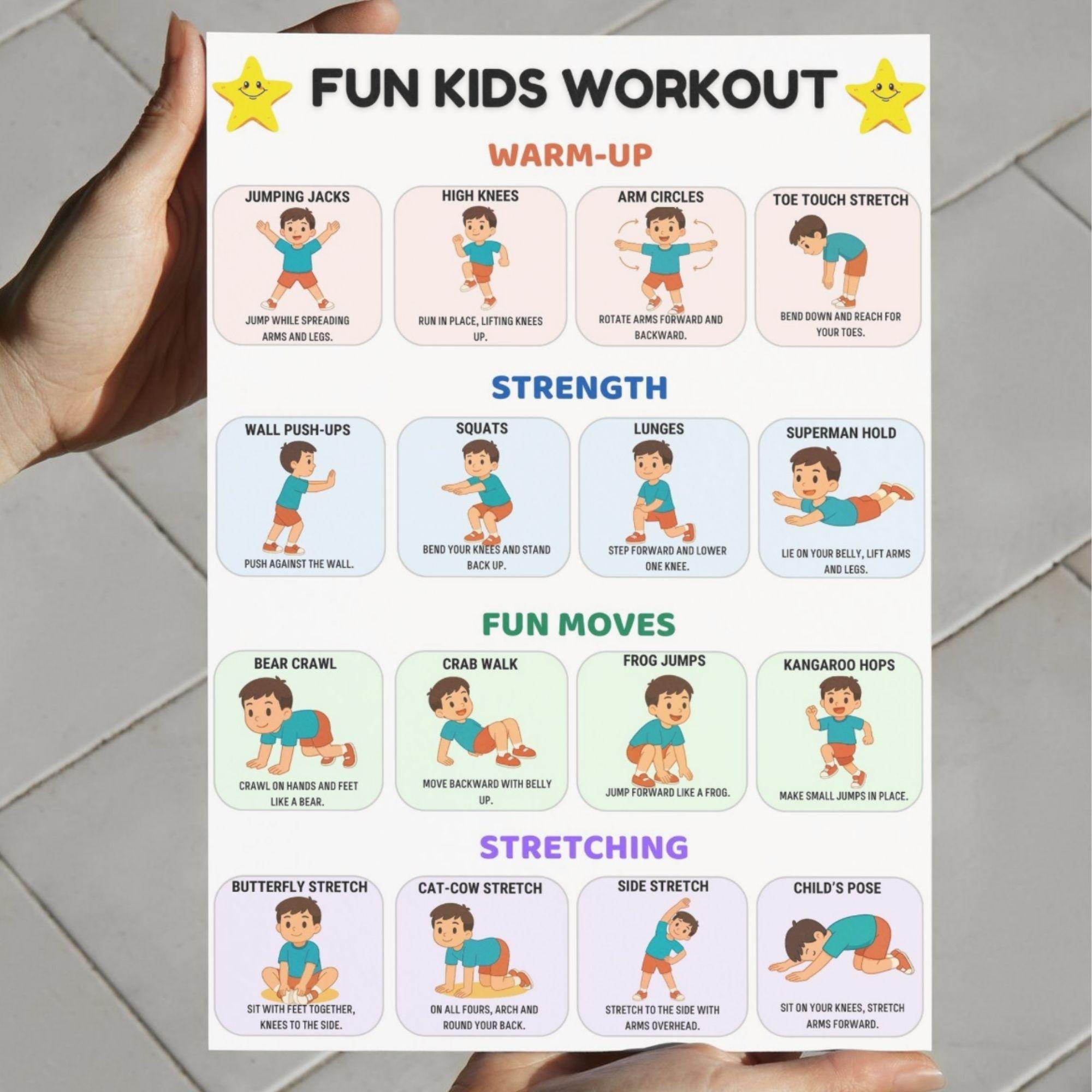
Bodyweight exercises remain the most accessible option for schools because they require zero equipment and can be performed in classrooms, hallways, or playgrounds. Calisthenics-based workouts focus on functional movements such as squats, push-ups, lunges, and planks.
In 2026, many schools utilize "progressive movement tiers" where students master basic forms before moving to advanced variations. This approach ensures safety and allows students to track their personal growth. Bodyweight training is particularly effective for developing core stability and proprioception—the body's ability to sense its position in space—which is crucial for injury prevention in both daily life and organized sports.
2. High-Intensity Interval Training (HIIT)
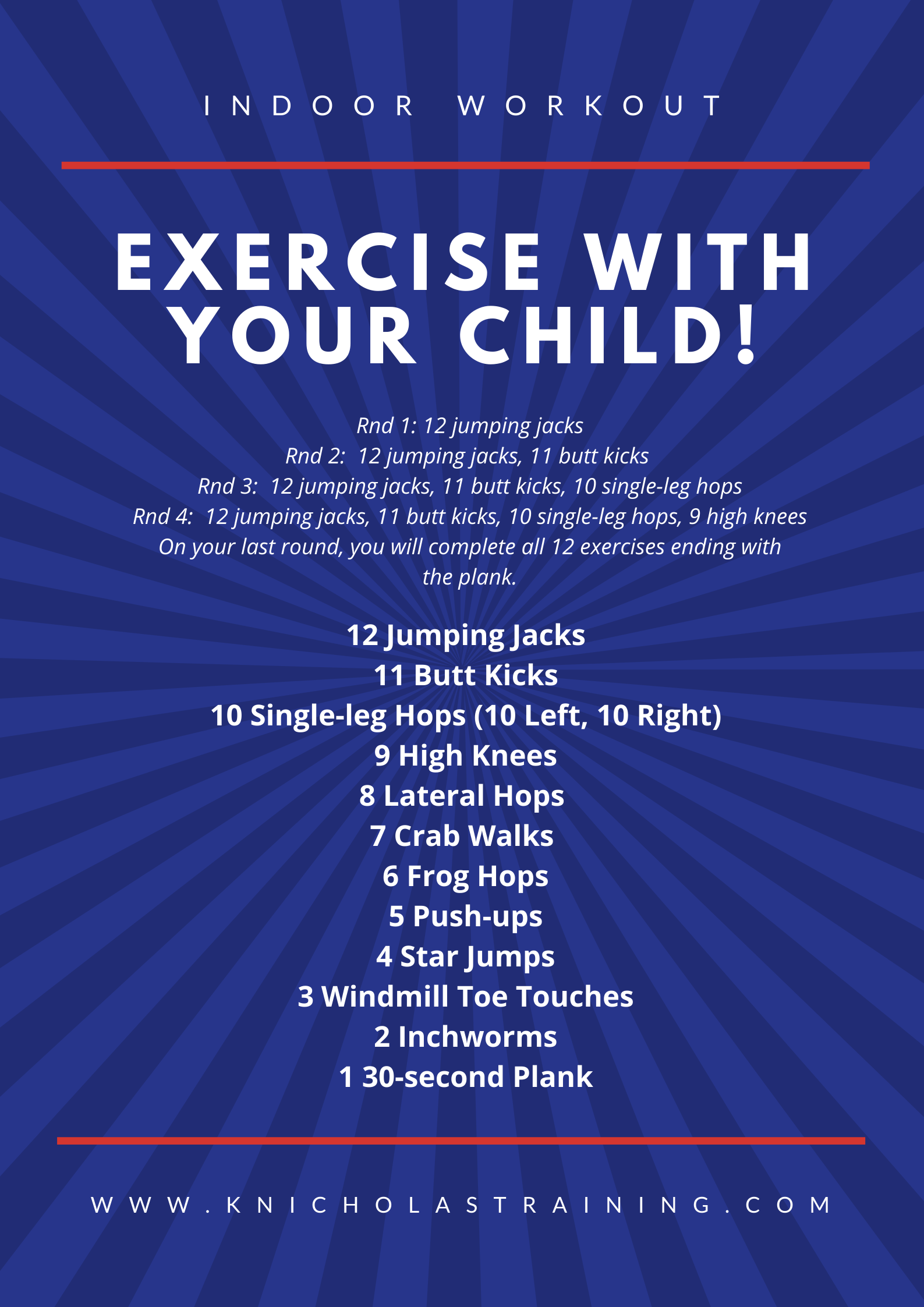
HIIT has gained significant traction in school settings due to its time efficiency. A typical HIIT session involves short bursts of intense activity followed by brief recovery periods. For a 45-minute PE block, a 20-minute HIIT circuit can provide the same cardiovascular benefits as a much longer steady-state cardio session.
School-appropriate HIIT often includes movements like jumping jacks, mountain climbers, and "high knees." The versatility of HIIT allows it to be themed or gamified, making it more engaging for younger students. For older students, HIIT serves as an excellent foundation for metabolic conditioning and weight management.
3. Mind-Body Wellness: Yoga and Pilates
Recognizing the link between physical movement and mental health, 2026 school curricula frequently incorporate yoga and Pilates. These options focus on flexibility, balance, and breath control. Unlike competitive sports, mind-body workouts provide a low-impact environment where students can de-stress.
Yoga is particularly valuable for "re-centering" students before high-stakes testing or after lunch periods. Many schools have seen improvements in classroom behavior and focus by implementing 10-minute yoga sequences that emphasize mindfulness and controlled breathing.
Integrating Technology and Gamification
The landscape of school fitness has been transformed by the integration of digital tools. In 2026, technology is used to lower the barrier to entry for students who may not be naturally inclined toward traditional team sports.
Exergaming and Augmented Reality (AR)
Exergaming—video games that require physical exertion—has evolved into a legitimate workout option. Schools are now utilizing AR headsets or floor-projected systems that turn a standard gym floor into an interactive game. Students might "dodge" virtual obstacles or participate in digital scavenger hunts that require running and jumping. This "stealth health" approach is highly effective for engaging sedentary students who might otherwise avoid physical activity.
Fitness Tracking and Data-Driven Progress
Wearable technology and mobile apps allow students to monitor their heart rate, step count, and active minutes. By focusing on individual data rather than peer-to-peer competition, schools can create a more inclusive environment. Modern platforms allow PE teachers to set class-wide goals, such as "walking the distance across the state," which fosters a sense of collective achievement.
Adaptive and Inclusive Fitness Options
A primary goal for school fitness programs in 2026 is ensuring that every student, regardless of physical or cognitive ability, has access to meaningful exercise.
Universal Design for Fitness
Inclusive workouts utilize the principles of Universal Design. This means that a single workout plan is created with built-in modifications. For example, if the class is performing a circuit, a student using a wheelchair can perform seated versions of upper-body exercises or use specialized resistance bands.
Sensory-Friendly Environments
For students with neurodivergent needs, traditional loud and chaotic gym environments can be overwhelming. Schools are increasingly offering "low-sensory" workout options, such as quiet stretching zones or individual fitness stations with noise-canceling headphones, ensuring that physical health is accessible to all.
Comparative Overview of School Workout Options
The following table compares common youth workout options to help administrators determine which programs best fit their school's resources and goals.
| Workout Type | Recommended Grade Levels | Space Requirements | Equipment Needed | Primary Benefit |
|---|---|---|---|---|
| Bodyweight/Calisthenics | K-12 | Minimal (Classroom) | None | Functional Strength |
| HIIT Circuits | 6-12 | Moderate (Gym/Outdoor) | Optional (Mats/Timers) | Cardiovascular Health |
| Yoga & Mindfulness | K-12 | Minimal (Classroom) | Yoga Mats (Optional) | Mental Wellness & Flexibility |
| Exergaming/AR | 3-10 | Moderate (Tech Lab/Gym) | AR Sets/Projectors | High Student Engagement |
| Circuit Training | 6-12 | High (Weight Room/Gym) | Resistance Bands/Weights | Muscular Endurance |
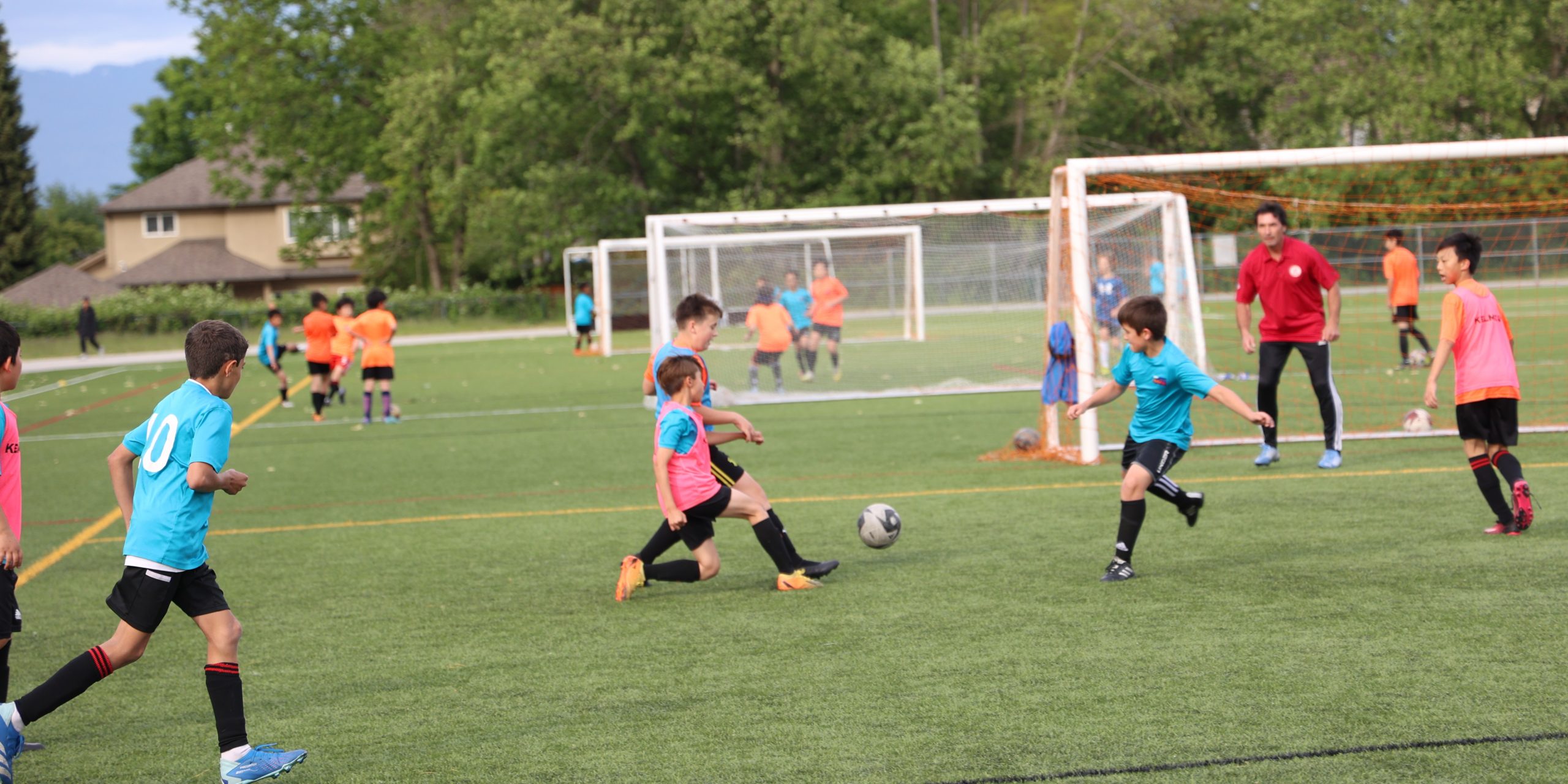
| Sports-Based Drills | K-12 | High (Field/Gym) | Balls, Cones, Nets | Social Interaction & Skill |
Implementation Strategies for School Administrators
Successfully introducing new workout options requires more than just buying equipment; it requires a culture shift within the institution.
- Teacher Professional Development: Ensure that PE teachers and general classroom educators are trained in the specific modalities being introduced. This is especially important for specialized areas like yoga or AR-based fitness.
- Phased Rollouts: Start with one or two options (e.g., bodyweight exercises and classroom brain breaks) before investing in high-cost technology like exergaming.
- Student Feedback Loops: Regularly survey students to determine which activities they find most engaging. Programs that allow for student "voice and choice" have significantly higher long-term participation rates.
- Community Partnerships: Many schools in 2026 partner with local fitness studios or community centers to share resources or bring in guest instructors, which can help offset costs and provide expert instruction.
The Impact of Physical Activity on Academic Performance
Extensive research, including longitudinal studies cited by the Centers for Disease Control and Prevention (CDC), highlights a strong correlation between regular physical activity and academic success. Exercise increases blood flow to the brain and stimulates the release of brain-derived neurotrophic factor (BDNF), a protein that supports the growth of new neurons and synapses.
By offering diverse workout options, schools help students improve:
- Concentration and Memory: Short bursts of activity (brain breaks) have been shown to sharpen focus for the following 60–90 minutes of instruction.
- Attendance Rates: Students who feel physically capable and healthy are less likely to miss school due to illness or mental health struggles.
- Graduation Rates: Participation in school-based physical activity programs is linked to higher levels of school connectedness, which is a key predictor of academic persistence.
Frequently Asked Questions
How can we implement workouts in schools with very limited budgets?
Focus on bodyweight exercises and "brain breaks." These require no equipment and can be facilitated using free online resources or teacher-led routines. Additionally, many non-profit organizations provide grants specifically for school physical education equipment.
Are high-intensity workouts safe for younger elementary students?
Yes, when modified. For younger children, "high intensity" should look like play—running, jumping, and active games—rather than structured adult-style HIIT. The focus should be on movement quality and enjoyment rather than heart rate targets.
How much daily physical activity is recommended for students?
The World Health Organization (WHO) and other health authorities recommend that children and adolescents aged 5–17 years should do at least 60 minutes of moderate-to-vigorous intensity physical activity daily. Schools play a critical role in helping students reach this threshold.
How can we engage students who are traditionally "non-athletes"?
Introduce non-competitive options like yoga, walking clubs, or technology-based fitness games. Shifting the focus from "winning" to "personal improvement" or "exploration" can make physical activity less intimidating for many students.
What is the role of nutrition in school workout programs?
Physical activity and nutrition are inseparable. Effective school wellness programs often pair workout options with nutritional education, ensuring students understand how to fuel their bodies for activity and recovery.
Recommendation for Next Actions
To modernize your school's physical activity offerings, begin by conducting a comprehensive needs assessment. Evaluate your current facility usage, survey student interests, and audit the existing PE curriculum. For the upcoming academic year, prioritize the implementation of at least one "low-barrier" option, such as classroom-based bodyweight circuits, and one "high-engagement" option, such as a gamified fitness challenge. By diversifying the ways students can move, schools can ensure that every child develops a positive, lifelong relationship with physical health.
Image Gallery