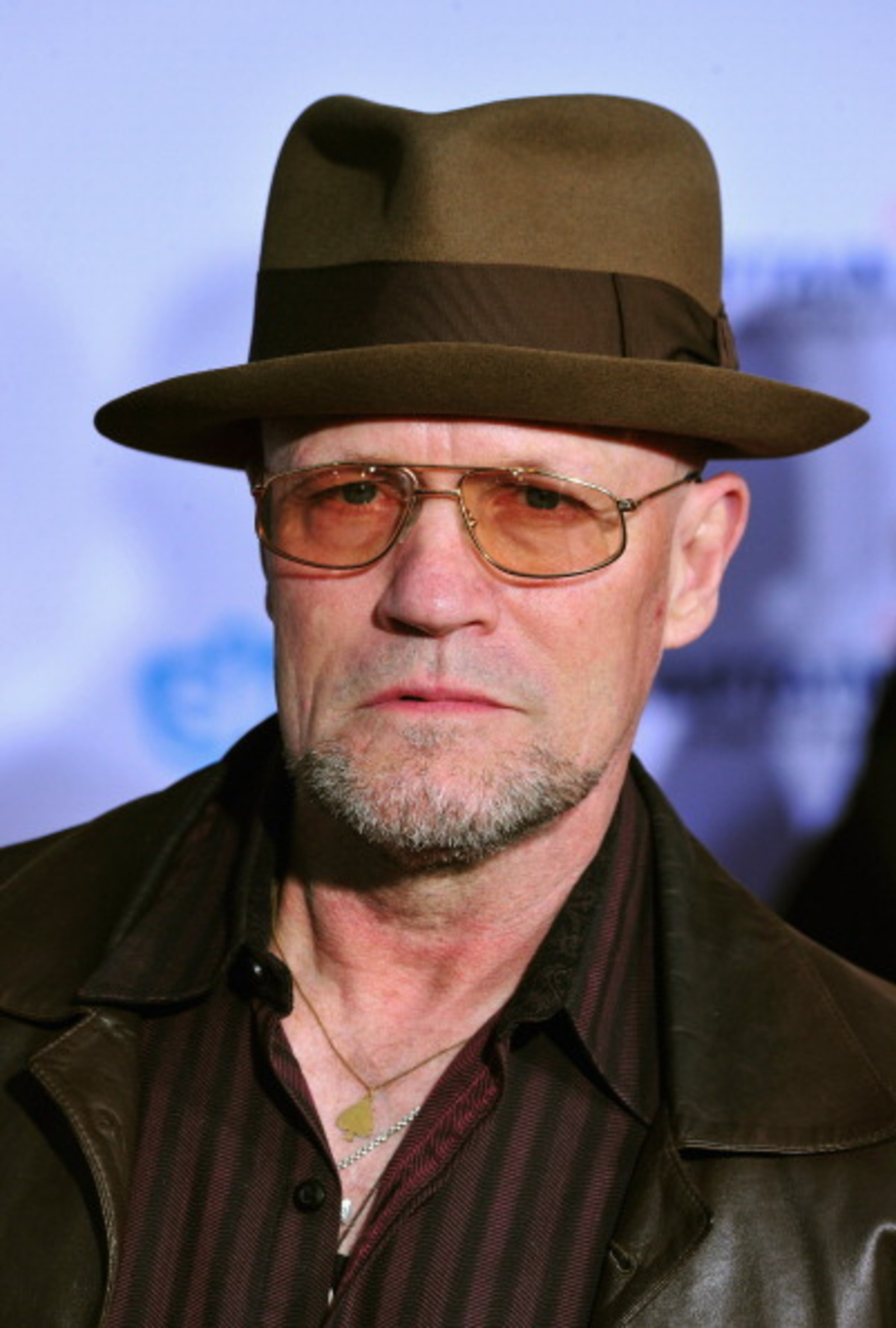
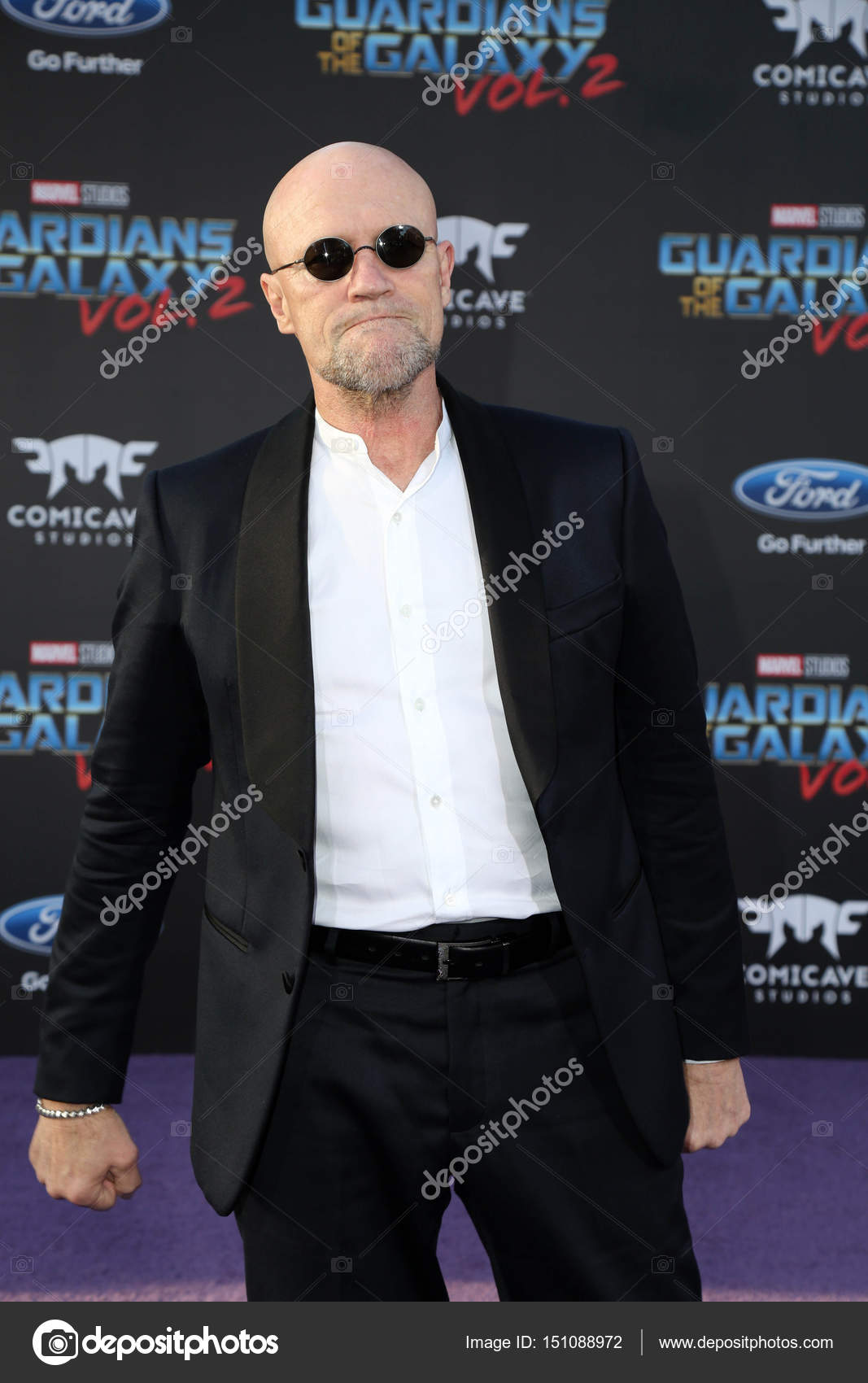
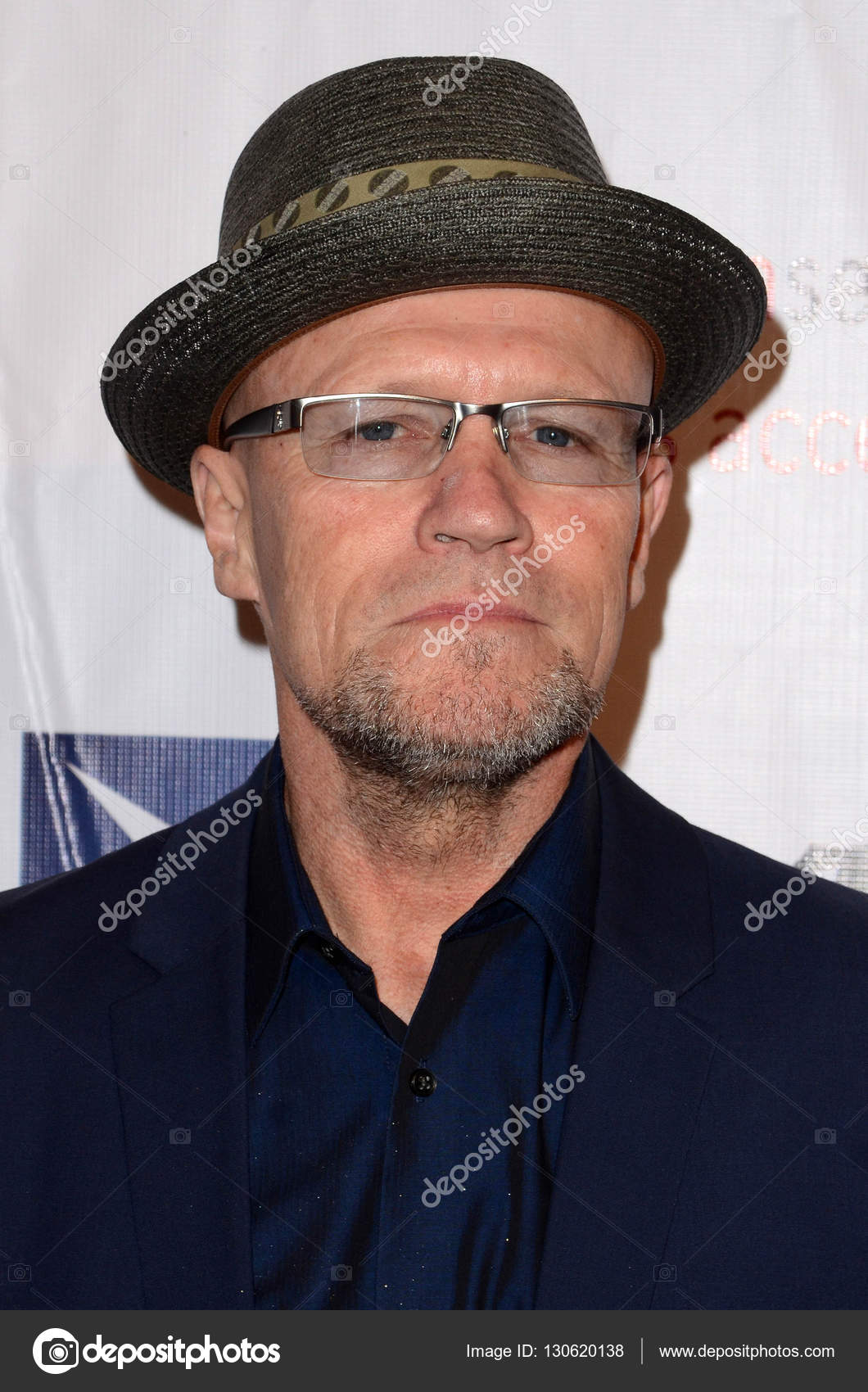
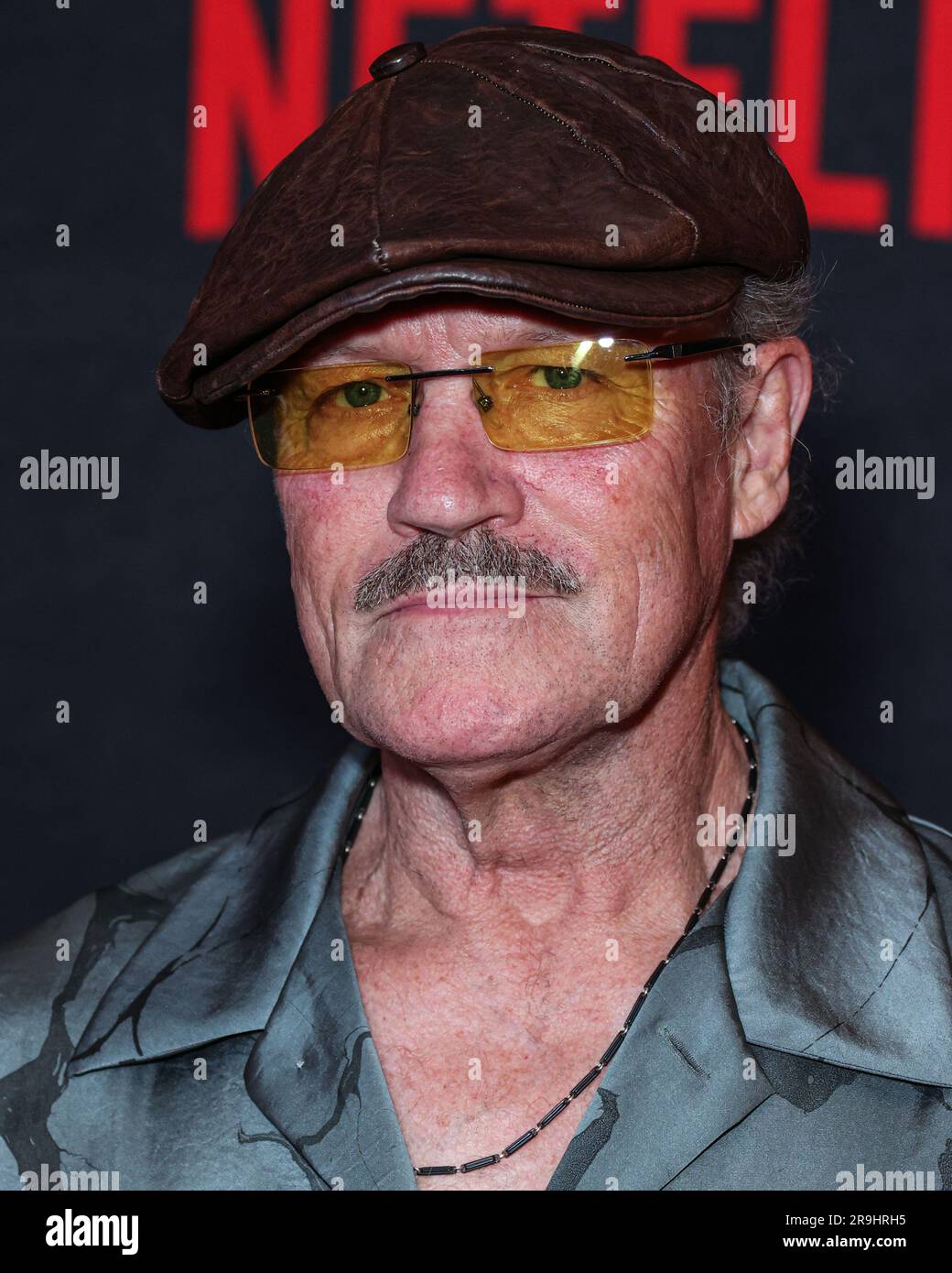
Who Is Michael Rooker the Actor? A Comprehensive Profile of the Character Legend
Michael Rooker is a prolific American actor best known for his intense, gritty performances and his ability to humanize complex antagonists. Rising to prominence with the 1986 cult classic Henry: Portrait of a Serial Killer, Rooker has...
Michael Rooker is a prolific American actor best known for his intense, gritty performances and his ability to humanize complex antagonists. Rising to prominence with the 1986 cult classic Henry: Portrait of a Serial Killer, Rooker has spent four decades becoming a staple of genre cinema, notably starring as Merle Dixon in The Walking Dead and Yondu Udonta in the Guardians of the Galaxy franchise.
Contents
As of 2026, Rooker remains one of the most recognizable and respected character actors in Hollywood. His career is characterized by a unique blend of physical presence and emotional vulnerability, allowing him to transition seamlessly between big-budget superhero blockbusters, intimate indie dramas, and high-stakes television. To understand who Michael Rooker is, one must look past the "tough guy" exterior and examine the technical discipline and storied history of a man who transformed from a Chicago stage actor into a global pop-culture icon.
Early Life and the Goodman School of Drama
Michael Rooker was born on April 6, 1955, in Jasper, Alabama. Following his parents' divorce, he moved with his mother to Chicago, Illinois, at the age of thirteen. This move was pivotal, as the urban environment of Chicago provided the backdrop for his artistic awakening. Unlike many actors who find their way to the screen through modeling or commercial work, Rooker’s foundation is rooted in rigorous classical training.
He attended the Goodman School of Drama at DePaul University, a prestigious institution known for its demanding curriculum. During his time there, Rooker honed his craft in a city famous for its "blood and guts" style of theater—a tradition that emphasizes raw, visceral performances. This training is evident in his later work; Rooker often brings a theatrical weight to his film roles, utilizing his voice and body language to dominate the frame.
His early years in Chicago theater provided him with the endurance and technical skill required to tackle demanding roles. By the time he transitioned to film in the mid-1980s, he was not merely a novice looking for a break, but a seasoned performer with a deep understanding of character motivation and psychological complexity.
The Breakout: Henry: Portrait of a Serial Killer
In 1986, Michael Rooker made a film debut that remains one of the most chilling in cinematic history. Directed by John McNaughton, Henry: Portrait of a Serial Killer was a low-budget independent film based loosely on the real-life crimes of Henry Lee Lucas. Rooker played the titular character with a terrifyingly flat, mundane detachment that stood in stark contrast to the melodramatic "slasher" villains of the era.
The film was so graphic and psychologically disturbing that it sat on the shelf for years, facing significant battles with the MPAA. However, when it finally reached audiences and critics, Rooker’s performance was hailed as a masterclass in understatement. He didn't play Henry as a monster, but as a human being who happened to be a sociopath, which was far more unsettling. This role established Rooker’s "brand": he became the go-to actor for roles that required a dangerous edge and an unpredictable interior life.
Establishing the "Tough Guy" Archetype in the 1990s
Following the success of Henry, Rooker moved to Hollywood and quickly found a niche in high-profile action and drama films. Throughout the 1990s, he worked alongside some of the biggest stars and directors in the industry, often playing characters that served as foil to the protagonist.
Days of Thunder (1990)
In Tony Scott’s Days of Thunder, Rooker played Rowdy Burns, the rival to Tom Cruise’s Cole Trickle. This role was significant because it showed Rooker could hold his own in a big-budget studio environment. He brought a sense of veteran dignity to the character, turning a standard antagonist role into a sympathetic portrait of an aging athlete facing his own mortality.
JFK (1991) and Cliffhanger (1993)
Rooker’s versatility was further demonstrated in Oliver Stone’s JFK, where he played Bill Broussard, an investigator in the District Attorney’s office. He followed this with a memorable turn in Cliffhanger as Hal Tucker, the mountain rescue ranger haunted by a tragic accident. In Cliffhanger, Rooker’s physicality was on full display as he performed grueling stunts alongside Sylvester Stallone, cementing his reputation as an actor who wasn't afraid of the physical demands of the job.
Tombstone (1993) and Mallrats (1995)
In the Western classic Tombstone, Rooker appeared as Sherman McMasters, a member of the outlaw Cowboys who eventually sides with Wyatt Earp. This period also saw him branch out into comedy with Kevin Smith’s Mallrats, playing Jared Svenning. His role in Mallrats demonstrated a comedic timing and a willingness to poke fun at his own intense persona, a trait that would later endear him to modern fans.
The Television Renaissance: Merle Dixon and The Walking Dead
While Michael Rooker had a steady career in film, his casting in AMC’s The Walking Dead in 2010 introduced him to a new generation and significantly altered his career trajectory. As Merle Dixon, the older, volatile, and bigoted brother of Daryl Dixon (Norman Reedus), Rooker created one of the most complex characters in modern television.
Merle was initially presented as a pure antagonist—a liability to the group of survivors. However, Rooker’s performance allowed the audience to see the trauma and loyalty buried beneath Merle’s abrasive exterior. His eventual redemption arc in Season 3 is widely considered one of the show’s emotional high points. Rooker’s ability to make the audience root for a character they initially hated is a testament to his nuanced approach to character development.
The success of The Walking Dead turned Rooker into a fixture of the convention circuit and a fan-favorite, setting the stage for his entry into the most successful film franchise in history.
Entering the Marvel Cinematic Universe: Yondu Udonta
In 2014, Michael Rooker joined the Marvel Cinematic Universe (MCU) as Yondu Udonta in Guardians of the Galaxy. Directed by his longtime friend and collaborator James Gunn, the role transformed Rooker’s image. Coated in blue makeup and sporting a high-tech "yaka arrow," Yondu was a space pirate with a rough exterior and a hidden paternal love for the protagonist, Peter Quill.
While the first film established Yondu as a charismatic rogue, it was Guardians of the Galaxy Vol. 2 (2017) that elevated the character to iconic status. The film focused heavily on the relationship between Yondu and Quill, culminating in Yondu’s heroic sacrifice. Rooker’s delivery of the line, "He may have been your father, boy, but he wasn't your daddy," became an instant classic, bringing a level of emotional depth and pathos seldom seen in superhero cinema.
The role of Yondu earned Rooker widespread acclaim and proved that he could carry the emotional weight of a multi-million dollar franchise. Despite the character's death, Rooker’s impact on the MCU remains a focal point of the series' legacy.
The James Gunn Connection
One cannot discuss Michael Rooker's career without mentioning his frequent collaborations with director James Gunn. Their partnership is one of the most enduring in contemporary film, spanning multiple decades and genres.
| Film/Project | Role | Significance |
|---|---|---|
| Slither (2006) | Grant Grant | A lead role in a cult horror-comedy; showed Rooker's range in creature-features. |
| Super (2010) | Abe | A smaller, gritty role in an unconventional deconstruction of the superhero genre. |
| Guardians of the Galaxy (2014) | Yondu Udonta | Introduced Rooker to the global blockbuster stage. |
| The Belko Experiment (2016) | Bud Melks | A brutal horror-thriller written by Gunn and directed by Greg McLean. |
| The Suicide Squad (2021) | Brian Durlin / Savant | A memorable opening-act role in the DC Extended Universe. |
Gunn has often stated that he writes roles specifically with Rooker in mind, citing the actor’s ability to find the humanity in even the most bizarre or unlikable characters. This creative synergy has allowed Rooker to experiment with different facets of his craft, from the grotesque body horror of Slither to the operatic emotion of the Guardians films.
Acting Methodology and Physicality
What sets Michael Rooker apart from other character actors is his physical commitment. Even in his 70s, as of 2026, he remains an active and engaged performer. He is known for performing many of his own stunts and for his intense preparation.
Rooker often speaks about the "truth" of a character. He doesn't view characters as "good" or "bad." Instead, he approaches them based on their needs and their environment. This non-judgmental approach allows him to play villains with a sense of conviction that makes them believable. Whether he is playing a serial killer, a mountain climber, or an alien pirate, he grounds the character in a physical reality.
His voice is also a key component of his toolkit. Rooker’s distinctive, raspy growl is capable of conveying both immense threat and surprising tenderness. This has led to a successful side career in voice acting, most notably as Mike Harper in Call of Duty: Black Ops II and various animated projects.
Common Questions About Michael Rooker
Is Michael Rooker still acting in 2026?
Yes, Michael Rooker remains highly active in the film and television industry. While he has moved into more senior "elder statesman" roles, he continues to seek out physically demanding and character-driven projects. He frequently appears in both independent films and major franchise cameos, maintaining his reputation as one of the hardest-working actors in Hollywood.
Why is Michael Rooker in so many James Gunn movies?
Michael Rooker and James Gunn are close personal friends. Their professional relationship began with the 2006 film Slither. Gunn values Rooker's technical proficiency and his ability to bring a "lived-in" quality to characters. Rooker has appeared in almost every project Gunn has directed or produced, becoming something of a lucky charm for the director.
Did Michael Rooker do his own stunts in Cliffhanger?
Michael Rooker performed a significant portion of his own stunts in Cliffhanger. Known for his athleticism, Rooker spent months training for the role, which involved hanging from high altitudes and navigating harsh weather conditions on location in the Italian Dolomites. His commitment to the physical reality of the role helped define the film's gritty aesthetic.
What happened to Michael Rooker's character in The Walking Dead?
In The Walking Dead, Rooker’s character, Merle Dixon, died in the third season. Merle attempted to assassinate the villainous Governor but was caught and killed. He later turned into a walker (zombie) and was put down by his brother, Daryl Dixon. This arc is considered one of the most tragic and well-executed character conclusions in the series' history.
What is Michael Rooker’s most famous role?
While he is iconic as Henry in Henry: Portrait of a Serial Killer, most modern audiences recognize him as Yondu Udonta from Guardians of the Galaxy. The emotional resonance of Yondu’s sacrifice in the second film solidified the character as a cornerstone of the Marvel Cinematic Universe and remains Rooker's most commercially successful role.
Legacy and Impact on Modern Cinema
In 2026, Michael Rooker’s legacy is defined by his reliability and his refusal to be pigeonholed. He has successfully navigated the transition from the gritty realism of 1980s independent cinema to the polished, high-stakes world of modern franchises without losing the raw energy that first made him famous.
He has influenced a generation of character actors who see in him a blueprint for a long-lasting, diverse career. Rooker’s career proves that an actor doesn't need to be a traditional "leading man" to leave an indelible mark on the cultural consciousness. By specializing in the "complicated man"—the outsider, the brawler, and the reluctant hero—he has carved out a space in cinema history that is uniquely his own.
For those looking to explore his work, a marathon of his films provides a fascinating look at the evolution of American genre filmmaking. From the cold streets of Chicago in Henry to the vibrant colors of the MCU, Michael Rooker remains a singular force of nature in the acting world.
Image Gallery