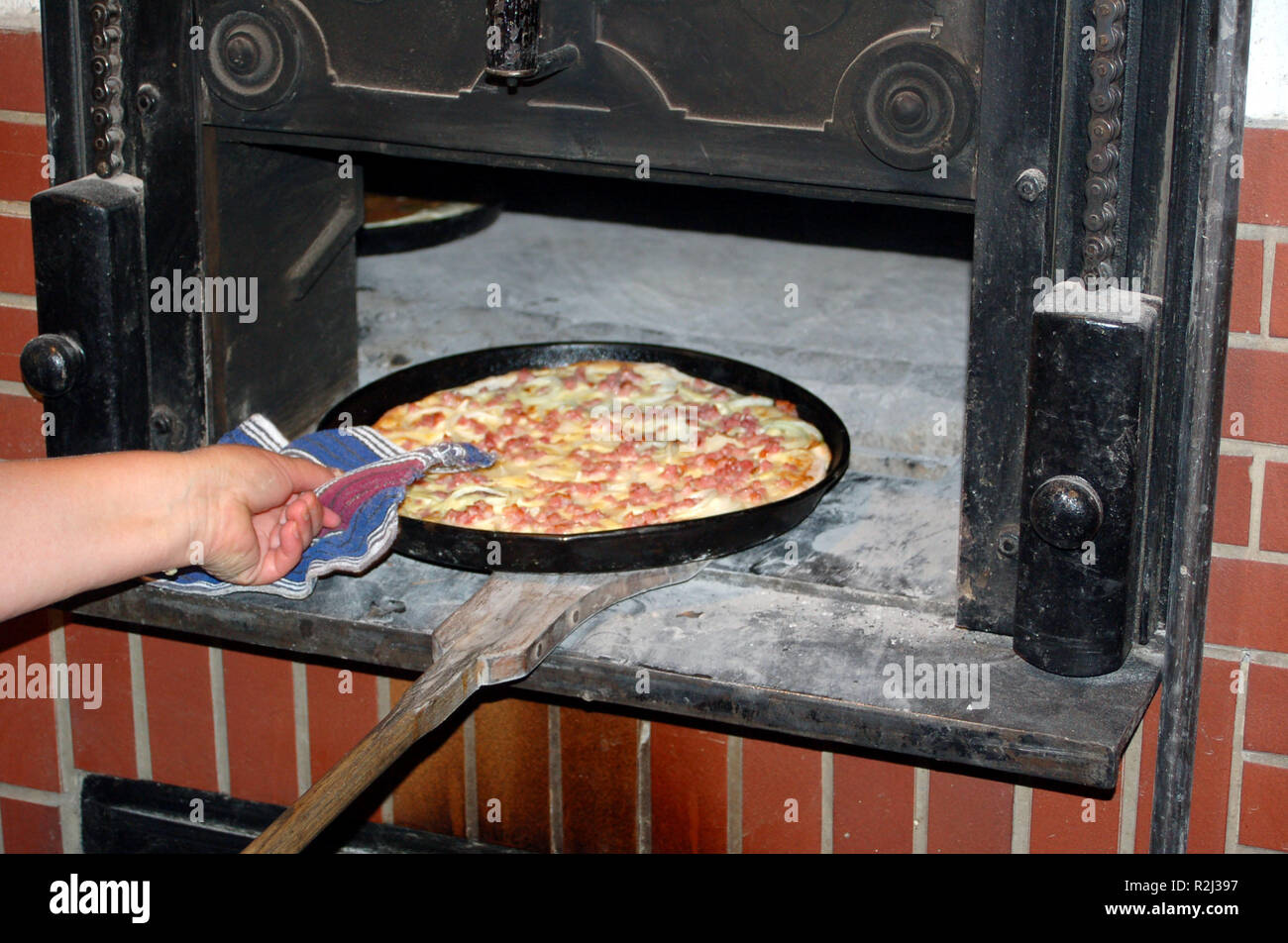
Mastering the Art of the Fresh from the Oven Experience
To taste the fresh from the oven experience is to engage with the peak of culinary texture, flavor complexity, and aromatic sensory input that occurs the moment a baked good reaches its ideal internal temperature. Achieving this state...
To taste the fresh from the oven experience is to engage with the peak of culinary texture, flavor complexity, and aromatic sensory input that occurs the moment a baked good reaches its ideal internal temperature. Achieving this state requires precise management of thermodynamics, moisture retention, and rapid service workflows, ensuring that the transition from heat source to consumer is immediate and purposeful.
Contents
The Science of the "Fresh from the Oven" State
The sensory appeal of food directly out of the oven is not merely psychological; it is a measurable chemical and physical event. As baked goods—whether bread, pastries, or savory pies—reach the end of their baking cycle, several critical processes converge to create the desired profile.
The Maillard reaction, which is the non-enzymatic browning of amino acids and reducing sugars, reaches its peak just before the item is removed. This reaction creates the complex flavor compounds that define a "fresh" profile. Simultaneously, the crumb structure is at its most elastic. As the item begins to lose heat, the starch molecules undergo retrogradation, a process where the crystalline structures rearrange themselves, leading to a firmer, sometimes sturdier texture. By serving or consuming the product during that narrow window where the internal temperature is still high but the structure has set, you capture the peak balance between a crisp exterior and a tender, aerated interior.
Requirements for Maintaining Freshness
To replicate or facilitate a high-quality fresh experience, one must account for three primary factors: moisture equilibrium, thermal retention, and service speed.
Moisture Equilibrium
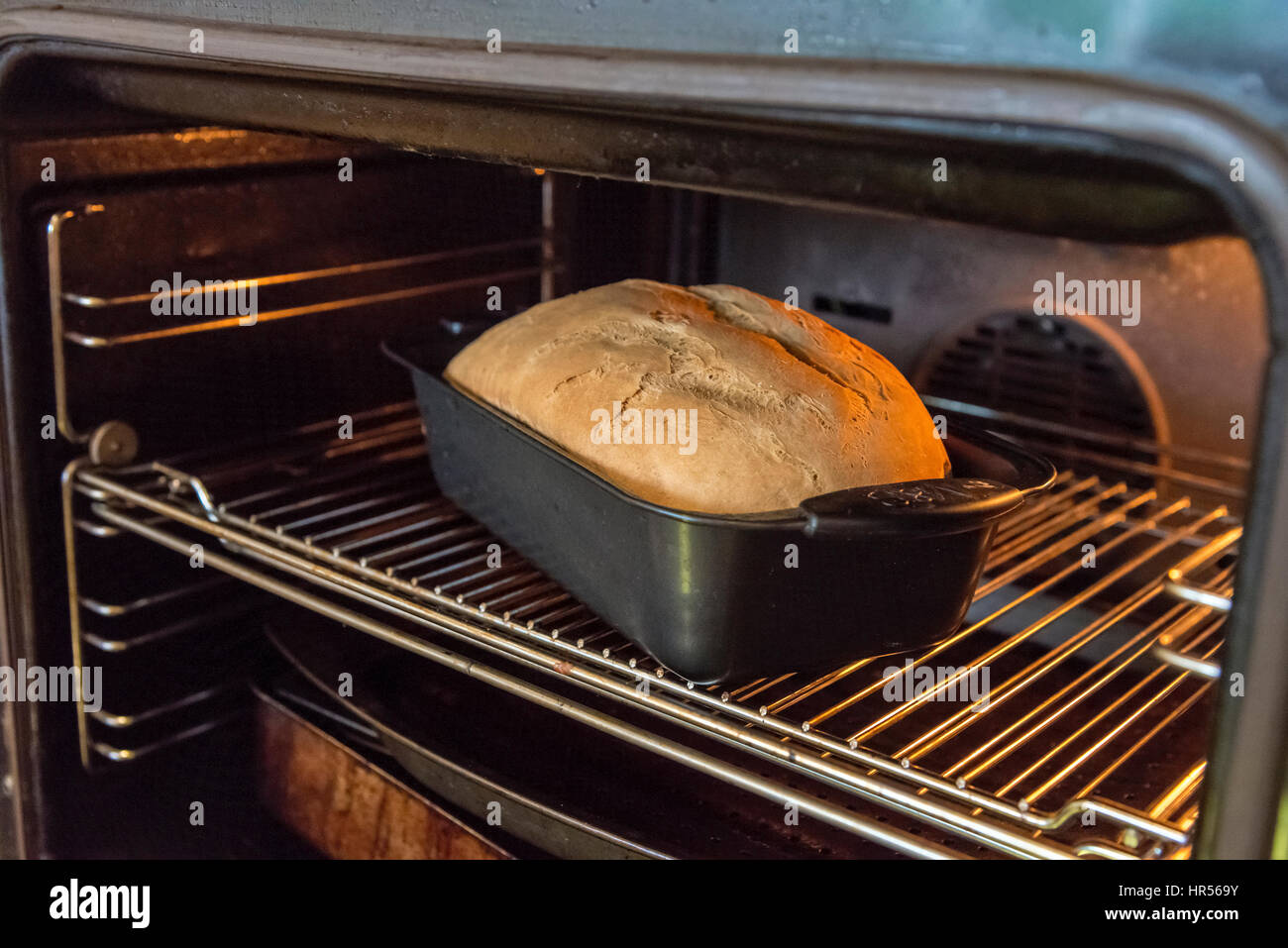
Moisture management is the most significant hurdle. When an item is removed from a hot oven, steam trapped inside the product continues to move toward the crust. If the item is trapped in a sealed container immediately, the steam will condense, turning a crisp crust into a soggy, undesirable surface. Proper ventilation is essential during the initial cooling phase, even if that phase lasts only seconds.
Thermal Retention
While you want to avoid trapped humidity, you must also preserve heat. In professional environments, this is often managed through the use of heat lamps or heated display cases that maintain an environment of approximately 140°F to 150°F (60°C to 65°C). This temperature range is high enough to keep fats in their optimal state and maintain a pleasant mouthfeel without continuing the cooking process to the point of dryness.
Service Speed
The "fresh from the oven" experience is inherently time-sensitive. Once a product is pulled from the oven, its peak sensory qualities typically remain for 10 to 20 minutes for delicate pastries, or up to an hour for larger, heartier loaves. Beyond this, the product begins a linear decline toward ambient temperature, at which point the sensory experience changes from "fresh" to "room temperature."
Comparative Methods for Optimal Delivery
Depending on your role—whether as a home baker, a café operator, or a hospitality professional—the logistics of achieving this experience change.
| Method | Target Product | Operational Requirement | Primary Benefit |
|---|---|---|---|
| Bake-to-Order | High-end pastries | On-demand oven access | Maximum sensory quality |
| Staggered Baking | High-volume bread | Strict production schedule | Consistent availability |
| Holding Cabinets | Savory items | Humidity-controlled heat | Reduced waste/immediate service |
| Par-baking | Frozen/Distributed goods | Secondary short-cycle oven | Speed and uniform texture |
Practical Steps to Elevate the Experience
If you are aiming to provide this experience to others or improve it for yourself, focus on the synchronization of the oven pull with the arrival of the consumer.
- Strategic Timing: Coordinate your oven cycles to mirror peak traffic. For a bakery, this means understanding that customers are most responsive to fresh aromas during mid-morning or early afternoon transitions.
- Proper Cooling Racks: Never leave bread or pastries on a solid surface. Use wire cooling racks to allow airflow under the product, which prevents the base from steaming and losing its structural integrity.
- Ambient Scenting: The olfactory experience is a major part of "tasting." By venting the oven air into the service area, you prime the consumer’s expectations, which significantly heightens the perceived quality of the first bite.
- Thermal Management: If using holding equipment, monitor the humidity settings daily. Too little humidity will dry out the crust; too much will cause the product to collapse.
Common Mistakes and Troubleshooting
The most common error in attempting to provide a fresh experience is the "rush to sell." Attempting to serve a product that has not had a minimum rest period (especially in the case of sourdough or yeasted breads) can lead to a gummy interior. Bread, for instance, continues to "cook" for several minutes after it leaves the oven as moisture redistributes. Cutting into a loaf too early results in a loss of steam and a rapid loss of structural integrity.
Another frequent issue is improper storage prior to the final heat. If ingredients are not at room temperature before they hit the oven, the core of the product may remain under-baked while the exterior browns. Always verify that your oven calibration is accurate; in 2026, even high-end residential and commercial ovens can drift by 10 to 15 degrees, which can be the difference between a golden crust and a burnt one.
Frequently Asked Questions
What is the minimum rest time for bread after leaving the oven? Most hearth-style breads require a minimum of 30 to 60 minutes to finish the crumb-setting process. While you may want to serve it "hot," serving it immediately after it leaves the heat source often results in a texture that feels raw or doughy in the center.
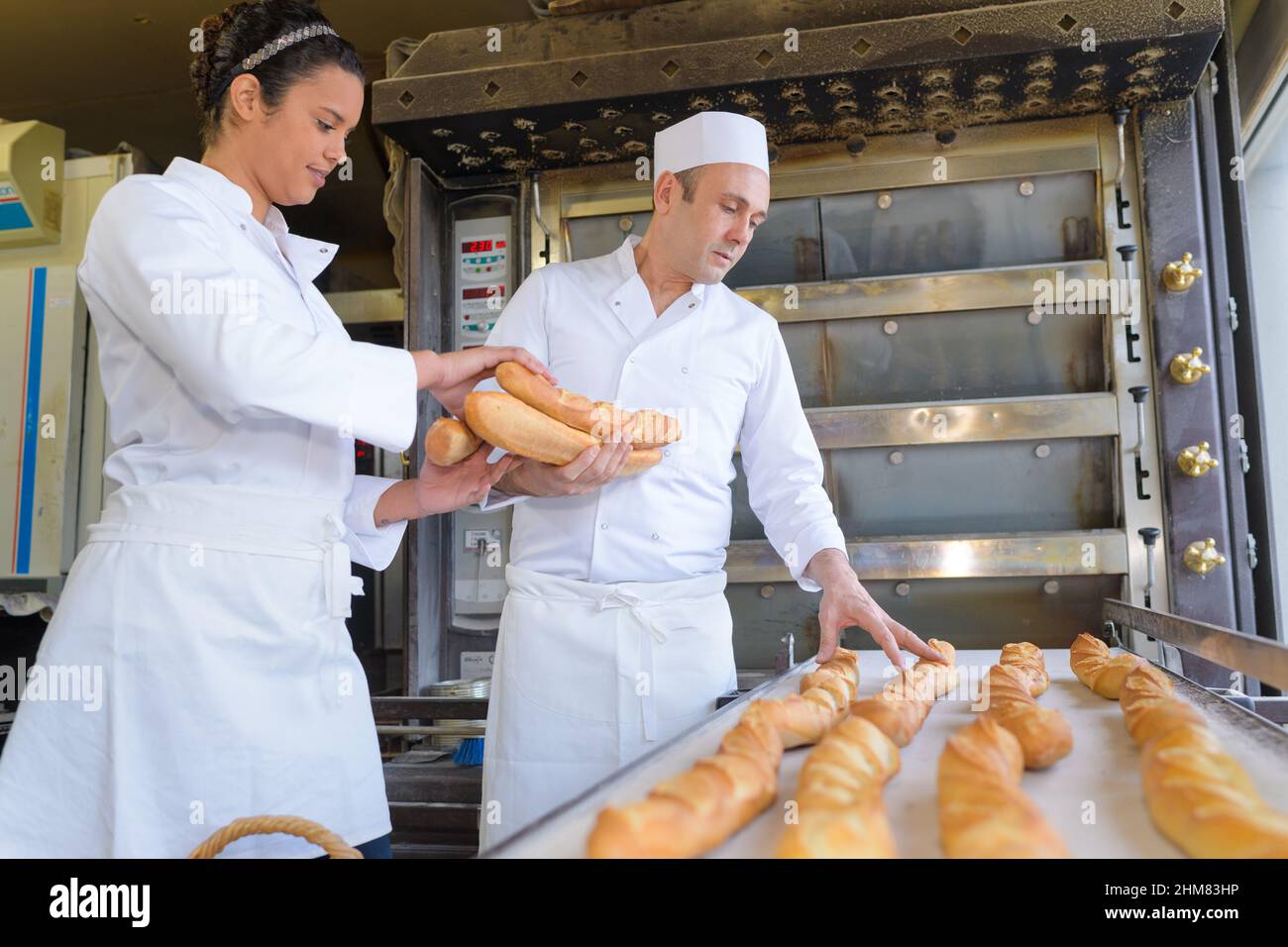
How does humidity affect the "fresh from the oven" feel? High humidity in the storage environment helps keep products soft, while low humidity is essential for products that rely on a crisp, crackly crust, such as baguettes or croissants. Matching the humidity to the specific crumb structure is the key to maintaining the "just baked" sensation.
Why do some pastries lose their crispness within minutes? If your kitchen or serving environment has high ambient humidity, baked goods will absorb that moisture rapidly, softening the crust. This is often mitigated by serving the item on a heated plate or in a specialized paper sleeve that allows for limited moisture escape.
Can par-baked goods provide a true fresh experience? Yes, if the initial bake (the first phase) was performed correctly to ensure full flavor development. The second bake acts as a "finish" that refreshes the exterior. The quality depends entirely on the accuracy of the final bake temperature and the speed at which it reaches the consumer.
What is the best way to reheat items at home? Avoid microwaves, as they heat through water molecule agitation, which creates steam and destroys crusts. A toaster oven or a conventional oven preheated to 350°F (175°C) for 3 to 5 minutes is the most effective way to restore the fresh exterior texture.
Final Recommendation
To consistently provide the fresh from the oven experience, prioritize the "pull time" over the "prep time." Invest in a reliable probe thermometer to ensure your products exit the oven at the precise internal temperature required for their specific crumb density. For bread, this is typically 200°F–210°F (93°C–99°C). Once you have reached that target, communicate the arrival of the product to your audience immediately. The aroma of a fresh bake is its own advertisement; do not let it dissipate behind closed doors. Use the sensory window—the first 15 minutes of cooling—as your primary operational constraint, and adjust your workflow to ensure the customer receives the product before that window closes.
Image Gallery