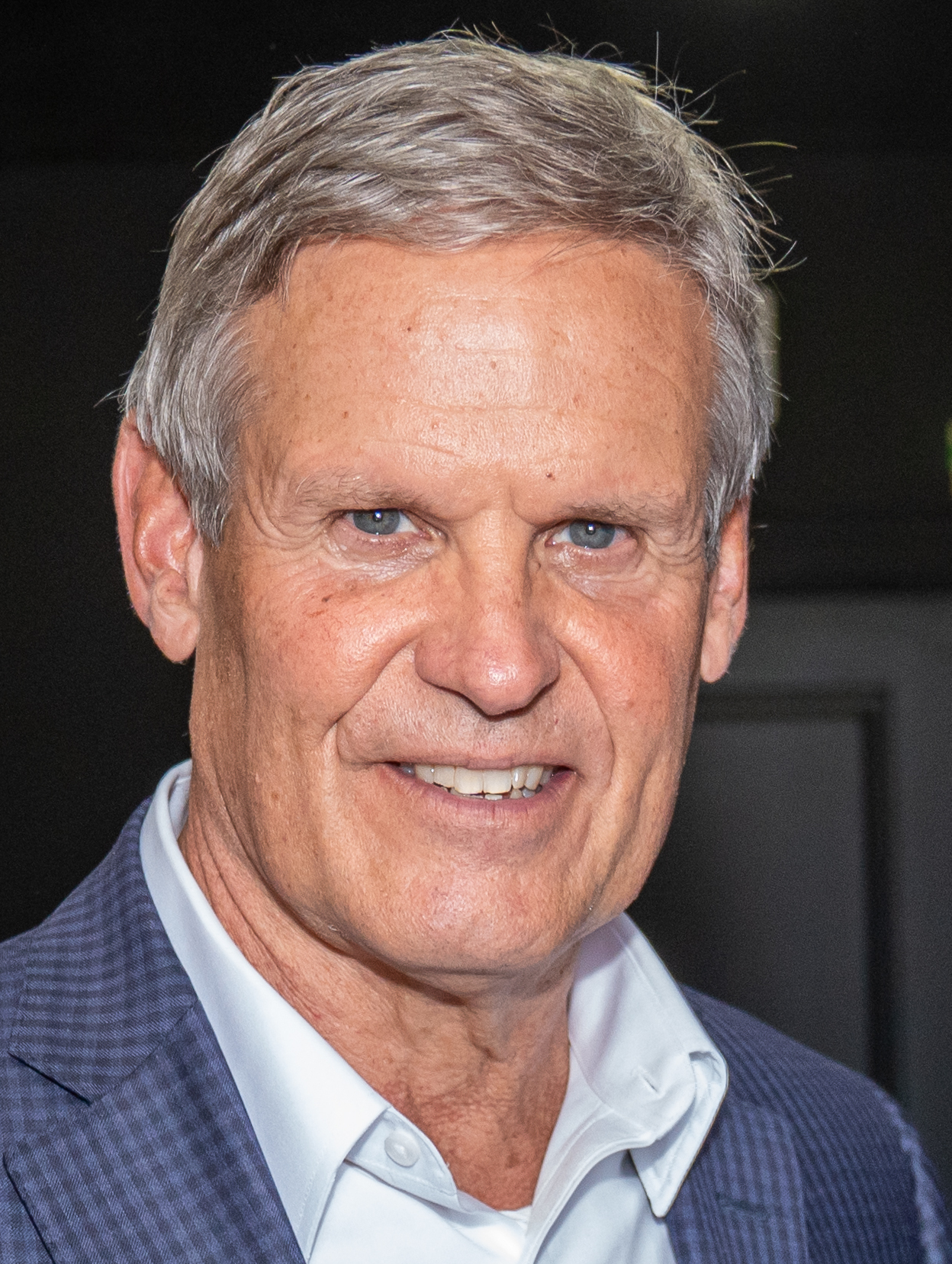
David S. K. Lee Net Worth: A Fact Profile and Asset Breakdown
David S. K. Lee is an American entrepreneur, real estate developer, luxury watch retailer, and internationally recognized hypercar collector. As the Chairman and CEO of Hing Wa Lee Group, his net worth is estimated between $300 million...
David S. K. Lee is an American entrepreneur, real estate developer, luxury watch retailer, and internationally recognized hypercar collector. As the Chairman and CEO of Hing Wa Lee Group, his net worth is estimated between $300 million and $350 million. His wealth is derived primarily from commercial real estate developments, retail jewelry operations, and high-value collectible assets.
Contents
Disclaimer: Financial estimates and asset valuations in this article are compiled from public corporate filings, real estate records, automotive auction benchmarks, and media reporting. They are provided for analytical purposes and do not constitute formal tax or investment advice.
Who Is David S. K. Lee? Background and Executive Profile
David Sung Kee Lee is the Chairman and Chief Executive Officer of the Hing Wa Lee Group, a multi-industry conglomerate based in Southern California. While widely known to the public as one of the world's premier Ferrari collectors and social media personalities, Lee's foundational wealth stems from multi-generational retail entrepreneurship and strategic commercial real estate acquisition.
- Hing Wa Lee Group Core Divisions
- Hing Wa Lee Jewelers (Luxury Retail & Watches)
- Hing Wa Lee Real Estate (Commercial Plazas & Land)
Early Life and Business Foundations
The foundation of the Lee family business was established by David’s father, Hing Wa Lee, a master gemstone carver who completed his apprenticeship in Hong Kong before moving to the United States. In 1965, the elder Lee opened a wholesale jade carving and gemstone business in the United States, servicing high-end jewelers and institutional clients.
David S. K. Lee grew up working within the family business, developing an early understanding of precious metals, gems, and international supply chains. He attended the University of Southern California (USC), graduating from the Marshall School of Business with a Bachelor of Science in Business Administration in 1992.
Strategic Pivots and Commercial Expansion
Upon graduating from USC, David Lee identified an untapped market in Southern California: catering to the rapidly growing, affluent Asian-American demographic in the San Gabriel Valley. He proposed expanding the family’s wholesale gemstone operation into a full-scale luxury retail jewelry store.
Under his leadership, Hing Wa Lee Jewelers secured authorized retailer agreements with elite Swiss watchmakers, including Rolex, Tudor, Patek Philippe, Audemars Piguet, and Breguet. By designing flagship shopping plazas tailored to high-net-worth Asian clientele and international tourists, Lee transformed a wholesale jade carving business into one of the highest-grossing independent luxury watch retailers in the United States.
Key Revenue Streams Driving David S. K. Lee's Wealth
Understanding David S. K. Lee’s financial profile requires examining the three core engines of his enterprise: retail operations, real estate holdings, and private investments.
| Asset Category | Estimated Share of Net Worth ($300M - $350M Range) |
|---|---|
| Real Estate Development & Holdings | ~40% - 45% |
| Hing Wa Lee Jewelers Enterprise | ~30% - 35% |
| Car & Collectible Portfolio | ~15% - 20% |
| Liquid Assets & Alternative Funds | ~5% - 10% |
1. Hing Wa Lee Jewelers (Luxury Retail Operations)
Retail sales of Swiss timepieces and high jewelry serve as a steady source of cash flow. Operating multi-story flagship stores in Walnut and San Gabriel, California, Hing Wa Lee Jewelers controls dominant market positions in Southern California's luxury corridors.
- Authorized Retail Partnerships: Holding authorized dealer status for top-tier watch brands creates significant commercial entry barriers. Demand for steel sport watches and high-complication timepieces from brands like Rolex and Patek Philippe ensures high turnover and sustained profit margins.
- Tourism and Local VIP Client Base: The business benefits from strong local client retention and relationships with high-net-worth buyers across North America and Asia.
2. Hing Wa Lee Real Estate (Development & Commercial Holdings)
Recognizing the cyclical nature of luxury retail, Lee systematically funneled retail profits into commercial real estate. Over three decades, the Hing Wa Lee Group built a substantial portfolio of real estate assets across Southern California.
- Commercial Plazas: The group owns, develops, and manages major retail plazas, including the Hing Wa Lee Plaza locations in Walnut and San Gabriel. These properties yield recurring rental income from corporate and retail tenants.
- Land & Commercial Acquisitions: Lee’s real estate strategy focuses on acquiring underperforming commercial lots along heavy traffic corridors, securing entitlement approvals, and developing mixed-use or multi-tenant retail centers.
3. Venture Capital and Strategic Investments
Beyond physical real estate and retail storefronts, Lee maintains investments in private equity, technology ventures, and culinary concepts. He sits on advisory boards and actively invests in Southern California businesses, leveraging his supply chain and marketing experience.
High-Value Asset Portfolio: Automotive Collection and Collectibles
David S. K. Lee has earned global distinction for his automotive collection, operating under the brand identity "Ferrari Collector David Lee." His collection is not merely a personal passion project; it represents a meticulously managed alternative asset portfolio valued at tens of millions of dollars.
- The "Big 5" Ferrari Pinnacle
- 288 GTO (1984)
- F40 (1987)
- F50 (1995)
- Enzo (2002)
- LaFerrari (2013)
The Ferrari "Big 5" and Rare Hypercars
Lee is famous for acquiring the full suite of Ferrari’s flagship halo cars—often referred to as the "Big 5":
- Ferrari 288 GTO (1984): A rare homologation supercar, highly prized by collectors.
- Ferrari F40 (1987): The final supercar approved directly by Enzo Ferrari, powered by a twin-turbocharged V8.
- Ferrari F50 (1995): A naturally aspirated V12 supercar incorporating Formula 1 engine technology.
- Ferrari Enzo (2002): A naturally aspirated V12 icon representing early 2000s hypercar engineering.
- Ferrari LaFerrari (2013): A hybrid hypercar combining a V12 engine with electric drive systems.
In addition to the Big 5, his collection includes rare classic models—such as the 1964 Ferrari 250 Lusso Competition—and modern limited-production vehicles including the Ferrari Monza SP2, Pagani Huayra, Porsche 911 models customized by Singer Vehicle Design, and various classic Dino variants. Combined, his car collection is estimated to be worth between $50 million and $70 million based on current auction valuations.
Fine Timepiece Collection
As a premier distributor of luxury timepieces, Lee maintains a personal watch collection separate from commercial inventory. His portfolio features ultra-rare Patek Philippe grand complications, unique Rolex Daytona models, vintage Audemars Piguet pieces, and modern Richard Mille timepieces.
Detailed Financial Valuation Breakdown
The table below outlines the primary components contributing to David S. K. Lee’s estimated net worth profile, illustrating how his wealth is distributed across hard assets, corporate equity, and alternative holdings.
| Asset Class / Division | Core Holdings & Primary Operations | Valuation Impact (% of Wealth) | Strategic Financial Function |
|---|---|---|---|
| Commercial Real Estate | Retail plazas, commercial centers, and development land in Southern California (Walnut, San Gabriel). | 40% – 45% | Provides predictable rental yield, asset appreciation, and debt-leveraged expansion. |
| Hing Wa Lee Jewelers | Flagship luxury showrooms, authorized Swiss watch dealerships, and high-end gem inventory. | 30% – 35% | Generates primary cash flow, high-margin retail profits, and capital for reinvestment. |
| Automotive Collection | Ferrari "Big 5", Ferrari Monza SP2, Pagani Huayra, vintage classics, and Singer Porsches. | 15% – 20% | Functions as a high-appreciation alternative asset class and global personal marketing tool. |
| Fine Watches & Collectibles | Personal horological collection featuring rare Patek Philippe, Rolex, and prototype timepieces. | 5% – 8% | Highly liquid, transportable stores of value with high long-term appreciation trends. |
| Venture Investments & Liquid Cash | Public equities, private venture holdings, liquidity reserves, and institutional fund investments. | 5% – 10% | Supplies liquidity for immediate real estate acquisitions and operational flexibility. |
Business Philosophy and Wealth Preservation Principles
David S. K. Lee’s sustained financial success over three decades reflects deliberate management strategies designed to insulate his net worth from economic downturns.
- Wealth Building Framework
- High Margin Operations (Jewelry & Luxury Sales)
- Hard Real Estate Assets (Rental Income & Land Equity)
- Passion Asset Portfolio (Rare Automotive & Horology)
1. Vertical Integration in Real Estate
Rather than renting space for his retail operations, Lee developed the commercial plazas where Hing Wa Lee Jewelers operates. This strategy allows his core business to pay rent into his own real estate entity, capturing equity on both sides of the balance sheet.
2. Converting Passion into Brand Equity
Lee’s automotive collection functions as a powerful organic marketing engine. By creating content around his collection on YouTube and Instagram, he built a global personal brand. This publicity drives customer foot traffic to his California jewelry stores and opens doors to exclusive global business networks.
3. Passion-Led Asset Diversification
Lee treats luxury collecting as disciplined asset allocation. By acquiring low-production, highly documented sports cars and rare horology, he holds assets that historically hedge against inflation and maintain negative correlation with traditional equity markets.
Frequently Asked Questions
What is David S. K. Lee’s current estimated net worth?
As of 2026, David S. K. Lee’s net worth is estimated between $300 million and $350 million. This total reflects his commercial real estate holdings, retail jewelry businesses, alternative venture investments, and his high-value car and watch collections.
How did David S. K. Lee make his initial fortune?
Lee expanded his father’s wholesale gem-carving business into a retail empire. After graduating from USC in 1992, he secured authorized retailer rights for top Swiss watchmakers, transforming Hing Wa Lee Jewelers into a dominant Southern California retail enterprise before expanding into commercial real estate development.
What is the estimated value of David Lee’s car collection?
His automotive collection is estimated to be worth $50 million to $70 million. Key pieces include the Ferrari "Big 5" (288 GTO, F40, F50, Enzo, LaFerrari), custom Singer Porsches, a Pagani Huayra, and rare vintage Ferraris.
Where are the primary Hing Wa Lee Group businesses located?
The Hing Wa Lee Group operates out of Southern California. Its multi-story flagship retail plazas are located in Walnut and San Gabriel, California, serving both domestic customers and international tourists.
Does David S. K. Lee own the commercial properties where his stores are located?
Yes. A core component of Lee’s financial strategy has been acquiring and developing the commercial plazas that house Hing Wa Lee Jewelers. This arrangement ensures operational security and builds long-term real estate equity.
Key Takeaway and Strategic Summary
David S. K. Lee's financial profile illustrates how traditional retail cash flow can be systematically converted into long-term wealth through real estate acquisition and alternative asset investments. By securing commercial land beneath his own operations and cultivating an internationally renowned automotive portfolio, Lee built a resilient balance sheet.
For real estate investors, business owners, and collectors analyzing his financial trajectory, the primary lesson lies in asset integration: leveraging core business profits to acquire tangible, appreciating physical assets that protect capital across market cycles.
EDITORIAL CATEGORY METADATA
Image Gallery