Mastering the Versatility of the Black Shirt: Styling Strategies for Every Occasion
A black shirt serves as a foundational element in any wardrobe because of its high contrast, visual slimming effect, and inherent association with formality and sophistication. Pairing options depend on the fabric and cut of the shirt,...
A black shirt serves as a foundational element in any wardrobe because of its high contrast, visual slimming effect, and inherent association with formality and sophistication. Pairing options depend on the fabric and cut of the shirt, ranging from casual cotton tees to structured poplin button-downs, with color palettes spanning from monochromatic neutrals to high-contrast earth tones or vibrant primary colors.
Contents
Understanding the Role of Fabric and Silhouette
The success of styling a black shirt is rooted in recognizing the fabric’s weight and the garment’s cut. A black shirt is not a monolith; a heavy-gauge black cotton t-shirt communicates an entirely different aesthetic than a fine-gauge black silk or linen button-down.
When planning an outfit, consider the texture of the material. Matte black fabrics, such as cotton or wool, absorb light and are generally more versatile for daytime or casual settings. Conversely, synthetic blends or silk shirts that reflect light carry a higher sheen, making them more appropriate for evening events or professional environments that require a sharper silhouette. Matching the formality of the fabric to your bottom wear is the first step in achieving a cohesive look.
Classic Color Pairings and Contrast Logic
Because black is an achromatic neutral, it technically pairs with every color. However, the visual impact varies significantly based on contrast levels.
The Monochromatic Approach
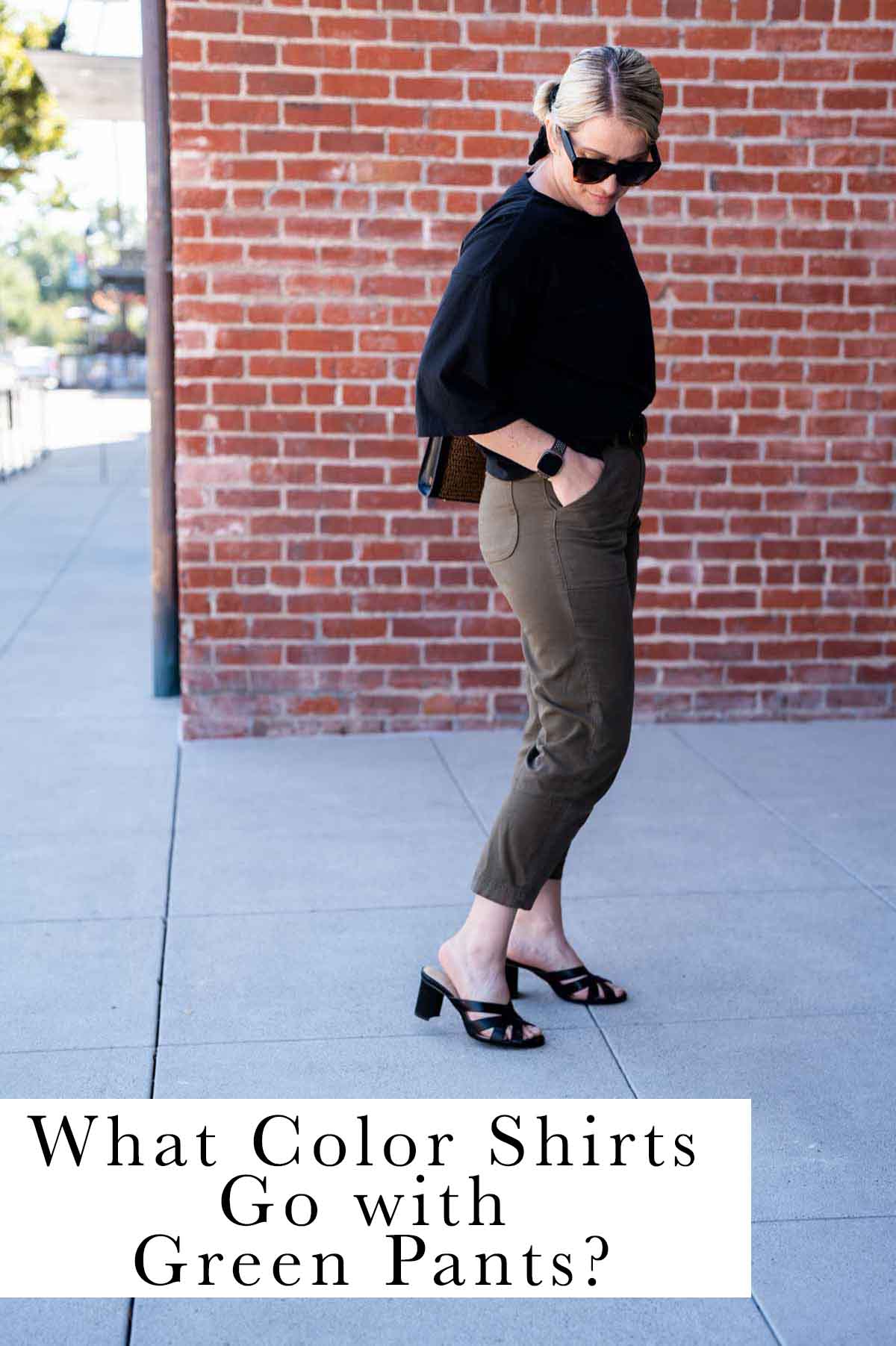
Wearing black on black is a classic technique for creating a streamlined, elongated silhouette. The key to preventing an all-black outfit from looking like a uniform is to vary the textures. If you wear black trousers, choose a different weight for the shirt—perhaps a brushed cotton shirt with denim jeans, or a silk shirt with tailored wool slacks. This subtle interplay of light absorption prevents the outfit from appearing flat.
High-Contrast Neutrals
Pairing a black shirt with white or light gray trousers creates the highest possible visual contrast. This combination is inherently formal and works exceptionally well for professional or semi-formal settings. To elevate this look, ensure the fit of both pieces is precise, as the high contrast draws immediate attention to the lines of your clothing.
Earth Tones and Muted Colors
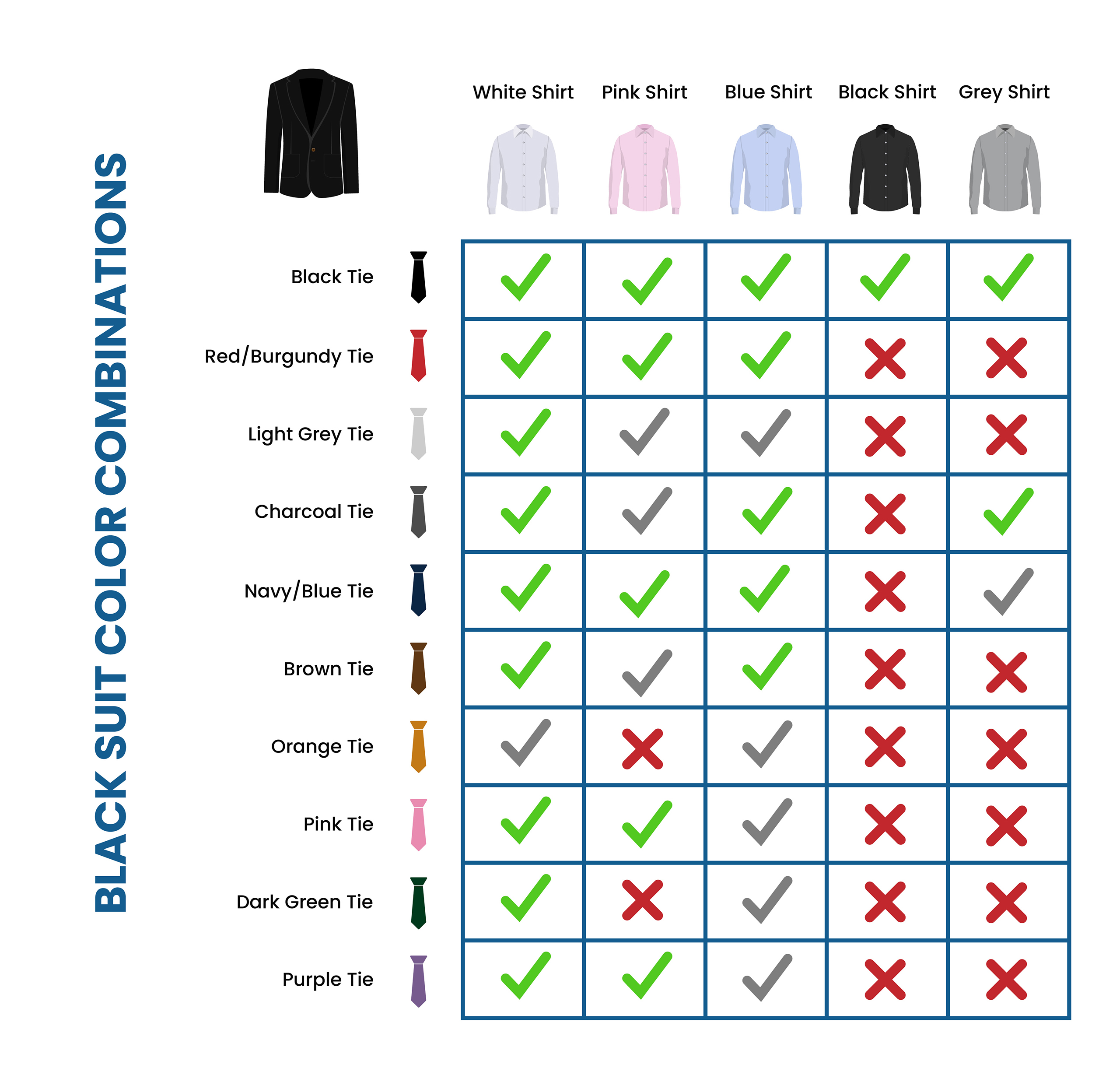
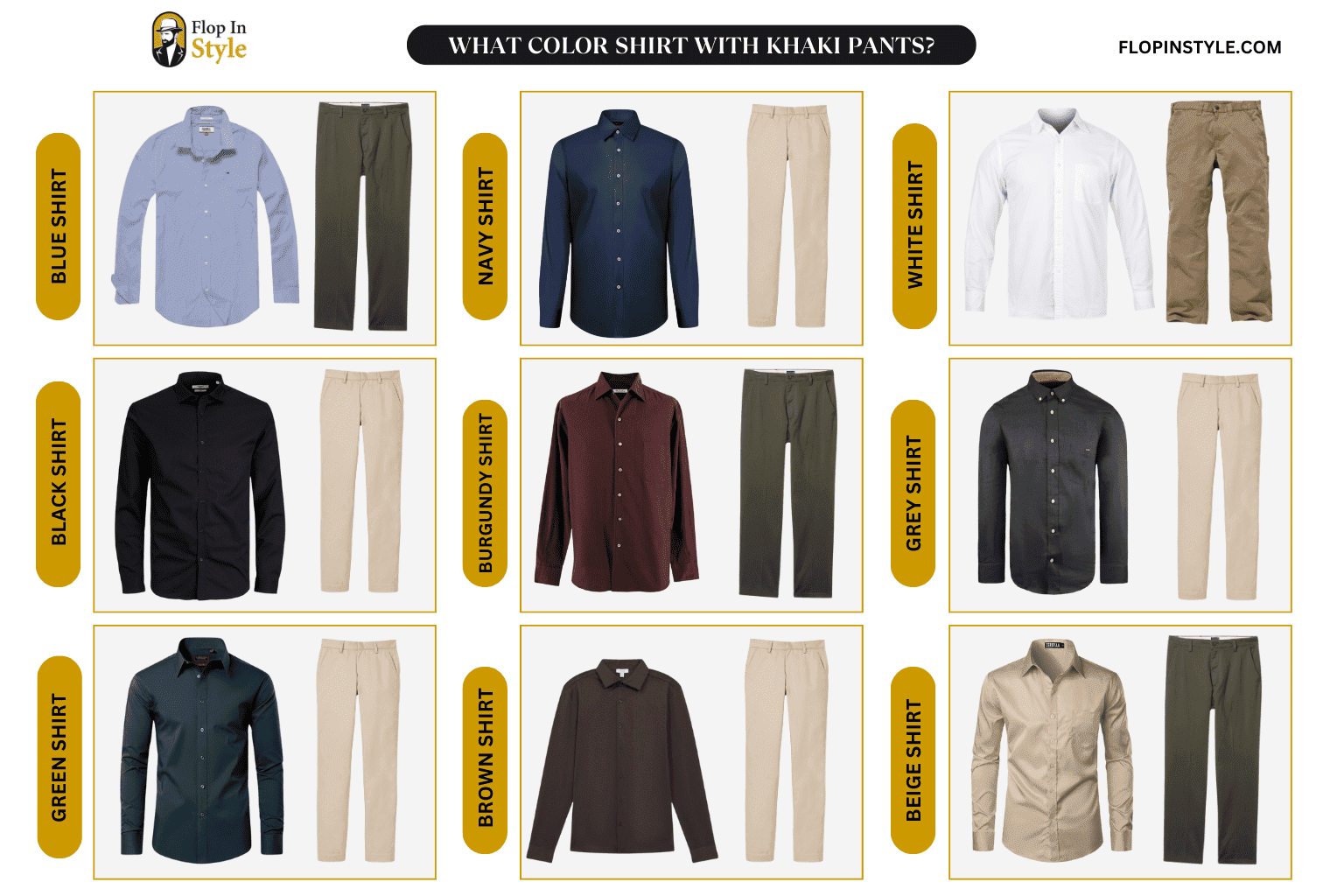
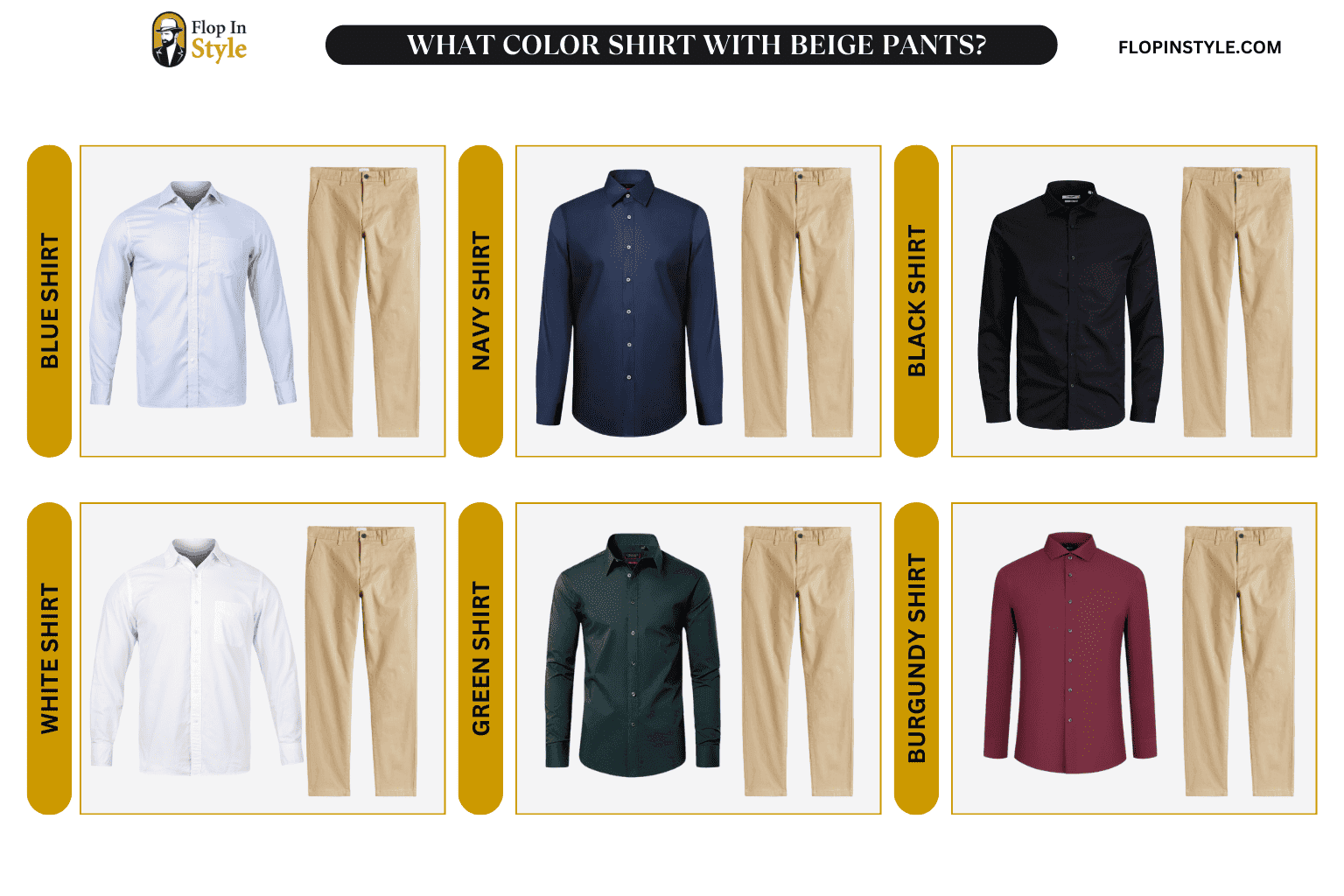
For a more contemporary and approachable aesthetic, pair black with olive, charcoal, tan, or deep burgundy. These colors provide enough differentiation to avoid the severity of black-on-black without the stark brightness of white. Earth tones, in particular, ground the intensity of a black shirt, making it suitable for social outings and smart-casual work environments.
Essential Pairing Guide by Occasion
To determine what goes well with your shirt, analyze the event. The following table summarizes appropriate pairings based on common sartorial settings.
| Occasion | Recommended Bottoms | Footwear | Accessory Focus |
|---|---|---|---|
| Formal/Corporate | Charcoal or Grey Wool Trousers | Black Leather Oxfords | Leather Belt, Minimalist Watch |
| Smart-Casual | Beige Chinos or Raw Denim | Leather Loafers or Chelsea Boots | Brown or Black Suede Belt |
| Casual/Weekend | Light-wash Denim or Cargo Pants | Clean White Sneakers | Casual Watch, Hat |
| Evening/Night Out | Black Slim-fit Jeans | Black Leather Boots | Silver or Metallic Jewelry |
Navigating Seasonal Transitions
The black shirt is a four-season garment, though its styling should adapt to the climate. During warmer months, prioritize breathable fabrics like linen or light-weight cotton. Pair these with lighter-colored bottoms—such as khaki or light grey—to mitigate the heat-absorbing properties of the black pigment.
In colder months, the black shirt functions as a base layer. It sits perfectly beneath layering pieces like camel overcoats, navy blazers, or denim jackets. Because black is a neutral anchor, it allows you to introduce heavier, more colorful knitwear or patterned outerwear without creating visual clutter.
Common Styling Mistakes to Avoid
Even with a versatile garment, errors in execution can disrupt an otherwise polished appearance.
- Fading Mismatch: If you are wearing a black shirt with black trousers, ensure both are in similar condition. A jet-black shirt paired with faded, greyish-black jeans creates a discordant look that suggests a mismatch rather than a deliberate monochromatic choice.
- Ignoring Proportions: A loose, oversized black shirt paired with wide-leg trousers can look sloppy rather than intentional. Aim for balance: if the shirt is oversized, opt for more structured or tapered bottoms, and vice versa.
- Over-Accessorying: Because black is a strong, definitive color, it can easily be overwhelmed by too many accessories. Stick to one or two high-quality focal points, such as a watch or a structured belt, rather than cluttering the outfit with competing items.
Troubleshooting Your Look
If you feel an outfit featuring a black shirt is falling flat, consider the "third-piece rule." This involves adding a jacket, cardigan, or distinctive outerwear piece. The third piece acts as a buffer between the shirt and the trousers, creating depth and visual interest.
If the problem is a lack of color, do not attempt to force it with a bright tie or pocket square, as these can appear dated or overly costume-like. Instead, introduce color through textures or subtle patterns—a charcoal herringbone coat or a deep olive suede jacket adds personality without compromising the sophistication of the base black shirt.
Frequently Asked Questions
Can I wear brown shoes with a black shirt? Yes, but execution matters. While traditional fashion advice once dictated that black and brown should not be mixed, modern styling favors deep, dark brown leathers—such as chocolate or espresso—paired with black. Avoid lighter, warmer tan shades, as the high contrast between the shirt and the shoe can appear jarring unless carefully balanced by the rest of the outfit.
Is a black shirt professional enough for a job interview? A black shirt is acceptable in creative or modern industries but may be considered too informal or severe for traditional, conservative sectors like banking or law. If you choose to wear one in a professional setting, ensure it is a high-quality, long-sleeved button-down, kept crisp, and worn under a structured blazer.
What metal accessories work best with black? Silver, white gold, and platinum are the traditional pairings for black as they offer a cool, metallic contrast that complements the sharpness of the shirt. However, yellow gold can provide a striking, luxury-leaning aesthetic, provided it is used sparingly, such as in a watch face or a simple ring.
How do I keep a black shirt from looking faded? Fading is usually caused by excessive heat and detergent residue. Always wash your black shirts in cold water on a delicate cycle. Turn the garment inside out to reduce friction against other clothes, and avoid direct sunlight when drying, as ultraviolet rays accelerate pigment breakdown.
Does a black shirt go well with blue jeans? Yes, this is one of the most reliable casual combinations. A black shirt with dark-wash indigo jeans creates a classic, refined look. A black shirt with light-wash, distressed denim provides a more rugged, street-style aesthetic.
Final Recommendation
The most effective way to style a black shirt is to prioritize fit and texture. Invest in a high-quality garment—preferably a medium-weight cotton or a technical blend that resists fading—and use it as the "anchor" of your outfit. If you are unsure of how to start, begin with a monochromatic black-on-black ensemble, then introduce subtle variations in texture and neutral-colored outerwear to build your confidence and refine your personal style.
Image Gallery