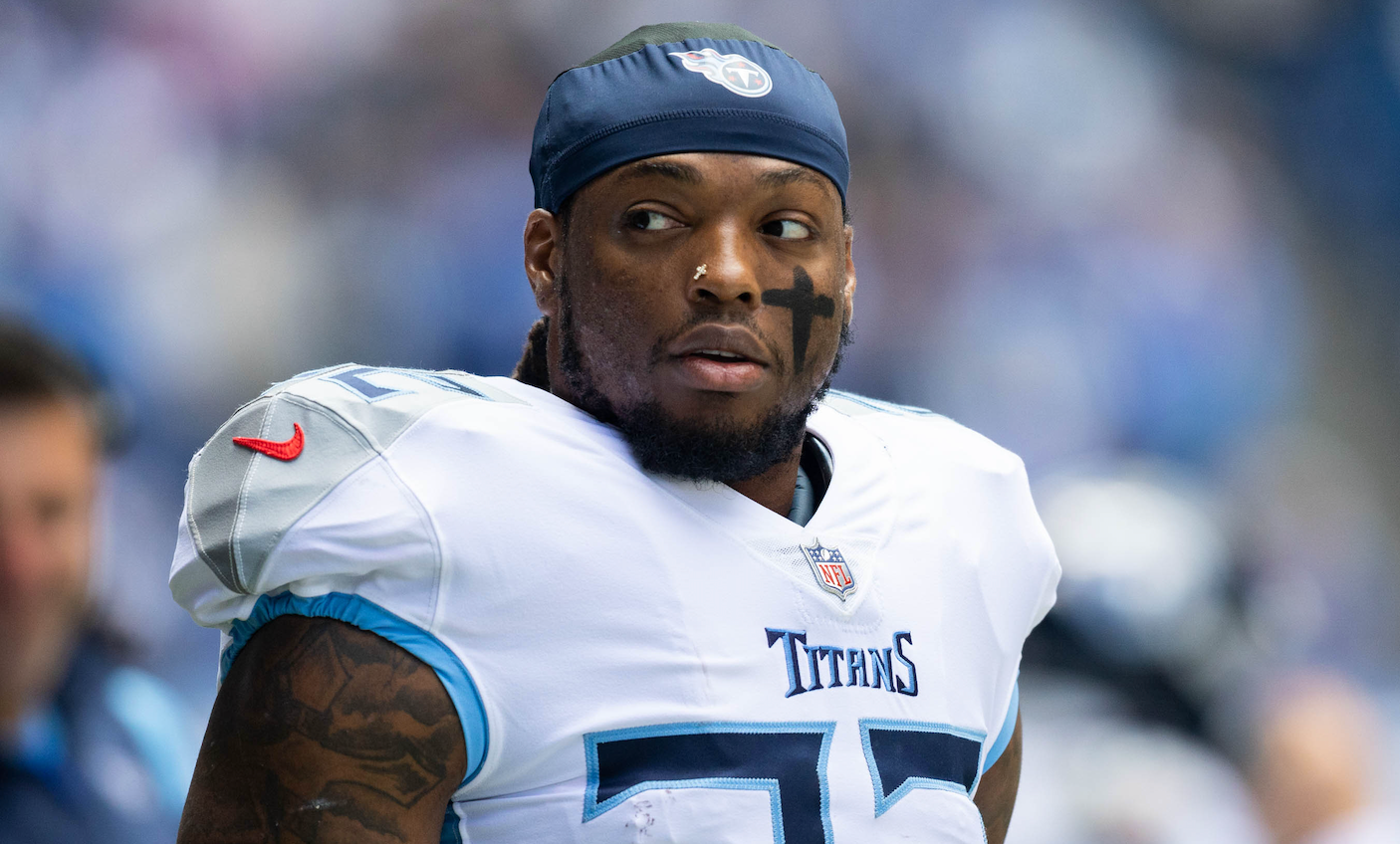
Why Derrick Morgan Matters for the Tennessee Titans: A Legacy of Professionalism and Defensive Stability
Derrick Morgan remains a cornerstone of Tennessee Titans history, representing a critical era of transition for the franchise. Selected in the first round of the 2010 NFL Draft, his tenure defined defensive reliability through tactical...
Derrick Morgan remains a cornerstone of Tennessee Titans history, representing a critical era of transition for the franchise. Selected in the first round of the 2010 NFL Draft, his tenure defined defensive reliability through tactical versatility, leadership in the locker room, and a professional consistency that helped bridge the gap between rebuilding phases for the organization during his nine-season career.
Contents
The Foundation: A First-Round Draft Choice
When the Tennessee Titans selected Derrick Morgan with the 16th overall pick in the 2010 NFL Draft out of Georgia Tech, the expectations were immediate. The franchise was looking to fortify its defensive front, and Morgan arrived with the reputation of a high-motor defensive end with an exceptional understanding of leverage and hand-fighting techniques.
Drafting a player in the first round requires more than just athletic potential; it requires the assumption that the player will become a culture setter. Morgan justified this selection by immediately stepping into a rotation and eventually becoming a full-time starter. His rookie season was curtailed by injury, but the resilience he showed during that rehabilitation phase set the tone for the remainder of his career. By the time he reached his prime, he had transformed from a college-level defensive end into a multi-dimensional professional who could handle the physical rigors of a 16-game NFL season.
Positional Versatility and Tactical Value
One of the primary reasons Morgan matters so significantly to the Titans' historical narrative is his capacity to adapt to changing defensive schemes. During his nine years in Nashville, the Titans moved through various defensive philosophies, shifting from more traditional 4-3 alignments to more hybrid 3-4 looks.
Many players struggle when asked to change roles—shifting from a hand-in-the-dirt defensive end to a stand-up outside linebacker—but Morgan embraced these adjustments. His intelligence allowed him to excel in both setting the edge against the run and applying pressure on the quarterback. This versatility allowed Titans coaching staffs to utilize him in ways that maximized the overall efficiency of the defensive unit. He functioned as a "Swiss Army knife" of the front seven, providing coaches with the flexibility to disguise blitzes and shift coverage responsibilities without needing to substitute personnel.
Statistical Contributions to the Defensive Front
While statistics do not always capture the nuance of defensive line play, Morgan’s production was instrumental in stabilizing the Titans' defense. Over his career, he consistently challenged opposing tackles and maintained a presence that demanded attention from offensive coordinators.
| Metric | Context of Impact |
|---|---|
| Sack Totals | Consistently pressured QBs, often creating opportunities for others. |
| Edge Defense | Elite ability to contain outside runs and force plays back inside. |
| Games Played | Reliability in availability over nine consecutive seasons. |
| Leadership | Served as a locker-room stabilizer during coaching transitions. |
The Role of Veteran Presence
Beyond his on-field performance, Morgan served as a vital bridge for the franchise. The Titans experienced significant turnover in the front office and coaching staff throughout the 2010s. For younger players joining the team, Morgan provided a consistent, veteran voice. He represented the "Titan Way," a culture of hard work and quiet leadership that the organization prioritized during its efforts to return to playoff contention.
In the modern NFL, where rosters turn over frequently, having a player who spends nearly a decade with one franchise is a rarity. This longevity matters because it creates a sense of identity. Morgan became a familiar face for the fanbase and a mentor for younger edge rushers who entered the system later in his career. His ability to navigate the highs and lows of the rebuilding years provided stability that allowed the team to eventually transition into the competitive window they enjoyed in the late 2010s and early 2020s.
Transitioning from Player to Investor
The importance of Derrick Morgan extends beyond his time in uniform. Since his retirement, he has become a notable example of the modern athlete-turned-investor. His post-playing career, characterized by his involvement in venture capital and business ownership, highlights the professional maturity he displayed while playing for Tennessee.
For the Titans organization, having a former player continue to represent the team brand through success in other sectors is invaluable. It reinforces the narrative that the team fosters development not just for the game of football, but for life after the sport. Morgan’s commitment to community and business in the Tennessee area has kept his legacy alive within the local market, making him a perennial favorite among the long-term supporter base.
Tactical Impact: The "Edge" Necessity
To understand why Morgan matters, one must examine the specific value of the edge rusher in the AFC South. During his era, the division featured high-powered offenses that necessitated a strong pass rush. Morgan’s ability to win one-on-one battles against top-tier offensive tackles was a prerequisite for the Titans to remain competitive in divisional matchups. Without his ability to create pressure, the secondary would have faced significantly higher workloads, which likely would have led to a decrease in overall defensive efficiency.
His gameplay was characterized by:
- Technical Proficiency: Using a refined rip-and-swim move to disengage from blockers.
- Football IQ: Recognizing formation shifts and snap counts to gain a half-step advantage.
- Durability: Maintaining a high level of physical conditioning to remain effective in the fourth quarter, when games are often won or lost.
Frequently Asked Questions
Why is Derrick Morgan considered a legacy player for the Titans?
Morgan is considered a legacy player because he played nine seasons exclusively for the organization. His tenure bridged the gap between different eras of Titans football, providing on-field production and leadership that helped sustain the team during years of significant transition and coaching changes.
How did Morgan adapt to changing defensive schemes?
Morgan’s value was his intelligence and willingness to learn. As the Titans shifted defensive coordinator philosophies, Morgan evolved from a traditional 4-3 defensive end into an outside linebacker in 3-4 schemes. This flexibility allowed the coaching staff to maintain a consistent pass-rush threat without sacrificing defensive structural integrity.
What is the primary takeaway from Morgan's career in Tennessee?
The primary takeaway is the importance of "professional consistency." Morgan provided a high floor of performance year after year, which is a rare and stabilizing force in the NFL. His ability to stay healthy and productive allowed the team to focus their roster-building efforts on other positions.
How does Morgan’s post-NFL career impact his legacy with the team?
Morgan’s success in venture capital and his ongoing business ties to Tennessee have cemented his status as a community figure. By excelling outside of football, he has served as a model for how players can use their platform to build sustainable careers, further endearing him to the franchise and the city of Nashville.
Did Morgan ever make the Pro Bowl?
While Morgan was a consistently productive starter, he was often an "unsung hero" whose value was better recognized by coaching staffs and teammates than by outside accolades. His impact was defined more by his reliability and the success of the defensive unit as a whole rather than individual awards.
Recommendations for Further Study
For those interested in the tactical development of NFL edge rushers during the 2010s, studying Morgan’s film provides a masterclass in the "technician" style of play. Rather than relying solely on raw speed or pure strength, Morgan used superior hand usage and leverage.
If you are a fan or researcher looking to understand the Titans' defensive identity, look into the 2017–2018 defensive metrics. That specific era highlights how his veteran presence and tactical discipline directly contributed to the team's ability to maintain a competitive defense against high-scoring opponents. His legacy is one of silent professionalism—a player who did his job at a high level every Sunday, ensuring the Titans always had a reliable anchor on the defensive front.
Image Gallery