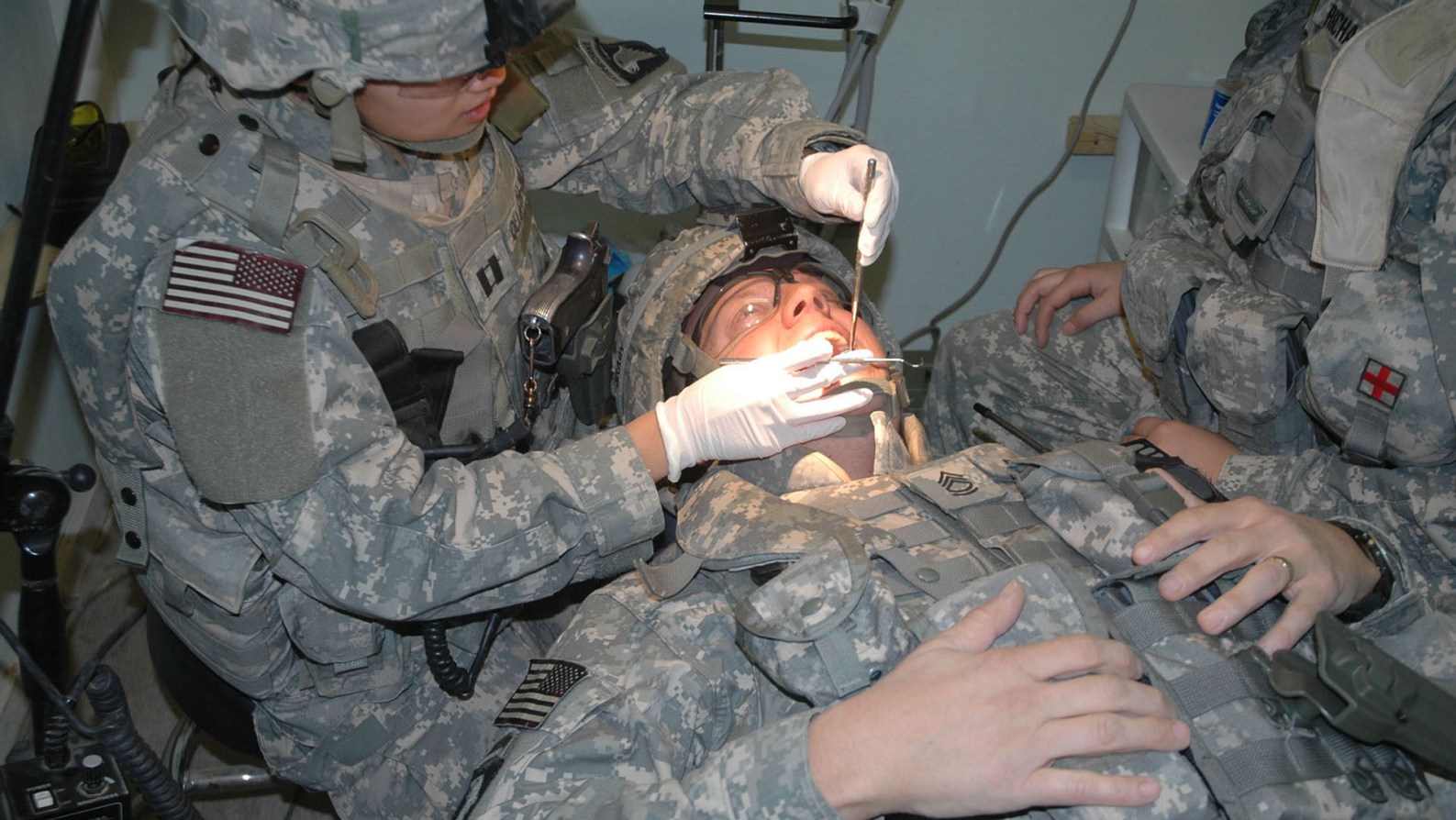
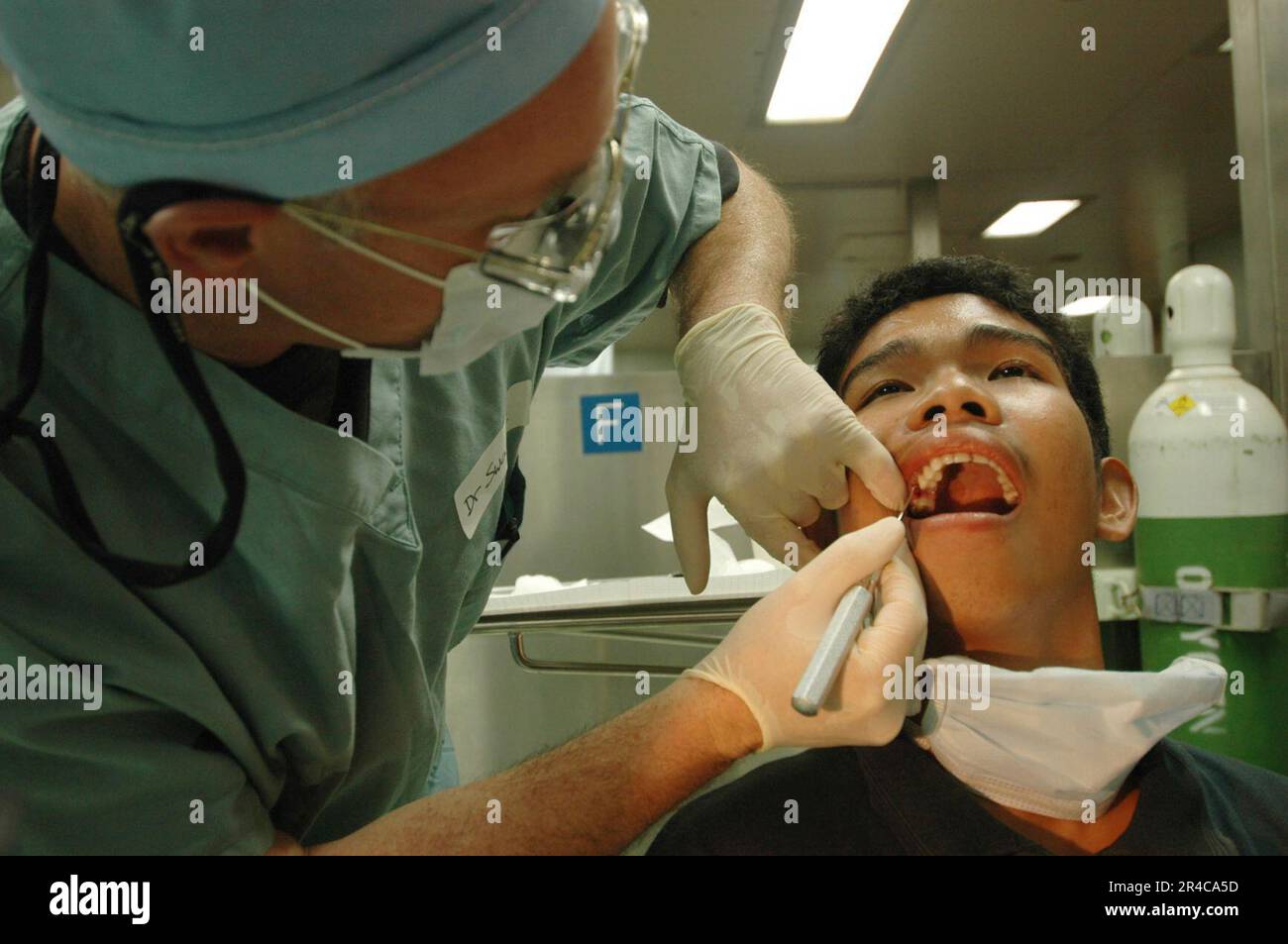
The US Navy Dentist and Their Duties: A Comprehensive Overview
A US Navy dentist is a commissioned officer in the Navy Dental Corps who provides comprehensive oral healthcare to active-duty personnel, ensuring operational readiness through routine examinations, emergency procedures, and oral surge...
A US Navy dentist is a commissioned officer in the Navy Dental Corps who provides comprehensive oral healthcare to active-duty personnel, ensuring operational readiness through routine examinations, emergency procedures, and oral surgery. Their primary role balances clinical excellence with the unique logistical requirements of maintaining a medically deployable fighting force across global maritime environments.
Contents
The Role of the Navy Dental Corps
The Navy Dental Corps is a professional division of the Navy Medical Department. Unlike civilian dental practices that focus primarily on elective and restorative care for the general public, the Navy dentist operates within a military framework where the mission is "operational readiness." If a service member has an unaddressed dental issue—such as a cracked tooth or abscess—they are considered non-deployable.
The dentist’s fundamental duty is to prevent these dental emergencies from occurring while service members are at sea or in forward-deployed locations. This objective is categorized into "Dental Readiness Classes." A Navy dentist’s success is measured by their ability to keep the fleet in Class 1 or Class 2 status, meaning the sailor requires no dental treatment or only non-urgent maintenance, respectively.
Primary Clinical Responsibilities
While the setting is unique, the core clinical duties of a Navy dentist mirror those of their civilian counterparts but are applied under specific military protocols. These responsibilities typically include:
- Comprehensive Examinations: Conducting periodic dental exams to identify caries, periodontal disease, and other pathologies that could lead to unexpected pain or infection during a mission.
- Restorative Dentistry: Performing fillings, crowns, and bridges to restore the function of damaged teeth.
- Oral Surgery: Managing wisdom tooth extractions and minor oral surgeries, which are critical because impacted third molars are a leading cause of dental emergency evacuations in the military.
- Emergency Care: Providing rapid intervention for dental trauma or acute pain in environments ranging from modern dental clinics on shore bases to austere, limited-resource shipboard settings.
- Preventive Dentistry: Implementing oral hygiene education programs to reduce the incidence of preventable diseases within the unit.
Operational Environments and Constraints
A defining aspect of the US Navy dentist’s career is the variability of their workplace. A Navy dentist might spend a tour at a major shore-based medical center, enjoying access to advanced technology, specialized labs, and a full staff of hygienists and dental assistants. Conversely, they may be assigned to an aircraft carrier or an amphibious assault ship, where they serve as a solo practitioner or part of a small team.
On a ship, the Navy dentist must manage space and equipment limitations. The dental suite on a vessel must be durable enough to withstand sea state conditions, and the dentist must maintain high standards of sterilization and instrument maintenance with limited resupply capabilities. Furthermore, they are often tasked with collateral duties, such as serving as a medical response officer during shipboard emergencies or conducting public health screenings for the crew.
Professional Requirements and Commissioning
To serve as a dentist in the US Navy, an individual must hold a Doctor of Dental Surgery (DDS) or a Doctor of Medicine in Dentistry (DMD) degree from an accredited dental school. Beyond the clinical degree, candidates must meet the general requirements for a commission in the Navy, which include:
- Citizenship: Applicants must be US citizens.
- Licensure: Candidates must hold a valid, unrestricted license to practice dentistry in one of the 50 US states or a territory.
- Physical Standards: They must meet the Department of Defense medical and physical fitness standards.
- Security Clearance: Because Navy dentists have access to military installations and sensitive medical data, a background investigation for a security clearance is required.
The Navy offers several programs for dental students and residents, such as the Health Professions Scholarship Program (HPSP) and the Financial Assistance Program (FAP), which provide tuition support and monthly stipends in exchange for a service commitment.
Comparison: Civilian vs. Navy Dentistry
| Feature | Civilian Practice | US Navy Dental Corps |
|---|---|---|
| Primary Goal | Patient-focused elective/preventive care | Operational readiness for deployment |
| Patient Demographics | Broad public (all ages/backgrounds) | Active-duty service members |
| Facility Control | Often ownership or private partnership | Government/Command-directed facilities |
| Business/Billing | Insurance billing and collections | No direct billing; service is non-fee |
| Career Mobility | Fixed location/independent practice | Rotational assignments (geographic/sea) |
Administrative and Leadership Duties
As a commissioned officer, the Navy dentist is not just a clinician; they are an officer and a leader. As they promote through the ranks, their duties shift from purely clinical work to administrative management. Senior Navy dentists often manage dental departments, oversee dental technicians (corpsmen), and manage budgets for supplies and facility maintenance.
Leadership training is an integral part of the career path. Dentists are expected to mentor junior officers, participate in fleet training exercises, and ensure that their dental team is prepared to function in a combat-ready environment. This leadership component distinguishes the Navy dentist from a private sector practitioner, as they are legally and professionally accountable for the readiness of their unit.
Continuing Education and Specialization
The Navy encourages professional development through various pathways. Dentists may be selected for long-term health education programs, allowing them to specialize in fields such as:
- Endodontics
- Periodontics
- Prosthodontics
- Oral and Maxillofacial Surgery
- Orthodontics
- Comprehensive Dentistry
These specialists are highly valued, as they provide critical support at major medical treatment facilities (MTFs), reducing the need to refer service members to off-base civilian providers. This keeps medical care within the military system, which is vital for maintaining security and command control.
FAQ: Common Questions Regarding Navy Dentistry
1. Is Navy dental school free? The Navy does not operate a dental school, but it offers the Health Professions Scholarship Program (HPSP). This program pays for tuition, books, and fees, while providing a monthly living stipend for students at accredited civilian dental schools in exchange for a multi-year service commitment.
2. Can a Navy dentist maintain a private practice? No. While in active service, a Navy dentist is a full-time employee of the federal government. All clinical activity must be conducted within military medical facilities under the authority of the Navy Medical Department.
3. Do Navy dentists deploy to combat zones? Yes. Navy dentists may deploy to forward-operating bases, combat support hospitals, or on naval vessels. They must be trained in combat casualty care and often carry out their duties in high-stress, austere environments.
4. How does the Navy handle dental emergencies at sea? Navy ships are equipped with dedicated dental suites designed to handle most acute issues. If an emergency exceeds the capabilities of the shipboard equipment—such as a complex surgical case—the dentist coordinates medical evacuation (MEDEVAC) to a higher-echelon facility or a nearby shore-based hospital.
5. Are Navy dental technicians the same as civilians? They are similar in function but hold a different rank and title. They are called Hospital Corpsmen (Dental Technicians), and they undergo specific Navy-style technical training. They function as both dental assistants and administrative support, often cross-trained in general medical emergency procedures.
Recommendation for Aspiring Officers
If you are a dental student or a licensed practitioner considering a career in the Navy, the most effective next step is to contact a local Navy Medical Recruiter. They can provide current information on incentive bonuses, which often shift based on specialty needs and the current federal fiscal climate for 2026. Reviewing the official Navy Medicine website will provide the most accurate, updated list of available scholarships and direct commission options relevant to your specific educational level and clinical experience.
Image Gallery