Why Is Dyson So Expensive? The 2026 Guide to Engineering and Brand Value
Dyson products carry a premium price tag because of the company’s massive investment in proprietary research and development, particularly in digital motor technology, airflow dynamics, and solid-state battery science. By 2026, the bra...
Dyson products carry a premium price tag because of the company’s massive investment in proprietary research and development, particularly in digital motor technology, airflow dynamics, and solid-state battery science. By 2026, the brand has solidified its position as a luxury technology firm rather than a mere appliance manufacturer, justifying its costs through vertical integration, rigorous testing, and high-grade materials that ensure long-term durability and performance.
Contents
The Billion-Dollar Research and Development Pipeline
At the core of Dyson’s pricing strategy is a relentless commitment to Research, Design, and Development (RDD). Unlike many competitors who license existing technology or rely on Original Equipment Manufacturers (OEMs) in Asia to design their hardware, Dyson maintains a closed-loop engineering ecosystem. In recent years leading up to 2026, Dyson has committed over £2.75 billion to its global research program, focusing on fields that extend far beyond simple suction.
Dyson operates massive campus facilities in Malmesbury and Hullavington in the UK, alongside its global headquarters at the St James Power Station in Singapore. These sites house thousands of engineers—from acousticians to microbiologists—who spend years prototyping products that never reach the market. For every vacuum or hair dryer that reaches a retail shelf, hundreds of failed iterations are analyzed and discarded. This high "failure-to-success" ratio in the lab is a significant driver of the final retail price, as customers are essentially funding the cutting-edge science required to solve complex mechanical problems.
By 2026, Dyson’s focus has shifted heavily toward software and robotics. The integration of advanced AI sensors and machine learning into their autonomous vacuums and air purifiers requires a level of software engineering talent that rivals Silicon Valley tech firms. When you purchase a Dyson, you are paying for the intellectual property developed over decades of specialized experimentation.
Proprietary Digital Motor Technology: The Heart of the Machine
The most significant physical component contributing to the cost of a Dyson is the Hyperdymium motor. While traditional vacuum motors are heavy, bulky, and rely on carbon brushes that wear down over time, Dyson’s digital motors are radically different.
Engineering Precision and Speed
Dyson’s motors are incredibly small and lightweight, yet they spin at speeds up to 125,000 RPM (revolutions per minute). To put this in perspective, a Formula 1 car engine typically reaches 15,000 RPM. Engineering a motor to withstand the centrifugal forces and heat generated at these speeds requires aerospace-grade materials. The ceramic shafts are cured at high temperatures to ensure they are stiffer than steel but significantly lighter.
Efficiency and Longevity
Because these motors are brushless and digitally controlled, they suffer from less mechanical wear and tear than cheaper alternatives. This digital control allows the motor to adjust its speed thousands of times per second based on the resistance it feels from the floor surface or the amount of debris detected by piezo sensors. This level of responsiveness requires custom-designed circuit boards and microprocessors, adding layers of manufacturing cost that a standard "on/off" motor simply doesn't have.
Airflow Dynamics and Medical-Grade Filtration Standards
Dyson’s expertise in fluid dynamics is a direct result of their founder’s original invention: the cyclonic separator. In 2026, this technology has evolved into multi-stage radial cyclones that generate forces exceeding 100,000g.
The Physics of Suction and Separation
Traditional vacuum cleaners rely on bags that act as filters. As the pores in the bag clog with dust, suction power drops significantly. Dyson’s cyclonic technology uses centrifugal force to fling dust and dirt out of the airflow and directly into the bin. This ensures that the machine maintains 100% of its suction power throughout the cleaning session. The engineering required to balance these airflows so that they remain quiet yet powerful is a major technical hurdle that requires extensive acoustic engineering.
Furthermore, Dyson machines are known for their "Whole-Machine HEPA Filtration." While many brands claim to have HEPA filters, they often have "leaky" seals that allow microscopic particles to escape the machine before reaching the filter. Dyson engineers the entire chassis to be airtight. By 2026, their top-tier models are certified to trap 99.99% of particles as small as 0.1 microns, including viruses and allergens. This medical-grade performance is achieved through high-quality rubber seals and precision-molded components that have zero tolerance for gaps.
Material Science and Longevity Testing
Dyson does not use standard consumer-grade plastics. Instead, they utilize Polycarbonate and Acrylonitrile Butadiene Styrene (ABS)—the same materials used in riot shields and crash helmets. Every component is subjected to "torture testing" to ensure it can survive the rigors of a household environment.
| Component Category | Testing Standard | Material / Technology |
|---|---|---|
| Vacuum Chassis | Drop-tested 5,000+ times onto hard floors | High-grade ABS / Polycarbonate |
| Battery Cells | 1,000+ charge cycles with thermal monitoring | High-density Lithium-ion / Solid-state R&D |
| Hose & Seals | 20,000+ stretch and twist repetitions | High-grade TPE / Silicone |
| Buttons & Triggers | 500,000+ click cycles | Mechanical tactile switches |
| Brush Bars | High-torque resistance testing | Carbon fiber filaments / Nylon |
This focus on durability means a Dyson is often intended to last 7 to 10 years, whereas a budget vacuum might need replacement every 2 to 3 years. When viewed through the lens of "cost per year of use," the high initial investment becomes more economically rational.
The "Apple Effect": Branding, Design, and Ecosystem
There is no denying that Dyson’s pricing is also a reflection of its brand positioning. Much like Apple in the smartphone market, Dyson has transformed mundane household chores into a lifestyle experience.
- Industrial Design Aesthetic: Dyson products are instantly recognizable. Their use of vibrant colors (Iron, Nickel, Prussian Blue, Copper) and transparent bins allows the user to see the technology at work. This design language creates a sense of pride of ownership that "beige box" appliances do not offer.
- Premium Retail Experience: Dyson invests heavily in "Dyson Demo Stores" in high-rent districts like New York, London, and Tokyo. These locations allow customers to interact with the machines in a luxury environment, reinforcing the premium nature of the brand.
- Direct-to-Consumer Support: By 2026, Dyson has expanded its direct-to-consumer model. When you buy from Dyson, you receive exclusive warranties, access to specialized "Expert" support, and a streamlined path for purchasing replacement parts or batteries. This ecosystem creates brand loyalty and justifies the price through superior service.
Is a Dyson Worth It in 2026? Pros and Cons Analysis
Determining whether the high cost is justified depends on your specific household needs and how much you value technical efficiency.
The Advantages (Pros)
- Unrivaled Suction Consistency: No other brand has mastered cyclonic separation to the same degree, ensuring no loss of suction over time.
- Air Quality: For households with allergy sufferers or pets, the sealed HEPA filtration is a significant health benefit.
- Ease of Use: Ergonomic designs and lightweight materials make high-reach cleaning and stair cleaning significantly easier.
- Resale Value: Dyson machines hold their value remarkably well on the secondary market compared to almost any other appliance brand.
The Disadvantages (Cons)
- Battery Life on Max Mode: Even in 2026, using "Boost" or "Max" mode on cordless models can drain the battery in under 10 minutes, which may be frustrating for large homes.
- Component Costs: If a Dyson is out of warranty, replacement parts like the main body or the motor-head can be prohibitively expensive.
- The "Luxury Tax": You are undeniably paying a percentage of the price for the logo and the prestige associated with the brand.
Troubleshooting and Maintenance: Protecting Your Investment
To ensure your expensive Dyson continues to perform at its peak, regular maintenance is non-negotiable. Many "performance issues" reported by users are actually maintenance failures.
Filter Maintenance and Airflow Management
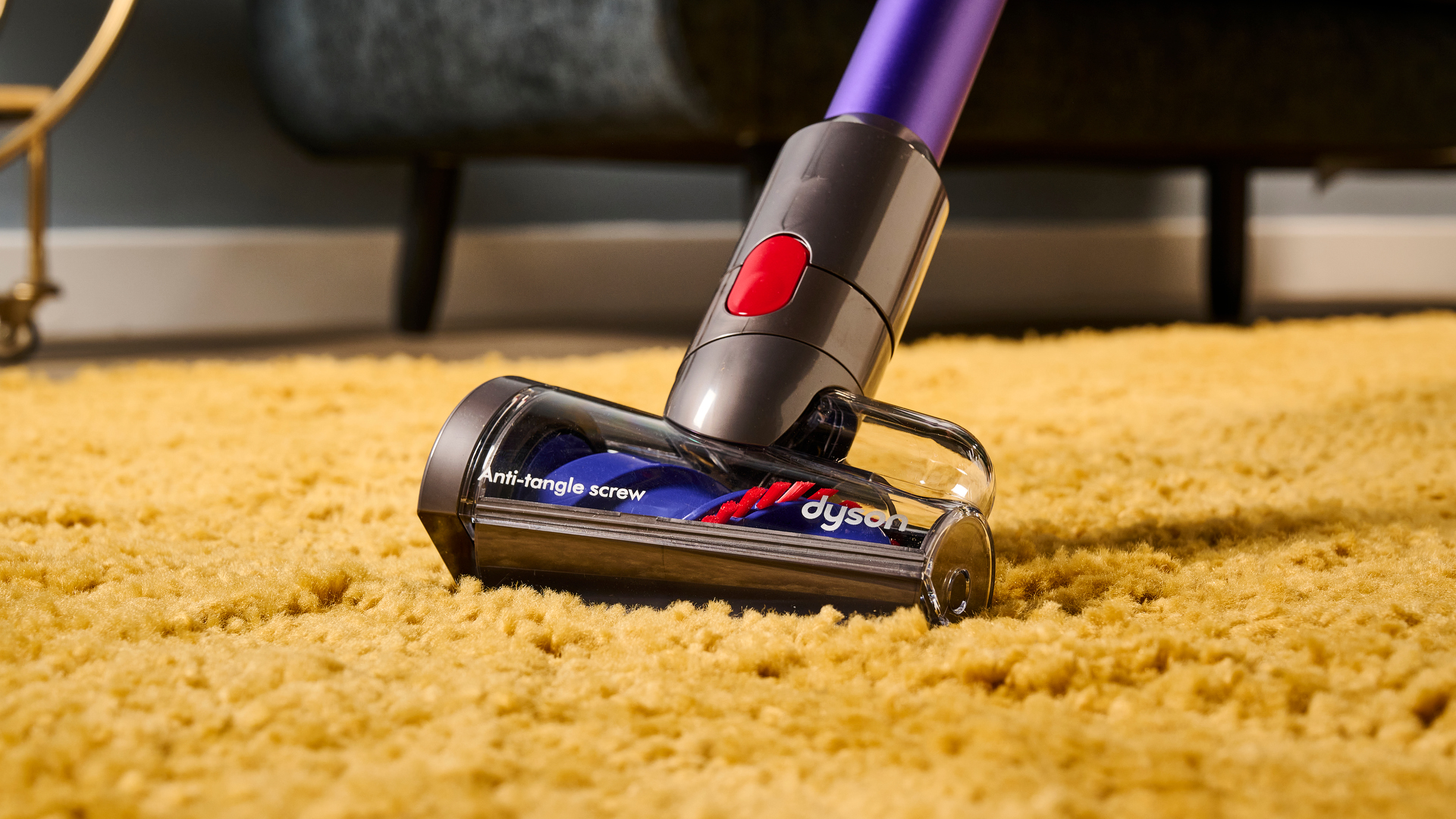
Most Dyson machines are equipped with sensors that will trigger a warning if the airflow is restricted. To avoid motor strain, filters should be washed with cold water once a month and allowed to dry completely for at least 24 hours. Using a damp filter can damage the digital motor and void your warranty. Additionally, checking the brush bar for tangled hair or debris ensures the high-torque motor isn't working harder than necessary, which preserves battery health.
If your machine pulse or stops, it is usually a sign of a blockage rather than a mechanical failure. Check the "bin inlet," the wand, and the cleaner head for obstructions. By 2026, the Dyson MyDyson app provides real-time diagnostic data via Bluetooth, showing you exactly where a blockage is located or when a filter needs replacing.
Frequently Asked Questions (FAQ)
Why is the Dyson Airwrap so much more expensive than other hair stylers?
The Airwrap uses the "Coanda effect" to style hair with air rather than extreme heat, protecting hair health. This requires a high-pressure V9 digital motor and precise thermal sensors that check the temperature 40 times per second, technology that cheaper stylers lack.
Does Dyson ever go on sale?
Dyson rarely offers deep discounts, but you can typically find 10-20% off during major retail events like Black Friday or through Dyson’s own "Owner Rewards" program. Refurbished units sold directly by Dyson are also a popular way to save money while maintaining a warranty.
Are Dyson batteries replaceable?
Yes, most Dyson cordless vacuums now feature "click-in" batteries that can be swapped in seconds. While a replacement battery from Dyson is expensive, it is a much more sustainable and cost-effective option than replacing the entire machine.
Why does Dyson spend so much on robotics?
Dyson views the future of the home as a fully autonomous environment. Their investment in robotics, seen in the 360 Vis Nav and subsequent 2026 models, is intended to create machines that can navigate complex floor plans better than a human, requiring massive investments in vision systems and sensors.
Is the Dyson Zone or its successors worth the price?
The Dyson Zone (wearable air purifier and headphones) represents their foray into personal environmental control. The price reflects the miniaturization of motors and filtration systems into a wearable format, a feat of engineering that hasn't been replicated by competitors.
Conclusion: The Price of Innovation
In 2026, a Dyson remains a high-status purchase, but the cost is rooted in genuine technical superiority. You are paying for the thousands of hours of engineering that went into the motor, the medical-grade filtration that protects your home’s air quality, and the durability of premium materials. While there are "Dyson killers" and cheaper alternatives on the market, they rarely match the total package of power, filtration, and longevity that a Dyson provides. If you value high-performance tools and are willing to pay for a product that is engineered to last, the Dyson investment remains one of the most sound decisions in the home appliance market.
Image Gallery