The Ultimate Guide to Animals to Crochet: 2026 Amigurumi Trends and Technical Techniques
Crocheting animals, technically known as amigurumi, involves creating small, stuffed yarn creatures using a crochet hook and the single crochet stitch. To succeed in 2026, crafters focus on "no-sew" designs, velvet textures using cheni...
Crocheting animals, technically known as amigurumi, involves creating small, stuffed yarn creatures using a crochet hook and the single crochet stitch. To succeed in 2026, crafters focus on "no-sew" designs, velvet textures using chenille yarn, and eco-friendly recycled fibers. Whether you are seeking beginner-friendly spheres or complex realistic sculptures, this guide provides the technical specifications and patterns required for modern toy making.
Contents
While "animals to crochet" can occasionally refer to taxidermy-style wall mounts, the vast majority of search intent is centered on amigurumi—the Japanese art of knitting or crocheting small, stuffed yarn creatures. This guide focuses 100% on the tools, techniques, and specific patterns for creating high-quality stuffed animals suitable for gifts, decor, or professional sales.
Technical Foundations for 2026 Amigurumi
In 2026, the standard for amigurumi has shifted toward high-density fabrics that prevent stuffing from showing through. Achieving this requires a specific ratio between your hook size and yarn weight. Unlike garments, where drape is essential, amigurumi requires a stiff, structured fabric.
Standard Yarn and Hook Pairings
The most common mistake in animal crochet is using the hook size recommended on the yarn label. For amigurumi, you must downsize your hook significantly.
- Worsted Weight (Size 4 Cotton/Acrylic): Use a 2.5mm to 3.25mm hook. This is the gold standard for durability and detail.
- Super Bulky Chenille (Size 6 Polyester): Use a 4.5mm to 5.5mm hook. This creates the "plushie" style popular on social media.
- Lace Weight (Size 0-1): Use a 0.6mm to 1.25mm hook. This is for "micro-amigurumi," a specialized niche for collectors.
Essential Material Specifications
To meet the toy safety standards of 2026 (such as the updated ASTM F963 in the US or EN71 in the EU), materials must be chosen carefully.
- Stuffing: High-resilience polyester fiberfill is standard, but 2026 trends favor sustainable corn-based or bamboo-based batting.
- Safety Eyes: Plastic washers that lock into place. For 2026 safety compliance, these are generally avoided for children under three years old, replaced by embroidered eyes.
- Stitch Markers: Essential for working in continuous spirals, which is the standard construction method for crochet animals.
Essential Techniques for Animal Construction
Before attempting specific animals, you must master the four pillars of amigurumi construction. These technical maneuvers ensure your animals are symmetrical and professional.
The Magic Ring (Adjustable Loop)
Almost all crochet animals begin with a Magic Ring. This technique allows you to pull the center hole completely shut, preventing stuffing from escaping the top of the head or limbs. In 2026, the "double magic ring" is preferred for extra security in toys intended for heavy play.
The Invisible Decrease (Inv Dec)
Standard decreases (sc2tog) often leave gaps or bumps in the fabric. The invisible decrease is performed by inserting the hook into the front loops only of the next two stitches. This creates a seamless reduction in circumference, essential for the rounded curves of animal bodies.
Working in Continuous Rounds
Unlike traditional crochet, which uses a "slip stitch and chain" to end a round, amigurumi uses continuous spirals. This prevents a visible "seam" from running down the back of your animal. A stitch marker must be moved every round to track the beginning of the circuit.
Tension Management and the "Right Side"
Crochet fabric has a "right side" and a "wrong side." The right side has stitches that look like little "Vs," while the wrong side looks like "horizontal bars." Ensure your animal is not "inside out" before stuffing, as the right side provides the tightest surface tension to contain the fiberfill.
Top Animals to Crochet in 2026: From Beginner to Advanced
The following projects represent the most searched and trending designs for the 2026 calendar year.
Level 1: Beginner-Friendly Animals (Geometric Shapes)
The Chunky Bee
The bee remains the entry-point project for 2026. It is essentially a pill-shaped cylinder. Using yellow and black stripes, you learn the basics of color changing. By using super bulky chenille yarn, a beginner can complete a high-value plushie in under 40 minutes.
The Round Bird (The "Borb")
A perfectly spherical bird teaches the "6-12-18-24" increase pattern. This mathematical foundation is used for almost every animal head in existence. It requires minimal assembly, as the wings and beak are often crocheted directly onto the body.
Level 2: Intermediate Animals (Complex Anatomy)
The Axolotl
A massive trend continuing into 2026, the axolotl requires "no-sew" techniques for the external gills. This involves using "surface crochet" or "bobble stitches" to create texture without needing a tapestry needle for assembly.
The Highland Cow
This animal focuses on texture. Using "loop stitches" or "brushed acrylic" techniques, the crafter creates a shaggy coat. This project is a benchmark for learning how to manipulate yarn fibers after the crochet work is finished.
Level 3: Advanced Animals (Realistic and Articulated)
The Poseable Dragon
Advanced 2026 patterns incorporate wire armatures (usually plastic coated) inside the crochet fabric. This allows the animal to be posed. These projects involve complex color-pooling and "scales" created using the crocodile stitch.
Realistic Forest Wildlife
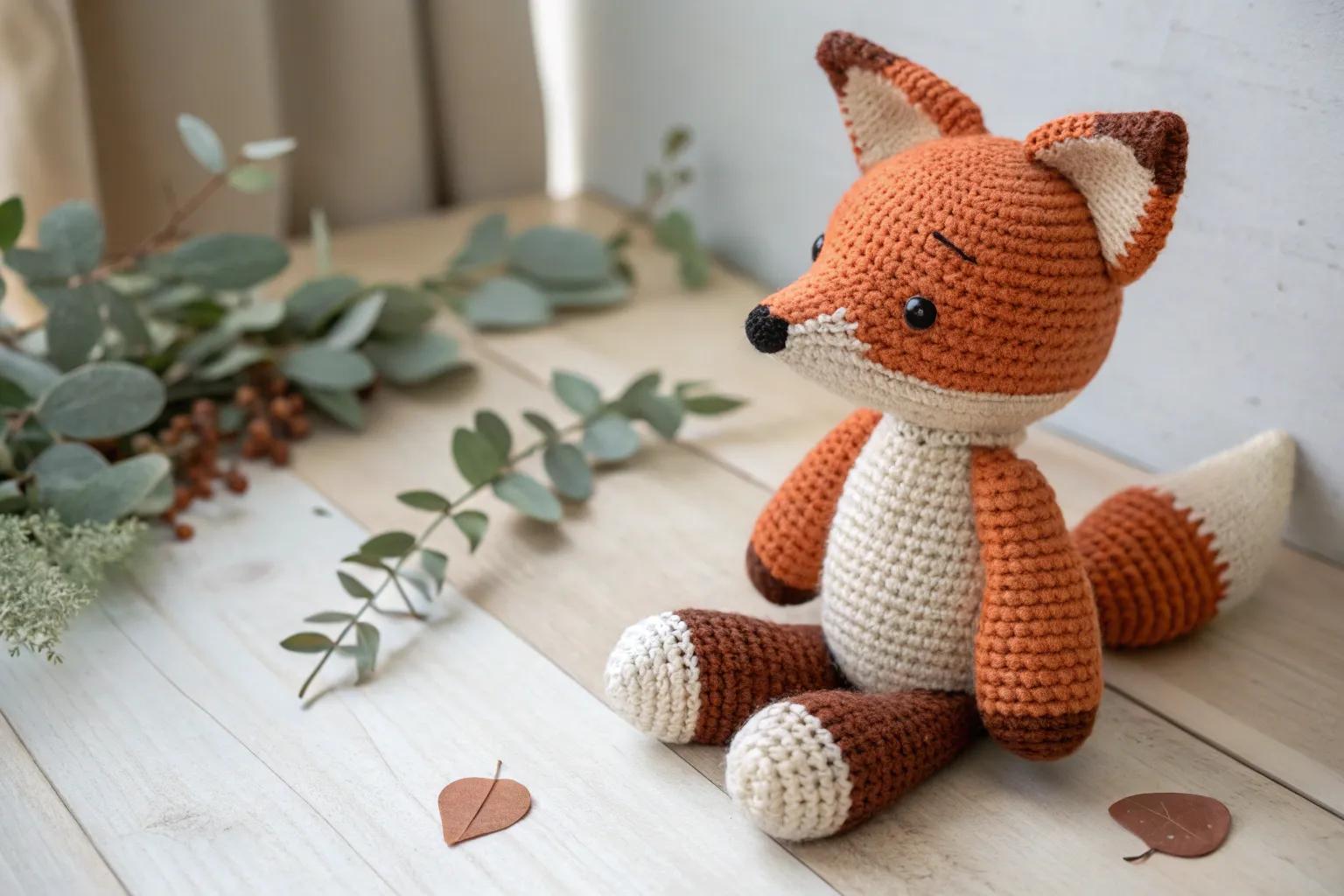
Using variegated yarns and intricate increases/decreases, these patterns mimic the muscle structure of foxes, wolves, or deer. They often require "felting" techniques for detailed facial features like muzzles and ears.
Comparison of Animal Crochet Styles and Requirements
The following table outlines the technical requirements for the most popular styles of crochet animals in 2026.
| Animal Style | Common Yarn Type | Difficulty | Avg. Construction Time | Key Skill Required |
|---|---|---|---|---|
| Amigurumi Plushie | Chenille / Velvet | Low | 1–3 Hours | Working with bulky yarn |
| Classic Cotton Toy | Mercerized Cotton | Medium | 5–10 Hours | Tight tension control |
| Micro-Amigurumi | Embroidery Floss | High | 15+ Hours | Magnification usage |
| Realistic Wildlife | Brushed Acrylic | High | 20+ Hours | Wire armature insertion |
| No-Sew Hybrid | Cotton Blend | Medium | 2–4 Hours | Complex stitch placement |
2026 Market Analysis: Selling Crocheted Animals
For those looking to monetize "animals to crochet," the 2026 landscape is highly competitive but lucrative for specialists. Standard pricing formulas have moved away from "3x materials" toward "hourly rate + overhead."
- The Plushie Market: Small, 4-inch bees and whales sell for $15–$25 at local markets. Their low production time (30 mins) makes them the highest-margin items.
- Custom Pet Portraits: High-end crafters offer 1:1 replicas of customers' dogs or cats. These advanced projects command prices between $150 and $450 depending on realism.
- Pattern Design: Passive income in 2026 is driven by selling PDF patterns. Successful designers focus on "tested" patterns that include video links for difficult maneuvers.
Troubleshooting Common Amigurumi Issues
Even experienced crafters encounter technical failures when crocheting animals. Here are the 2026 industry-standard remedies.
- Gaps in the Fabric: If stuffing is visible, your hook is too large. Decrease your hook size by 0.5mm. Alternatively, try the "yarn under" (YU) technique instead of "yarn over" (YO), which creates a tighter, more square-shaped stitch.
- The "Leaning" Seam: Because crochet stitches naturally slant to the right, limbs or stripes may appear crooked. Use the "Shift Stitch" method: every few rounds, work one extra stitch and move your marker to realign the center.
- Unstable Heads: If the head of your animal flops over, the neck is under-stuffed or too narrow. In 2026, many crafters use a "neck bridge"—a small crocheted tube or a piece of foam pipe insulation—inserted into the neck for structural integrity.
Frequently Asked Questions
What is the best yarn for beginners to crochet animals?
For beginners in 2026, a 50/50 cotton-acrylic blend in a worsted weight is recommended. It provides the stitch definition of cotton with the elasticity of acrylic, making it easier on the hands while ensuring the animal holds its shape. Avoid dark colors like black or navy for your first project, as it is nearly impossible to see the stitch definition.
Is it faster to crochet or knit animals?
Crocheting is significantly faster and more popular for 3D animal construction. Crochet fabric is naturally denser and more rigid, which is ideal for holding stuffing. Knitting (often called "knitted toys") results in a stretchier fabric that often requires a fabric liner to prevent stuffing leakage, making the process more complex.
How do I make my crochet animals "no-sew"?
No-sew patterns are the dominant trend in 2026. This is achieved by crocheting the limbs and ears first, then "joining as you go" by crocheting through both the limb and the body stitches simultaneously. This eliminates the need for sewing with a tapestry needle, which many crafters find tedious and prone to misalignment.
Can I sell animals made from other people's patterns?
In 2026, the standard legal consensus is that you can sell the physical items you make from a pattern, provided you do not redistribute the digital pattern itself. However, it is a professional industry standard to credit the designer in your listing (e.g., "Pattern by [Designer Name]").
What are the safety requirements for crocheted toys?
If selling in the US or EU, toys must undergo specific safety testing. For 2026, this includes the "pull test" for limbs and the "choke hazard" test for safety eyes. Many professional makers have switched to "embroidered eyes" or "felted eyes" to bypass the strict regulations surrounding plastic safety eyes in products for infants.
Conclusion and Professional Recommendation
Crocheting animals in 2026 is a blend of traditional craftsmanship and modern material science. To produce high-quality work that stands out in the marketplace or as a gift, prioritize the "yarn under" technique for cleaner stitches and invest in ergonomic hooks to prevent strain during the tight-tension work required for amigurumi. If you are a beginner, start with a chunky chenille bee to master the magic ring and increases; if you are an expert, explore the world of wire armatures and fiber brushing to push the boundaries of what yarn can achieve.
Image Gallery