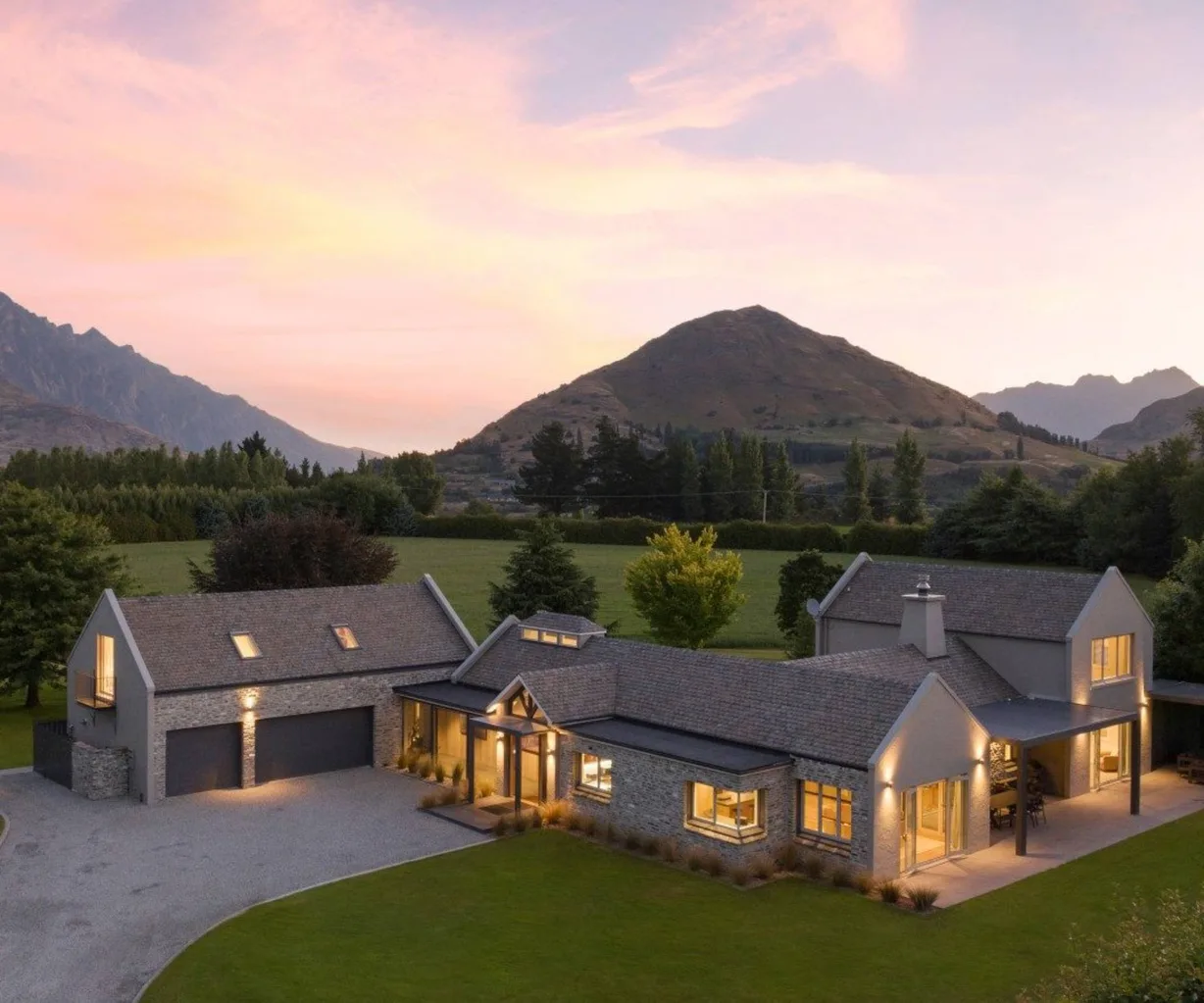
How to Navigate the Queenstown Property Market
Navigating the Queenstown property market requires a strategic understanding of New Zealand’s Overseas Investment Act, specific zoning regulations like the Proposed District Plan, and the unique liquidity challenges inherent in a high-...
Navigating the Queenstown property market requires a strategic understanding of New Zealand’s Overseas Investment Act, specific zoning regulations like the Proposed District Plan, and the unique liquidity challenges inherent in a high-end resort town. Investors must balance long-term capital growth potential against complex regulatory frameworks and high entry costs to succeed in this premium market.
Contents
Understanding the Queenstown Landscape
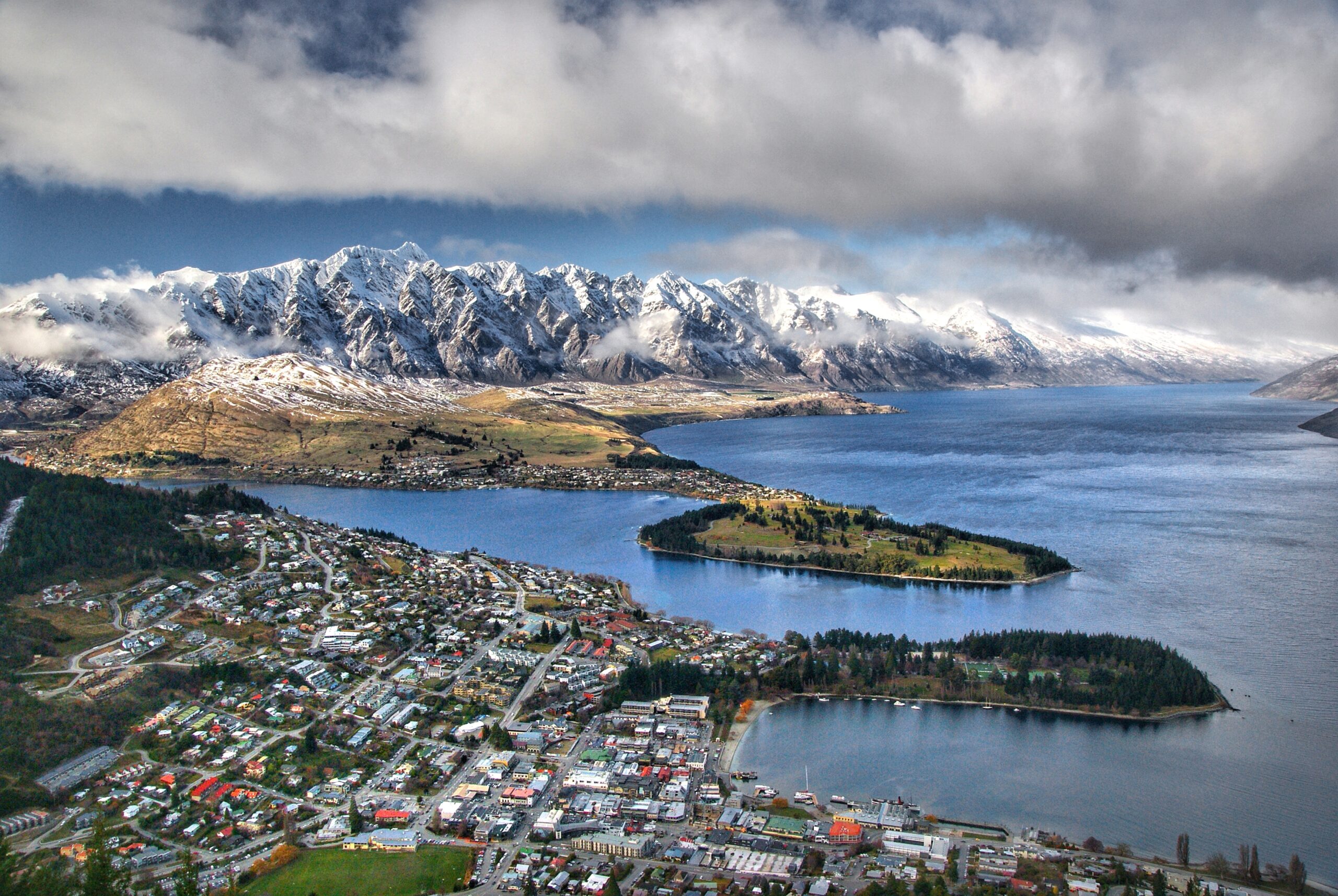
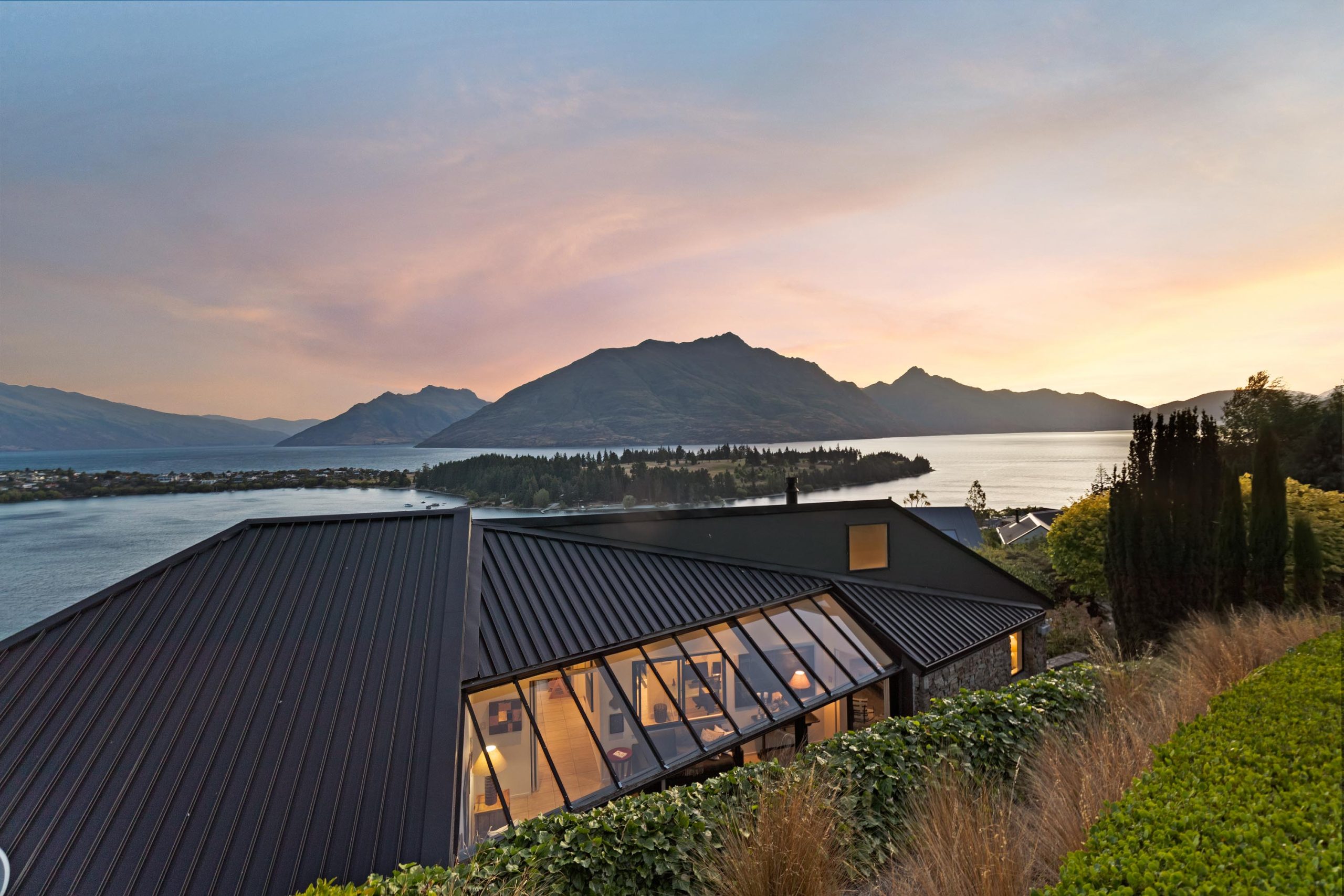
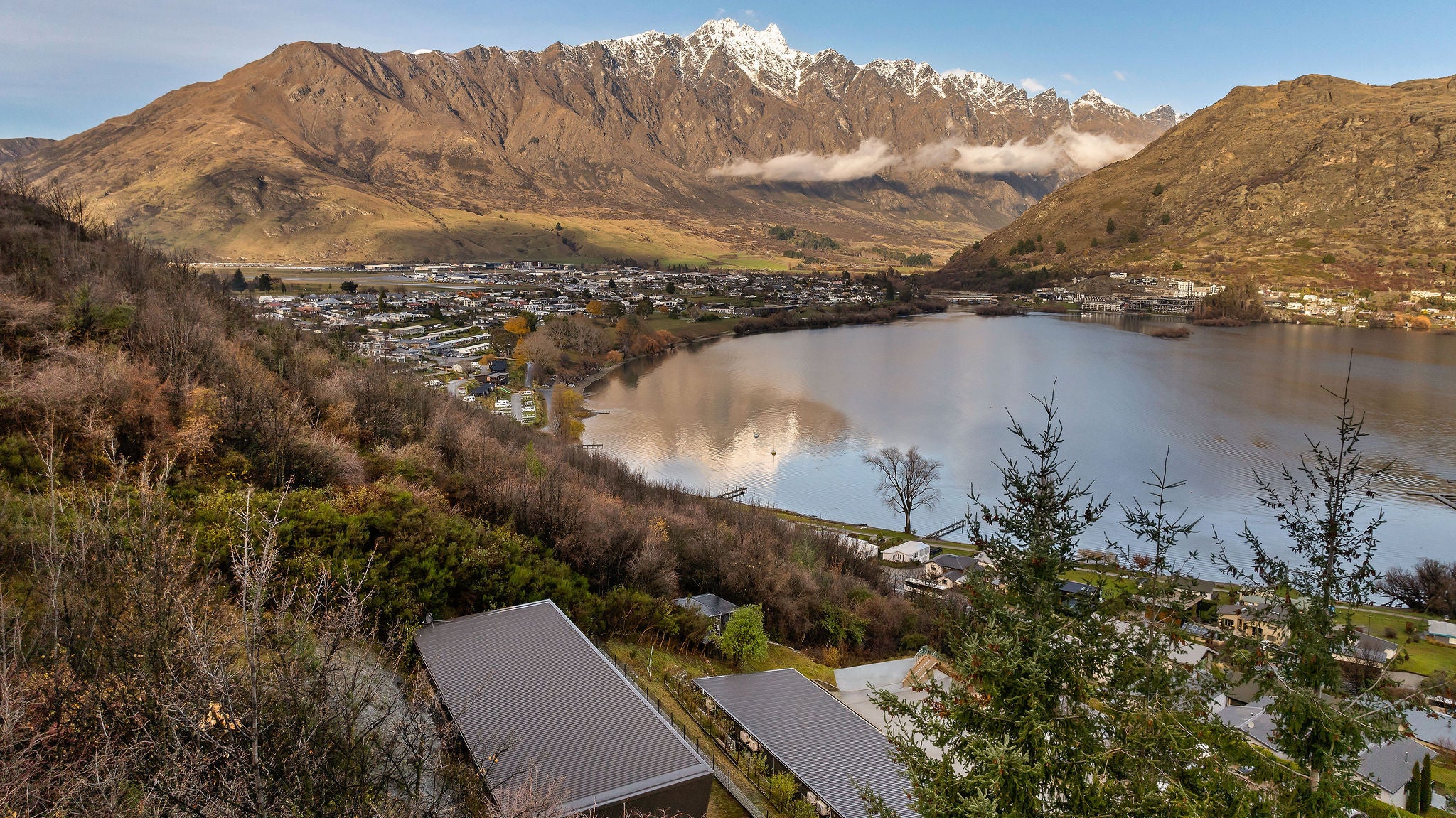
Queenstown is not a monolithic property market; it is a complex ecosystem defined by its geography, tourism-driven economy, and stringent environmental regulations. Unlike major metropolitan centers such as Auckland or Wellington, the Queenstown-Lakes District is heavily influenced by the "resort effect." This manifests as a high proportion of holiday homes, transient workforce housing requirements, and a significant premium on land that offers views of Lake Whakatipu and the surrounding Remarkables mountain range.
For the prospective buyer, the first step is distinguishing between standard residential dwellings and property subject to visitor accommodation restrictions. Many developments in Queenstown carry covenants or zoning conditions that dictate how the property can be utilized, ranging from full-time residential requirements to managed commercial hotel-style leasebacks.
Regulatory Prerequisites: The Overseas Investment Act
For non-residents or those without a New Zealand residence class visa, the most critical hurdle is the Overseas Investment Act 2005. Since 2018, New Zealand has restricted the purchase of "residential land" by overseas persons.
- Sensitive Land: Most land in Queenstown falls under the category of sensitive land due to its proximity to the lake and scenic reserves.
- The Consent Process: Unless you are a citizen, hold a residence class visa, and have been physically present in New Zealand for the required number of days over the preceding 12 months, you will likely need consent from the Overseas Investment Office (OIO).
- Exemptions: New-build apartments in certain "large-scale" developments may have pre-approved exemptions. Always verify with the vendor's legal counsel whether the specific property has an OIO exemption certificate before paying a deposit.
Strategic Zoning and the Proposed District Plan
The Queenstown-Lakes District Council (QLDC) manages growth through the Proposed District Plan (PDP). This document determines what you can build, how you can operate your property, and what your neighbors might be allowed to develop.
When browsing listings, pay close attention to the zoning classification:
- Low Density Residential: Generally restricted to standalone homes; high barriers to intensification.
- High Density Residential: Allows for higher-occupancy developments, often favored by investors looking for rental yields.
- Visitor Accommodation Sub-Zone: This is a crucial designation. If a property is not within this sub-zone, you may face significant legal hurdles—or outright prohibition—if you intend to use the property for short-term platforms like Airbnb or Bookabach beyond a certain number of days per year.
Financial Considerations and Risk Mitigation
The entry cost in Queenstown often necessitates a higher Loan-to-Value Ratio (LVR) deposit than in other regions. Because banks view Queenstown as a "specialized" market, they may apply stricter lending criteria, especially for properties with non-standard construction or those located in alpine zones prone to natural hazards.
| Risk Factor | Impact on Investment | Mitigation Strategy |
|---|---|---|
| Natural Hazards | Potential for seismic or flooding issues. | Commission a specialized geotechnical report. |
| Short-term Rental Limits | Limits income potential if not zoned correctly. | Confirm VAST (Visitor Accommodation Sub-Zone) status. |
| OIO Restrictions | High legal fees and purchase delays. | Retain a specialized property solicitor early. |
| Seasonality | Variable rental yields based on ski/summer demand. | Stress-test cash flow for off-peak months. |
Conducting Due Diligence
Due diligence in Queenstown is more rigorous than in other New Zealand markets due to the prevalence of "as-is" sales and the complexity of mountain-side titles.
- LIM Report: The Land Information Memorandum (LIM) is essential. It identifies building consents, certificates of compliance, and, crucially, any notifications regarding natural hazards like liquefaction or rockfall risk.
- Building Inspections: Never waive a building inspection in the alpine climate. Issues related to dampness, heat retention, and "leaky building" history from the early 2000s are common concerns that require a qualified inspector familiar with high-altitude construction standards.
- Body Corporate Records: If purchasing a unit-titled property, obtain the last three years of Body Corporate minutes. These documents reveal hidden costs, such as upcoming remedial work for cladding or roof replacement, which could lead to significant special levies.
Market Dynamics: Timing and Selection
The Queenstown market often operates in a counter-cyclical fashion to national trends, driven by international tourism and high-net-worth migration rather than domestic interest rates alone.
When selecting a property, prioritize the "Three Pillars of Value" in Queenstown:
- Aspect: In a town shadowed by mountains, sunlight hours are the most significant value driver. A property that retains sun in mid-winter will consistently command a higher rental and resale value.
- Infrastructure Proximity: Properties within walking distance of the CBD or the main transport routes for ski shuttles maintain higher liquidity.
- Unobstructed Views: Ensure that the view corridor is protected by covenants. Buying a view that could be obscured by a future development is a common mistake that can erase potential capital gains.
Frequently Asked Questions
1. Can I buy property in Queenstown if I am not a New Zealand citizen? Yes, but you are subject to the Overseas Investment Act. Most overseas purchasers must apply for consent from the Overseas Investment Office, unless buying specific new-build apartments with pre-approved exemptions.
2. What is the difference between residential and visitor accommodation zoning? Residential zoning is for long-term living. If you attempt to run short-term rentals (e.g., Airbnb) in a residential zone, you may be in breach of the District Plan, leading to enforcement action by the QLDC. Only properties in designated Visitor Accommodation Sub-Zones are generally permitted for consistent short-term rental use.
3. Why are bank lending criteria stricter in Queenstown? Banks consider the region high-risk due to its reliance on tourism, the potential for natural hazards (earthquakes and flooding), and the specialized nature of its high-end property stock. Expect to provide larger deposits and more extensive documentation.
4. Should I focus on the CBD or the outskirts like Arrowtown or Frankton? The CBD offers high liquidity but limited land. Frankton has seen massive growth due to its proximity to the airport and retail centers, making it the primary hub for local families and professionals. Arrowtown offers a heritage, village-style appeal that is highly sought after by lifestyle buyers. Your choice depends on whether your goal is rental yield (CBD/Frankton) or long-term capital appreciation (Arrowtown).
Next Steps for Investors
If you are moving forward with a purchase, your first practical step is to engage a local solicitor who specializes in Queenstown property law. A generalist firm may not be familiar with the nuances of the Queenstown-Lakes Proposed District Plan or the specific covenants common in local subdivisions. Once your legal representation is secured, establish a pre-approved lending limit with a bank that has a dedicated presence in the Otago region, as they will have the most relevant internal data regarding valuation benchmarks for the area.
Image Gallery