Alan Silvestri: The Creative Force Behind the Back to the Future Soundtrack
Alan Silvestri is the Academy Award-nominated composer responsible for the legendary Back to the Future score. Known for his "big" orchestral sound and rhythmic precision, Silvestri’s collaboration with director Robert Zemeckis transfo...
Alan Silvestri is the Academy Award-nominated composer responsible for the legendary Back to the Future score. Known for his "big" orchestral sound and rhythmic precision, Silvestri’s collaboration with director Robert Zemeckis transformed a high-concept time-travel comedy into a cinematic epic, creating one of the most recognizable themes in film history.
Contents
The Genesis of the Silvestri-Zemeckis Partnership
To understand the music of Back to the Future, one must first understand the creative shorthand between Alan Silvestri and director Robert Zemeckis. Their partnership is one of the most enduring in Hollywood, rivaling the likes of Spielberg and Williams or Hitchcock and Herrmann. Before 1985, Silvestri was primarily known for his work on the television series CHiPs, a gig that required a high volume of rhythmic, funk-inspired underscore.
The turning point came with the 1984 film Romancing the Stone. Zemeckis took a chance on the relatively unknown Silvestri, who delivered a synth-heavy, propulsive score that perfectly matched the film’s adventurous tone. However, when it came time to score Back to the Future, the stakes were significantly higher. The film was produced by Steven Spielberg’s Amblin Entertainment, and the expectations for the "Amblin sound"—typically characterized by soaring, traditional orchestral arrangements—meant Silvestri had to pivot from his electronic roots toward a massive symphonic palette.
Creating the "Big" Sound
One of the most famous anecdotes in film scoring history involves Robert Zemeckis’s advice to Silvestri during the pre-production of Back to the Future. Concerned that the film might feel "small" due to its focus on a teenage boy and a small California town, Zemeckis instructed Silvestri to make the score "big." He wanted an orchestral presence so grand that it would make the film feel like a sweeping epic.
Silvestri responded by assembling the Outatime Orchestra, which at the time was one of the largest ensembles ever gathered for a film score, consisting of nearly 100 musicians. The resulting music was a brass-heavy, percussion-driven masterwork that provided the necessary emotional weight to the film's time-travel stakes. As of 2026, the score remains a case study in film schools for how to use music to elevate a film's genre.
The Anatomy of the Main Theme
The Back to the Future theme is instantly identifiable, but its construction is technically complex. It is built on several key musical pillars:
- The Lydian Mode: The main theme utilizes the Lydian mode (a major scale with a raised fourth), which provides a sense of wonder, "otherworldliness," and aspiration. This is particularly effective for a story involving the miracles of science and time travel.
- The Fanfare: The opening of the theme uses a powerful brass quintet structure that signals "heroism." Unlike the darker themes of modern sci-fi, Silvestri’s fanfare is bright and optimistic.
- Rhythmic Syncopation: Silvestri’s background in jazz and television pop is evident in the theme's driving rhythm. The "ticking" motif, often played by the strings or percussion, mirrors the central theme of time and the literal clocks that populate the film.
Scoring the Trilogy: Evolution and Variation
While the first film established the primary motifs, Silvestri’s work on the sequels demonstrated his ability to adapt and evolve his musical vocabulary. Each film in the trilogy requires a different tonal approach while maintaining the core identity of the franchise.
Back to the Future Part II (1989)
The sequel is famously darker and more chaotic. Silvestri reflected this by introducing more dissonant strings and complex layering. The music for the "Alternative 1985" sequence is particularly effective, using low-register brass and unsettling arrangements to signal to the audience that the world they know has been corrupted.
Back to the Future Part III (1990)
For the final installment, set in the Old West, Silvestri leaned into his love for American folk and Western orchestral traditions. He integrated banjos, fiddles, and harmonica into the existing orchestral framework. The "Doubleback" theme (a collaboration with the band ZZ Top) was integrated into the orchestral score, showing Silvestri's versatility in blending rock-and-roll sensibilities with a 100-piece orchestra.
| Feature | Back to the Future (1985) | BTTF Part II (1989) | BTTF Part III (1990) |
|---|---|---|---|
| Primary Theme Focus | Heroic Fanfare / Discovery | Mystery / Suspense | Western Adventure |
| Orchestral Density | Large (Approx. 98 pieces) | High (More synth layers) | Medium (Folk integration) |
| Key Instruments | Trumpets, Horns, Chimes | Low Brass, Synthesizers | Fiddle, Banjo, Harmonica |
| Emotional Tone | Optimistic & Grand | Tense & Urgent | Nostalgic & Epic |
| Significant Motif | The "Delorean Reveal" | The "Dark 1985" theme | The "Clocktower 1885" |
The Technical Execution: The Clocktower Sequence
Perhaps the most famous piece of scoring in Silvestri’s career is the "Clocktower" sequence from the end of the first film. This ten-minute stretch of music is a masterclass in mickey-mousing (a technique where the music syncs precisely with the on-screen action) and building tension.
Silvestri uses a persistent, driving rhythm that acts as a metronome for the audience. As Marty McFly races the DeLorean toward the wire and Doc Brown struggles with the cables, the tempo subtly increases. The orchestration shifts from low woodwinds to screaming high brass as the lightning strike approaches. This sequence is notable because the music is doing all the heavy lifting—there is very little dialogue, and the tension is derived almost entirely from the interplay between the visuals and Silvestri’s relentless score.
Legacy and Influence in 2026
By 2026, Alan Silvestri’s influence on the film industry is undeniable. He has scored some of the highest-grossing films of all time, including The Avengers and Avengers: Endgame. Critics often point to his Back to the Future work as the template for the "Marvel sound"—the use of a strong, melodic leitmotif for a group of heroes.
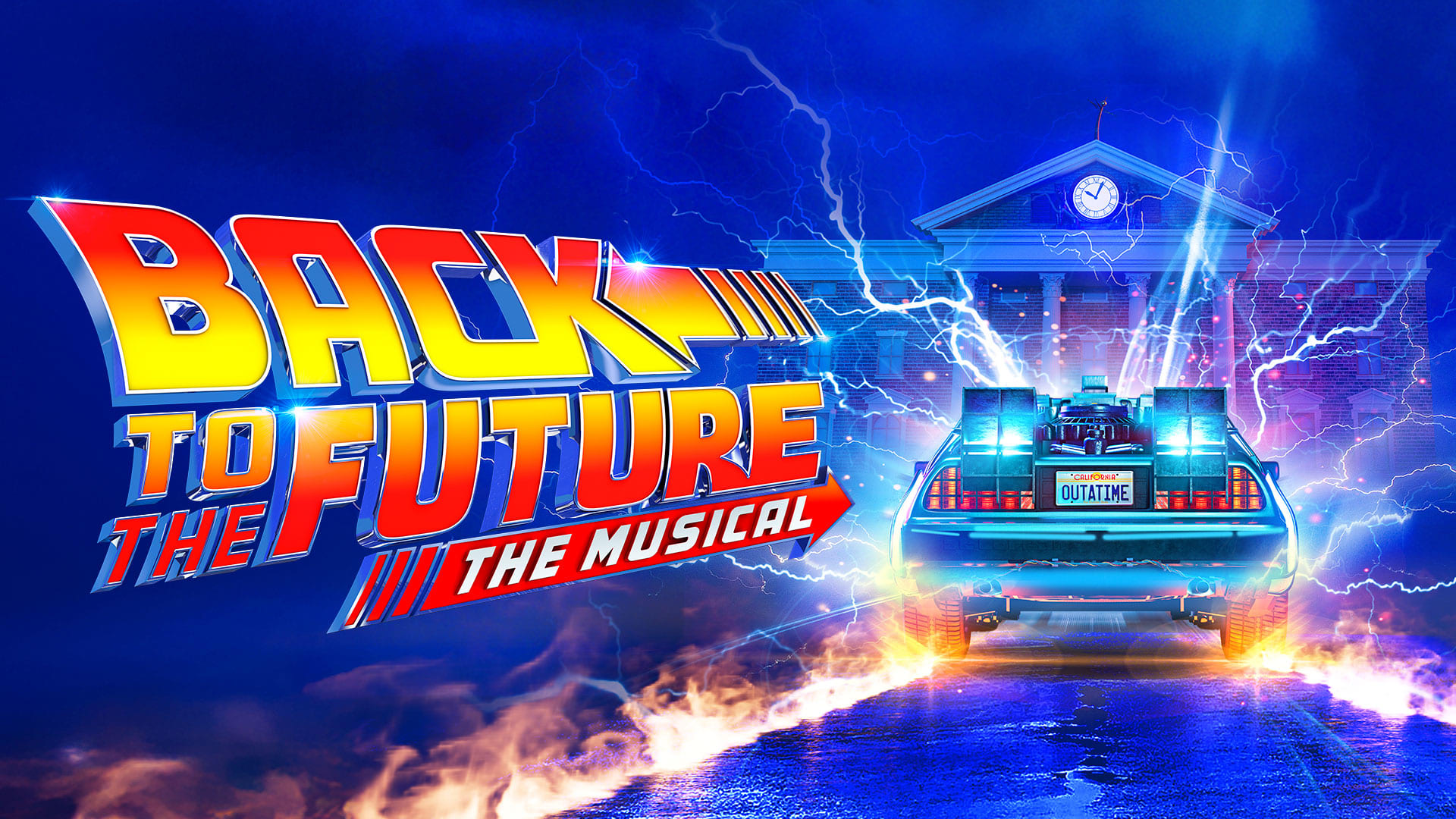
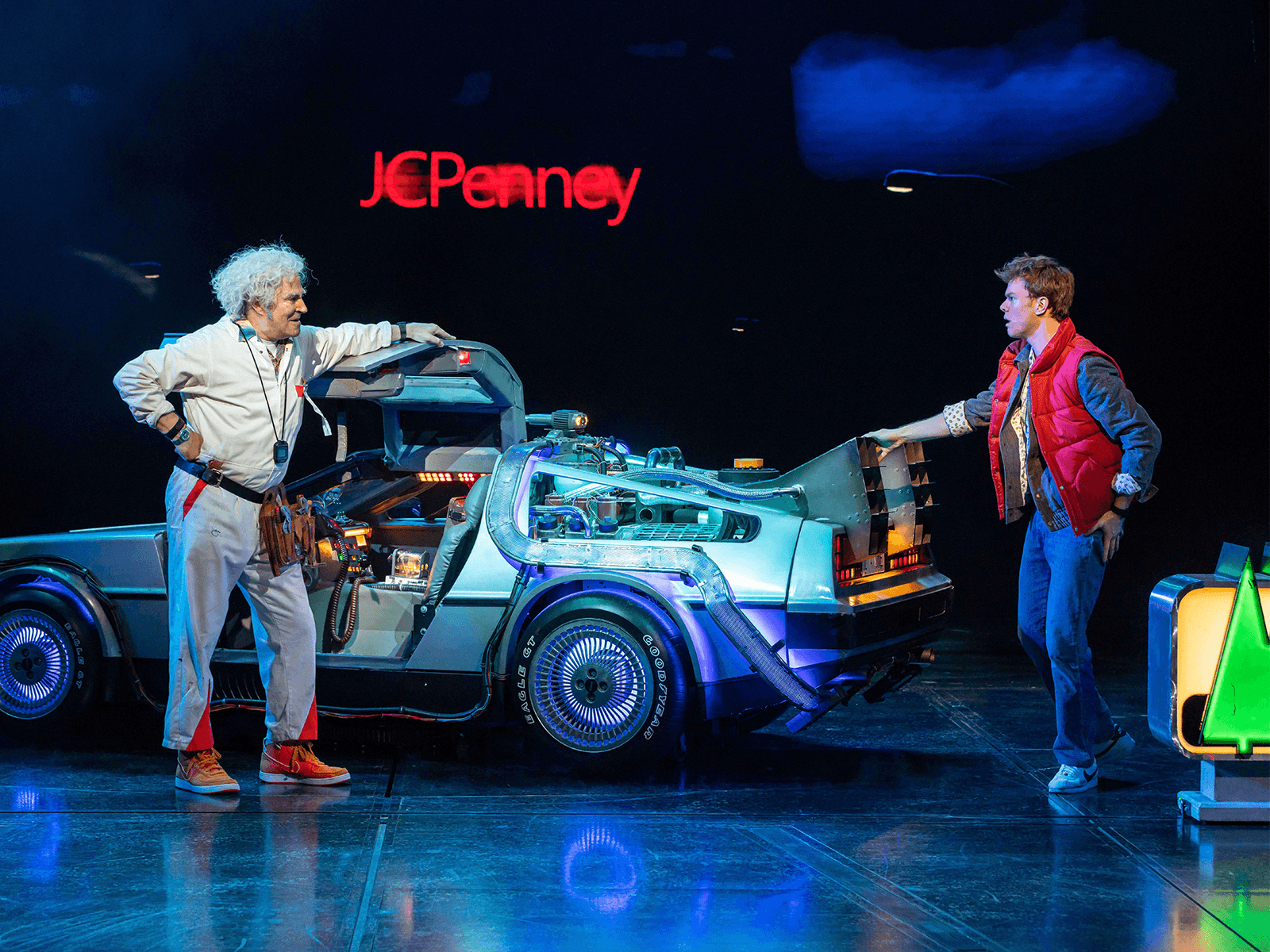
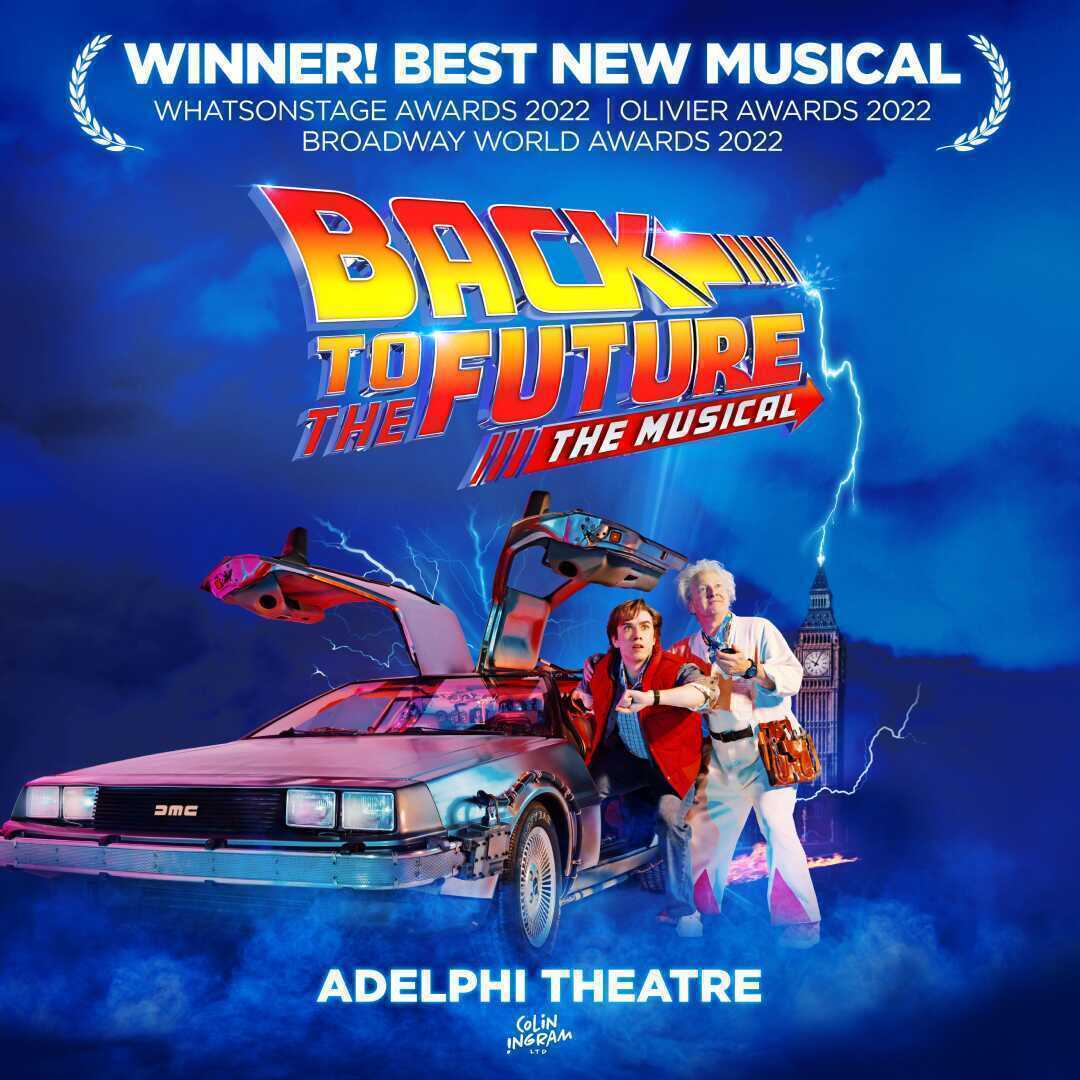
Furthermore, the Back to the Future musical, which premiered in London’s West End and subsequently moved to Broadway, features new music and lyrics by Silvestri and Glen Ballard. This transition from screen to stage solidified Silvestri's status as a composer who can bridge the gap between traditional cinematic scoring and theatrical storytelling.
Historical Context and Recognition
Silvestri has received two Academy Award nominations (for Forrest Gump and The Polar Express) and multiple Grammy Awards. While he did not win the Oscar for Back to the Future, the score is widely considered one of the greatest "snubs" in Academy history. However, its longevity in pop culture—sampled in hip-hop, performed by orchestras worldwide, and used in countless commercials—serves as its own form of validation.
Technical Specifications of the Original Recording
For those interested in the technical aspects of the 1985 recording, the sessions took place at the Universal City Studios Scoring Stage. The engineers utilized a 24-track analog recording system, which was the standard of the era. The richness of the brass in the original recording is often attributed to the room acoustics of the Universal stage and the specific placement of the microphones to capture the "bloom" of the horns.
In 2026, high-resolution remasters of the soundtrack are available in Dolby Atmos, allowing listeners to hear individual instrumental sections with a clarity that was impossible in the original 1985 theatrical release. These remasters reveal the subtle use of synthesizers—specifically the Yamaha DX7 and the Synclavier—which Silvestri used to augment the percussion and provide a shimmering quality to the chimes.
Common Misconceptions
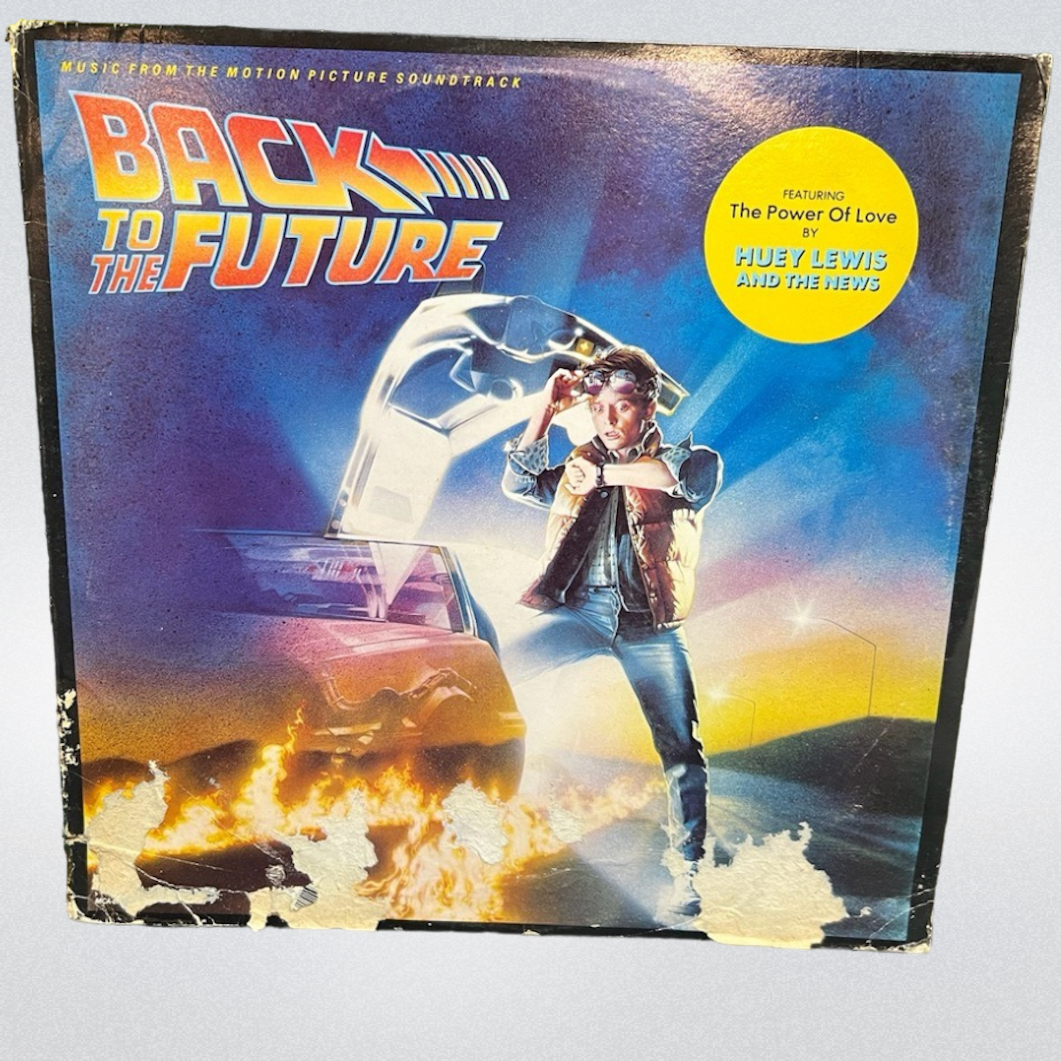
One frequent point of confusion is the relationship between the orchestral score and the pop songs in the film. While Alan Silvestri composed the entire instrumental score, the hit songs "The Power of Love" and "Back in Time" were written and performed by Huey Lewis and the News. Silvestri worked closely with the production team to ensure that the transition between his orchestral work and Lewis’s pop-rock tracks felt seamless, often matching the tempo of the score to the beat of the songs during key transitions.
Another misconception is that the theme was "recycled" from other Silvestri projects. While Silvestri has a distinct style, the Back to the Future theme was written specifically for the film after viewing early cuts of the "DeLorean in the barn" sequence. He wanted a melody that felt like it had always existed—a timeless piece of music for a film about time.
FAQ
Who wrote the Back to the Future theme?
The theme was written and conducted by Alan Silvestri. He was hired by director Robert Zemeckis after their successful collaboration on Romancing the Stone.
Is the Back to the Future music available on vinyl?
Yes, various labels, most notably Mondo, have released high-quality vinyl editions of the trilogy's score. These releases often include extensive liner notes and restored artwork.
Did Alan Silvestri win an Oscar for Back to the Future?
No, despite the score’s immense popularity and critical acclaim, it was not nominated for Best Original Score at the 58th Academy Awards. However, Silvestri later received nominations for other Zemeckis films.
What orchestra played the Back to the Future score?
The recording sessions utilized a hand-picked group of Los Angeles-based session musicians, collectively referred to as the Outatime Orchestra for the purposes of the soundtrack credits.
How did Alan Silvestri get the job?
Silvestri was a relatively new film composer when he was hired. Robert Zemeckis championed him despite the studio's initial desire for a more "established" name, such as John Williams or Jerry Goldsmith.
Was the Back to the Future theme used in other movies?
The theme has been referenced and parodied in numerous films and TV shows, including Ready Player One (also an Amblin production) and Rick and Morty. Silvestri himself often includes nods to the theme in his other works.
Summary and Next Steps
Alan Silvestri remains the definitive musical voice of the Back to the Future franchise. His ability to blend traditional orchestral grandeur with modern rhythmic sensibilities created a soundscape that is as essential to the film's success as the DeLorean itself. For fans looking to explore his work further, listening to the 30th Anniversary Expanded Edition of the soundtrack is highly recommended, as it contains previously unreleased cues and alternate takes that show the evolution of his ideas.
If you are a student of film scoring, study the Clocktower sequence with the volume high and the dialogue off. It remains the gold standard for how to write music that dictates the pace and tension of a visual medium.
Image Gallery