Judge Parker Comics: History, Evolution, and Continuity in Continuity Strips
Judge Parker is a long-running American soap opera comic strip that has captivated readers with legal drama, family intrigue, and societal commentary since its inception in 1952. Created by writer Nick Morrissey and artist Dan Heilman,...
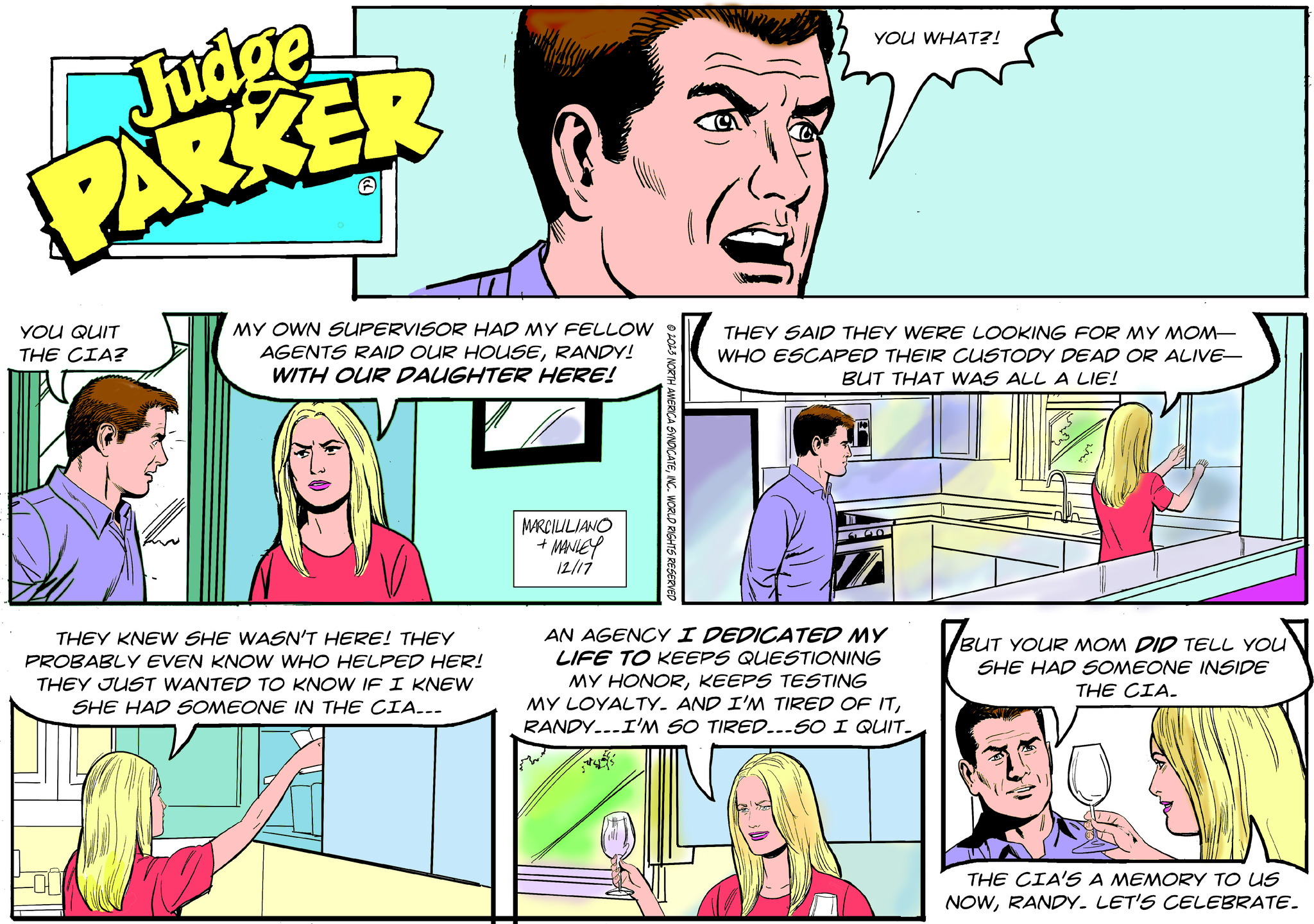
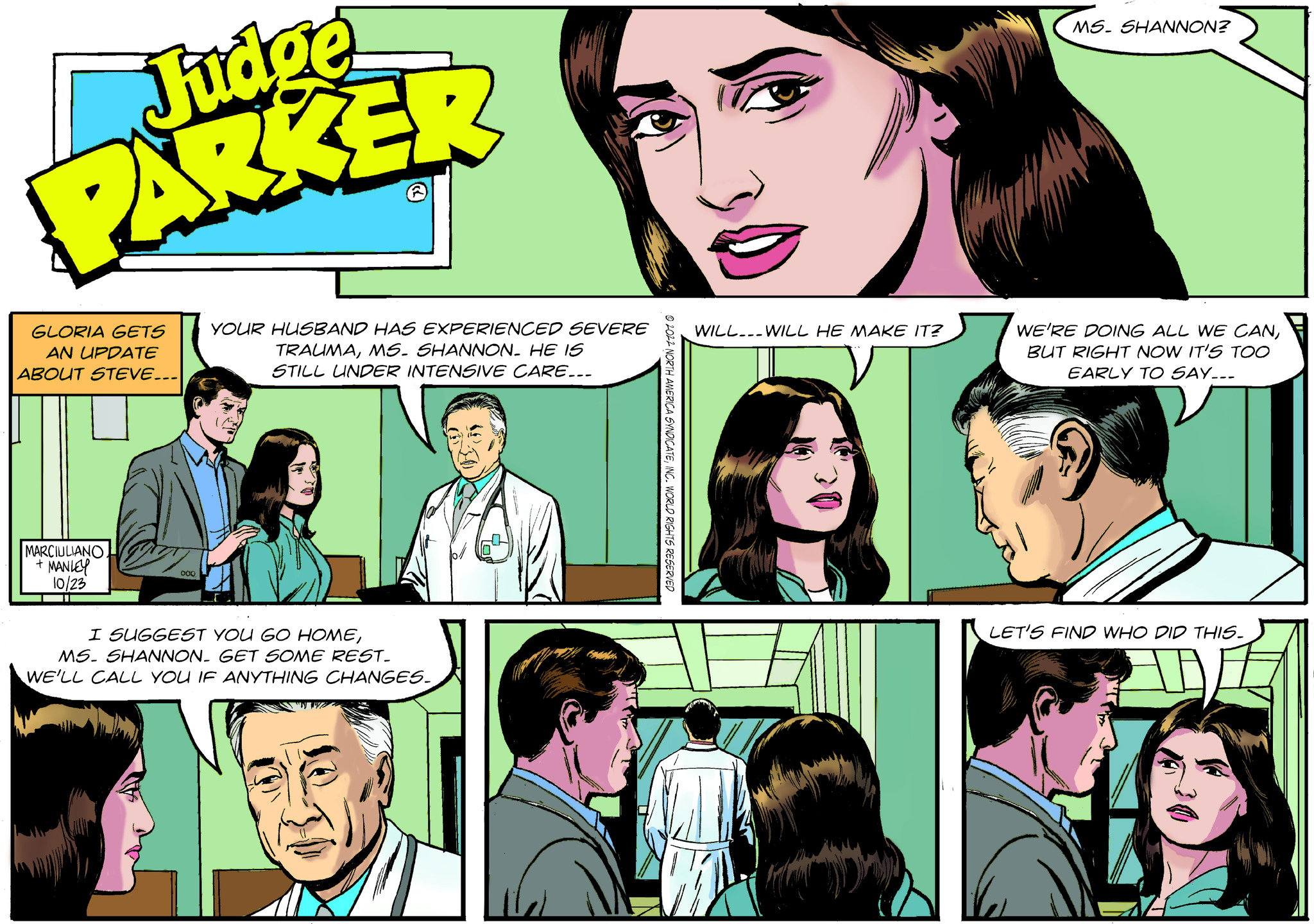
Judge Parker is a long-running American soap opera comic strip that has captivated readers with legal drama, family intrigue, and societal commentary since its inception in 1952. Created by writer Nick Morrissey and artist Dan Heilman, the strip has evolved through multiple creative teams, adapting its narrative style to reflect changing social norms while maintaining its signature focus on courtroom ethics, personal ethics, and affluent domestic life.
Contents
The Origins and Golden Era of Judge Parker
The foundational concept of Judge Parker revolved around Judge Sam Parker, a small-town magistrate known for his wisdom, fairness, and penchant for dispensing practical, philosophical justice rather than strictly rigid legal penalties. This premise allowed the strip to bridge the gap between procedural legal drama and serialized domestic melodrama.
During the mid-20th century, adventure and continuity strips dominated the newspaper syndication landscape. While contemporaries focused on detective work or science fiction, Judge Parker carved out a unique niche by focusing on the intersection of law, human relationships, and social standing. The collaboration between early creators established visual standards and pacing mechanisms that kept readers invested in multi-month storylines.
Key Historical Milestones
- 1952: Judge Parker makes its debut in American newspapers under the creative direction of Nick Morrissey and Dan Heilman.
- 1964: Dr. Nick Nichols takes over the writing duties, steering the strip toward more intricate, character-driven legal and personal mysteries.
- 1970s–1980s: The introduction of modern legal challenges and evolving family dynamics keeps the strip relevant amidst shifting cultural landscapes.
- 2007: Woody Wilson and artist Mike Manley assume control, modernizing the visual style and narrative tempo for contemporary readers.
- 2020s: The strip continues its digital and print presence under current syndication frameworks, balancing legacy print readership with online comic platforms.
Creative Evolution and Writing Shifts Over Time
The narrative voice of Judge Parker changed significantly as different writers brought their unique perspectives to the daily continuity. Unlike gag-a-day strips, a soap opera continuity strip relies heavily on long-form plotting, cliffhangers, and deep character development.
| Creative Era | Primary Writer | Primary Artist | Narrative Focus |
|---|---|---|---|
| Foundation (1952–1964) | Nick Morrissey | Dan Heilman | Small-town jurisprudence, paternal wisdom, and straightforward moral dilemmas. |
| The Golden Continuity (1964–2007) | Dr. Nick Nichols | Various (including Lou Cameron, Harold LeDoux) | Complex family estates, corporate intrigue, and expanding legal boundaries. |
| Modern Era (2007–Present) | Woody Wilson / Marsha D. Evans | Mike Manley / Eduardo Barreto | Contemporary legal technology, high-stakes finance, and fast-paced multi-part arcs. |
Transitioning through these eras required careful management of character aging and continuity. While characters evolved, the core thematic elements—integrity, justice, and the complexities of wealth—remained the anchor points for the readership.
Core Characters and Their Impact on the Narrative
The longevity of Judge Parker depends heavily on its cast of recurring characters. Over the decades, the focus shifted from Judge Sam Parker himself to his family members, legal associates, and successors, notably his adopted son and attorney, Sam Parker Jr. (Sam-Godiva dynamic), and various high-powered legal professionals.
- Judge Sam Parker: The moral compass of the early strip, establishing the standard for judicial common sense.
- Sam Parker II: The next generation, navigating modern corporate law, romantic entanglements, and high-stakes litigation.
- Abbey Parker: A central figure providing strategic insight and emotional grounding within the family dynamic.
- Supporting Legal and Corporate Figures: Various corrupt executives, ambitious attorneys, and local officials who serve as foils or catalysts for multi-month plot arcs.
Narrative Structure of Soap Opera Continuity Strips
Writing a successful daily continuity strip requires a deep understanding of pacing and audience retention. Unlike serialized novels, a comic strip delivers its story in tiny, bite-sized daily installments, usually consisting of three to four panels per weekday and a standalone or continuing layout on Sundays.
Pacing Principles in Continuity Strips: The Daily Hook: Every single daily panel sequence must conclude with a micro-cliffhanger, a sharp realization, or an unanswered question that compels the reader to check the next day's publication. Arc Modularization: Storylines are structured into distinct four-to-eight-week arcs, allowing new readers to jump in without needing decades of backstory while rewarding long-term fans with deep continuity callbacks.
The Business and Syndication of Modern Comic Strips
The production and distribution of strips like Judge Parker operate through major syndication agencies, notably King Features Syndicate. In the current media landscape, syndication models have adapted to digital consumption habits, offering web-based archives, social media integration, and digital subscription models alongside traditional newspaper print runs.
Creators must balance traditional print formatting constraints—such as strict panel dimensions and color separation rules—with high-resolution digital display standards. This dual-delivery requirement ensures that legacy readers and digital-first subscribers receive the same narrative experience.
Frequently Asked Questions About Judge Parker Comics
Who currently writes and draws Judge Parker?
The strip's recent creative direction has been guided by writers such as Woody Wilson and artists like Mike Manley, maintaining the classic soap opera continuity style established decades ago. Modern syndication is managed through King Features Syndicate, which oversees both print and digital distribution.
Is Judge Parker still published in newspapers?
Yes, Judge Parker remains an active daily and Sunday feature in numerous newspapers across North America, while also being accessible through digital comic platforms and official syndication websites.
How does Judge Parker differ from gag-a-day comic strips?
Unlike traditional comic strips that deliver a self-contained joke or punchline in every single frame, Judge Parker is a serialized soap opera. It features long-form, multi-week narrative arcs focusing on legal drama, family dynamics, and personal intrigue.
Where can I read classic Judge Parker storylines?
Readers can access historical archives through official King Features portals, specialized comic strip preservation websites, and compiled reprint volumes published by independent comic specialty presses.
What is the primary theme of Judge Parker storylines?
The strip primarily explores the intersection of law, personal ethics, family legacy, and the complications arising from wealth and power in contemporary American society.
Conclusion and Preservation of Continuity Art
Judge Parker stands as a testament to the enduring appeal of the traditional newspaper soap opera strip. By successfully navigating decades of cultural shifts, changes in authorship, and the massive transition from print-dominant media to digital dissemination, the strip maintains a dedicated following. For enthusiasts of sequential art and narrative continuity, studying the structural evolution of Judge Parker offers valuable insight into the mechanics of long-form daily storytelling.
Image Gallery