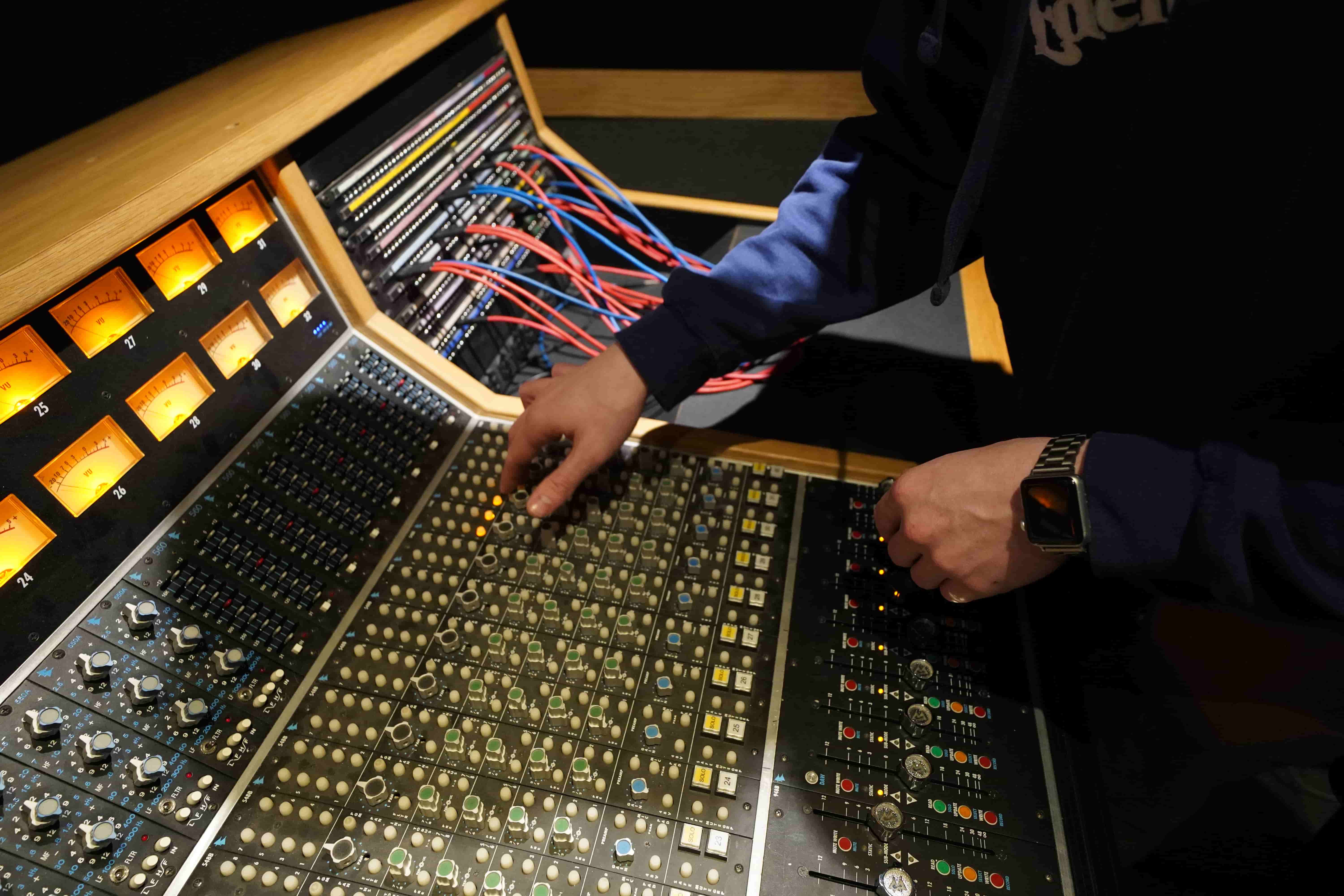
What Is Audio Engineering Really About?
Audio engineering is the technical and creative discipline of capturing, manipulating, and reproducing sound through the use of mechanical and electronic tools. It bridges the gap between the physics of sound and the art of communicati...
Audio engineering is the technical and creative discipline of capturing, manipulating, and reproducing sound through the use of mechanical and electronic tools. It bridges the gap between the physics of sound and the art of communication, ensuring that audio—whether in music, film, gaming, or live events—is clear, emotionally resonant, and technically accurate for the intended medium.
Contents
Many people mistake audio engineering for simply "pressing buttons" or "making things loud." In reality, it is a sophisticated profession that requires a deep understanding of acoustics, electronics, digital signal processing (DSP), and psychoacoustics. As we look at the industry in 2026, the role has evolved further into the realms of immersive spatial audio and AI-integrated workflows, but the fundamental mission remains the same: the mastery of sound.
The Core Pillars of Audio Engineering
To understand what audio engineering is really about, one must look past the equipment and focus on the primary objectives. An audio engineer is responsible for the entire lifecycle of a sound wave, from its birth in a physical space to its reproduction in a listener's ear.
1. The Physics of Sound (Acoustics)
At its most basic level, audio engineering is about managing energy. Sound travels as pressure waves through a medium (usually air). Engineers must understand how these waves behave—how they reflect off hard surfaces, are absorbed by soft ones, and how they phase-cancel each other out. This knowledge is applied in studio design, where the "geometry of the room" is just as important as the quality of the microphones.
2. The Art of Capture (Recording)
Recording is the process of converting acoustic energy into electrical energy (analog) or binary code (digital). This involves the use of transducers, primarily microphones. A skilled engineer doesn't just "plug in a mic"; they select a specific microphone based on its polar pattern (directionality) and frequency response to complement the source. For instance, a ribbon microphone might be chosen to smooth out the harsh high-end of a brass instrument, while a large-diaphragm condenser is used to capture the intimate details of a vocal performance.
3. Signal Flow and Processing
Once sound is captured, it travels through a "signal chain." This includes preamplifiers, compressors, equalizers, and converters. Audio engineering is about maintaining the integrity of this signal. Engineers must manage "gain staging"—the process of ensuring that the signal level is optimized at every stage of the chain to prevent unwanted noise or distortion.
The Three Stages of Production
In the professional world, the workload is typically divided into three distinct phases: tracking, mixing, and mastering. While a single person might handle all three in a home studio, in high-end commercial productions, these are often handled by specialists.
Tracking: The Foundation
Tracking is the initial recording phase. The engineer’s goal here is "source at the source." If a recording is poor at this stage, no amount of digital processing can truly fix it. This stage requires high emotional intelligence, as the engineer must manage the technical details while keeping the performers comfortable and focused.
Mixing: The Architecture of Sound
Mixing is where the individual tracks (drums, vocals, guitars, synths) are blended into a cohesive whole. It involves three-dimensional thinking:
- Height: Managed through frequency (EQ). Ensuring the bass doesn't clash with the kick drum.
- Width: Managed through panning. Placing instruments in the left or right speakers to create a stereo image.
- Depth: Managed through volume and time-based effects like reverb and delay to make some sounds feel close and others far away.
Mastering: The Final Polish
Mastering is the final step in the chain. It is about consistency and translation. A mastering engineer ensures that a song sounds just as good on a smartphone speaker as it does in a multi-million dollar club system. They handle final loudness levels according to modern streaming standards (measured in LUFS) and ensure the sonic character is consistent across an entire album.
Audio Engineering Beyond the Music Industry
While music is the most visible application, audio engineering is critical across dozens of other sectors. In 2026, these "non-music" roles represent the largest growth areas for the profession.
Sound Design for Film and Television
In film, very little of what you hear was actually recorded on set. Audio engineers, known here as sound designers or Foley artists, recreate everything from the rustle of clothing to the roar of a spaceship. This field also includes Automated Dialogue Replacement (ADR), where actors re-record their lines in a studio to ensure clarity.
Game Audio and Implementation
Unlike a movie, a video game is non-linear. The sound must change based on what the player does. Audio engineers in gaming use "middleware" like Audiokinetic Wwise or FMOD to program sounds that respond dynamically to the game environment. This requires a mix of traditional engineering and basic coding logic.
Live Sound Reinforcement
Live sound engineers work in concert halls, theaters, and stadiums. They deal with the most unpredictable variable in audio: the environment. They must manage "front of house" (what the audience hears) and "monitor mixes" (what the performers hear) while troubleshooting hardware issues in real-time.
Architectural and Forensic Audio
Some engineers specialize in designing the acoustics of office buildings or concert halls. Others work in forensics, cleaning up low-quality surveillance recordings for legal proceedings. These roles are highly technical and often require advanced degrees in acoustical physics.
The 2026 Technical Landscape: AI and Spatial Audio
The profession has reached a turning point where traditional skills meet advanced technology. Two major shifts define "what audio engineering is about" today.
The Rise of Spatial Audio
Stereo (left/right) is no longer the ceiling. With the ubiquity of Dolby Atmos and binaural rendering, audio engineering is now about 360-degree immersion. Engineers must now place sounds in a "sphere" around the listener. This has revolutionized how we approach mixing for headphones and home cinema systems.
AI-Assisted Workflows
By 2026, artificial intelligence has become a standard assistant in the studio. AI tools can now handle "tedious" tasks like noise restoration, vocal tuning, and initial balance suggestions. However, this has not replaced the engineer; it has shifted the focus toward higher-level creative decision-making. The "soul" of a mix—the decision to make a vocal feel vulnerable or aggressive—remains a human prerogative.
Comparative Roles in Audio Engineering
| Role | Primary Goal | Key Tools | Environment |
|---|---|---|---|
| Recording Engineer | High-fidelity capture | Mics, Preamps, Room Acoustics | Recording Studios |
| Mix Engineer | Balance and Clarity | DAWs (Pro Tools, Logic), Plugins | Control Rooms / Home Studios |
| Live Sound Engineer | Real-time reinforcement | Mixing Consoles, PA Systems | Venues / Festivals |
| Game Audio Designer | Interactive Immersion | Middleware, Sound Engines | Game Development Studios |
| Mastering Engineer | Final polish & translation | High-end Limiters, Precision EQ | Specialized Mastering Suites |
Essential Skills for the Modern Audio Engineer
If you are looking to enter the field, you need more than just an "ear for music." The modern professional must master a diverse toolkit:
- Critical Listening: This is the ability to hear a frequency build-up at 400Hz or identify a slight phase misalignment between two microphones. It is a skill developed over years of practice.
- Digital Audio Workstations (DAW): Proficiency in software like Avid Pro Tools, Ableton Live, or Steinberg Nuendo is mandatory.
- Signal Flow Logic: You must be able to trace a signal from the microphone through every cable, patch bay, and processor to find where a problem is occurring.
- Networking and Soft Skills: Audio engineering is a service industry. You are working with artists, directors, and producers. Being able to communicate clearly and maintain a calm environment under pressure is vital.
Frequently Asked Questions
Do I need a degree to become an audio engineer?
A degree is not strictly required, but formal education in acoustics or electrical engineering provides a significant advantage. Most employers prioritize a "portfolio of work" and proven technical competence over a diploma. However, for roles in acoustic design or hardware manufacturing, a degree is often essential.
What is the difference between a music producer and an audio engineer?
A producer focuses on the creative direction, arrangement, and performance of the music—the "what" and "why." The audio engineer focuses on the technical execution—the "how." In many modern contexts, these roles overlap, but they remain distinct functions in professional settings.
Is audio engineering a stable career in 2026?
The industry is highly competitive. While traditional studio roles have consolidated, the demand for audio professionals in gaming, podcasting, corporate communications, and virtual reality has increased. Diversifying your skill set across these sectors is the best way to ensure career stability.
How much does it cost to start an audio engineering setup?
A basic "prosumer" setup (computer, interface, microphone, and monitors) can be assembled for $1,000 to $3,000. However, a professional-grade studio environment with proper acoustic treatment and high-end conversion can cost tens or hundreds of thousands of dollars.
What is "Psychoacoustics"?
Psychoacoustics is the study of how humans perceive sound. This includes how our brains determine the direction of a sound or how we perceive "loudness" differently across different frequencies (the Fletcher-Munson curves). Understanding this allows engineers to "trick" the brain into hearing things that aren't physically there, such as deep bass on small speakers.
Next Actions and Recommendations
If you are interested in pursuing audio engineering, start by mastering the basics of signal flow. Download a free or trial version of a DAW and begin experimenting with recording your own voice or instruments. Focus on the "why" behind every change you make: Why are you using that EQ? Why are you moving that microphone?
For those looking to go professional, consider specialized certifications in software like Avid Pro Tools or immersive formats like Dolby Atmos. The industry in 2026 rewards specialists who can bridge the gap between technical precision and creative vision. Above all, protect your hearing; it is your most valuable piece of equipment.
Image Gallery