The Reality of Integrity Foundation Repair: Costs, Processes, and Expectations for 2026
The reality of professional foundation repair involves a complex combination of soil stabilization, structural engineering, and invasive site work. In 2026, homeowners can expect to pay between $4,500 and $18,000 for high-quality repai...
The reality of professional foundation repair involves a complex combination of soil stabilization, structural engineering, and invasive site work. In 2026, homeowners can expect to pay between $4,500 and $18,000 for high-quality repairs, depending on the piering method chosen and the severity of the structural settlement. Successful restoration requires addressing the underlying soil moisture issues while providing permanent vertical support through steel or concrete piers.
Contents
Foundational issues are among the most stressful challenges a property owner can face. Whether you are dealing with a company specifically named Integrity Foundation Repair or are seeking a contractor who operates with high integrity, the technical requirements of the job remain the same. Understanding the "reality" of this industry means moving past the marketing jargon and looking at the physics of soil, the engineering of piers, and the long-term financial implications of structural stabilization.
The Scientific Reality of Foundation Failure
To understand the repair process, one must first understand why foundations fail. In many regions, particularly the southern United States and the Midwest, the primary culprit is expansive clay soil. This type of soil acts like a sponge; it expands significantly when saturated with water and shrinks during periods of drought.
In 2026, climate patterns have led to more erratic "flash droughts" followed by heavy precipitation. This cycle puts immense hydrostatic pressure on a home’s concrete slab. When the soil beneath a portion of the house dries out faster than the rest—often due to large trees or poor drainage—that section of the foundation loses its support and "drops" or settles. This is known as differential settlement, and it is the core problem that foundation repair aims to solve.
Warning Signs and Diagnostics
The reality of identifying a problem early can save thousands of dollars. Professional evaluators look for specific "tells" that indicate structural distress rather than simple cosmetic settling:
- Stair-step cracks in exterior brick or masonry.
- Doors and windows that stick, swing open on their own, or have visible gaps at the top.
- Horizontal cracks in the foundation beam itself, which often indicate severe inward pressure.
- Frieze board separation, where the trim at the top of an exterior wall pulls away from the soffit.
The Technical Reality of Repair Methods
When a contractor discusses "integrity" in repair, they are usually referring to the depth and stability of the support system they install. There is no one-size-fits-all solution, but several primary methods dominate the industry in 2026.
1. Pressed Concrete Piers
This is the most common method due to its balance of cost and effectiveness. Pre-cast concrete cylinders (usually 6 inches in diameter and 12 inches long) are hydraulically driven into the ground using the weight of the house as a backstop.
- The Reality: These piers rely on skin friction. They are effective in many soil types but may struggle in areas with extremely deep "active zones" where the clay remains unstable many feet down.
2. Steel Piers
Steel piers are considered the "gold standard" of the industry. These consist of high-strength steel tubing driven all the way to a load-bearing strata or solid bedrock.
- The Reality: Steel piers are significantly more expensive and require specialized equipment. However, they are virtually immune to the soil movements that can sometimes affect concrete piers. For homes built on very deep, unstable clay, steel is often the only permanent reality.
3. Helical Piers
Helical piers look like giant screws. They are rotated into the ground with hydraulic motors. These are often used for lighter structures or in areas where the soil is sandy or lacks the density to support pressed piers.
4. Polyurethane Injection (Polyjacking)
Used primarily for interior slab settling or leveling walkways, this involves injecting a high-density foam beneath the concrete.
- The Reality: While excellent for leveling "sunken" floors inside a home, polyjacking does not provide structural support down to the stable soil layers. It is often a secondary treatment rather than a primary foundation fix.
Cost Comparisons and Financial Realities for 2026
Foundation repair is a significant investment. Prices have stabilized somewhat in 2026 after the volatility of the early 2020s, but labor and high-grade steel remains a primary cost driver.
| Repair Method | Average Cost Per Pier | Typical Total Project Range | Estimated Lifespan |
|---|---|---|---|
| Pressed Concrete Piers | $450 – $650 | $5,000 – $10,000 | 20+ Years |
| Steel Piers | $850 – $1,200 | $12,000 – $25,000 | Lifetime |
| Helical Piers | $900 – $1,300 | $10,000 – $20,000 | Lifetime |
| Polyurethane Injection | $2,500 – $5,000 (per area) | $3,000 – $7,500 | 10–15 Years |
| Drainage Systems | N/A | $2,500 – $6,000 | Varies |
Note: Prices vary by region and the depth required to reach stable soil.
The "Dirty" Reality: What Happens During Repair?
Many homeowners are unprepared for the physical reality of the repair process. It is a major construction event that temporarily transforms your yard into a job site.
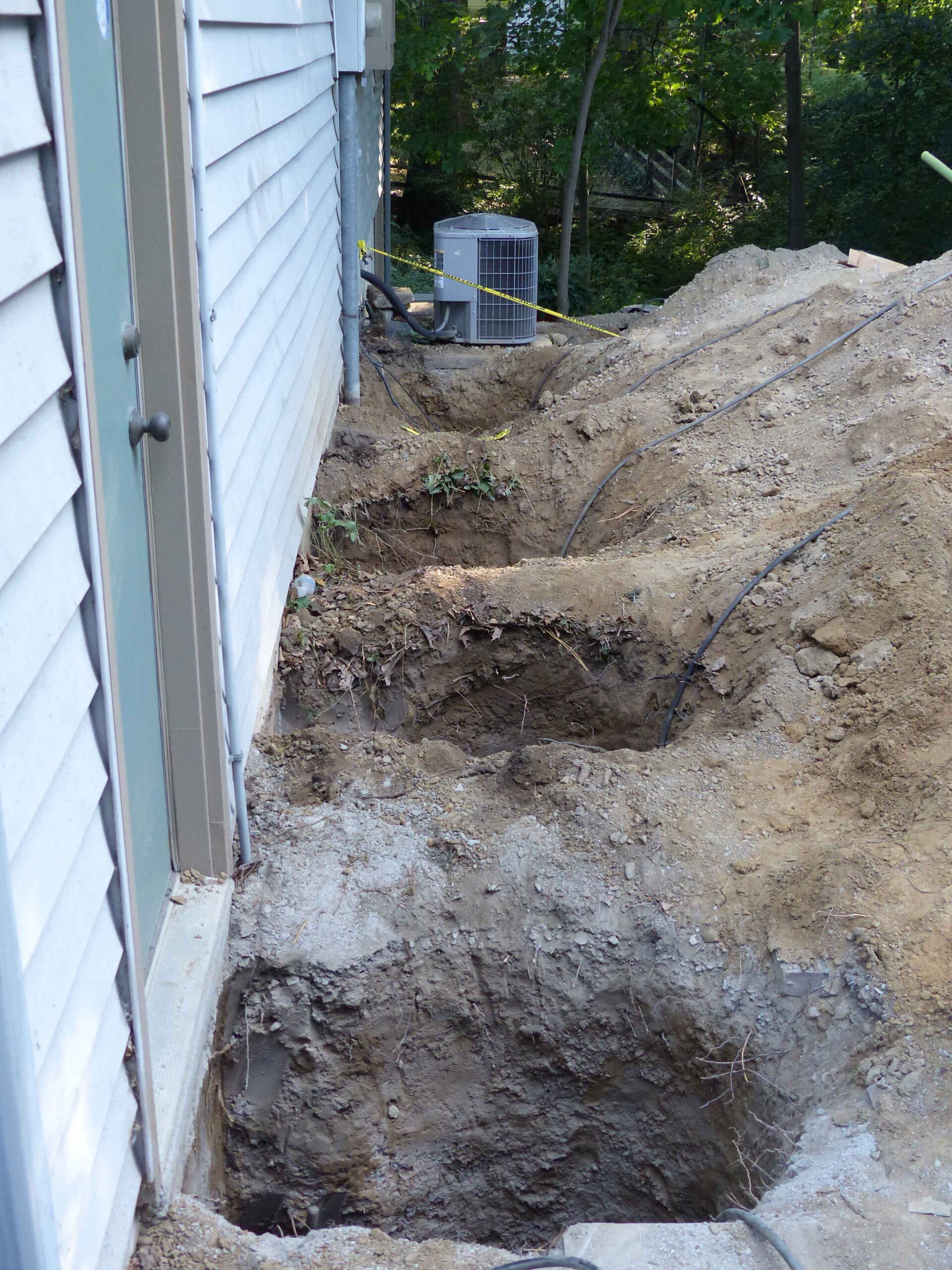
- Excavation: Workers will dig "access holes" (typically 2x2 feet) around the perimeter of your home where piers are to be installed. If your foundation has interior settling, they may need to jackhammer through your flooring to reach the slab.
- Pier Driving: Using hydraulic jacks, the piers are forced into the earth. You will hear the mechanical hum of the pumps and potentially some groaning from the house's framing.
- The Lift: This is the most critical stage. The crew uses multiple jacks to slowly bring the foundation back toward its original "level" position. The reality is that this is a "best-fit" scenario. A house that has been settled for 10 years may not return to 100% level without causing significant damage elsewhere.
- Cosmetic Fallout: As the house is lifted, existing cracks in the drywall may close, but new ones may appear. Doors that were stuck may suddenly work, but others might require re-hanging.
- Backfill and Cleanup: The holes are filled, and the soil is tamped down. However, the landscaping in those specific spots will likely need time to recover.
The Warranty Reality: Understanding the Fine Print
Most foundation companies offer a "Lifetime Transferable Warranty." While this sounds absolute, the reality is more nuanced.
- Transferability: Most warranties require the homeowner to notify the company in writing within 30 to 90 days of a home sale to transfer the warranty. Failure to do this often voids the coverage.
- Maintenance Requirements: Many warranties are contingent on the homeowner maintaining proper "soil moisture balance." This means if you stop watering your foundation during a drought and the soil shrinks away, the company may charge for "adjustments" rather than covering them under warranty.
- Company Longevity: A lifetime warranty is only as good as the company that issued it. In the foundation industry, companies frequently go out of business or change names, leaving "lifetime" warranties worthless. This is why choosing a company with a proven track record of integrity is vital.
The Role of Drainage and Maintenance
The reality of foundation repair is that the piers are only half the battle. If you do not fix the water issues that caused the failure, the repair may eventually fail or require frequent adjustments.
Surface Drainage
Water must be channeled away from the foundation. This involves ensuring the soil slopes away from the house (grading) and that gutters are clean and discharge at least 5–10 feet away from the perimeter.
French Drains and Root Barriers
In cases of high groundwater, a French drain (a trench filled with gravel and a perforated pipe) may be necessary to intercept water before it reaches the slab. Furthermore, large trees can "drink" hundreds of gallons of water a day from beneath your foundation. A root barrier—a deep vertical shield—can prevent roots from desiccating the soil under your home.
Frequently Asked Questions
Does foundation repair always lower a home's value?
Initially, it might seem like a deterrent, but a repaired foundation with a transferable warranty and an engineer's report is often more attractive to buyers than a house with active, unaddressed cracks. The reality is that a stable home is always worth more than an unstable one.
How long does the average repair take?
For a standard residential home requiring 15–20 piers, the work is usually completed in 2 to 4 days. Weather delays and interior work can extend this timeframe.
Should I get an independent structural engineer's report?
Yes. Before hiring a repair company, hiring a third-party structural engineer provides an unbiased assessment of what is actually needed. They do not have a financial incentive to sell you more piers than necessary.
Will my homeowners' insurance cover foundation repair?
In the vast majority of cases, no. Foundation repair is typically considered "maintenance" or the result of soil movement, which are standard exclusions in most policies. Coverage usually only applies if the damage was caused by a specific, sudden event like a burst pipe (hydrostatic plumbing leak).
Can I live in the house during the repair?
Yes, you can almost always stay in the home. The utilities remain connected, although there will be significant noise and vibration during the day. If interior piers are being installed, you may need to vacate specific rooms.
Moving Forward: Actionable Next Steps
If you suspect your foundation is failing, the first step is not to panic, but to gather data. Start by documenting all cracks with photos and dates to track if they are expanding. Next, consult with a licensed structural engineer to get a professional "plan of repair."
When interviewing contractors, ensure they have long-standing local references and verify their insurance and bonding status for 2026. The reality of foundation repair is that it is a permanent solution only when the science of the soil and the engineering of the piers are treated with equal importance. By focusing on drainage and selecting a robust piering method, you can ensure your home remains stable for decades to come.
Image Gallery