Understanding Why Your Left Breast and Nipple Hurts: Causes and Clinical Considerations
Pain localized to the left breast and nipple is a common clinical complaint that can stem from a wide variety of hormonal, structural, or dermatological factors. While the sensation is often alarming, most cases are attributed to benig...
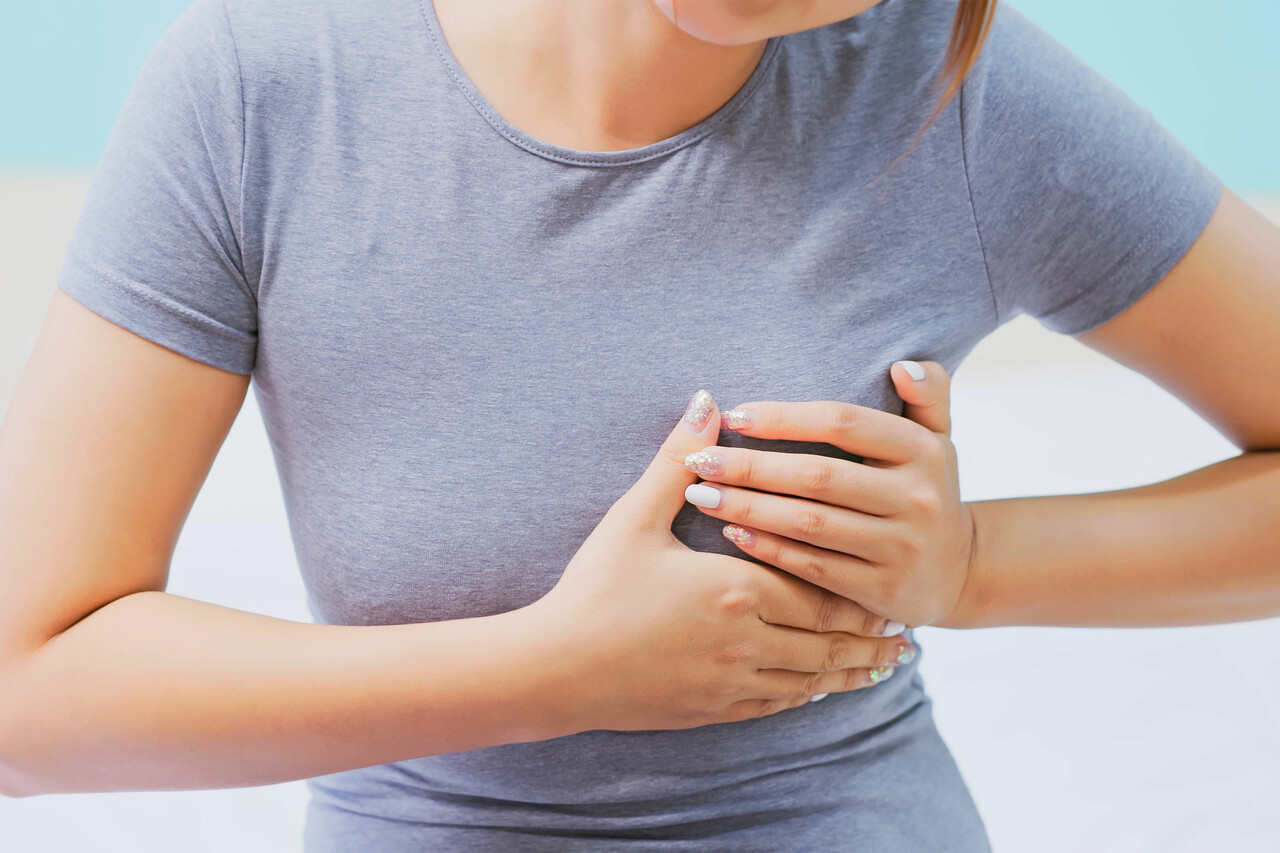
Pain localized to the left breast and nipple is a common clinical complaint that can stem from a wide variety of hormonal, structural, or dermatological factors. While the sensation is often alarming, most cases are attributed to benign physiological changes, mechanical irritation, or cyclical hormonal shifts rather than underlying malignancy. Distinguishing between cyclical, non-cyclical, and external triggers is the first step toward understanding the root cause and determining if professional medical evaluation is necessary.
Contents
Distinguishing Types of Breast Pain
Medical professionals generally categorize breast pain (mastalgia) into two primary classifications: cyclical and non-cyclical. Identifying which pattern applies to your symptoms can provide significant diagnostic clues.
Cyclical Mastalgia This form of pain is directly linked to the menstrual cycle. It typically occurs in both breasts but may feel more pronounced in one side, such as the left. The pain is often described as a dull, heavy, or aching sensation that radiates toward the armpit. It usually begins a few days or weeks before the start of a period and resolves shortly after menstruation begins. This is driven by the rise and fall of estrogen and progesterone, which cause glandular breast tissue to swell and become tender.
Non-Cyclical Mastalgia If the pain is persistent and does not fluctuate with your menstrual cycle, it is classified as non-cyclical. This type of pain is often localized to a specific area—such as the left nipple or a specific quadrant of the left breast. Because it does not follow a hormonal rhythm, the cause is frequently mechanical or structural. This can include issues like localized inflammation, nerve pain originating from the chest wall, or trauma to the area.
Common Causes of Localized Left Breast and Nipple Pain
When pain is isolated to the left side, it is natural to question if the proximity to the heart is a factor. While cardiac issues rarely manifest exclusively as breast or nipple pain, systemic symptoms should always be ruled out by a professional. More common, non-cardiac causes include:
1. Mechanical and Dermatological Triggers
- Friction and Irritation: For those who engage in high-impact activities like running or cycling, nipple friction against clothing is a common cause of pain. This can lead to chafing, cracking, or skin sensitivity on the nipple surface.
- Dermatitis and Eczema: The skin of the areola and nipple is highly sensitive. Contact dermatitis, caused by new laundry detergents, soaps, or synthetic fabrics, can lead to redness, itching, and pain.
- Infection (Mastitis or Abscess): While more common during breastfeeding, mastitis can occur in non-lactating individuals. It typically presents with redness, warmth, swelling, and localized pain. If the pain is accompanied by a fever or a palpable lump, it requires urgent medical assessment to rule out an abscess.
2. Structural and Hormonal Factors
- Fibrocystic Breast Changes: These are benign, fluid-filled sacs that can develop in breast tissue. If a cyst develops in the left breast, it can put pressure on surrounding nerves, leading to sharp, stabbing, or dull, aching pain.
- Musculoskeletal Pain: Referred pain from the chest wall (costochondritis) or back muscles can often feel like breast pain. If the pain worsens with movement, deep breathing, or pressing on the ribs, it is likely musculoskeletal rather than glandular.
- Poorly Fitting Undergarments: An underwire bra that is improperly sized or worn out can dig into the breast tissue or the nipple area. Over time, this constant pressure creates localized soreness in the specific area where the wire rests.
When to Seek Medical Evaluation
While most breast pain is benign, certain "red flag" symptoms necessitate a prompt visit to a healthcare provider. Do not wait for symptoms to worsen if you experience the following:
- Palpable Lumps: Any new, firm, or fixed mass in the breast tissue that does not move with the cycle.
- Nipple Discharge: Specifically, discharge that is bloody, clear, or spontaneous (occurring without squeezing).
- Skin Changes: Persistent redness, dimpling, puckering, or a "peau d’orange" (orange peel) texture on the breast skin.
- Unilateral Persistence: Pain that remains strictly on the left side and does not respond to lifestyle adjustments or OTC pain management after several weeks.
- Constitutional Symptoms: Fever, chills, or night sweats accompanying the localized pain.
Comparison of Potential Causes
The table below summarizes common triggers for breast and nipple pain, their typical characteristics, and the associated sensation.
| Cause | Typical Presentation | Primary Sensation |
|---|---|---|
| Cyclical Hormones | Affects both sides; fluctuates with cycle | Dull, heavy, aching |
| Bra Irritation | Localized to pressure points | Soreness, chafing |
| Fibrocystic Change | Palpable, movable lumps | Sharp, stabbing, or dull |
| Mastitis/Infection | Redness, warmth, swelling | Throbbing, tender |
| Costochondritis | Pain in ribs/sternum area | Sharp, movement-related |
| Dermatitis | Visible skin irritation/dryness | Itching, burning |
Practical Steps for Relief and Management
If your doctor has ruled out underlying pathology, you may manage minor discomfort through conservative home care:
- Supportive Apparel: Switch to a high-quality, supportive sports bra during physical activity. Ensure your daily undergarments are properly fitted; having a professional bra fitting can often resolve pain caused by wire impingement.
- Topical Care: If the nipple is sore due to friction or dryness, use a mild, fragrance-free moisturizer or a medical-grade lanolin cream to protect the skin barrier.
- Warm or Cold Compresses: For musculoskeletal or inflammatory pain, a warm compress can improve blood flow and relax muscles. A cold compress may help reduce swelling if the area feels inflamed.
- Lifestyle Modifications: Reducing caffeine intake has been anecdotally associated with reduced breast tenderness for some individuals, as caffeine can impact the sensitivity of breast tissue to hormonal fluctuations.
- Pain Journaling: Tracking your pain intensity, location, and timing relative to your menstrual cycle for two months provides valuable data for your doctor if you eventually seek a clinical consultation.
Frequently Asked Questions (FAQ)
1. Can my heart cause pain in my left breast? While heart-related pain (angina) can radiate to the chest area, it is rarely isolated to the breast or nipple. Cardiac pain is usually felt as a crushing pressure in the center of the chest. If your pain is accompanied by shortness of breath, dizziness, or radiating pain in the jaw or left arm, seek emergency medical services immediately.
2. Should I be worried about breast cancer if my nipple hurts? Pain is not a common early symptom of breast cancer. Most breast cancers are painless in their early stages. However, any persistent, unexplained change in the breast or nipple—including pain that does not resolve—should be evaluated by a physician to ensure an accurate diagnosis.
3. Why is only my left nipple hurting and not the right? Localized pain in only one nipple is often due to external factors like clothing friction, localized dermatitis, or a specific infection. Because the anatomy of the left and right breasts is independent, it is common to experience symptoms in only one breast if the cause is structural or localized.
4. How is non-cyclical breast pain diagnosed? A doctor will typically perform a physical examination to check for lumps or skin changes. Depending on your age and history, they may order an ultrasound or a diagnostic mammogram to visualize the underlying tissue and rule out cysts or other abnormalities.
5. Can stress cause breast pain? While stress does not directly cause breast pain, it can exacerbate muscle tension in the chest wall, which may be felt as breast or rib pain. Additionally, high stress can disrupt hormonal balance, potentially affecting the timing and intensity of cyclical breast tenderness.
Next Steps
If you are currently experiencing this pain, begin by evaluating your recent activities: have you changed detergents, increased physical activity, or been wearing a different bra? If the pain is sharp, accompanied by fever, or involves a palpable lump, schedule an appointment with your primary care provider or gynecologist. Document the timing of the pain, whether it feels like it is on the skin or deeper in the tissue, and any triggers that make it worse. This information will significantly assist your healthcare provider in narrowing down the cause and finding an effective solution.
Image Gallery