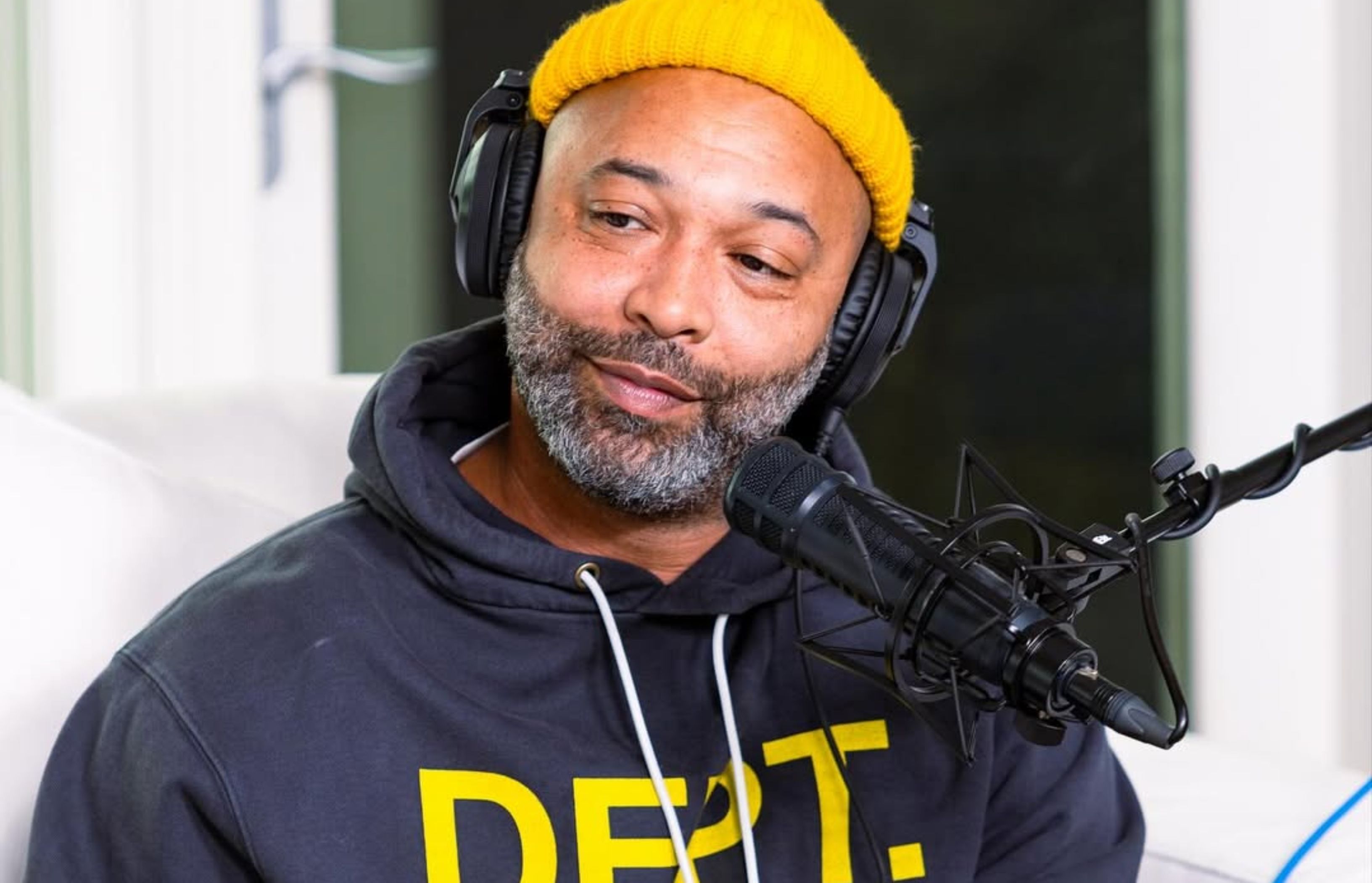
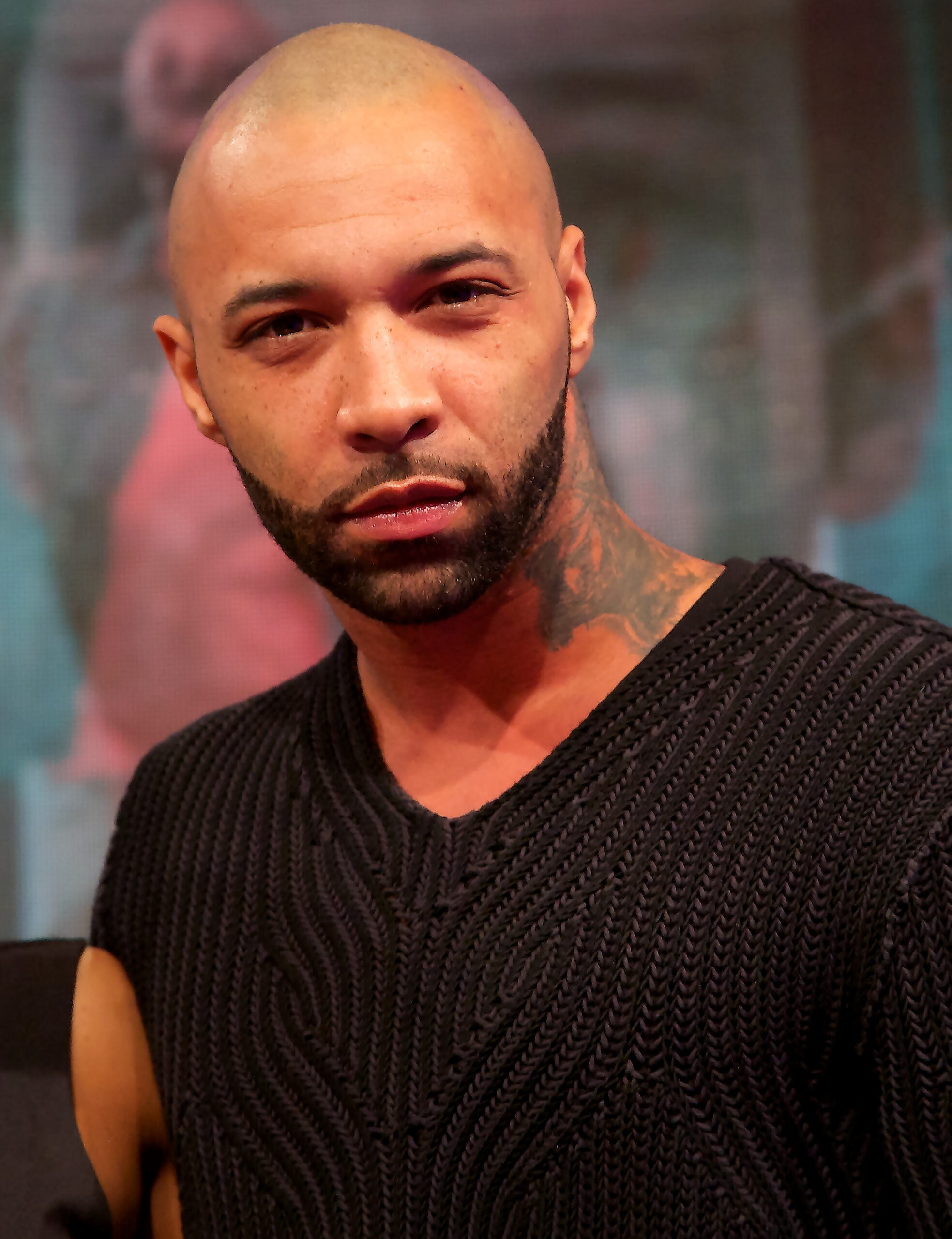
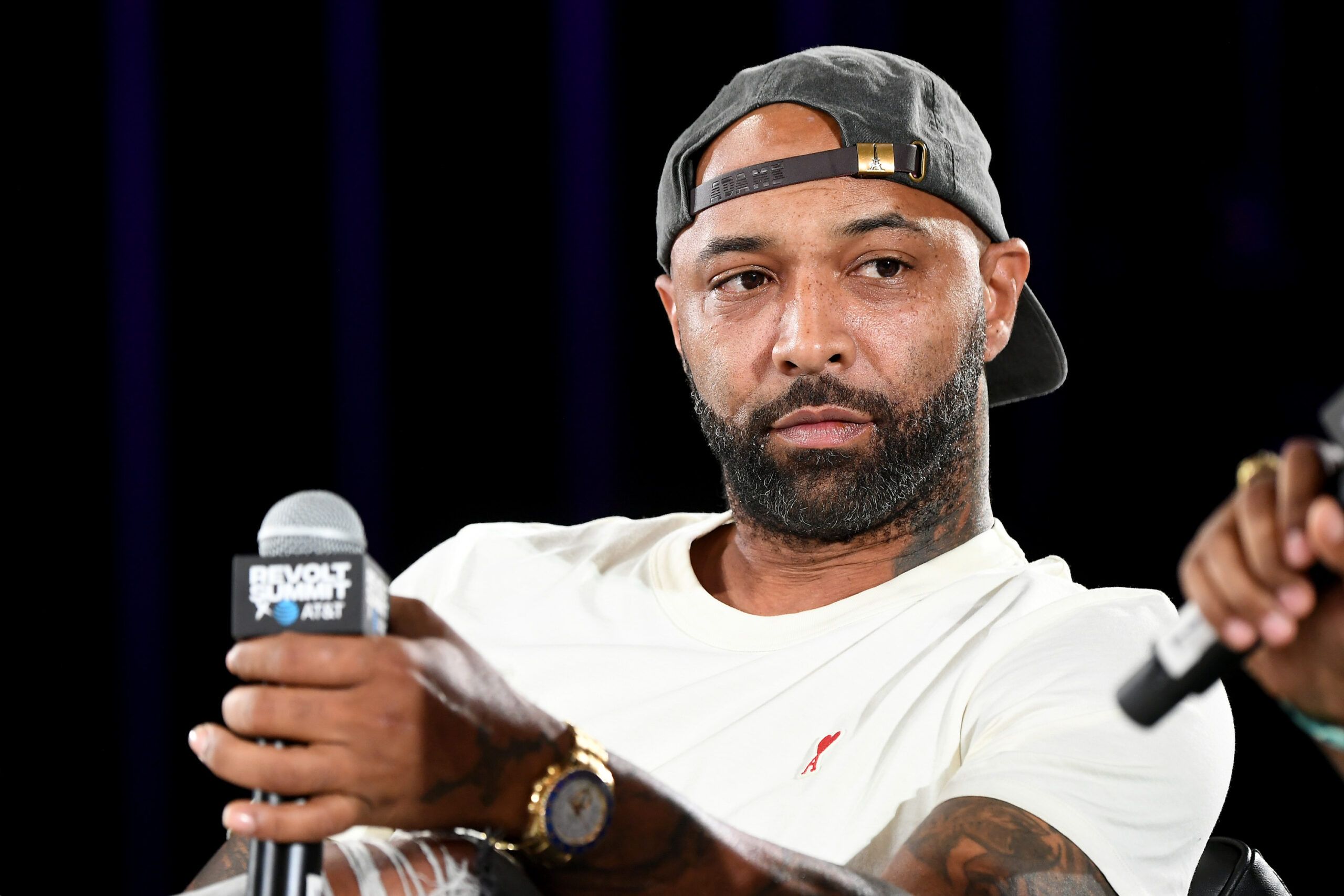
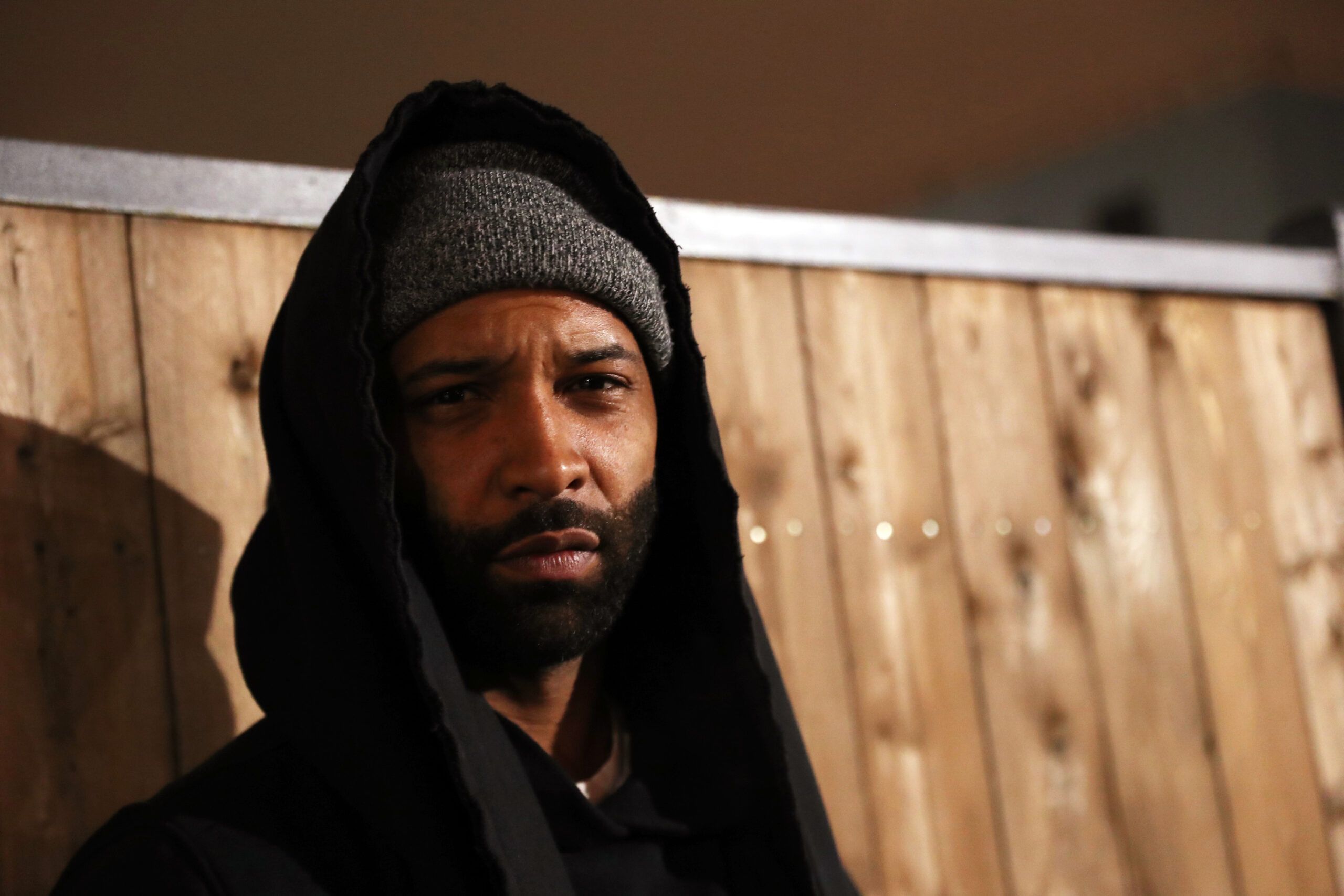
Understanding Joe Budden’s Heritage: Ethnicity and Cultural Identity
Joe Budden is an African American man. Born in New York City and raised in both Harlem and Jersey City, his heritage is rooted in the Black American experience. Both of his parents, Joseph Budden and Fay Southerland, are of African des...
Joe Budden is an African American man. Born in New York City and raised in both Harlem and Jersey City, his heritage is rooted in the Black American experience. Both of his parents, Joseph Budden and Fay Southerland, are of African descent, and throughout his high-profile career as a rapper, reality television star, and media mogul, he has consistently identified as Black.
Contents
The question of Joe Budden’s ethnicity occasionally arises due to his light skin tone and his upbringing in Spanish Harlem, a neighborhood with a high concentration of Afro-Latino residents. However, genealogical records and public statements from Budden himself confirm that his lineage is African American. As of 2026, Budden remains one of the most influential voices in Black media, often using his platform to discuss the nuances of racial identity, industry equity, and the socio-economic status of Black creators in the United States.
The Family History of Joseph Anthony Budden II
To understand Joe Budden’s identity, one must look at his familial roots. Born Joseph Anthony Budden II on August 31, 1980, he was named after his father, Joseph Budden. His father was a multi-instrumentalist who played several instruments, including the trumpet, and was deeply involved in the jazz and soul music scenes. This musical background played a significant role in Joe’s eventual entry into hip-hop, providing him with a foundational understanding of Black musical traditions.
His mother, Fay Southerland, has been a visible figure in his life and career, appearing on various iterations of his media projects and reality television shows like Love & Hip Hop: New York. Fay Southerland is an African American woman. The Budden family history is one of movement through the urban centers of the Northeast, reflecting the broader Great Migration patterns that shaped the Black population in New York and New Jersey during the 20th century.
Throughout his childhood, Budden’s household was one that celebrated Black culture and art. While the rapper has occasionally been private about the granular details of his extended family tree, there has never been any evidence or claim from him or his relatives suggesting any ethnicity other than African American. In the context of American racial definitions, Budden fits the standard classification of Black, a label he has leaned into with pride throughout his career as he transitioned from a "conscious" rapper to a disruptive media powerhouse.
The Influence of Spanish Harlem and Jersey City
Geography often plays a role in how a public figure's ethnicity is perceived. Joe Budden was born in Spanish Harlem (East Harlem), a neighborhood historically known for its vibrant Puerto Rican and Dominican communities. Growing up in "El Barrio" meant that Budden was immersed in a multicultural environment where African American and Latino cultures frequently intersected. This environment influenced his slang, his fashion, and his general cultural vernacular, which sometimes leads casual observers to assume he has Latino roots.
At the age of 13, Budden moved to Jersey City, New Jersey. This move was pivotal for his development as an artist. Jersey City offered a different dynamic of the Black experience, one that was distinct from the dense urban landscape of Manhattan. It was here that Budden began to hone his skills as a lyricist, eventually leading to his signing with Def Jam Recordings in the early 2000s.
The transition between these two locations helped Budden develop a broad perspective on Black life in America. He often references his "tri-state" upbringing as the source of his toughness and his analytical nature. While his time in Spanish Harlem gave him an appreciation for the Afro-Latino experience, his core identity remained firmly rooted in his African American household.
Why Public Curiosity About Joe Budden’s Ethnicity Persists
In the digital age, and specifically within the landscape of 2026 media, the racial identity of celebrities is often a topic of intense scrutiny. There are several reasons why fans and critics continue to ask, "Is Joe Budden Black?"
1. Physical Appearance and Colorism
In the African American community, there is a wide spectrum of skin tones due to the complex history of the diaspora. Joe Budden has a lighter complexion, which, in the eyes of those outside the community or those influenced by colorist tropes, can lead to ambiguity. In many Caribbean and Latin American cultures, people with similar complexions might identify as Mestizo or Mulatto, but in the United States, the "one-drop rule" and historical self-identification have led most individuals of such lineage to identify as Black.
2. Proximity to Afro-Latino Culture
As mentioned, his origins in Spanish Harlem and his long-term residence in the New York metropolitan area have placed him in close proximity to Caribbean cultures. Furthermore, during his time on Love & Hip Hop, he was cast alongside many individuals who identified as Afro-Latino (such as Cyn Santana or Victor Cruz). This proximity sometimes leads to "guilt by association" regarding ethnic labels, where fans assume everyone in a specific social circle shares the same heritage.
3. The Origins of the Surname
The surname "Budden" is not particularly common. While it has roots in English and Western European history, surnames among African Americans often reflect the history of the transatlantic slave trade and the adoption of European names. For some, the name does not immediately signal a specific racial identity, leading to further curiosity.
Joe Budden’s Role as a Voice for Black Creators
By 2026, Joe Budden’s legacy has shifted from his 2003 hit "Pump It Up" to his status as a titan of the podcasting industry. The Joe Budden Podcast (JBP) has become a primary forum for discussing issues that specifically affect Black people in the entertainment industry.
Budden has been a vocal advocate for "equity" and "ownership," terms he uses to describe the need for Black creators to control their own intellectual property. His public battles with major corporations like Spotify and Complex were framed not just as personal business disputes, but as a broader struggle for the fair treatment of Black artists. In these discussions, Budden speaks from the perspective of a Black man who has seen the exploitation of Black talent by predominantly white-owned corporate structures.
His advocacy for the "Black Creative" is central to his brand. He frequently discusses the "culture"—a shorthand for Black American culture—and positions himself as a protector of its integrity. If there were any ambiguity about his identity, it would likely undermine his position as a cultural gatekeeper. However, his community acceptance (or "street cred") and his consistent self-identification have solidified his place as a leading Black intellectual in the pop-culture space.
Analyzing the Joe Budden Profile
To provide a clearer picture of Joe Budden's background and career trajectory as of 2026, the following table summarizes his key biographical data.
| Feature | Details |
|---|---|
| Full Name | Joseph Anthony Budden II |
| Date of Birth | August 31, 1980 |
| Place of Birth | Spanish Harlem, New York City, NY |
| Nationality | American |
| Ethnicity | Black / African American |
| Father | Joseph Budden (African American) |
| Mother | Fay Southerland (African American) |
| Primary Career Phases | Rapper (Def Jam/Independent), Reality Star, Media Mogul |
| Notable Works | Joe Budden (2003), Mood Muzik series, The Joe Budden Podcast |
| Advocacy Focus | Intellectual Property, Equity for Black Creators, Mental Health |
Joe Budden and the Nuances of Black Identity
It is important to note that the term "Black" is an umbrella that encompasses a vast range of experiences. Budden’s identity as a Black man is informed by his specific experience as a descendant of enslaved Africans in the United States (often referred to as ADOS or Foundational Black American). This is distinct from the experience of a Black immigrant from Nigeria or a Black person from Brazil.
In his media commentary, Budden often highlights these distinctions. He has engaged in debates regarding the "diaspora wars"—the tensions between different groups within the global Black community—usually from the perspective of a New York-centric Black American. His understanding of hip-hop as a specifically Black American invention is a cornerstone of his analysis. By 2026, as the JBP Network has expanded, he has incorporated more voices from across the diaspora, yet his own identity remains a fixed point of reference.
Frequently Asked Questions
Is Joe Budden Hispanic or Latino?
No, Joe Budden is not Hispanic or Latino. While he was born in Spanish Harlem and has a deep affinity for the culture of that neighborhood, he does not have Hispanic ancestry. He is African American. His upbringing in a predominantly Puerto Rican area influenced his cultural style, but not his genetic heritage.
What is Joe Budden’s nationality?
Joe Budden is an American citizen. He was born in the United States and has lived there his entire life, primarily in New York and New Jersey. His nationality is American, while his ethnicity is Black.
Are both of Joe Budden’s parents Black?
Yes, both Joseph Budden and Fay Southerland are Black. His father is known for his history as a musician in the Black American jazz and soul tradition, and his mother has consistently identified as African American in her public appearances on television and podcasts.
Does Joe Budden speak Spanish?
While Joe Budden grew up in Spanish Harlem and is familiar with certain Spanish terms and the "Nuyorican" dialect common in New York, he is not known to be fluent in Spanish. His use of Spanish slang is a product of his environment rather than his household heritage.
Why do people think Joe Budden is biracial?
People often mistake Joe Budden for being biracial because of his light skin tone. In the U.S., there is a common misconception that all Black people have dark skin, ignoring the historical reality of genetic diversity within the Black community. Budden’s appearance is simply one of the many natural variations found among African Americans.
How has Joe Budden’s identity influenced his business?
Joe Budden has used his identity as a Black creator to build a brand centered on empowerment and transparency. He often critiques the "labels" and "gatekeepers" of the industry, arguing that Black artists are undervalued. This stance has made him a polarizing but essential figure in the 2026 media landscape, where discussions of racial equity in business are more prevalent than ever.
Summary and Final Recommendation
Joe Budden is undeniably Black, specifically of African American heritage. His life and career are reflections of the Black American experience in the late 20th and early 21st centuries. From the streets of Harlem to the boardrooms of modern media, his identity has remained a constant foundation for his public persona.
For those interested in exploring the complexities of modern Black identity and the intersection of race and media ownership, following Joe Budden’s work provides a significant case study. Whether through his historical discography or his current media network in 2026, Budden offers a raw, unfiltered look at how a Black man navigates the heights of American entertainment. To gain a deeper understanding, listeners should engage with The Joe Budden Podcast, particularly episodes where he discusses industry ethics and the history of hip-hop culture.
Image Gallery