Balancing the Books: How an Income Expense Spreadsheet Fuels Small Business Growth
Balancing the books using a structured income and expense spreadsheet provides small business owners with real-time financial clarity, helping them monitor cash flow, control operational costs, and make informed strategic decisions to...
Balancing the books using a structured income and expense spreadsheet provides small business owners with real-time financial clarity, helping them monitor cash flow, control operational costs, and make informed strategic decisions to fuel sustainable growth.
Contents
Managing a small enterprise requires more than a great product or service; it demands rigorous financial oversight. While enterprise-level organizations rely on complex, multi-tiered enterprise resource planning systems, early-stage and growing small businesses often achieve better agility by mastering the foundational tool of financial management: the income and expense spreadsheet. Far more than a simple digital ledger, a properly structured tracking document acts as the engine of financial health. It reveals where capital originates, highlights hidden operational inefficiencies, and equips owners with the precise data needed to secure funding or reinvest strategically. Navigating this process effectively requires understanding the core architecture of these spreadsheets, establishing disciplined data hygiene habits, and translating raw figures into actionable business intelligence.
Understanding the Core Architecture of an Income and Expense Spreadsheet
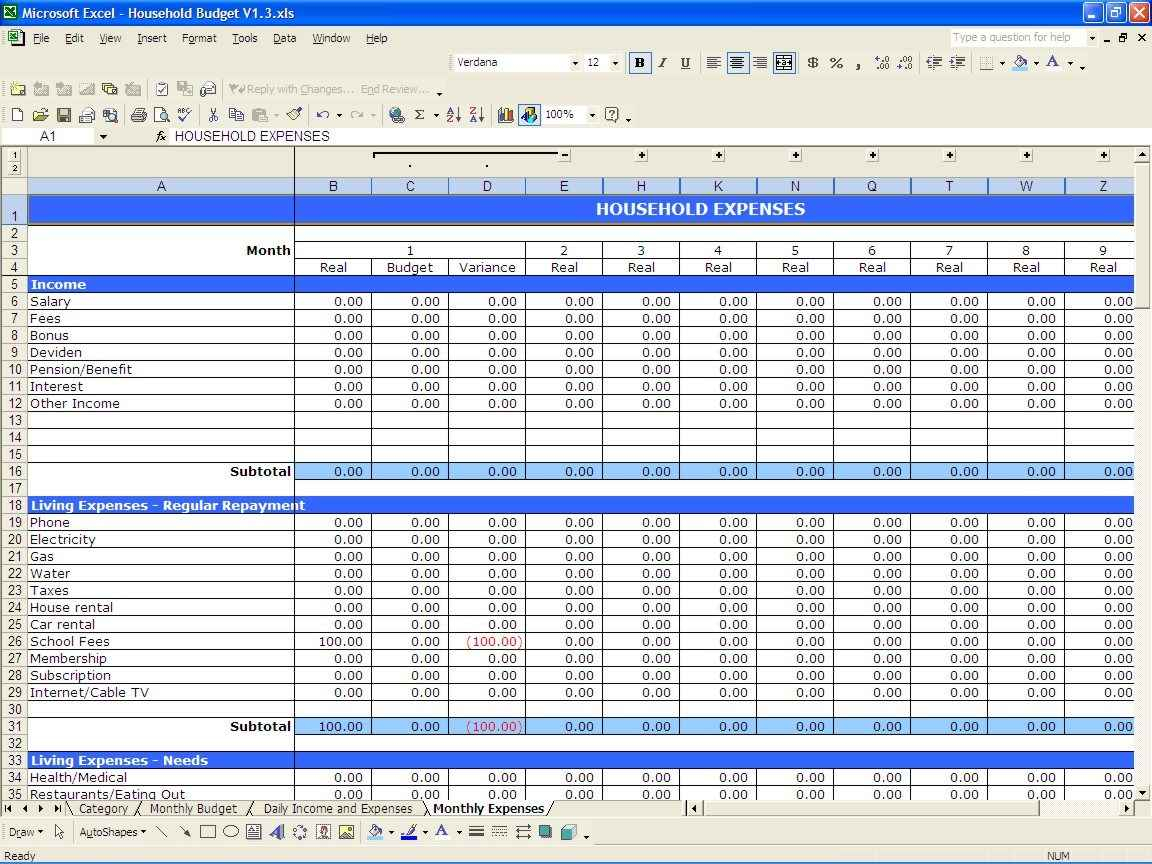
An effective financial spreadsheet is built upon a deliberate structural hierarchy designed to capture every monetary movement without introducing administrative bloat. At its foundational level, the document divides financial activity into two distinct ledgers: inflows and outflows, which are subsequently synthesized into a profit and loss summary.
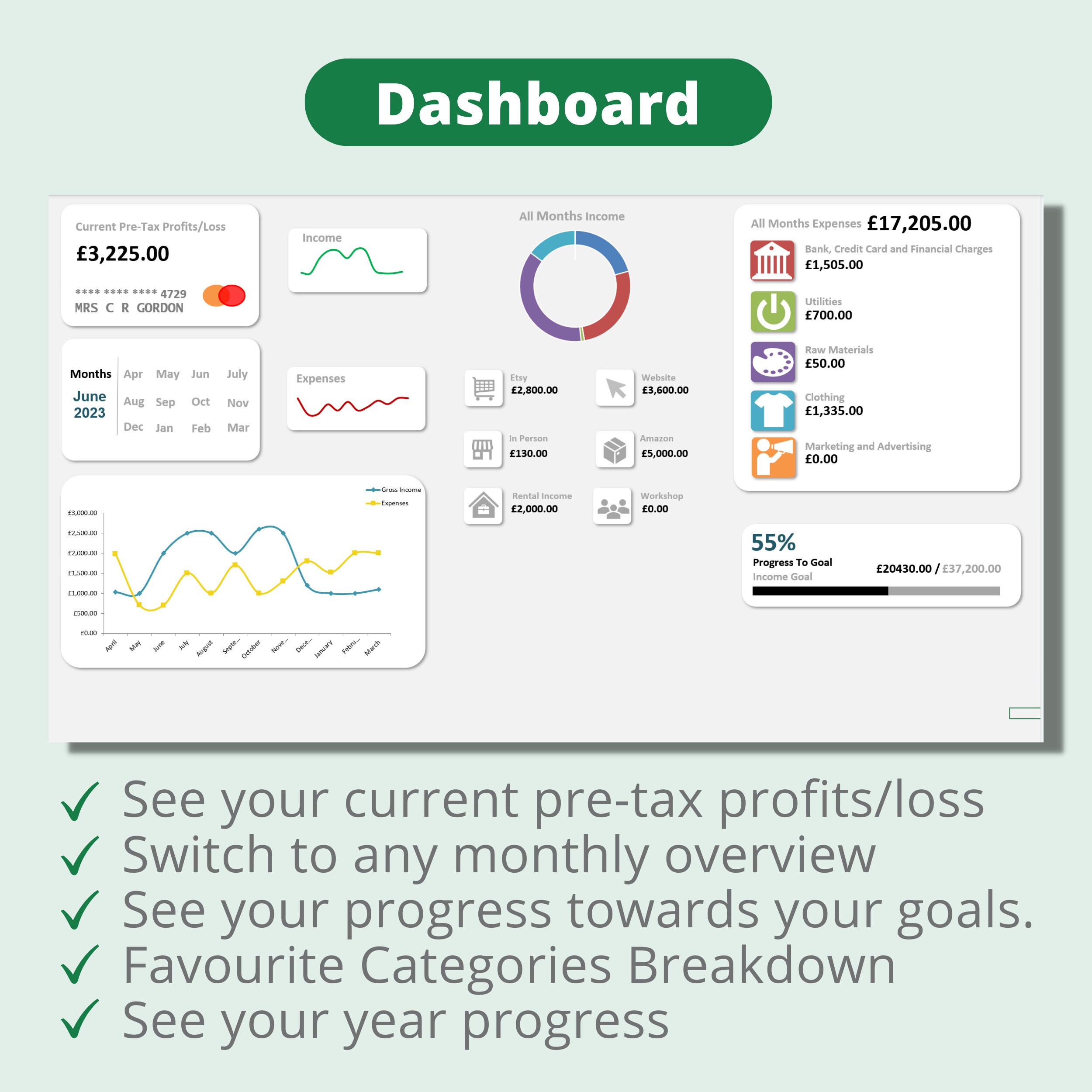
The income section must categorize revenue streams granularly. Rather than lumping all incoming funds into a single "Sales" category, businesses benefit from segregating primary product sales, service fees, recurring subscription revenue, and ancillary income such as interest or asset disposals. This separation allows business owners to identify which segments of their business model generate the highest margins.
Conversely, the expense section requires a rigorous division between fixed overhead and variable operating costs. Fixed expenses—such as commercial rent, software-as-a-service subscriptions, and baseline insurance premiums—remain constant regardless of monthly production volume. Variable expenses, including raw materials, direct hourly labor, shipping fees, and digital advertising spend, fluctuate in direct proportion to sales activity. Capturing these costs accurately allows for the calculation of gross margins and provides the visibility needed when tightening operational budgets becomes necessary.
Establishing Disciplined Data Entry and Categorization Routines
The predictive value of any financial tracking document depends entirely on the consistency and accuracy of its data inputs. Even the most sophisticated spreadsheet model fails if transactions are recorded haphazardly or neglected for weeks at a time. Establishing a standardized routine is essential for maintaining data integrity.
Business owners should commit to a regular reconciliation schedule—ideally weekly—comparing spreadsheet entries directly against bank and credit card statements. This practice ensures that bank fees, customer payment processing discrepancies, or forgotten recurring charges are caught immediately rather than discovered during tax season. Furthermore, every transaction must be assigned to a standardized chart of accounts. Maintaining uniform naming conventions for categories prevents analytical distortion; for example, mixing travel meals with general office supplies obscures true departmental spending patterns.
Many growing businesses bridge the gap between manual entry and full automation by utilizing comma-separated values (CSV) exports from their financial institutions, importing raw statement data directly into their spreadsheet templates. However, manual spot-checking remains a vital control mechanism to verify that categorization rules execute correctly.
Essential Components of a Small Business Financial Spreadsheet
| Section | Key Data Points Required | Strategic Purpose |
|---|---|---|
| Revenue Tracking | Gross sales, service income, invoice dates, client identifiers | Identifies primary income drivers and customer concentration risks. |
| Fixed Expenses | Rent, insurance, software licenses, loan repayments | Establishes baseline operational costs required to keep doors open. |
| Variable Expenses | Cost of goods sold (COGS), shipping, hourly wages, ad spend | Measures direct costs scaling with production and sales volume. |
| Cash Flow Summary | Net income, opening balance, closing balance, burn rate | Tracks actual liquidity available for daily operations and emergencies. |
Fueling Growth Through Cash Flow Analysis and Runway Projections
Profitability on paper does not guarantee business survival; cash flow timing dictates whether an enterprise can meet its immediate obligations. An advanced income and expense spreadsheet does not merely record past history; it projects future liquidity through forward-looking cash flow modeling.
By analyzing historical spending cycles against anticipated accounts receivable, business owners can calculate their operational "runway"—the exact duration the company can sustain operations with current cash reserves if incoming revenue temporarily halts. This capability is critical when evaluating expansion opportunities, such as hiring a new full-time employee or leasing additional commercial space.
When seeking external capital—such as a commercial bank loan or an equipment financing line—lenders routinely request historical profit-and-loss statements and cash flow projections. A meticulously maintained spreadsheet allows entrepreneurs to generate these reports instantly, demonstrating financial literacy, fiscal discipline, and a clear understanding of debt service coverage capabilities.
Avoiding Common Pitfalls in Spreadsheet Financial Management
While spreadsheets offer unmatched flexibility and zero licensing costs compared to proprietary accounting software, they are susceptible to user error. Recognizing these vulnerabilities helps protect the integrity of financial reporting.
- Mixing Personal and Business Finances: Charging personal groceries to a business credit card or drawing funds unpredictably distorts expense ratios and creates severe liabilities during tax audits or partnership reviews.
- Formula Corruption: Accidentally overwriting underlying formulas within summary rows can silently corrupt calculations across months of data entry. Utilizing cell-locking and protected ranges preserves structural integrity.
- Neglecting Non-Cash Expenses: Failing to account for asset depreciation or accrued liabilities creates a false sense of high liquidity, leading to overspending on non-essential projects.
- Failing to Back Up Data: Relying on a single local file without cloud redundancy risks catastrophic data loss due to hardware failure. Modern business practices require secure, encrypted cloud storage solutions.
Transitioning from Manual Tracking to Scalable Accounting Systems
A spreadsheet serves as an ideal launchpad for early-stage enterprises, sole proprietors, and freelancers managing manageable transaction volumes. However, as transaction frequency increases, multi-state tax complexities emerge, or payroll requirements expand, manual spreadsheet maintenance reaches its practical limit.
Business owners should evaluate their administrative capacity continuously. Signs that an enterprise has outgrown a basic spreadsheet include managing dozens of daily invoices, handling multi-tier inventory systems across warehouses, or preparing for complex corporate tax filings. When these thresholds are crossed, migrating structured historical data from spreadsheets into dedicated accounting platforms ensures continuity while retaining the foundational categorization logic established during the early growth phase.
Note: Financial management practices involve inherent operational risks. Small business owners should consult with certified public accountants (CPAs) or qualified financial advisors to ensure local tax compliance and adherence to jurisdiction-specific reporting standards.
Frequently Asked Questions
How often should I update my small business income and expense spreadsheet?
You should update your spreadsheet at least weekly. Regular updates prevent data backlog, ensure timely identification of bank errors or fraudulent charges, and provide an accurate, up-to-date view of your current cash position without overwhelming administrative burdens at month-end.
What is the difference between profit and cash flow in financial tracking?
Profit represents the financial gain remaining after total expenses are subtracted from total revenue, regardless of when cash physically changes hands. Cash flow tracks the actual timing of money entering and leaving your bank accounts. A business can be profitable on paper while facing insolvency if customers take 90 days to pay outstanding invoices while immediate bills come due.
Can I use a free spreadsheet template for tax preparation?
Yes, a well-organized income and expense spreadsheet categorized according to standard tax schedules provides your CPA with the exact data needed to prepare annual tax returns. However, you must retain all original receipts, invoices, and bank statements to substantiate every recorded transaction in the event of an audit.
How do I handle irregular or seasonal income within my tracking model?
Seasonal businesses should maintain a rolling 12-month average calculation within their summary dashboard rather than relying solely on monthly snapshots. During peak revenue months, surplus cash must be allocated to a dedicated reserve fund to cover fixed overhead during anticipated slow seasons.
When is the right time to transition from a spreadsheet to accounting software?
Consider migrating to dedicated accounting software when your transaction volume exceeds your manual processing capacity, when you need to automate recurring customer invoicing and payment reminders, or when you begin managing complex payroll and multi-jurisdictional sales tax obligations.
Image Gallery