Navigating the 2026 Immune-Oncology Landscape: What the Latest Changes Mean for Clinical Practice and Patient Outcomes
In 2026, the changes in immune-oncology (I-O) signify a definitive shift from broad-spectrum checkpoint inhibition toward precision-based combination therapies, personalized mRNA-based neoantigen vaccines, and the successful applicatio...
In 2026, the changes in immune-oncology (I-O) signify a definitive shift from broad-spectrum checkpoint inhibition toward precision-based combination therapies, personalized mRNA-based neoantigen vaccines, and the successful application of cellular therapies to solid tumors. These advancements mean more durable remissions for previously "cold" tumors and a regulatory environment prioritized on dose optimization.
Contents
The field of immune-oncology has moved beyond the "first-wave" era dominated by PD-1 and PD-L1 monotherapies. As we navigate the clinical landscape of 2026, the primary challenge is no longer just activating the immune system, but overcoming the sophisticated resistance mechanisms inherent in the tumor microenvironment (TME). For clinicians, researchers, and patients, these changes represent a transition from managing cancer as a chronic illness to pursuing curative intent through multi-modal immunotherapy.
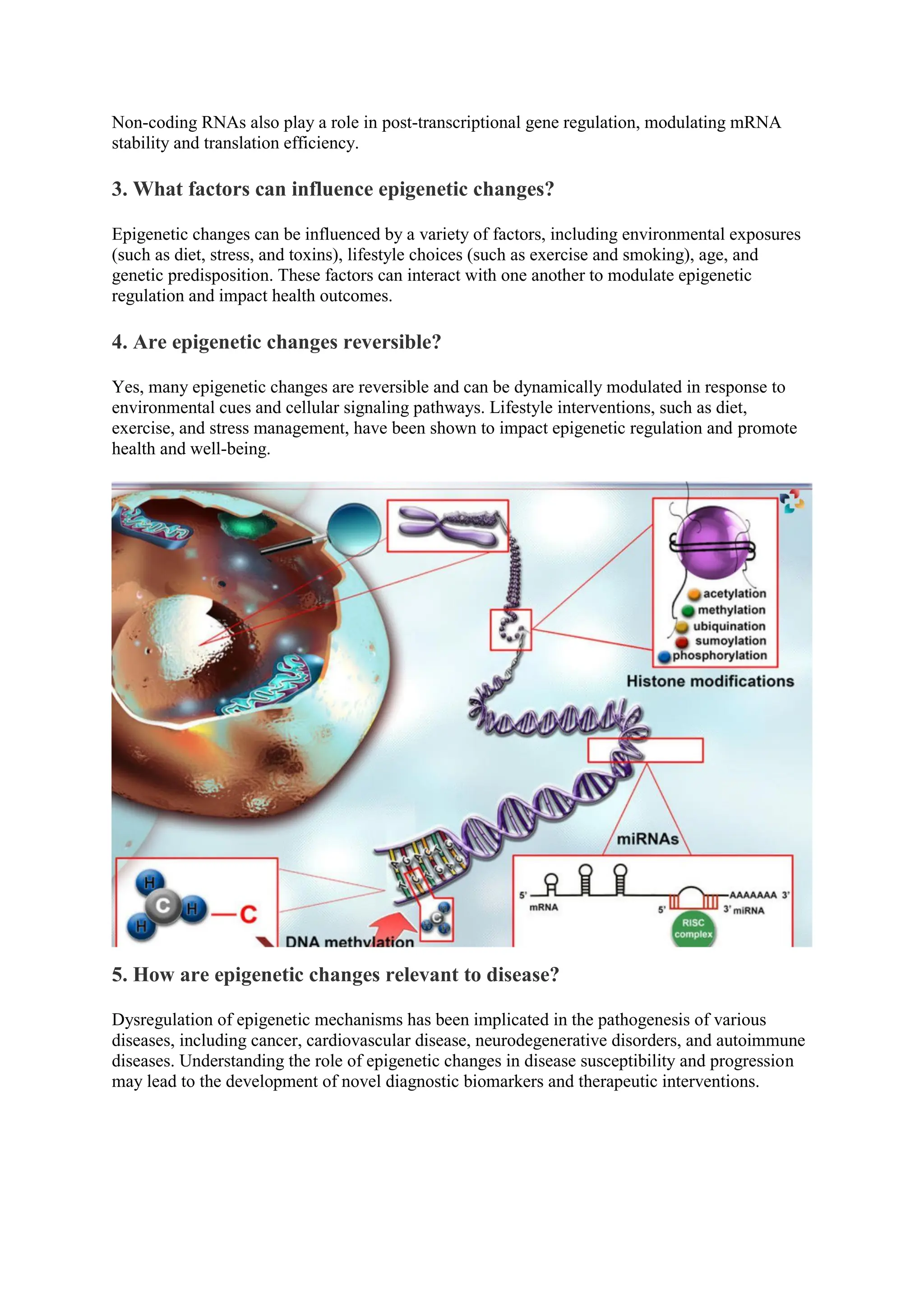
The Evolution of Checkpoint Inhibition: Beyond PD-1 and CTLA-4
For years, pembrolizumab and nivolumab were the cornerstones of I-O. However, 2026 marks an era where these are primarily used as "backbone" therapies. The most significant change for immune-oncology is the integration of novel checkpoints such as LAG-3, TIGIT, and VISTA into standard-of-care protocols.
The rationale behind this shift is the phenomenon of adaptive resistance. When PD-1 is blocked, tumors often "upregulate" other inhibitory pathways to evade T-cell detection. By utilizing bispecific antibodies—single molecules designed to bind to two different targets—clinicians can now block multiple checkpoints simultaneously. This reduces the "pill burden" or infusion complexity while significantly increasing the depth of the immune response.
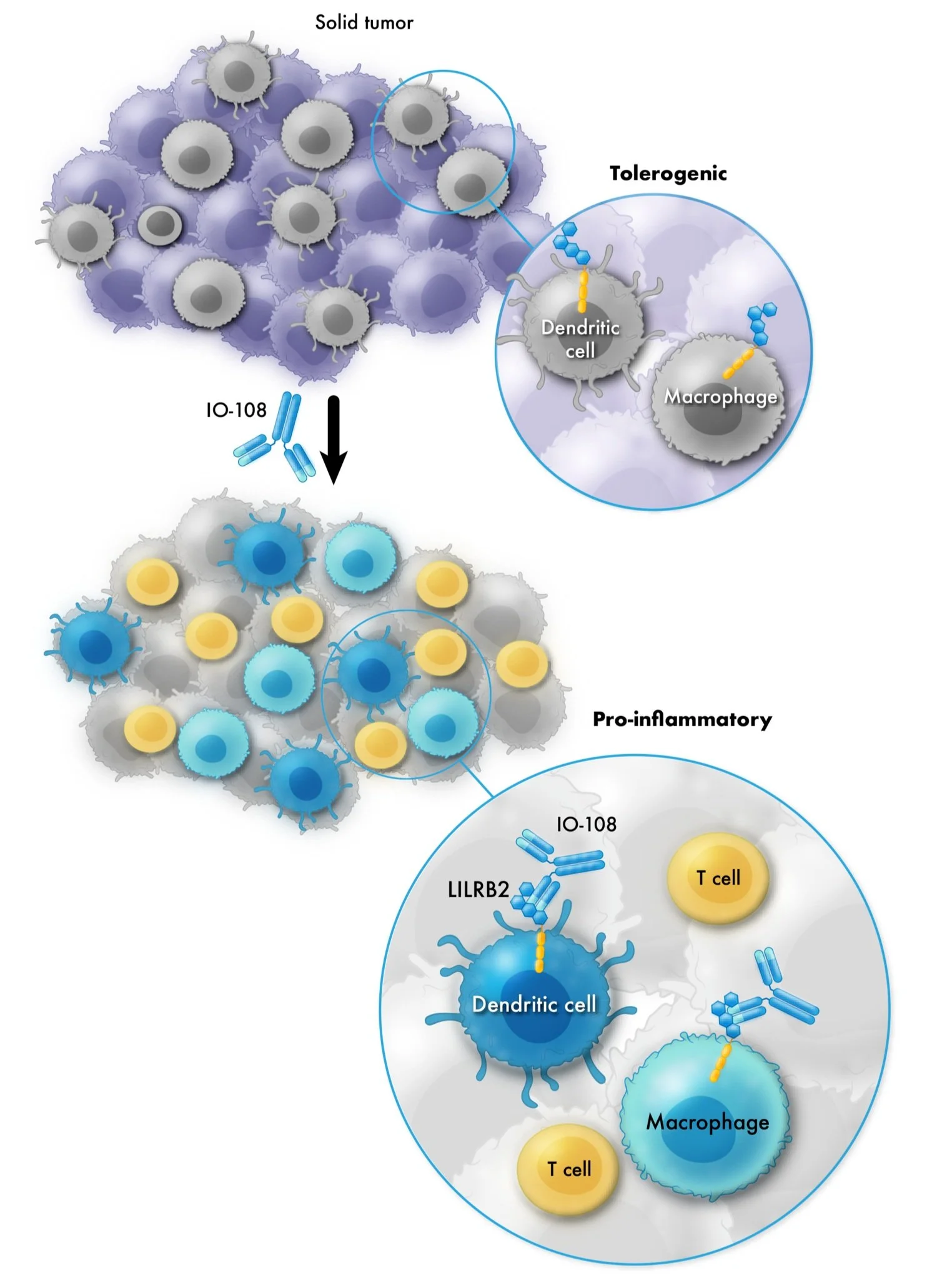
Furthermore, the focus has shifted toward the Tumor Microenvironment (TME). It is now understood that the "soil" (the environment surrounding the tumor) is just as important as the "seed" (the cancer cell). New therapies in 2026 are specifically targeting myeloid-derived suppressor cells (MDSCs) and regulatory T-cells (Tregs) that previously made many tumors "immunologically cold" or unresponsive to traditional I-O.
Personalized Cancer Vaccines and mRNA Integration
One of the most transformative changes in 2026 is the clinical maturity of personalized neoantigen vaccines. Leveraging the rapid manufacturing techniques perfected during the early 2020s, these vaccines are now a pillar of adjuvant therapy (treatment given after the primary treatment to lower the risk of the cancer returning).
What this means for the patient journey:
- Biopsy and Sequencing: A patient’s tumor is biopsied and undergoes high-depth Next-Generation Sequencing (NGS).
- AI Analysis: Machine learning algorithms identify "neoantigens"—mutations unique to that specific patient’s cancer that the immune system is most likely to recognize.
- Custom Manufacture: An mRNA vaccine is manufactured within weeks, specifically tailored to those mutations.
- Immune Priming: The vaccine is administered alongside a checkpoint inhibitor. The vaccine "teaches" the T-cells what to look for, while the checkpoint inhibitor "unleashes" those T-cells to attack.
This approach is proving particularly effective in melanoma, non-small cell lung cancer (NSCLC), and pancreatic cancer, where historical outcomes were poor. The change here is the move away from "off-the-shelf" products toward truly individualized medicine.
The Expansion of Cellular Therapies into Solid Tumors
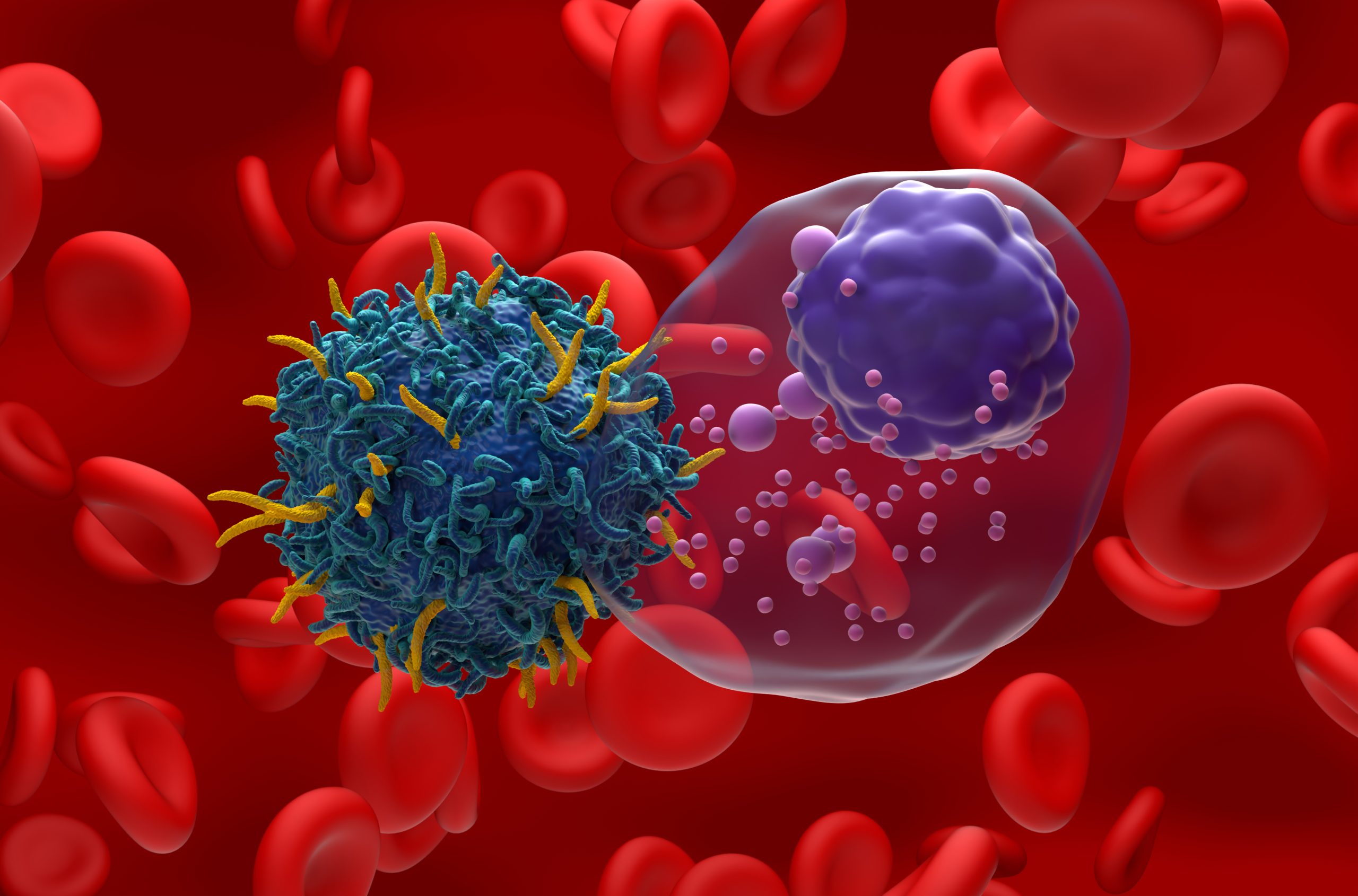
Historically, CAR-T (Chimeric Antigen Receptor T-cell) therapy was a "liquid tumor" success story, revolutionizing the treatment of leukemias and lymphomas but failing in solid tumors like breast or colon cancer. In 2026, we have seen a breakthrough in this area through two primary developments: TCR-T therapies and allogeneic "off-the-shelf" CAR-T.
Solid tumors present physical barriers (fibrous tissue) and chemical barriers (acidic, low-oxygen environments) that exhaust T-cells. The 2026 generation of cell therapies includes "armored" CAR-Ts, which are engineered to secrete their own cytokines or enzymes to break down the tumor’s protective shell.
Additionally, the shift toward allogeneic therapies—using donor cells rather than the patient’s own—has drastically reduced the cost and time required for treatment. In the past, the "vein-to-vein" time (collecting, modifying, and re-infusing cells) could take a month or more, during which many patients’ disease progressed. The availability of pre-manufactured, high-quality cellular products represents a massive logistical leap for oncology centers.
Regulatory Shifts: FDA Project Optimus and Dose Optimization
The regulatory landscape has undergone a foundational change that directly impacts drug development in 2026. The FDA’s Project Optimus has fundamentally altered how I-O drugs are trialed.
For decades, oncology followed the "Maximum Tolerated Dose" (MTD) model—finding the highest dose a human could stand without unacceptable toxicity. However, I-O drugs do not work like traditional chemotherapy. Higher doses do not always equal better efficacy; in fact, they often lead to "immune exhaustion" or severe immune-related adverse events (irAEs).
Key Impacts of Project Optimus in 2026:
- Optimal Biologic Dose (OBD): Pharmaceutical companies must now prove they have found the dose that provides the best immune response with the least toxicity, rather than just the highest dose possible.
- Safety Profiles: There is a renewed focus on long-term survivorship. As patients live longer thanks to I-O, the industry is forced to minimize chronic side effects like colitis, thyroiditis, and pneumonitis.
- Trial Design: Early-phase trials are now larger and more complex, as multiple dose levels must be compared for efficacy before moving to Phase III.
Comparing I-O Standards: 2020 vs. 2026
The following table illustrates how the core components of immune-oncology have evolved over the last several years.
| Feature | 2020 Standard (Traditional I-O) | 2026 Standard (Next-Gen I-O) |
|---|---|---|
| Primary Mechanism | Monoclonal antibody (Single target) | Bispecifics & Multi-specifics (Multiple targets) |
| Treatment Focus | "Hot" tumors (High mutation burden) | Turning "Cold" tumors "Hot" via TME modulation |
| Vaccine Role | Experimental / Mostly unsuccessful | Personalized mRNA neoantigen vaccines (Standard Adjuvant) |
| Cell Therapy | Limited to Hematologic (Liquid) cancers | Expanded to specific Solid Tumor indications |
| Dosing Philosophy | Maximum Tolerated Dose (MTD) | Optimal Biologic Dose (OBD) |
| Biomarkers | PD-L1 expression, MSI-H, TMB | Multi-omic profiles including Microbiome & AI-pathology |
| Delivery | In-center intravenous infusion | Hybrid models; some subcutaneous formulations |
The Role of the Microbiome and Predictive Biomarkers
In 2026, the definition of a "biomarker" has expanded significantly. We no longer look solely at the genetics of the tumor. The gut microbiome is now recognized as a critical regulator of immunotherapy success.
Clinical guidelines now frequently include "microbiome modulation"—which can involve specific dietary interventions or microbial consortia (probiotic-like drugs)—to prime the patient’s system before starting I-O. Patients with a diverse and healthy gut flora consistently show better response rates to PD-1/CTLA-4 combinations.
Furthermore, AI-driven pathology has replaced simple staining. By analyzing the spatial arrangement of immune cells within a biopsy sample, AI can predict with high accuracy whether a patient will respond to a specific combination. This "spatial transcriptomics" allows doctors to skip treatments that are likely to fail, saving precious time and reducing unnecessary toxicity.
Frequently Asked Questions
What does "immune-oncology" actually mean in 2026?
Immune-oncology refers to any cancer treatment that utilizes the body’s own immune system to identify and destroy cancer cells. In 2026, this includes not just checkpoint inhibitors, but also cell therapies (like CAR-T), therapeutic vaccines, and cytokine therapies designed to alter the tumor environment.
Are the "changes" making treatments more expensive?
While the upfront cost of personalized vaccines and cell therapies remains high, the 2026 healthcare model focuses on "value-based" outcomes. Because these treatments offer longer-term remission and potentially a "functional cure," they can be more cost-effective over a patient's lifetime than continuous rounds of less effective chemotherapy. Additionally, allogeneic (off-the-shelf) cell therapies are beginning to drive down prices through competition and scale.
How do these changes affect the management of side effects?
The changes in 2026 prioritize "dose optimization," which generally leads to fewer severe side effects. However, because the immune system is being activated more powerfully (often through two or three pathways at once), the risk of "immune-related adverse events" (irAEs) remains a concern. Specialized "Immune-Toxicity" teams are now a standard part of major cancer centers to catch and treat these issues early.
Can all cancers be treated with these new I-O changes?
While the scope has widened significantly, I-O is still not a universal fix. Some cancers remain "immunologically silent" or have mechanisms that currently evade even the most advanced 2026 therapies. However, the move toward personalized vaccines and TME modulation has opened doors for cancers that were previously considered "untreatable" by immunotherapy, such as microsatellite stable (MSS) colorectal cancer.
What is the most important biomarker to check in 2026?
There is no longer a single "most important" biomarker. Instead, clinicians use a "Composite Predictor Score," which combines PD-L1 status, tumor mutational burden (TMB), the presence of specific T-cell infiltrates (spatial data), and the patient’s microbiome profile.
Practical Recommendations for 2026
For those navigating these changes, several actions are critical for optimizing outcomes:
- Request Comprehensive Profiling: Ensure that NGS (Next-Generation Sequencing) and spatial transcriptomics are performed at the time of diagnosis. Relying on PD-L1 status alone is outdated in 2026.
- Evaluate Clinical Trial Eligibility Early: Many of the most advanced bispecific antibodies and mRNA vaccines are available through "Expanded Access" or Phase II/III trials that offer the current standard of care plus a next-gen agent.
- Address the Microbiome: Consult with oncology nutritionists to optimize gut health before and during treatment, as this is a proven modifier of I-O efficacy.
- Monitor for irAEs Vigilantly: With combination therapies, side effects can manifest in subtle ways (e.g., fatigue as a sign of adrenal insufficiency). Early intervention is the key to maintaining treatment continuity.
Image Gallery