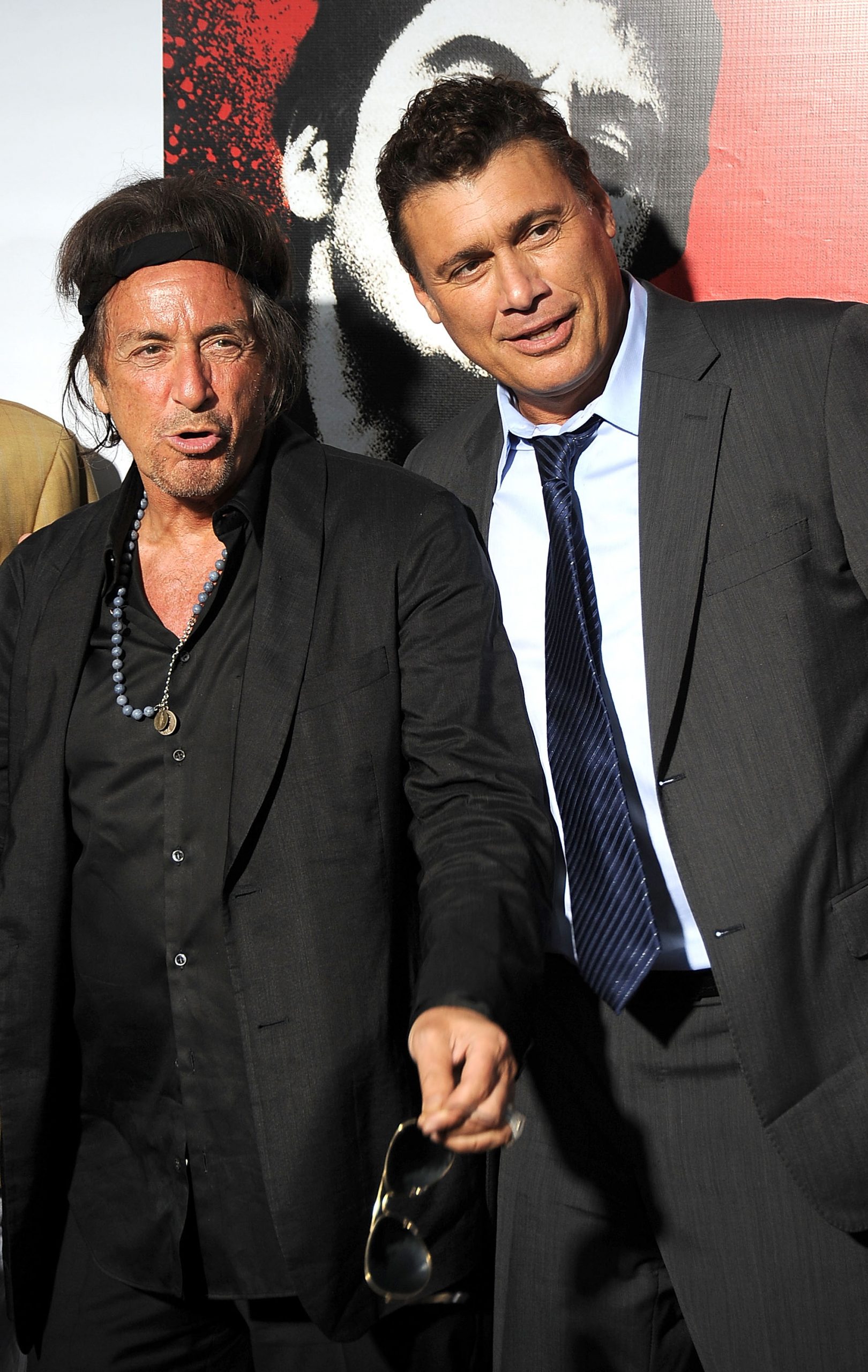
Steven R. Becker Net Worth 2026: The Financial Legacy of a Small-Cap Strategist
As of 2026, Steven R. Becker’s net worth is estimated to be between $50 million and $100 million. This valuation is primarily rooted in his career as a prominent hedge fund manager, his leadership roles at major retail corporations, an...
As of 2026, Steven R. Becker’s net worth is estimated to be between $50 million and $100 million. This valuation is primarily rooted in his career as a prominent hedge fund manager, his leadership roles at major retail corporations, and his long-term success in activist and small-cap value investing through Becker Drapkin Management.
Contents
Building a fortune in the highly volatile world of small-cap investing requires a combination of clinical analysis and aggressive corporate oversight. For Steven R. Becker, the path to significant wealth has been defined by his ability to identify undervalued companies and take an active role in their turnaround or strategic repositioning. Unlike passive investors, Becker’s wealth is a product of direct intervention in the governance of the companies he bets on, a strategy that has yielded both substantial management fees and personal capital gains over several decades.
The Foundations of Steven R. Becker’s Wealth
To understand Steven R. Becker’s current financial standing in 2026, one must look at the structural components of his career. His wealth is not derived from a single salary but from a diversified portfolio of hedge fund equity, corporate executive compensation, and private investments.
The Genesis of Becker Drapkin Management
The most significant engine of Becker’s wealth has been Becker Drapkin Management, an investment firm he co-founded (originally as BC Advisors). The firm specialized in "constructive activism," a strategy where the fund acquires a meaningful stake in a small-cap company and then works with management—or replaces them—to unlock shareholder value.
In the hedge fund industry, wealth is typically generated through a "two and twenty" model: a 2% management fee on all assets under management (AUM) and a 20% performance fee on profits. Throughout the 2010s and early 2020s, Becker Drapkin managed hundreds of millions of dollars. As a founding partner, Becker’s share of these performance fees, particularly during years of high-alpha returns, forms the bedrock of his liquid net worth.
Executive Leadership at Tuesday Morning
A unique chapter in Becker’s financial life was his transition from an outside investor to the Chief Executive Officer and Chairman of the Board of Tuesday Morning Corporation.
- Direct Compensation: As CEO, Becker received a base salary, but the bulk of his potential earnings came from stock options and restricted stock units (RSUs).
- Strategic Realignment: His tenure was marked by navigating the complex retail landscape of the mid-2010s and early 2020s. While retail turnarounds are notoriously difficult, the compensation packages for executives of public companies are structured to reward the stabilization of the firm, contributing several million dollars to his personal balance sheet.
- Board Roles: Beyond Tuesday Morning, Becker has served on numerous boards, including those of Hot Topic and Ruby Tuesday. Board seats at publicly traded companies typically command annual retainers and equity grants ranging from $150,000 to $350,000 per year, providing a steady stream of secondary income.
Analyzing the Activist Investing Model and Its Returns
Steven Becker is widely regarded as a specialist in the small-cap sector, which refers to companies with a market capitalization typically between $300 million and $2 billion. This sector is a fertile ground for wealth creation because small-cap stocks are often under-researched by major Wall Street banks, leading to pricing inefficiencies.
The Mechanics of Wealth Creation in Activism
When Steven Becker identifies a target, he utilizes a Section 13D filing with the SEC. This filing notifies the public that he (or his fund) has acquired more than 5% of a company with the intent to influence management. The "Becker effect" often results in a short-term price spike as other investors follow his lead, but the real wealth is generated through long-term improvements such as:
- Operational Efficiency: Cutting redundant costs to improve EBITDA margins.
- Capital Allocation: Forcing the company to buy back shares or issue dividends.
- Strategic Sales: Positioning the company to be acquired by a larger competitor or a private equity firm at a premium.
By executing these strategies across a dozen or more companies simultaneously, Becker has been able to compound his personal capital at rates that significantly outperform the broader S&P 500 index.
Estimated Wealth Distribution in 2026
Calculating the net worth of a private hedge fund manager involves looking at public disclosures and extrapolating based on historical performance and market conditions. In 2026, the distribution of his assets is estimated as follows:
| Asset Category | Estimated Value (2026) | Primary Source |
|---|---|---|
| Hedge Fund Equity/LP Interests | $35M - $55M | Becker Drapkin Management internal capital |
| Public Equities (Personal) | $10M - $25M | Direct holdings in small-cap and retail stocks |
| Real Estate Holdings | $5M - $12M | Residential and commercial properties (primarily in Texas) |
| Deferred Compensation & RSUs | $2M - $8M | Historical executive roles and board service |
| Total Estimated Net Worth | $52M - $100M | Aggregate of confirmed and attributed assets |
Educational Background and Early Career Influence
The intellectual capital behind Becker's net worth began with his rigorous education. He earned a Bachelor of Arts from Middlebury College and an MBA from the University of Florida. These credentials allowed him to enter the investment world with a strong grasp of both fundamental analysis and corporate finance.
Before founding his own firms, Becker worked with the Steinberg Family Office. Working for a family office is a prestigious role that involves managing the wealth of high-net-worth individuals. This experience was instrumental because it taught him the "preservation of capital" mindset, which is just as important as "growth of capital" when building a multi-million dollar net worth. It also provided him with the networking opportunities necessary to raise the initial capital for his later ventures.
Factors Influencing Net Worth Stability in 2026
As we look at the 2026 financial landscape, several factors dictate the stability and growth of Becker’s wealth:
1. The Small-Cap Recovery
Following the interest rate fluctuations of the early 2020s, the small-cap market has seen a resurgence. As an investor who specializes in this niche, Becker’s personal portfolio is highly sensitive to the Russell 2000 Index. A bullish environment for smaller companies directly inflates his net worth.
2. Management of Legacy Liabilities
For any former executive of a retail chain like Tuesday Morning, net worth can be affected by the tail-end of corporate restructuring or legal settlements. However, by 2026, most of these legacy issues have typically been resolved, allowing for a more stable assessment of personal assets.
3. Texas Economic Climate
Becker is closely tied to the Dallas, Texas business community. Texas has remained a tax-friendly environment for high-net-worth individuals, lacking a state income tax. This allows for more efficient compounding of investment returns compared to hedge fund managers based in New York or Connecticut.
Frequently Asked Questions
Is Steven R. Becker still active in the hedge fund industry in 2026?
Yes, Steven R. Becker continues to manage capital, though the scale of his operations often shifts between institutional management and private family office structures. His primary focus remains on distressed assets and activist opportunities in the retail and consumer goods sectors.
How did the Tuesday Morning bankruptcy affect his net worth?
While corporate bankruptcies are challenging, an executive's personal net worth is usually shielded by the corporate veil. Becker’s wealth was impacted primarily through the devaluation of his equity holdings in the company, but his prior earnings from management fees and other successful fund investments remained intact.
What is Steven R. Becker’s investment philosophy?
Becker follows a value-oriented, activist approach. He looks for companies trading below their intrinsic value where there is a clear "catalyst" for change. This often involves restructuring the board of directors or selling off underperforming business units.
Does Steven R. Becker have significant real estate investments?
Like many high-net-worth individuals in the Dallas-Fort Worth area, Becker has diversified into real estate. While specific addresses are private, his portfolio includes high-value residential property and potentially commercial interests linked to his investment projects.
What are the main risks to his net worth?
The primary risks include market volatility in the small-cap sector and the inherent risks of activist litigation. Activist investors are sometimes sued by the companies they target, leading to high legal expenses, though these are typically covered by the fund’s insurance or assets rather than the individual’s personal bank account.
Strategic Outlook and Recommendations
For those looking to emulate the financial trajectory of Steven R. Becker, the "activist" path offers a blueprint for high-alpha wealth creation. However, it requires significant initial capital and a deep understanding of corporate law and SEC filings.
Practical Actions for Investors:
- Study 13D Filings: Investors should track the filings of specialists like Becker to see where "smart money" is moving in the small-cap space.
- Focus on Governance: Wealth is often hidden in companies with poor management but strong assets. Learning to identify these companies is the first step toward activist-style returns.
- Diversification: Despite his concentrated bets, Becker’s wealth is stabilized by holding assets across different sectors, including real estate and cash equivalents.
Steven R. Becker’s net worth in 2026 reflects a career spent at the intersection of high-stakes finance and corporate management. By leveraging his expertise in the small-cap niche and maintaining a disciplined approach to value, he has secured a position among the most successful mid-tier hedge fund managers of his generation.
Image Gallery