Comprehensive Guide to LAPD Police Codes and Radio Signals
Understanding Los Angeles Police Department (LAPD) police codes and radio signals is essential for decoding communications used by law enforcement across the city. This system combines numeric codes, alphanumeric identifiers, and phone...
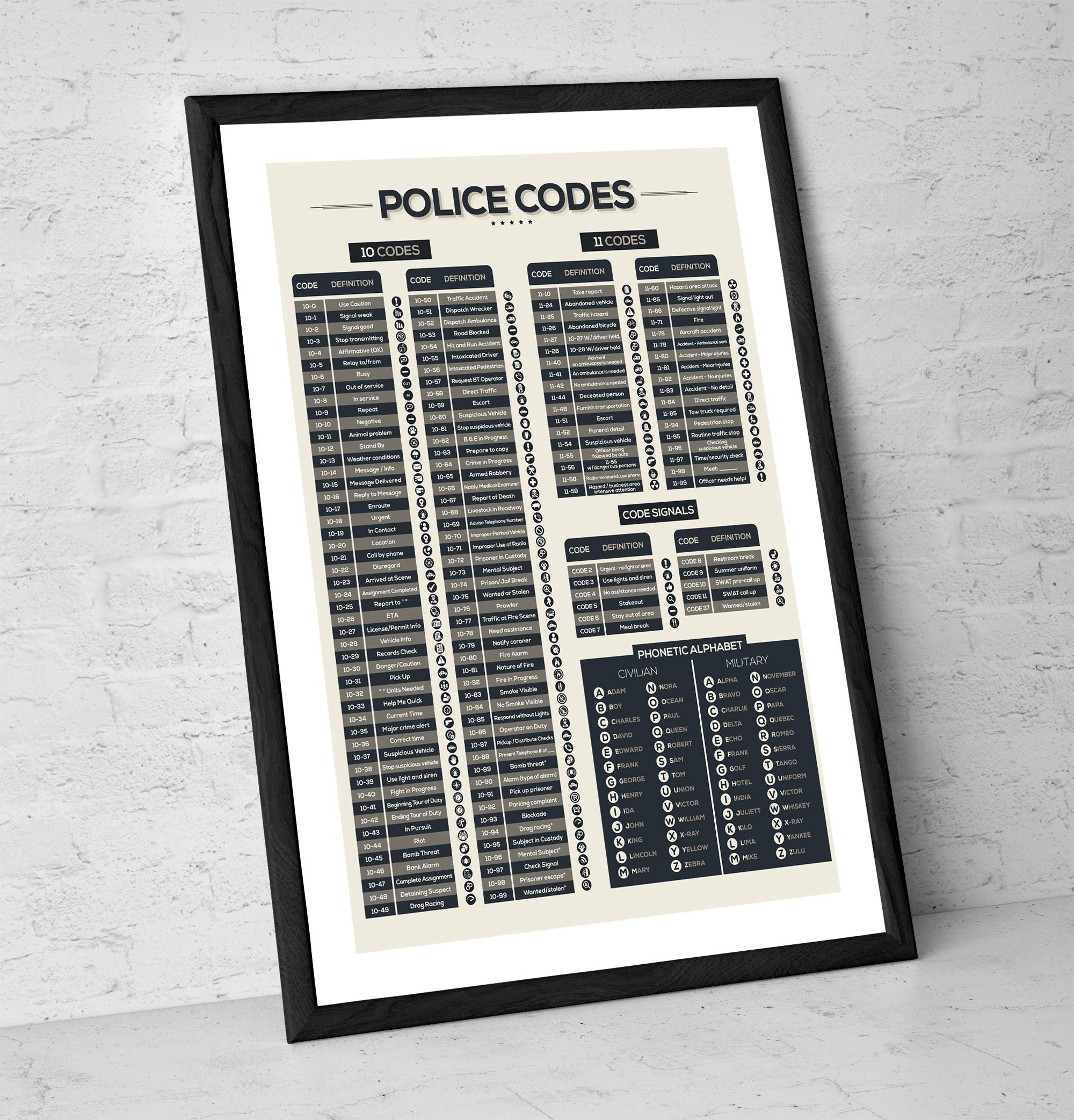
Understanding Los Angeles Police Department (LAPD) police codes and radio signals is essential for decoding communications used by law enforcement across the city. This system combines numeric codes, alphanumeric identifiers, and phonetic alphabets to transmit operational updates efficiently across the Metropolitan Division and various geographic geographic areas.
Contents
Evolution and Structure of LAPD Radio Communications
The Los Angeles Police Department manages one of the largest municipal law enforcement jurisdictions in the United States. To coordinate units across 21 community police stations and specialized tactical divisions, the department relies on a standardized set of voice communications protocols.
Radio traffic is divided into distinct regional dispatch channels and tactical frequencies. Rather than speaking in unstructured sentences, dispatchers and field officers use standardized numeric codes to describe incidents, suspect profiles, and tactical statuses. This methodology minimizes airtime congestion and ensures clarity during high-stress situations.
The communication architecture depends on precision. When an officer calls out a location, they reference specific reporting districts (RDs), street directions, and division boundaries. Knowing how these codes integrate with radio signals provides a clear window into daily police operations.
Standard LAPD Numeric Codes (The "Ten-Code" System)
While many law enforcement agencies nationwide use standard Association of Public-Safety Communications Officials (APCO) ten-codes, the LAPD utilizes its own specialized numeric code system. These codes represent common field situations, administrative checks, and suspect statuses.
| Code | Meaning / Definition | Operational Context |
|---|---|---|
| 10-4 | Acknowledged / Affirmative | Used to confirm receipt of instructions or information. |
| 10-8 | In Service / Available | Indicates a unit is clear of a previous call and available for dispatch. |
| 10-20 | Location | Requests or states the current geographical position (e.g., "What is your 10-20?"). |
| 7-Alpha | Out of Vehicle for Investigation | Used when an officer exits their vehicle to conduct a pedestrian or property check. |
| Code 2 | Urgent, No Lights/Siren | Response required without emergency equipment, obeying all traffic laws. |
| Code 3 | Emergency, Lights and Siren | High-priority response requiring immediate arrival utilizing emergency equipment. |
| Code 4 | No Further Assistance Needed | Indicates the situation is under control and additional responding units can cancel. |
| Code 6 | Arrived at Scene | States the unit has reached the specified location and is beginning the investigation. |
Officers regularly append letters or numbers to basic codes to add context. For example, a "Code 6" might be modified to indicate a tactical staging area or an immediate request for backup cover.
Critical LAPD Incident Codes and Radio Signals
Beyond basic status updates, LAPD transmissions utilize specific tactical codes to indicate the nature of an emergency or the level of threat encountered in the field. These signals dictate the tactical posture of responding units.
- Code 30: Indicates that a wanted person or vehicle check has returned a positive result for a felony warrant or stolen status.
- Code 37: Signifies that a vehicle or suspect is considered extremely dangerous, often associated with felony offenses involving firearms.
- Operation Highland / High-Intensity Interventions: Specialized tactical alerts called out during critical incidents, civil unrest, or widespread tactical deployments.
- Backup Requests (High-Risk): Transmissions specifying "Officer Needs Help" instantly shift all adjacent dispatch channels to emergency-only traffic, clearing airwaves for the affected unit's coordinates.
Geographic Division Prefixes and Reporting Districts
LAPD divisions are organized numerically and geographically. When units broadcast their location, they frequently reference their assigned geographic division and Reporting District (RD).
[Operational Bureau] ---> [Geographic Division (1-21)] ---> [Reporting District (RD 100-2299)]
For instance, Central Division operates within Bureau West or Central Bureau, covering Downtown Los Angeles, and is designated as Division 1. Every neighborhood within Central Division is mapped into specific RD numbers, allowing dispatchers to instantly route nearest available units based on precise boundary lines.
Major Geographic Divisions
- Central Area (Division 1): Covers Downtown Los Angeles, civic center, and fashion district.
- Rampart Area (Division 2): Covers Pico-Union, Westlake, and surrounding neighborhoods.
- Southwest Area (Division 3): Encompasses parts of South Los Angeles and University Park.
- Hollenbeck Area (Division 4): Covers Boyle Heights and parts of East Los Angeles borderlands.
- Hollywood Area (Division 6): Manages Hollywood, Los Feliz, and entertainment hubs.
Comparison of LAPD Codes vs. Standard APCO Ten-Codes
Many civilians and scanner enthusiasts confuse municipal department codes with standard county or national protocols. The LAPD maintains a distinct system that differs significantly from agencies like the Los Angeles County Sheriff's Department (LASD) or the California Highway Patrol (CHP).
| Feature / Protocol | LAPD (Los Angeles Police Department) | LASD (Sheriff's Department) | CHP (Highway Patrol) |
|---|---|---|---|
| Primary Status System | Unique numeric codes (Code 2, Code 4, Code 6) | Standard APCO 10-codes (10-4, 10-33) | Hybrid 10-codes and plain English |
| Geographic Units | Numbered Divisions (1 through 21) | Station-based numbers (Patrol Stations) | Area offices and beat numbers |
| Dispatch Architecture | Bureau-level radio channels | Regional station dispatch frequencies | Statewide trunked radio networks |
| Emergency Signalling | "Code 3" and specialized tactical alerts | "Code 3" / "Help" priority broadcasts | "Signal 3" or emergency traffic markers |
Practical Applications and Monitoring Guidelines
For journalists, researchers, and public safety professionals monitoring LAPD communications, understanding these codes ensures accurate interpretation of unfolding events. Modern monitoring relies on digital trunked systems, as traditional analog scanners have largely been replaced by encrypted or specialized digital architectures in major metropolitan jurisdictions.
When listening to or analyzing police communications, adhere to these operational tips:
- Focus on Context: Always listen for the initial dispatch assignment to understand whether units are responding under Code 2 or Code 3 parameters.
- Track Division Boundaries: Familiarize yourself with the 21 geographic division numbers to quickly isolate which neighborhood is generating radio traffic.
- Note Status Changes: Pay close attention to when units broadcast "Code 6" (arrived) and "Code 4" (situation stable), as these mark critical operational transitions.
Frequently Asked Questions
What does "Code 4" mean on LAPD radio transmissions?
Code 4 means that no further assistance is needed at the scene and the situation is under control. When an officer broadcasts Code 4, responding backup units typically slow down or return to regular patrol duties.
How does LAPD "Code 6" work in the field?
Code 6 indicates that an officer has arrived at the location of an incident or investigation. Officers will often broadcast their specific location details immediately following the Code 6 transmission so dispatchers know their exact coordinates.
Are LAPD radio frequencies encrypted?
Major tactical and specialized division channels utilize digital encryption for officer safety and tactical security. However, certain tactical and dispatch structures historically maintained varying levels of accessibility depending on regional system upgrades.
What is the difference between Code 2 and Code 3 responses?
Code 2 designates an urgent response requiring immediate arrival without the use of emergency lights and sirens, obeying standard traffic laws. Code 3 requires an emergency response utilizing both red lights and sirens to clear traffic safely and arrive as quickly as possible.
How are LAPD reporting districts structured?
Reporting districts are numerical subsets within each geographic division. They divide patrol areas into smaller localized zones, enabling dispatchers to track precise crime trends and assign units to exact neighborhood blocks.
Image Gallery