Comprehensive Genie S-40 Specs: Performance, Dimensions, and Operational Guide
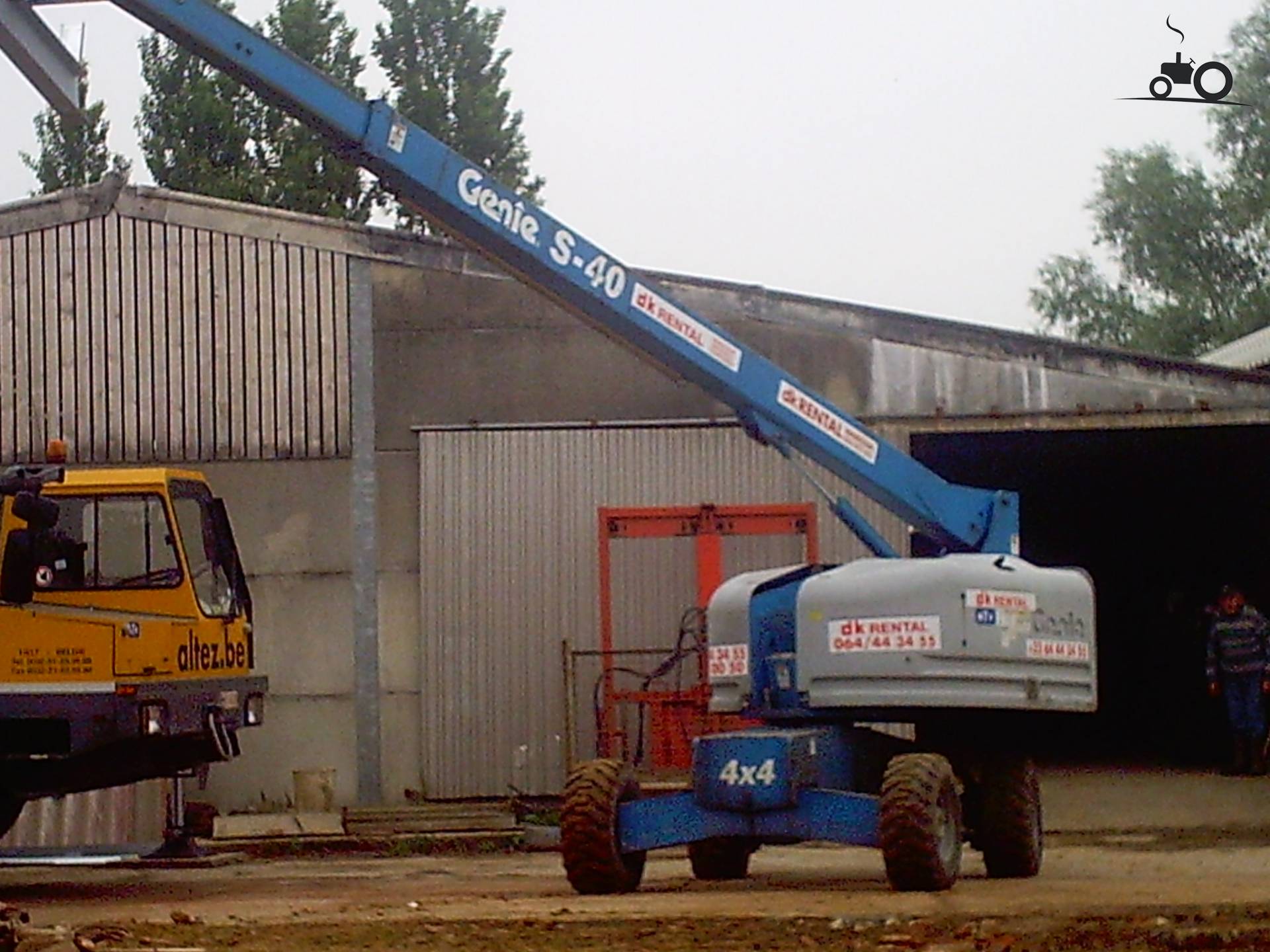
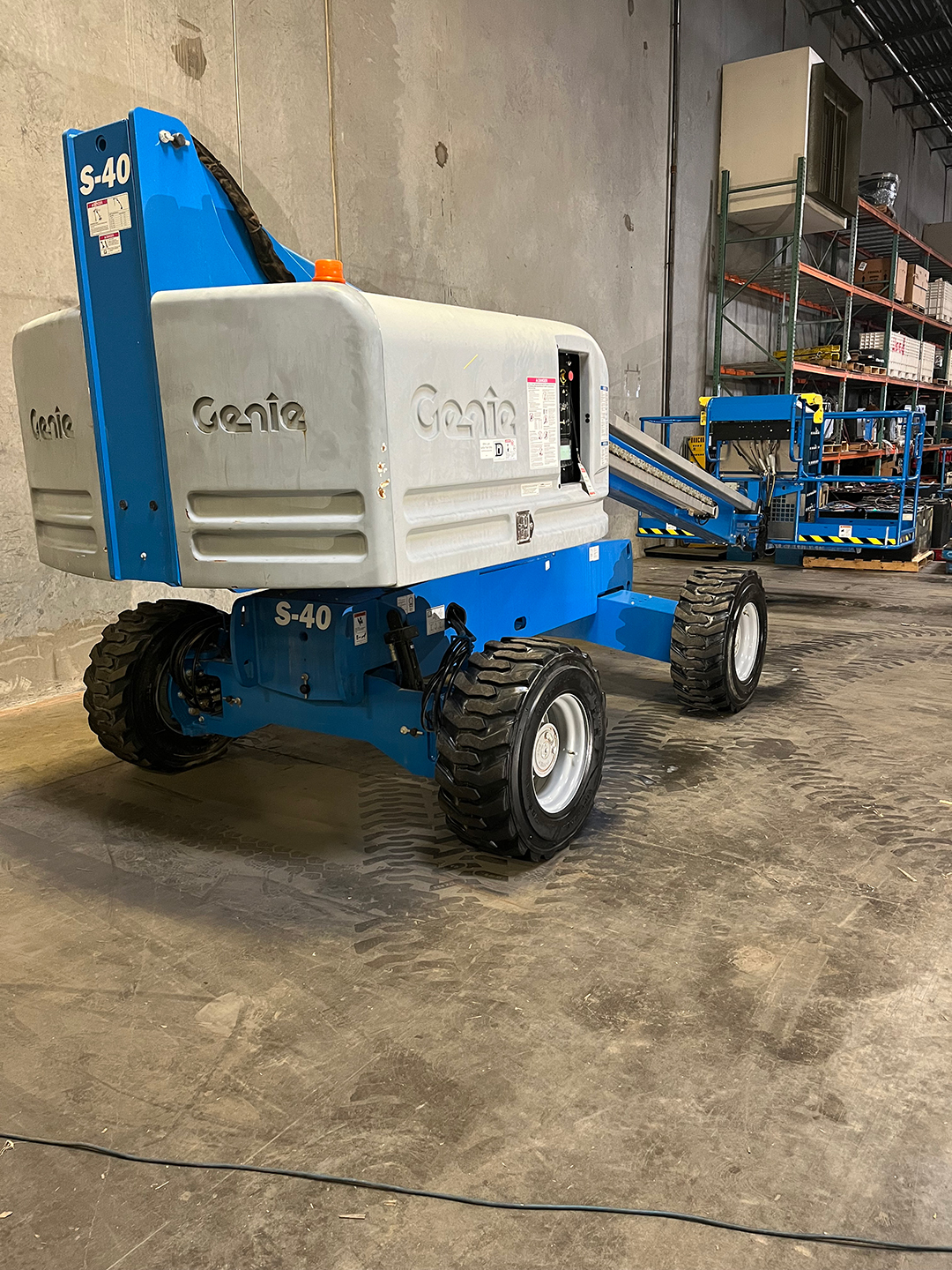
The Genie S-40 telescopic boom lift features a maximum platform height of 40 feet (12.19 m) and a working height of 46 feet (14 m). It offers a horizontal reach of 31 feet 1 inch (9.47 m) and a standard lift capacity of 500 lbs (227 kg...
The Genie S-40 telescopic boom lift features a maximum platform height of 40 feet (12.19 m) and a working height of 46 feet (14 m). It offers a horizontal reach of 31 feet 1 inch (9.47 m) and a standard lift capacity of 500 lbs (227 kg), making it a versatile choice for construction and industrial maintenance.
Contents
The Genie S-40 has long been a cornerstone of the aerial work platform (AWP) industry. Known for its "straight" telescopic boom design, it provides greater horizontal outreach than articulating booms of similar height. As of 2026, the S-40 series, including its "Extra Capacity" (XC) and "Trax" variants, continues to be a primary asset for rental fleets and high-utilization job sites. Understanding the specific technical nuances of this machine—from its hydraulic pressure settings to its engine configurations—is essential for safe operation, transport planning, and routine maintenance.
Core Technical Specifications and Dimensions
The physical footprint of the Genie S-40 is designed for a balance between stability and transportability. Unlike larger 60-foot or 80-foot models, the S-40 is compact enough to fit on standard trailers without requiring specialized oversized permits in most jurisdictions.
Weight and Ground Pressure
The base weight of a Genie S-40 varies significantly based on the drive configuration (2WD vs. 4WD) and the engine type. A standard 4WD model typically weighs approximately 12,320 lbs (5,588 kg). However, if the machine is equipped with the "Trax" four-point track system or heavy-duty foam-filled tires, this weight increases.
Ground pressure is a critical factor for indoor use or work on sensitive terrain. The S-40 exerts approximately 80 psi (5.62 kg/cm²) of tire contact pressure. If the machine is used on finished concrete or landscaped areas, operators must account for the gross vehicle weight to prevent structural damage or sinking.
Physical Footprint for Transport
- Stowed Length: 24 feet 3 inches (7.39 m)
- Width: 7 feet 6 inches (2.30 m)
- Stowed Height: 8 feet 2 inches (2.49 m)
- Wheelbase: 7 feet 3 inches (2.20 m)
- Ground Clearance: 12.5 inches (0.32 m) at the center of the chassis
The 7'6" width allows the S-40 to pass through many industrial double-doors and narrow work alleys, a key advantage over wider high-capacity models.
Range of Motion and Reach Capabilities
The S-40 is a telescopic boom, meaning it extends in a straight line. This design is preferred for tasks where the operator needs to reach out horizontally over obstacles like water, sloping ground, or existing structures where an articulating "knuckle" is not required.
Working Envelope
The "Working Height" is calculated by adding six feet to the platform height, representing the average reach of a human operator. For the S-40, the maximum platform height is 40 feet, resulting in a 46-foot working height.
The horizontal reach is where the S-40 excels, providing 31 feet 1 inch of outreach. This reach is achieved at an optimal boom angle; as the boom is raised or lowered toward its limits (-10° to +75°), the available horizontal extension is naturally curtailed by the machine's stability software and physical stops.
Turntable and Rotation
The S-40 features a 360-degree continuous turntable rotation. This allows the operator to position the chassis in one spot and work in a full circle without repositioning the drive wheels. The "swing" or tailswing of the S-40 is 2 feet 11 inches (0.89 m), which operators must monitor closely when working in tight quarters to avoid striking adjacent structures.
Engine Options and Power Systems
Genie provides several engine configurations to meet different regional emissions standards and site requirements. By 2026, most models in operation utilize Tier 4 Final compliant engines.
Diesel Power Plants
The most common engines found in the S-40 are:
- Deutz D2.9 L4: A 48 hp (35.8 kW) liquid-cooled diesel engine known for its reliability and ease of service.
- Perkins 404F-22: An alternative 48 hp diesel engine often preferred by fleet owners who standardized their parts inventory on Perkins components.
These engines power the hydraulic pumps that drive both the boom functions and the drive system. They are equipped with cold-start kits and are designed to operate at extreme temperatures, ranging from -20°F to 120°F (-29°C to 49°C).
Dual Fuel (Gas/LPG)
For environments where diesel emissions are restricted, Genie offers a dual-fuel option, typically using a Ford MSG425 engine (75 hp / 56 kW). This allows the operator to switch between gasoline and liquid propane gas (LPG) with the flick of a switch, facilitating a transition from outdoor travel to indoor work (provided there is adequate ventilation).
Drive and Terrain Performance
The Genie S-40 is designed for "rough terrain," but its performance varies based on whether it is a 2WD or 4WD model.
Gradeability and Traction
- 4WD Gradeability: 40% (22 degrees). This allows the machine to climb steep loading ramps and navigate unpaved construction sites.
- 2WD Gradeability: 25% (14 degrees). This model is better suited for paved industrial yards and flat surfaces.
- Drive Speed: The machine can travel at 4.8 mph (7.7 km/h) when stowed. When the boom is raised, the speed is automatically restricted to 0.68 mph (1.1 km/h) for safety.
Active Oscillating Axle
A standout feature of the Genie S-40 4WD is the active oscillating axle. This system allows the wheels to maintain contact with the ground even when driving over uneven rocks or curbs. It functions as a "floating" suspension that locks into a rigid state only when the boom is raised above the stowed position, ensuring a stable base for the operator at height.
The S-40 XC (Extra Capacity) Evolution
In recent years, the industry has shifted toward the S-40 XC model. The "XC" designation stands for Extra Capacity and represents a significant upgrade in the machine's structural and electronic load-sensing capabilities.
While the classic S-40 is limited to 500 lbs (227 kg), the S-40 XC offers a dual-envelope capacity:
- Unrestricted Capacity: 660 lbs (300 kg), allowing for two operators and more tools.
- Restricted Capacity: 1,000 lbs (454 kg). In this mode, the machine's onboard sensors limit the horizontal reach and boom angle to maintain stability, but allow for significantly heavier loads near the center of gravity.
This evolution was driven by ANSI A92.20 standards, which require modern machines to have active load-sensing technology that disables functions if the platform weight exceeds the rated capacity.
Comparison of Genie S-40 and S-45 Models
The S-40 is often compared to the S-45. The primary difference is the addition of a 5-foot (1.52 m) jib on the S-45.
| Feature | Genie S-40 (Standard) | Genie S-45 (Jibbed) |
|---|---|---|
| Max Platform Height | 40 ft (12.19 m) | 45 ft (13.72 m) |
| Max Horizontal Reach | 31 ft 1 in (9.47 m) | 36 ft 2 in (11.02 m) |
| Standard Capacity | 500 lbs (227 kg) | 500 lbs (227 kg) |
| Stowed Length | 24 ft 3 in (7.39 m) | 31 ft (9.45 m) |
| Machine Weight (4WD) | 12,320 lbs (5,588 kg) | 15,270 lbs (6,926 kg) |
| Jib Range of Motion | N/A | 135° Vertical |
The S-45 provides better "up and over" positioning due to the jib, but the S-40 remains popular because it is lighter and easier to transport.
Operational Safety and Control Systems
Safety is integrated into the S-40 via the Genie Smart Link control system. This system provides intuitive joystick controls and onboard diagnostics.
Load Sense and Tilt Alarms
Modern S-40 units (post-2020) are equipped with a platform load cell. If the weight in the basket exceeds the limit, an alarm sounds and boom functions are disabled until the excess weight is removed. Additionally, a tilt sensor monitors the chassis angle. If the machine is on a slope exceeding its rated limit (typically 2.5 to 5 degrees depending on the model), the boom will not rise or extend, preventing a tip-over.
Secondary Guarding
Standard on newer units is the Genie Lift Guard Contact Alarm. This is a functional cable system positioned above the control panel. If an operator is pushed against the cable (e.g., during a crush incident against an overhead beam), the machine stops all movement and triggers an alarm and a flashing light to alert ground personnel.
Maintenance and Ownership Considerations
For fleet managers, the S-40 is valued for its serviceability. The engine tray swings out, providing easy access to oil filters, fuel filters, and the battery.
Hydraulic System
The S-40 operates with a 45-gallon (170 L) hydraulic tank. Maintaining hydraulic fluid cleanliness is paramount, as the high-pressure piston pumps are sensitive to contamination. Owners should follow the Genie Service Manual guidelines for 1,000-hour or annual hydraulic system inspections.
Common Wear Points
- Boom Wear Pads: As the telescopic sections extend and retract, the internal wear pads (synthetic blocks) eventually thin out. These must be shimmed or replaced to prevent "boom chatter" or structural damage to the steel sections.
- Tire Integrity: Because the S-40 is often used on rough terrain, foam-filled tires are common to prevent flats. Operators must check for "chunking" or exposed wire, as a tire failure at full height is a catastrophic risk.
Frequently Asked Questions
Can the Genie S-40 be driven while at full height?
Yes, the Genie S-40 is designed to be "driveable at height." However, the drive speed is automatically reduced to a "creep" mode (0.68 mph). Operators must ensure the ground is firm and level before driving with the boom extended, as the center of gravity is significantly higher and the machine is more susceptible to tipping on uneven surfaces.
What is the difference between the S-40 and the S-40 Trax?
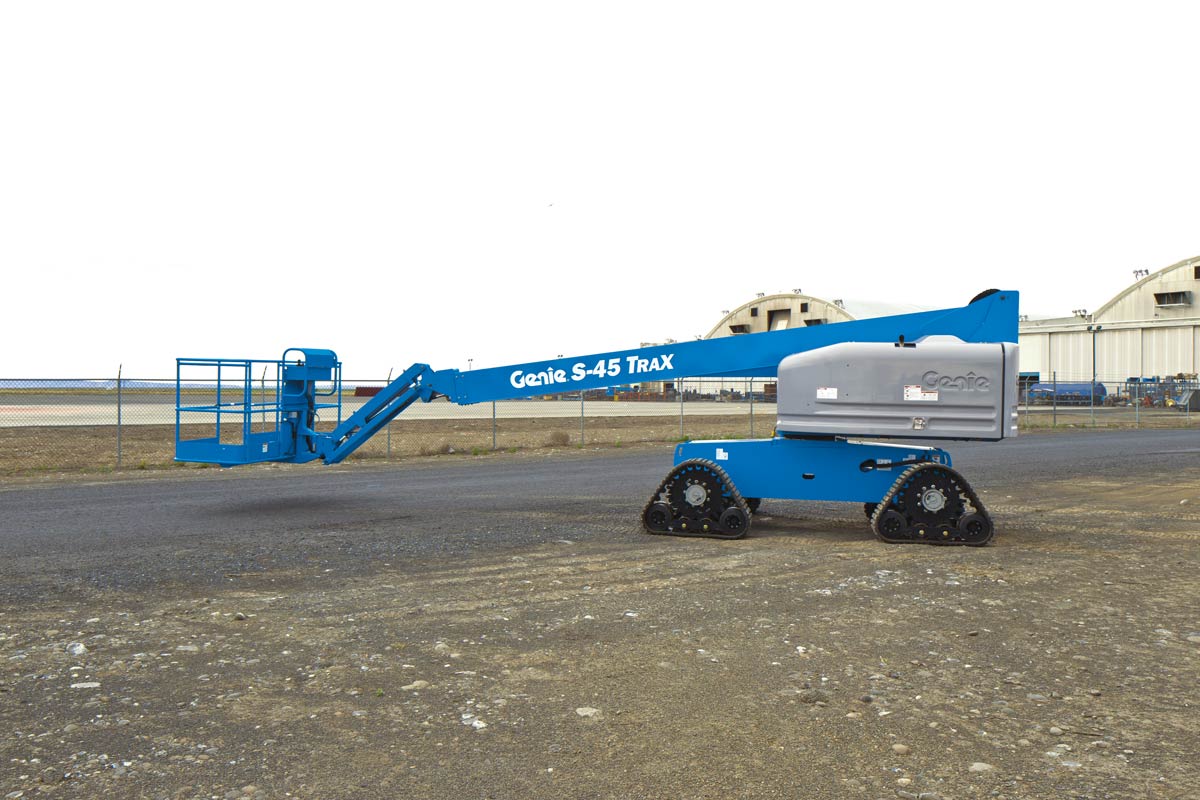
The S-40 Trax replaces the four wheels with a four-point independent track system. This significantly reduces ground pressure and improves traction in mud, snow, or sand. The Trax version is heavier and usually has a slightly different transport height, but it retains the same platform height and horizontal reach specs as the wheeled version.
Does the Genie S-40 require an annual inspection?
Yes. According to OSHA and ANSI standards, all aerial work platforms must undergo a "frequent inspection" every 90 days or 150 hours (whichever comes first) and a "comprehensive annual inspection." These must be performed by a qualified technician to ensure structural integrity and the proper function of safety systems like the load-sense and tilt alarms.
Can I use the S-40 as a crane to lift external loads?
No. The Genie S-40 is an aerial work platform designed for personnel and their tools. Using the boom to lift external loads via slings or chains can cause structural failure or a tip-over. Only approved attachments, such as the Genie pipe cradle or tool tray, should be used, and they must be factored into the platform’s total capacity.
What fuel does the S-40 use?
This depends on the engine model. Most units run on Ultra-Low Sulfur Diesel (ULSD). However, the dual-fuel versions can run on either regular unleaded gasoline or Liquid Propane Gas (LPG). Always verify the fuel type by checking the decals near the fuel filler neck or the engine compartment.
Final Recommendation for Operators and Fleet Managers
When selecting a Genie S-40, prioritize the XC (Extra Capacity) variant if your projects involve heavy materials like glazing, HVAC ducting, or multiple operators. For sites with finished flooring or delicate landscaping, consider the S-40 Trax or ensure the machine is equipped with non-marking tires. Always verify the machine's weight against your transport trailer's capacity, as the added weight of 4WD and foam-filled tires can push the unit over 12,000 lbs. For specific maintenance intervals, always consult the manufacturer’s service manual based on your specific serial number.
Image Gallery