Understanding and Preventing Legionnaires’ Disease Outbreaks in 2026
A Legionnaires’ disease outbreak occurs when Legionella bacteria proliferate in a building's water system and become aerosolized, leading to multiple cases of severe pneumonia. Managing an outbreak requires immediate environmental test...
A Legionnaires’ disease outbreak occurs when Legionella bacteria proliferate in a building's water system and become aerosolized, leading to multiple cases of severe pneumonia. Managing an outbreak requires immediate environmental testing, disinfection of water sources, and strict adherence to public health protocols to protect occupants and mitigate significant legal liabilities.
Contents
The Pathophysiology of a Legionnaires’ Outbreak
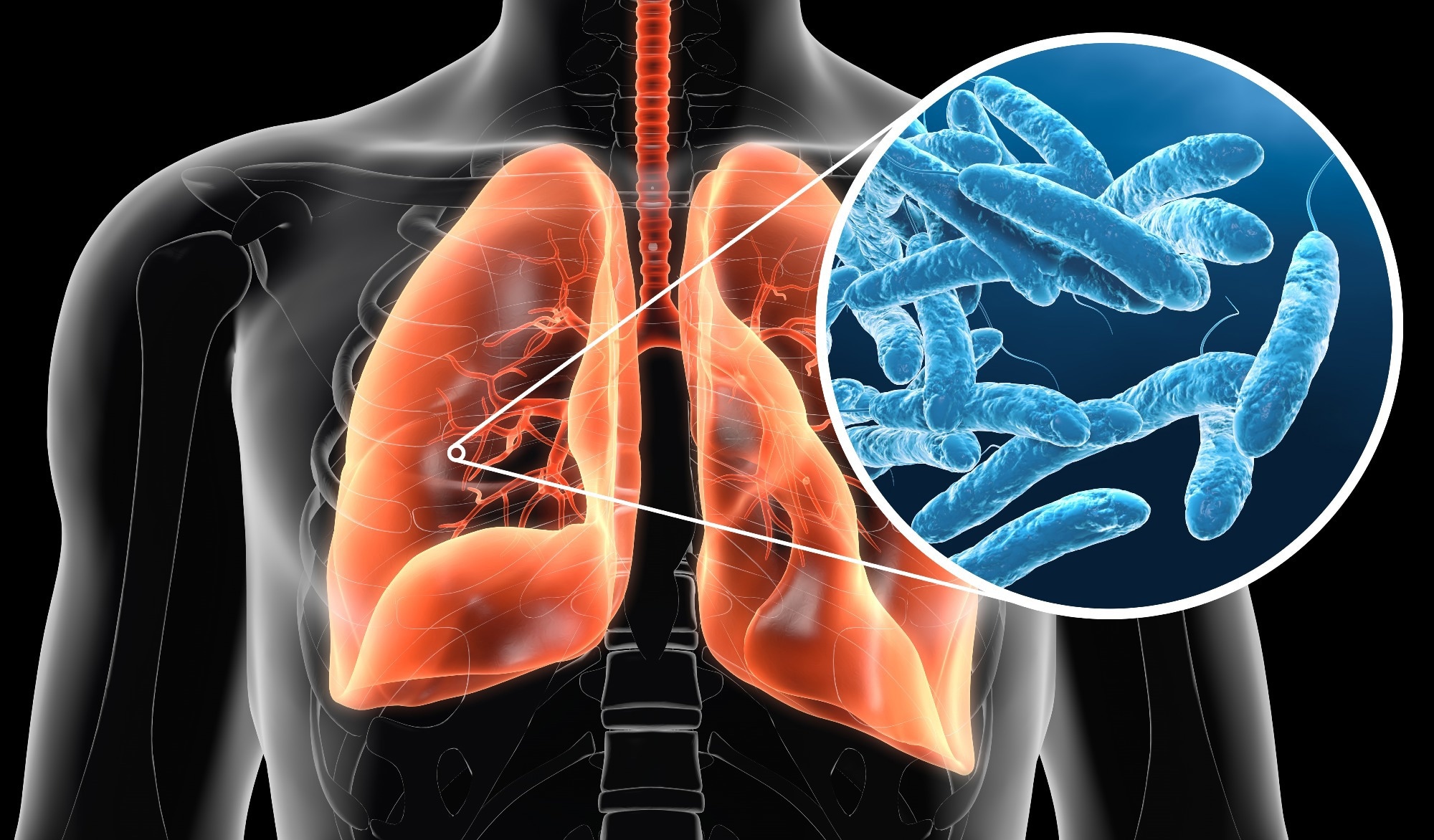
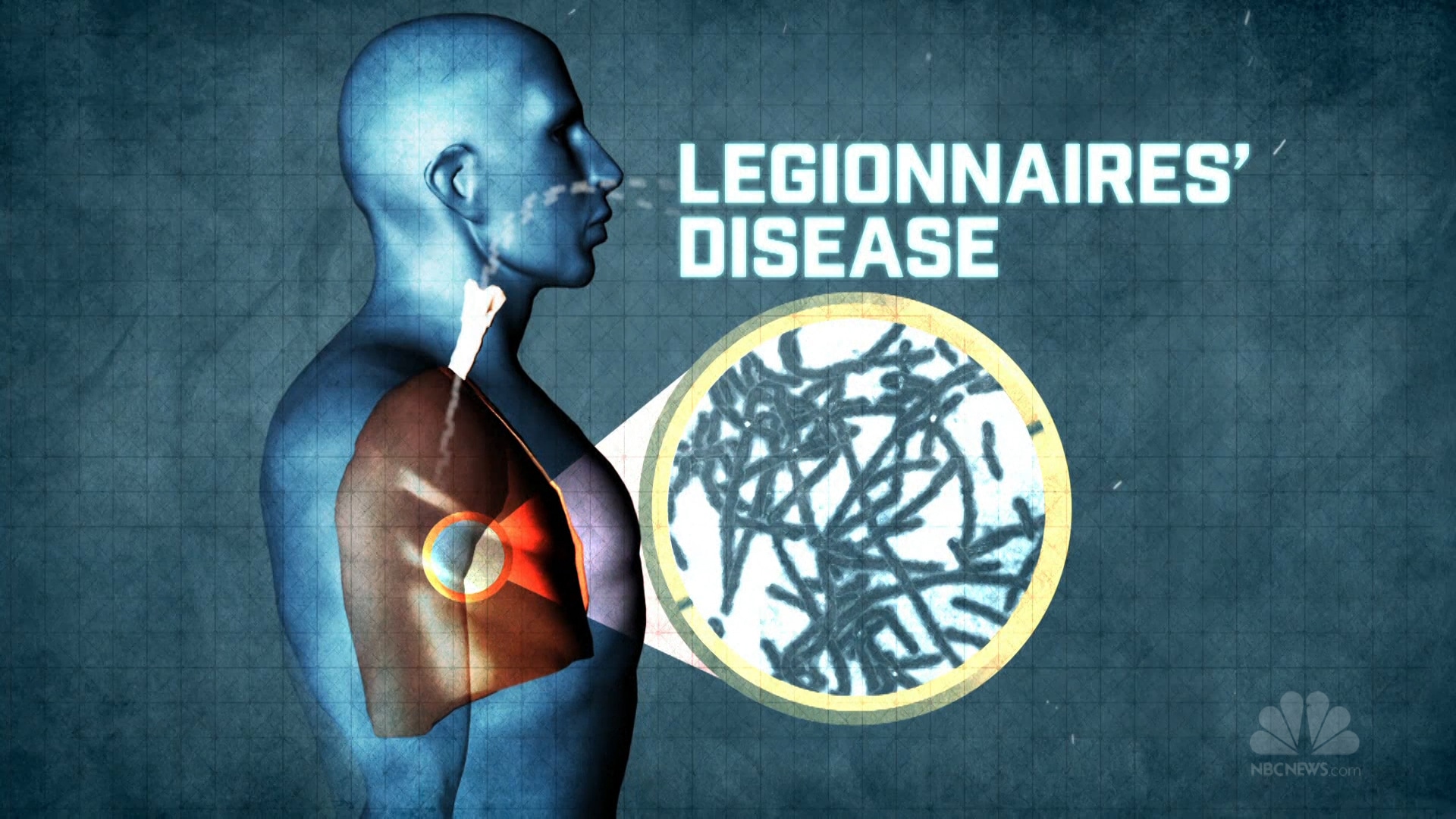
Legionnaires’ disease is caused by the bacterium Legionella, most commonly the Legionella pneumophila species. Unlike many other waterborne pathogens, Legionella is not typically dangerous when ingested; instead, it poses a severe respiratory threat when inhaled as a fine mist or vapor. In 2026, public health experts continue to emphasize that the microscopic nature of these water droplets—often smaller than 5 microns—allows them to bypass the upper respiratory defenses and settle deep within the lungs' alveoli.
Once inside the lungs, the bacteria are consumed by macrophages, the very immune cells meant to destroy them. However, Legionella has evolved to hijack the macrophage's internal machinery, turning the immune cell into a reproductive chamber. This intracellular replication leads to the distinctive, severe inflammatory response known as Legionnaires' disease. Without prompt treatment with specific antibiotics (typically macrolides or fluoroquinolones), the mortality rate can remain as high as 10% for community-acquired cases and significantly higher in healthcare settings.
High-Risk Environments and Source Identification
An outbreak is rarely a random event; it is almost always the result of a failure in a building’s water management system. As of 2026, certain architectural and mechanical features are recognized as the primary culprits in aerosolizing the bacteria.
Cooling Towers and Evaporative Condensers
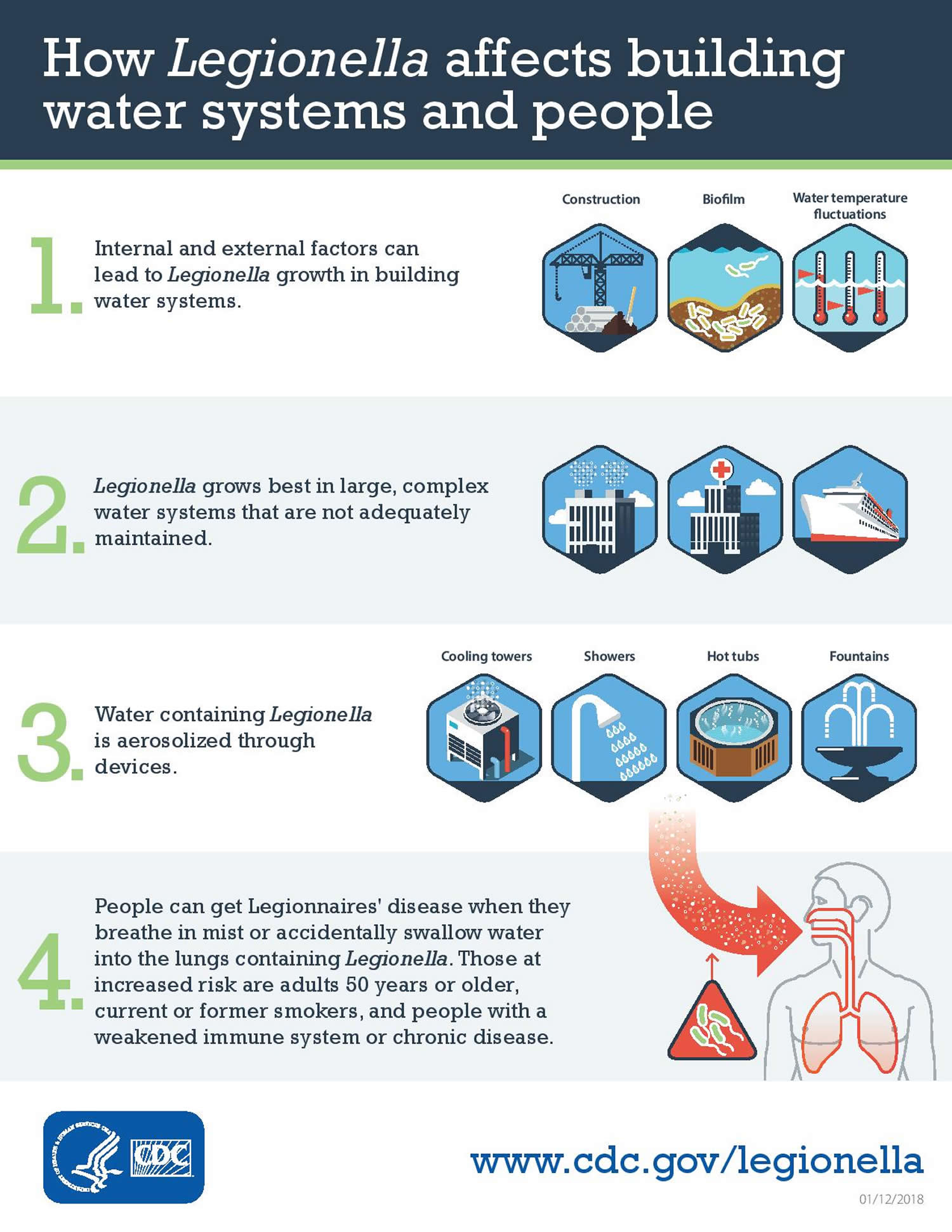
Large-scale air conditioning systems for hospitals, hotels, and industrial plants use cooling towers to dissipate heat. If the water in these towers is not properly treated with biocides, Legionella can flourish in the warm, nutrient-rich environment. Because these systems are designed to exhaust air into the environment, a contaminated cooling tower can spread bacteria over a radius of several miles, potentially infecting people who never even entered the building.
Complex Potable Water Systems
In large buildings, "dead legs"—sections of piping where water sits stagnant—provide the ideal environment for biofilm to grow. Biofilm is a slimy layer of microorganisms that protects Legionella from heat and chemical disinfectants. When a faucet or showerhead is turned on after a period of disuse, the resulting aerosol can contain high concentrations of the bacteria released from the biofilm.
Decorative Fountains and Misting Systems
Any feature that mechanically agitates water to create a visual or cooling effect is a potential source. Grocery store misters, decorative indoor waterfalls, and outdoor cooling "foggers" have all been linked to outbreaks when the underlying water source was contaminated and lacked adequate residual disinfection.
Regulatory Standards and Compliance in 2026
Building owners and facility managers operate under a strict regulatory framework designed to prevent outbreaks. The cornerstone of these efforts remains ASHRAE Standard 188, which provides the industry-standard criteria for Legionellosis risk management.
| Feature | Requirement under ASHRAE 188 / CMS Guidelines | Primary Risk Factor |
|---|---|---|
| Water Management Program (WMP) | Mandatory for healthcare facilities and high-risk buildings. | Lack of a formalized, written plan for monitoring. |
| Temperature Control | Hot water should be stored above 140°F (60°C) and delivered above 120°F. | "The Danger Zone" (77°F–113°F) promotes rapid growth. |
| Disinfectant Residual | Maintain detectable levels of chlorine or secondary disinfectant. | Dissipation of municipal chlorine in large plumbing loops. |
| Testing Frequency | Periodic environmental sampling based on risk assessment. | Undetected colonization of distal outlets. |
| Documentation | Comprehensive logs of temperatures, pH, and biocide levels. | Inability to prove "due diligence" in a court of law. |
Healthcare facilities receiving funding from the Centers for Medicare & Medicaid Services (CMS) are under even greater scrutiny. In 2026, these institutions must demonstrate a fully functional Water Management Program (WMP) that includes a multi-disciplinary team, a detailed flow diagram of the water system, and a validated testing regimen. CDC guidelines on Legionella serve as the primary resource for these protocols.
Steps to Manage an Active Outbreak
When two or more cases are linked to a single location within a one-year period, health departments generally declare an outbreak. The response must be swift and methodical to prevent further illness and death.
- Immediate Notification and Investigation: Local and state health departments lead the investigation. This involves interviewing patients to find common exposures and conducting an "environmental assessment" of the suspected building.
- Environmental Sampling: Technicians collect water and swab samples from various points, including cooling towers, showers, and water heaters. These samples are sent to ELITE-certified laboratories (Environmental Legionella Isolation Techniques Evaluation) for culture or PCR testing.
- Remediation and Disinfection: Once a source is identified, "remediation" begins. Common methods include:
- Thermal Eradication: Raising the water temperature to 160°F–170°F and flushing every outlet for a specific duration.
- Hyper-chlorination: Introducing high levels of chlorine (often 20-50 ppm) into the system for several hours.
- Point-of-Use (POU) Filters: Installing 0.2-micron filters on showerheads and faucets to provide immediate protection while long-term fixes are implemented.
- Verification and Post-Remediation Monitoring: Remediation is not a "one and done" fix. After disinfection, the system must be re-tested to ensure the bacteria have been eliminated from the biofilm, not just the water column.
The Legal and Financial Consequences of Negligence
The financial impact of a Legionnaires’ outbreak can be catastrophic for a business. Beyond the immediate costs of remediation and plumbing upgrades, the legal liabilities are immense. In recent years leading up to 2026, settlements for wrongful death and long-term disability resulting from Legionella exposure have frequently reached seven figures per claimant.
Plaintiff attorneys often focus on the "standard of care." If a building owner cannot produce a documented Water Management Program or logs showing consistent temperature monitoring, they are often found negligent. Furthermore, insurance companies are increasingly adding "communicable disease" or specific "fungi and bacteria" exclusions to general liability policies, meaning the building owner might have to pay these damages out of pocket.
Engineering Controls and Modern Prevention Technology
By 2026, technology has advanced to provide facility managers with better tools for prevention. Remote monitoring systems now use IoT (Internet of Things) sensors to track water temperatures and disinfectant levels in real-time, sending alerts to mobile devices the moment a parameter falls outside the safety range.
Secondary Disinfection Systems
For buildings with complex architecture, rely solely on municipal chlorine is often insufficient. Many facilities now install secondary disinfection systems, such as:
- Copper-Silver Ionization: A process that releases ions into the water, which are toxic to Legionella but safe for human consumption.
- Monochloramine: A more stable disinfectant than free chlorine, which is better at penetrating thick biofilm in old pipes.
- Ultraviolet (UV) Irradiation: Effective at killing bacteria as water passes the light source, though it provides no residual protection further down the line.
Design Principles for New Construction
Modern architectural standards now emphasize "low-volume" plumbing design to reduce water age. By minimizing the amount of time water sits in the pipes, engineers can significantly reduce the risk of Legionella colonization. The use of antimicrobial materials and the elimination of decorative water features in healthcare settings are also becoming standard practices in 2026.
Frequently Asked Questions
Can you catch Legionnaires' disease from someone else?
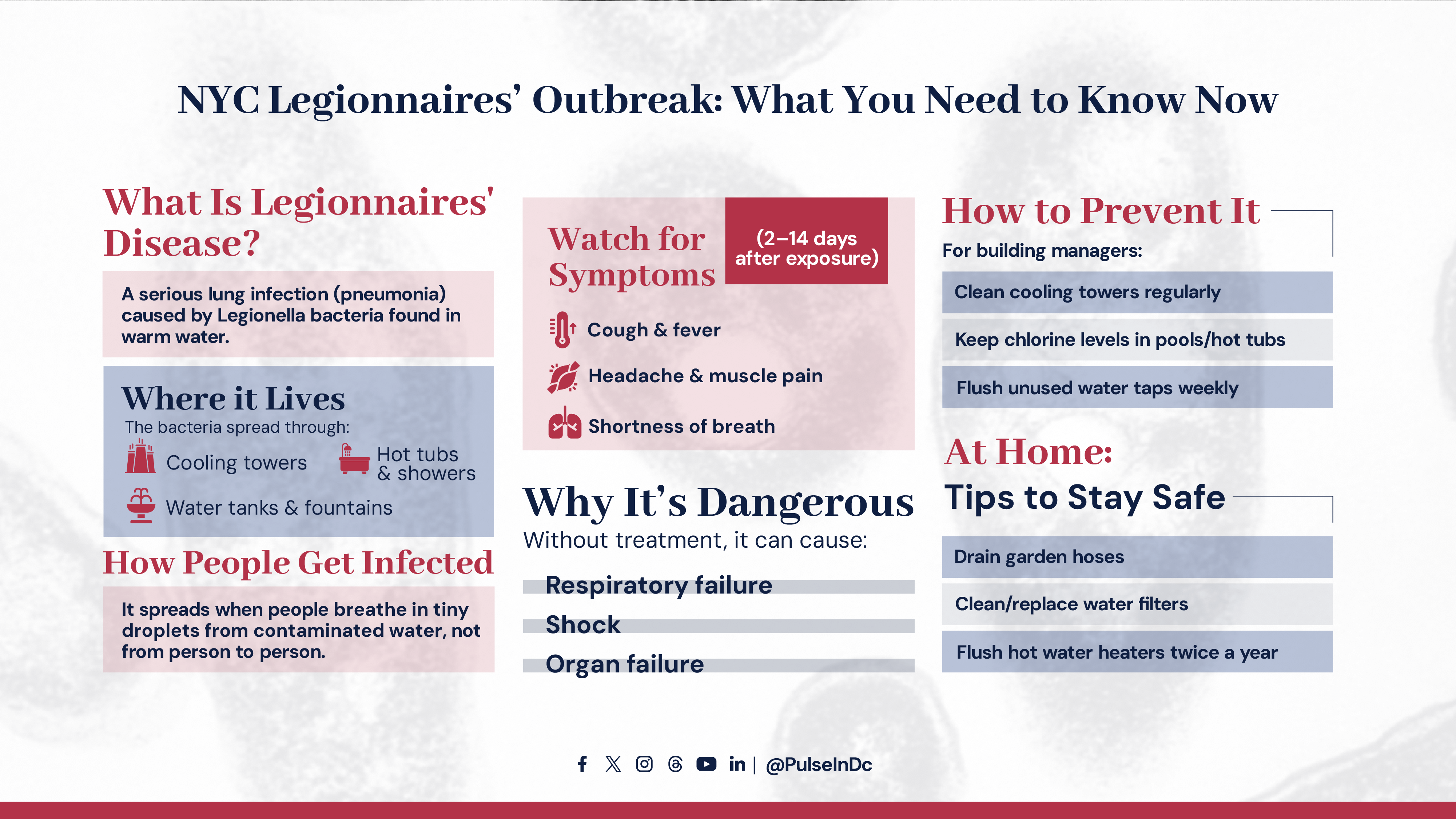
No, Legionnaires' disease is not contagious. It cannot be spread from person to person through coughing or physical contact. The only way to contract the illness is by inhaling aerosolized water droplets containing the Legionella bacteria. This makes environmental control the only effective way to prevent an outbreak.
What are the first symptoms of an infection?
Symptoms usually appear 2 to 10 days after exposure. They often begin with a "prodromal" phase consisting of headache, muscle aches, and a general feeling of malaise. This is quickly followed by a high fever (often exceeding 104°F), a cough (which may or may not produce mucus), and shortness of breath. Some patients also experience gastrointestinal symptoms like nausea and diarrhea.
Who is most at risk during an outbreak?
While anyone can get Legionnaires' disease, certain groups are at much higher risk for severe illness. This includes people over the age of 50, current or former smokers, people with chronic lung disease (like COPD), and those with weakened immune systems due to cancer, diabetes, or kidney failure. In these populations, the disease is far more likely to be fatal.
Is every building required to test for Legionella?
Not every building is legally required to test, but most high-occupancy or high-risk buildings (such as hospitals, nursing homes, and high-rise hotels) must have a Water Management Program. In many jurisdictions in 2026, proving that you have a risk-based plan is more important than the frequency of testing itself. However, testing is the only way to validate that a plan is actually working.
How do you distinguish between Legionnaires' disease and Pontiac fever?
Both are caused by Legionella bacteria, but they are very different in severity. Legionnaires' disease is a severe pneumonia that requires antibiotic treatment. Pontiac fever is a milder, flu-like illness that does not involve the lungs and usually resolves on its own without treatment within 2 to 5 days. An outbreak can involve cases of both.
Conclusion and Next Actions
Preventing a Legionnaires' outbreak is a continuous process of vigilance rather than a one-time setup. In 2026, the liability landscape and public health expectations demand that every facility manager treat water safety as a core operational priority.
If you are responsible for a large building, your next action should be to conduct a comprehensive site risk assessment. Identify any areas of water stagnation, ensure your hot water heaters are set to at least 140°F (with mixing valves to prevent scalding at the tap), and formalize a Water Management Program that aligns with ASHRAE 188. For those already suspecting an outbreak, immediately cease the use of all aerosol-generating devices and contact a certified environmental consultant and your local health department to begin testing.
Image Gallery