Alisa Efimova and Misha Mitrofanov: A Profile of the Figure Skating Partnership
Alisa Efimova and Misha Mitrofanov represent a notable pair skating partnership that emerged in the early 2020s, combining international experience with competitive ambition. As of 2026, their collaboration is recognized for its techni...
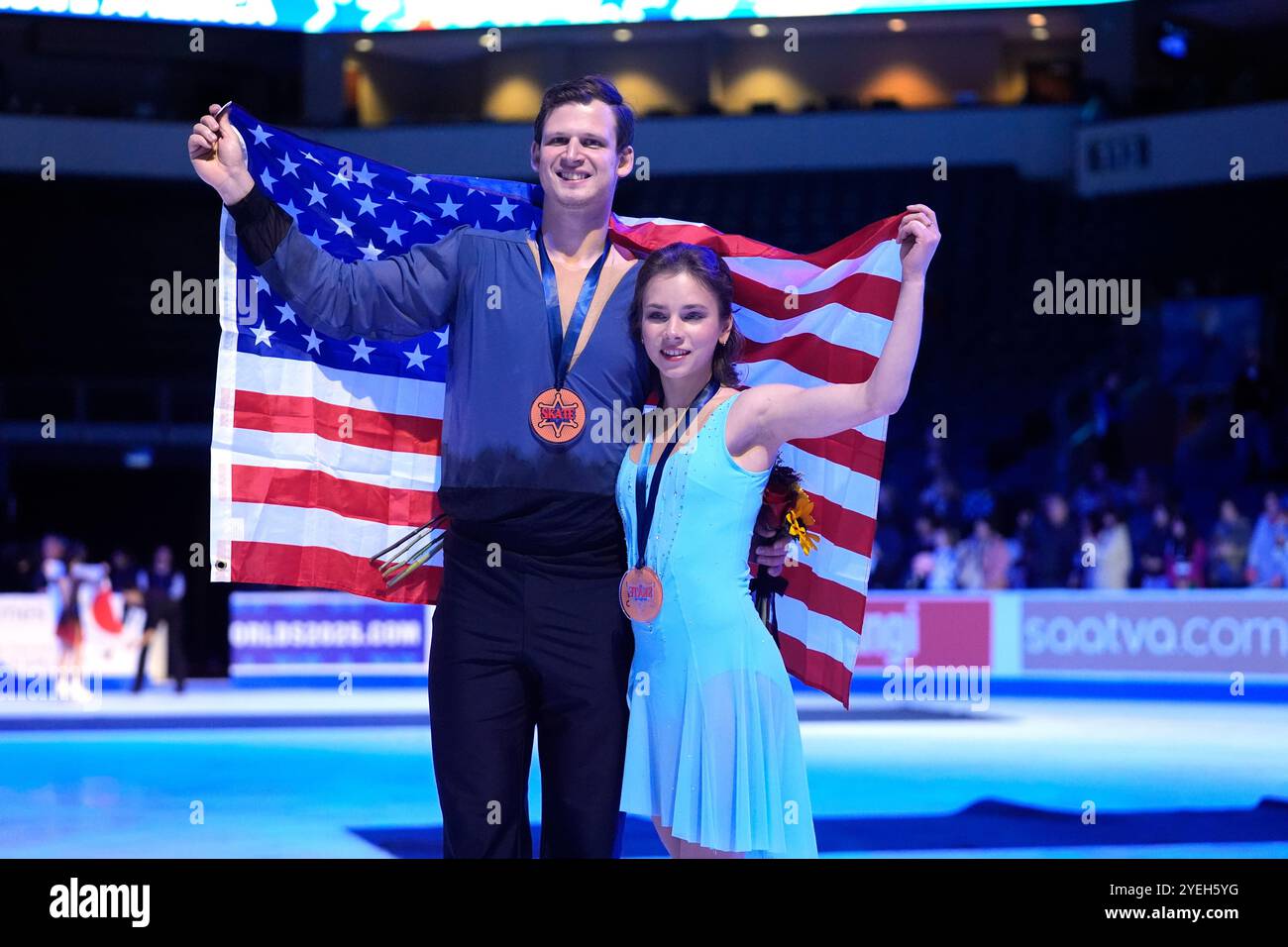
Alisa Efimova and Misha Mitrofanov represent a notable pair skating partnership that emerged in the early 2020s, combining international experience with competitive ambition. As of 2026, their collaboration is recognized for its technical development and progression within the United States figure skating circuit, following Efimova’s transition to representing the U.S. in international competition.
Contents
Origins and Professional Background
The partnership of Alisa Efimova and Misha Mitrofanov was formed during a period of transition for both athletes. Alisa Efimova, born in Finland and having previously represented Russia and Germany in international competitions, brought a wealth of experience in high-level pairs skating. Her career prior to this partnership included successful appearances on the Grand Prix circuit and various international events.
Misha Mitrofanov, an American skater, had previously established himself in the U.S. domestic scene, often competing alongside other partners. The decision to unite Efimova’s technical prowess with Mitrofanov’s established foundation in the American system was aimed at building a competitive team capable of contending for podium positions at the U.S. Figure Skating Championships and securing assignments for international events sanctioned by the International Skating Union (ISU).
The transition for Efimova involved meeting eligibility requirements to represent the United States. This process typically includes satisfying residency requirements and securing the necessary release from previous national federations, as well as obtaining citizenship or the required status to compete for Team USA. Since their debut, the pair has been focused on refining their synchronization and technical elements to meet the rigorous standards of modern international pairs skating.
Technical Elements and Competitive Style
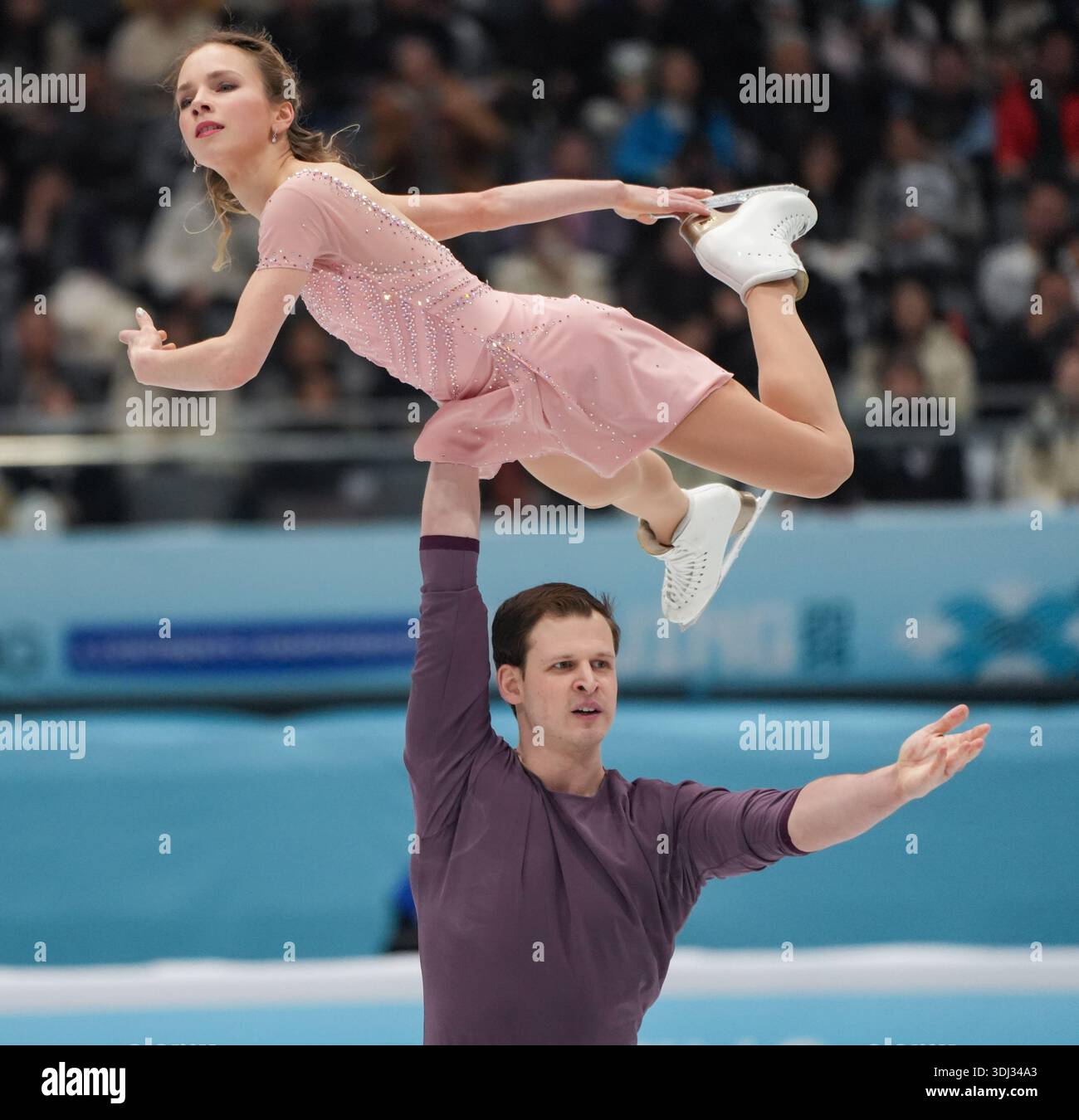
Pairs skating is a discipline that demands a high degree of physical coordination, trust, and technical precision. Efimova and Mitrofanov have focused their training on the core pillars of the discipline: overhead lifts, side-by-side jump combinations, throw jumps, and death spirals.
Key Performance Metrics
To compete at the senior international level, the pair must consistently demonstrate high-quality execution in the following areas:
- Twist Lifts: These require the man to lift the woman into the air, where she rotates before being caught. The level of difficulty (GOE - Grade of Execution) is determined by the height of the lift, the catch position, and the clean exit.
- Throw Jumps: The propulsion provided by the man during the takeoff is critical to the distance and rotation speed of the jump. Efimova’s ability to maintain form during landing is a focal point of their technical score.
- Side-by-Side Spins: Synchronization is the primary requirement here. Any variance in the timing of the rotational changes can lead to significant point deductions under the ISU judging system.
- Footwork Sequences: These illustrate the skating skills of the pair, emphasizing edge quality, transitions, and performance value (Program Components Score).
Competitive Trajectory and Milestones
Throughout their time competing together, the pair has navigated the challenges of building a reputation on the domestic circuit. The U.S. Figure Skating Championships serve as the primary gateway for international assignments. For many teams, the goal is to consistently improve their total segment scores (Short Program and Free Skate) to rise in the world rankings.
As they have matured as a pair, their programs have been designed to play to their individual strengths. Efimova is noted for her polished lines and skating fluidity, while Mitrofanov provides the strength and stability required for the complex lifting elements. Their performances often feature contemporary or classical musical arrangements designed to meet the requirements of the ISU’s short and long program criteria.
Comparison of Performance Factors
| Element Category | Importance for Success | Primary Challenge |
|---|---|---|
| Side-by-Side Jumps | High | Maintaining identical timing and axis. |
| Lifts | High | Consistent height and smooth exits. |
| Twist Lifts | Critical | Rotational speed and clean catch. |
| Artistry | Moderate/High | Emotional expression and musicality. |
Prerequisites for International Competition
For athletes like Efimova and Mitrofanov to compete in ISU-sanctioned events such as the Grand Prix series or the Four Continents Championships, they must satisfy specific criteria:
- Age and Eligibility: Both skaters must meet the minimum age requirements set forth by the ISU.
- Citizenship/Residency: At least one, or in some cases both, members of the pair must hold the nationality of the country they represent. For the U.S., this often involves U.S. Figure Skating’s strict adherence to athlete release rules from previous federations.
- Minimum Technical Scores (TES): The pair must achieve established minimum scores in the short and free skate segments at recognized international competitions to qualify for World Championships or major ISU events.
Challenges in Pairs Skating
The discipline of pairs skating is notoriously physically demanding. The risk of injury, particularly during training for high-level elements like the triple twist or complex throw jumps, is a constant consideration. Furthermore, the administrative aspects of sports, such as ensuring proper visa documentation for international travel and coordinating with training facilities, form a significant portion of a professional skater's career management.
Maintenance of training consistency is another hurdle. The pair must balance time on the ice with off-ice conditioning, including strength training, flexibility work, and rotational training. As they progressed through their competitive seasons, Efimova and Mitrofanov have worked with specialized coaching staff to ensure their programs remain compliant with the latest ISU rules and scoring updates, which are frequently adjusted at the start of each new competitive cycle.
FAQ
Who are Alisa Efimova and Misha Mitrofanov? They are an international pairs figure skating team. Alisa Efimova, an experienced skater from Europe, partnered with American skater Misha Mitrofanov to compete representing the United States.
What level of competition do they participate in? They compete at the senior level. This includes domestic events like the U.S. Figure Skating Championships and international events recognized by the International Skating Union (ISU).
What is the significance of their partnership for the U.S. skating team? The formation of this pair added to the depth of the U.S. pairs skating field, bringing international experience and a strong technical background to the domestic roster.
How is a pairs skating partnership scored? They are scored using the ISU Judging System, which combines a Technical Element Score (TES) for the difficulty and execution of elements like jumps and lifts, and a Program Components Score (PCS) for skating skills, composition, and presentation.
What are the biggest challenges for a pair at their level? Beyond physical injury risks, the primary challenges include maintaining synchronization on side-by-side elements and achieving the high technical consistency required to reach the podium in major international competitions.
Recommendations for Tracking Progress
To follow the progress of Alisa Efimova and Misha Mitrofanov, interested followers should consult the official U.S. Figure Skating results portal or the ISU event pages. These sources provide the most accurate, verified data regarding their competition placements, segment scores, and upcoming event schedules. Official federation websites are the primary source for confirming whether a team has been selected for specific international assignments, as these decisions are made based on current form and domestic standing.
For those interested in the technical nuances of their skating, watching the archived footage of their programs from major championships provides the best insight into their growth, program evolution, and technical mastery of the sport's most difficult elements.
Image Gallery