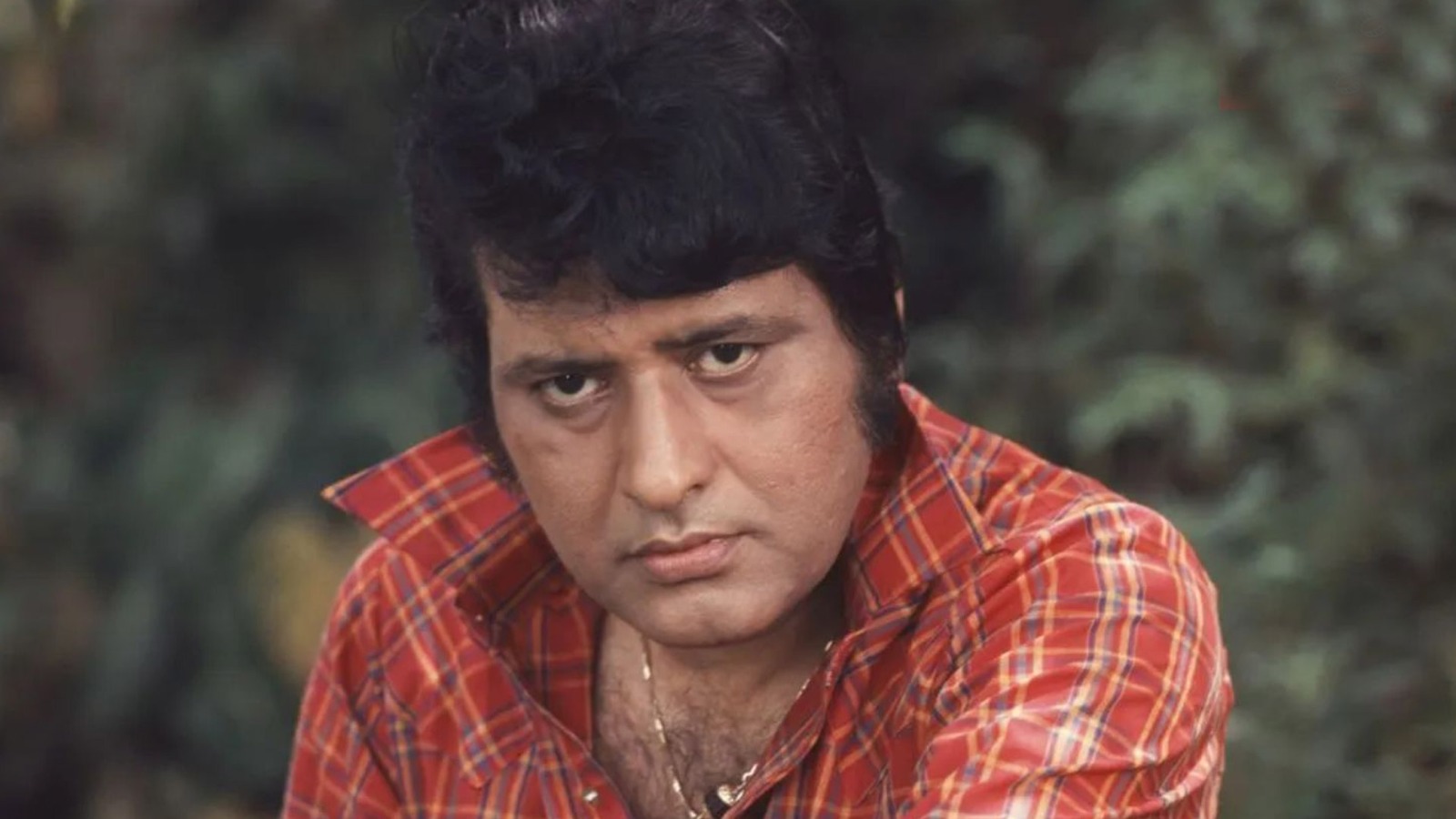
Manoj Kumar: The Legacy of Bollywood’s Iconic Actor and Filmmaker
Manoj Kumar is a legendary Indian actor, director, and producer renowned for his patriotic themes, earning him the moniker "Bharat Kumar." His career spans over six decades, defined by cinematic milestones like Upkar, Purab Aur Pachhim...
Manoj Kumar is a legendary Indian actor, director, and producer renowned for his patriotic themes, earning him the moniker "Bharat Kumar." His career spans over six decades, defined by cinematic milestones like Upkar, Purab Aur Pachhim, and Kranti, which blended social consciousness with mainstream entertainment to shape the identity of post-independence Indian cinema.
Contents
The Formative Years: From Abbottabad to Bombay
Born Harikishan Giri Goswami on July 24, 1937, in Abbottabad (now in Pakistan), the future star’s life was abruptly altered by the 1947 Partition. His family migrated to Delhi as refugees, an experience that deeply rooted a sense of national identity and resilience in him. These early struggles would later manifest in the empathetic portrayal of the common man in his films.
His transition to the screen began with a name change inspired by his idol, Dilip Kumar. After watching the film Shabnam (1949), Harikishan was so moved by Dilip Kumar’s character, named Manoj, that he adopted the name for his professional career. This was not merely a cosmetic change; it signaled his entry into a world where he would eventually stand alongside his idols as a peer and a visionary.
Manoj Kumar’s entry into Bollywood was not an overnight success. He made his debut in the 1957 film Fashion, but it was the 1960 film Honeymoon and subsequent romantic leads that established him as a viable hero. However, the 1960s would soon demand more than just romantic charisma, and Kumar was uniquely positioned to answer that call.
The Transformation into "Bharat Kumar"
The 1960s was a decade of transition for India, marked by wars and a burgeoning need for national cohesion. Manoj Kumar’s career trajectory shifted significantly with the 1965 film Shaheed, based on the life of Bhagat Singh. His meticulous research and intense performance set a new standard for biographical cinema in India.
The real turning point, however, came following the Indo-Pakistani War of 1965. Prime Minister Lal Bahadur Shastri urged Kumar to create a film based on the popular slogan "Jai Jawan Jai Kisan" (Hail the Soldier, Hail the Farmer). The result was Upkar (1967), a film that served as Kumar’s directorial debut. In Upkar, he played the character "Bharat," a name that would stick with him for the rest of his life.
Upkar was a massive critical and commercial success, winning several National Film Awards. It established the "Manoj Kumar formula": a blend of rural traditionalism versus urban modernity, a strong moral compass, and a deep-seated love for the motherland. This film proved that Manoj Kumar was not just a performer but a filmmaker who understood the pulse of the nation.
Directorial Vision and Technical Innovation
Manoj Kumar was often criticized by contemporary high-brow critics for being "overly sentimental," yet his technical prowess was undeniable. As a director and producer under his banner, Vishal International, he introduced several stylistic hallmarks that became synonymous with his work.
The Use of Close-ups and Symbols
Kumar was famous for his extreme close-ups, often using his hands to cover parts of his face to convey deep internal conflict or sorrow. While sometimes parodied in later years, this technique was a deliberate choice to focus the audience's attention on the eyes—the "windows to the soul." He also made extensive use of symbolic imagery: the spinning of a wheel, the lighting of a lamp, or the juxtaposition of a traditional temple against a modern factory.
Narrative Structure and Editing
Unlike many of his peers, Manoj Kumar took a hands-on approach to the editing table. He was known to spend months in post-production, meticulously pacing his films to ensure that the emotional beats landed perfectly. His films often utilized a montage style that was ahead of its time in commercial Hindi cinema, blending song sequences with narrative progression in a way that felt organic rather than disruptive.
Musical Collaboration
The music in a Manoj Kumar film was never incidental. He collaborated closely with lyricists like Prem Dhawan and Gulshan Bawra, and composers like Kalyanji-Anandji and Laxmikant-Pyarelal. Songs like "Mere Desh Ki Dharti" from Upkar or "Hai Preet Jahan Ki Reet Sada" from Purab Aur Pachhim became unofficial national anthems, reinforcing the patriotic brand that defined his career.
Key Filmography and Contributions
To understand the breadth of Manoj Kumar’s influence, one must look at his most impactful works. The following table summarizes the pivotal films where he served as a creative force, either as an actor, director, or both.
| Year | Film Title | Roles | Significance |
|---|---|---|---|
| 1965 | Shaheed | Actor, Screenwriter (Uncredited) | Redefined the patriotic biopic in India. |
| 1967 | Upkar | Actor, Director, Writer | Born of the "Jai Jawan Jai Kisan" movement; swept major awards. |
| 1970 | Purab Aur Pachhim | Actor, Director, Writer | Explored the cultural clash between Eastern values and Western lifestyle. |
| 1972 | Be-Imaan | Actor | Won the Filmfare Best Actor award; focused on social corruption. |
| 1974 | Roti Kapada Aur Makaan | Actor, Director, Producer | Addressed the three basic needs of man in a struggling economy. |
| 1981 | Kranti | Actor, Director, Producer | A multi-starrer period epic about the Indian independence movement. |
Social Commentary and the "Bharat" Philosophy
The characters played by Manoj Kumar were rarely just individuals; they were archetypes of Indian virtue. In Purab Aur Pachhim (1970), he took the "Bharat" persona abroad, contrasting the perceived spiritual depth of India with the perceived materialistic hollowness of the West. While modern critics might find the film’s dichotomies simplistic, it resonated deeply with an audience grappling with globalization and the fear of losing their cultural identity.
In Roti Kapada Aur Makaan (1974), he pivoted to internal social issues. The title itself refers to "Food, Clothing, and Shelter." The film was a scathing look at unemployment, inflation, and corruption in post-independence India. By casting other stars like Amitabh Bachchan, Shashi Kapoor, and Zeenat Aman, Kumar demonstrated his ability to manage large-scale productions while maintaining a focused social message.
Even in his later epic, Kranti (1981), which featured the legendary Dilip Kumar, Manoj Kumar managed to weave a tale of revolution that felt both historical and contemporary. Kranti was one of the biggest hits of the 1980s, proving that his brand of "patriotic masala" still had significant drawing power.
Awards, Recognition, and Later Years
Manoj Kumar’s contributions have been recognized at the highest levels of the Indian government and the film fraternity. In 1992, he was awarded the Padma Shri, the fourth-highest civilian award in India. In 2015, he received the Dadasaheb Phalke Award, India's highest award in cinema, for his lifetime contribution to the medium.
As of 2026, Manoj Kumar’s legacy is preserved through the digital restoration of his classics. Organizations like the National Film Archive of India (NFAI) have worked to ensure that the celluloid prints of Upkar and Shaheed are maintained for future generations. While he stepped away from the director’s chair after the 1990s—following the underwhelming response to Clerk (1989) and Jai Hind (1999)—his influence persists in the works of modern filmmakers who attempt to blend nationalistic pride with commercial storytelling.
Frequently Asked Questions
What is Manoj Kumar's real name?
Manoj Kumar was born as Harikishan Giri Goswami. He adopted the screen name "Manoj Kumar" as a tribute to the character played by legendary actor Dilip Kumar in the 1949 film Shabnam.
Why is Manoj Kumar called "Bharat Kumar"?
He earned the nickname "Bharat Kumar" because he played a character named Bharat in several of his most famous patriotic films, starting with Upkar (1967). The name became a symbol of the ideal, patriotic Indian citizen that he frequently portrayed on screen.
Did Manoj Kumar direct his own films?
Yes, Manoj Kumar was a highly successful director and producer. He directed several of his most iconic films, including Upkar, Purab Aur Pachhim, Roti Kapada Aur Makaan, and Kranti. He was known for being deeply involved in every aspect of production, especially screenplay writing and film editing.
Has Manoj Kumar won any National Awards?
Manoj Kumar has won multiple National Film Awards. Most notably, Upkar won the National Film Award for Second Best Feature Film in 1968. He was also honored with the Dadasaheb Phalke Award in 2015 for his monumental contribution to Indian cinema.
Is Manoj Kumar still active in the film industry?
As of 2026, Manoj Kumar is retired from active filmmaking and acting. He remains a respected elder statesman of Bollywood, occasionally appearing at major industry events or giving interviews regarding the history and evolution of Indian cinema.
Guidance for Exploring Manoj Kumar’s Work
For those looking to understand the evolution of Indian cinema, a chronological viewing of Manoj Kumar’s directorial ventures is highly recommended. Start with Shaheed to see his discipline as an actor, followed by Upkar to witness his birth as a visionary director.
When watching his films today, it is important to view them through the lens of their time—a period when India was a young nation searching for its identity. Pay close attention to the song picturizations; they are masterclasses in how to use music to reinforce narrative themes. For modern researchers and film students, his editing style in Roti Kapada Aur Makaan remains a relevant study in managing multi-linear plots and large ensemble casts within a socio-political framework.
Image Gallery